
Empower Machine Operators (and your Business) Through Total Productive Maintenance

.avif)
Table of contents

Share:


In modern manufacturing, unplanned downtime, inefficiency, and reactive maintenance are no longer acceptable risks. That's why many leading organizations are turning to Total Productive Maintenance (TPM) and more specifically, to Autonomous Maintenance (AM) to drive equipment reliability, reduce waste, and boost performance from the ground up. In other words, they are increasingly relying on TPM and AM to stop small maintenance problems from becoming huge and expensive business failures.
When we're talking about the value of TPM and AM, the stakes are high. Unplanned downtime can have a profound and multifaceted impact on a business. Most immediately, it leads to lost revenue by halting production entirely, with high-output facilities potentially facing millions of dollars in losses. According to analysis published by Siemens in 2024, the automotive industry can experience downtime costs exceeding $2.3 million per hour.
Not in the automotive industry? Unplanned downtime costs manufacturers across industries a whopping $50 billion annually, according to Forbes. As estimated in the March 2025 article "Manufacturing Downtime: Definition, Stats, and More," manufacturing facilities can lose as much as 20% of their productive capacity due to unplanned breakdowns.
In addition, operational costs often spike due to the need for overtime pay, expedited shipping, and emergency maintenance efforts. Downtime also affects the customer experience because late deliveries and product unavailability can erode trust, damage customer relationships, and lead to a loss of future business. From a production standpoint, downtime disrupts not only the immediate line but also downstream processes, compromising overall productivity.
In tightly regulated industries, unplanned downtime can introduce safety hazards and compliance risks, exposing companies to legal or regulatory action. Finally, repeated or prolonged outages can result in significant reputational damage, diminishing a company's credibility and standing in the eyes of its customers and partners.
Now for some good news: A March 2025 research study indicated proactive strategies (like TPM and AM) result in a 30-50% reduction in downtime, lower maintenance costs, and increased overall equipment effectiveness. Additionally, according to the study, qualitative insights from maintenance managers highlight the importance of technology adoption, workforce training, and structured maintenance planning in ensuring long-term success.
This means that TPM is more than just a maintenance program; it's a culture shift. It empowers everyone in the organization, from engineers to operators, to take ownership of equipment health. When done right, the results are measurable and powerful: Greater reliability, higher efficiency, and a safer, more engaged workforce.
The Origins of Autonomous Maintenance
Autonomous Maintenance (AM) is one of the eight foundational pillars of Total Productive Maintenance (TPM), a system designed to improve equipment reliability, maximize productivity, and empower frontline workers. AM specifically focuses on shifting certain routine maintenance tasks from maintenance technicians to the machine operators themselves.
The concept of autonomous maintenance originated from Japan's manufacturing sector, particularly through the Toyota Production System (TPS) in the 1970s. It was further formalized by the Japan Institute of Plant Maintenance (JIPM) as part of TPM. The goal was to create a collaborative maintenance culture in which equipment is maintained proactively by the people who use it most.
Making the Business Case for TPM and AM
At its core, AM encourages machine operators to take greater responsibility for the basic care of their equipment. The tasks they perform typically include:
- Cleaning: Keeping equipment clean prevents buildup of debris that can lead to breakdowns.
- Inspecting: Spotting wear and tear or abnormal conditions early.
- Lubricating: Ensuring components run smoothly and reducing friction.
- Tightening: Preventing vibration-related failures or loosening of fasteners.
- Identifying abnormalities: Noticing unusual sounds, leaks, or behavior that indicate issues.
Autonomous maintenance, in giving frontline operators the authority and tools to perform simple, preventive maintenance tasks, trains them to detect issues early, prevent small problems from becoming big, expensive ones, and take ownership of the equipment they operate. This approach not only reduces reliance on maintenance technicians for minor issues; it also builds operator confidence and accountability.
There are three ways to involve operators in AM:
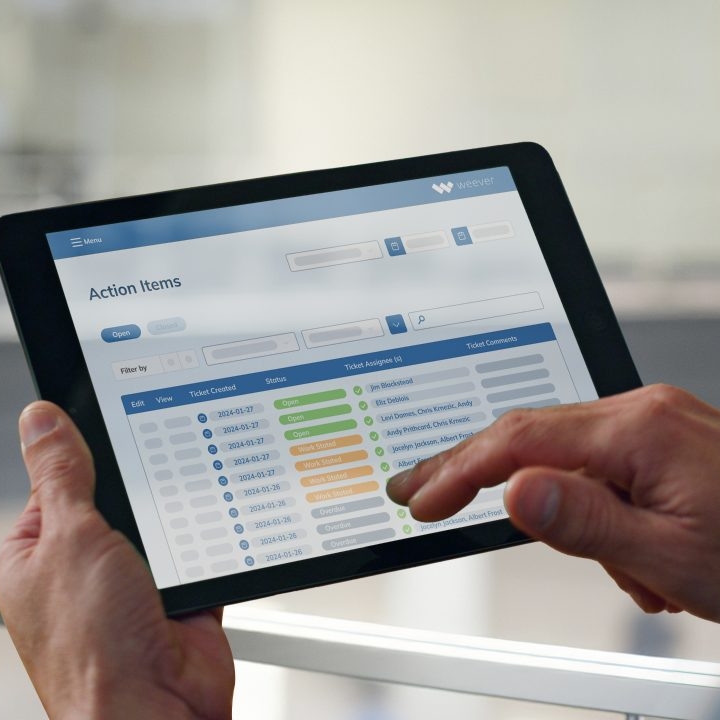
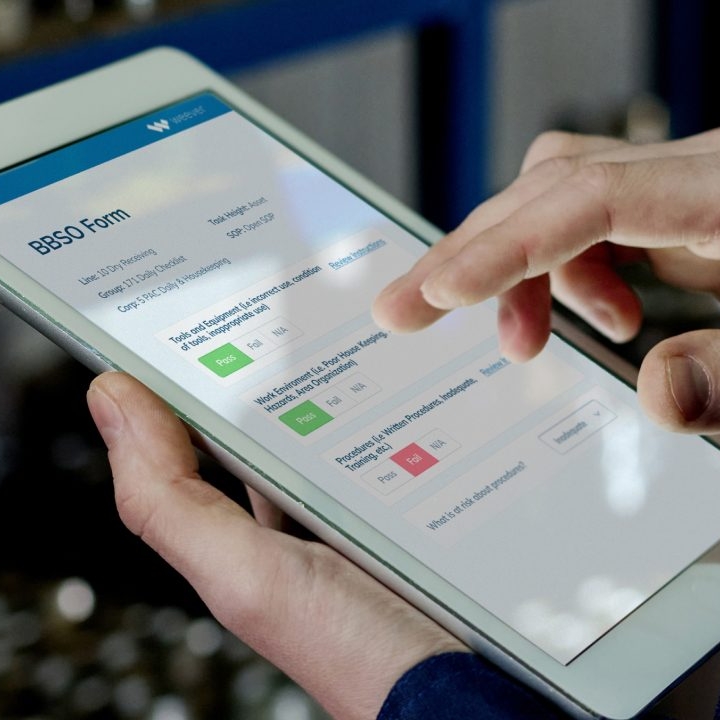
- Assign and schedule it. If it's not assigned, it won't happen. Regular maintenance tasks must be scheduled just like any production activity. With tools like Weever Inspections, managers can create digital Clean-Inspect-Lubricate (CIL) forms and assign them to specific machines, shifts, or operators, ensuring maintenance becomes part of the daily routine.
- Make it fast and frictionless. Operators are more likely to follow through if tasks are simple and efficient. Digital inspections with features like voice-to-text, integrated image capture, sketch tools, and auto-calculations reduce time-on-task while improving accuracy. When maintenance is easy, it gets done.
- Invest in step-0 education. Before operators can maintain equipment, they need to understand it. The "Step 0" of autonomous maintenance focuses on educating operators about machine components, failure modes, and safety. When operators know how a machine works, they can identify abnormalities and even suggest process improvements that boost equipment reliability.
The Bigger TPM and AM Picture
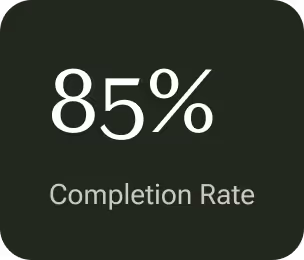
When organizations embed TPM into daily operations and enable AM, the results go beyond uptime. You get a more engaged workforce, reduced costs and risk, and significantly improved overall equipment effectiveness (OEE). One polymer plant that embraced TPM saw OEE improve from 75% to 85%, while maintenance costs dropped 20% and profitability grew 12%.
The bottom line: Autonomous maintenance isn't about asking operators to do more. It's about giving them the knowledge, tools, and ownership to create a more reliable, efficient operation, saving you money and time in the process.
Contact Weever for a demo and discover how our software can help you enable Autonomous Maintenance
Request more information Preview modal-
Request more information
Please tell us a bit about yourself so we can tailor our response and get you the information you need.
Continue Reading
Boost Your Manufacturing safety with Proactive Measures
How Proactive Measures Can Lead to Cost Savings in Manufacturing

How to be more proactive about safety

How to implement a proactive safety program into your facility
Proactive Measures for Ensuring Compliance in Regulated Industries

Proactive Measures in Manufacturing: Leveraging Weever Software for a Safer Workplace
The Importance of Proactive Measures in Manufacturing Operations
The Power of Proactive Measures in Preventing Equipment Failure

"Having cloud-based forms on devices around the facility makes them so much more accessible, which makes it painless for operators to quickly provide a report."
Johanna Velez, VP Quality Assurance


"Weever is really user friendly and will have a massive positive impact on our operations and training team."
Mel Cadle - Op Ex Lead Process Engineer


.webp)

Spend Less Time on Admin. More Time Improving Operations.
See how Weever automates data entry, reporting, and action items so you can focus on improvement not admin.