
From Factory Floor to Digital Core: How Tech Empowers Frontline Teams

.avif)
Table of contents

Share:


When you walk onto your shop floor these days, it's obvious: the manufacturing world isn’t what it was a decade ago. New pressures ranging from labor shortages and tariffs to faster product cycles and tighter safety and quality demands are forcing every production manager and plant manager to ask: What is the best way to navigate this rapidly changing manufacturing landscape?
The answer lies in digital transformation. This isn’t just an IT upgrade; it’s a change in how you run your plant, how your frontline teams work, and how your operations respond in real time.
How ‘Smart’ Is Your Business?
According to the International Society of Automation (ISA), digital transformation in manufacturing is “the adoption of sophisticated electronic tools and software applications to replace manual processes or simple spreadsheets to improve an organization’s efficiency, flexibility, resiliency, profitability, or other measure.” It involves technology integration throughout and across an industrial organization, fundamentally changing how it operates internally and how it delivers products or services.
Similarly, the International Standards Organization (ISO) defines smart manufacturing, a term closely tied to digital transformation, as leveraging disruptive technologies such as AI, edge computing, robotics, additive manufacturing (3D printing), and IoT to change traditional manufacturing. ISO describes smart manufacturing as a “fusion of the digital, biological and physical world” and says that its significance is so large that it’s sometimes called the fourth industrial revolution.
Digital transformation in manufacturing means more than just picking up new gadgets. It’s about weaving together cloud computing, automation, AI, the Internet of Things (IoT), and data analytics throughout both shop floor operations and back-office functions. It’s the deep integration of technologies into how a plant plans, produces, inspects, and delivers. According to McKinsey & Co., these digital advances will “transform every link in the manufacturing value chain, from research and development, supply chain, and factory operations to marketing, sales, and service.” By doing this well, manufacturers change not only what they make and how fast, but how they create value, how quickly they adapt, and how they stay competitive in volatile markets.
What Does Your Digital Transformation Look Like?
Experts advise that too many organizations pursue a digital manufacturing journey that ultimately fails to create enough value to justify its cost, time, and management attention. They suggest companies start from bottom-line value and work back. There are a lot of digital manufacturing solutions on the market, but don’t fall for the first pretty face. You need insight on how the various solutions address your operational pain points, create competitive advantage, and drive bottom-line impact.
Beyond automating labor‐intensive or hazardous manual work, digital transformation enables capabilities like predictive maintenance. How valuable is foreseeing when equipment is likely to fail before it actually does, having standardized inspection and service routines at your fingertips, and far greater visibility into workflows, quality metrics, and supply chain touchpoints? Deloitte describes the “smart factory” as a flexible system that can self-optimize performance, adapt in near-real time to changing conditions, and autonomously run parts of production, connecting shop floor decisions with the rest of supply chains and business processes.
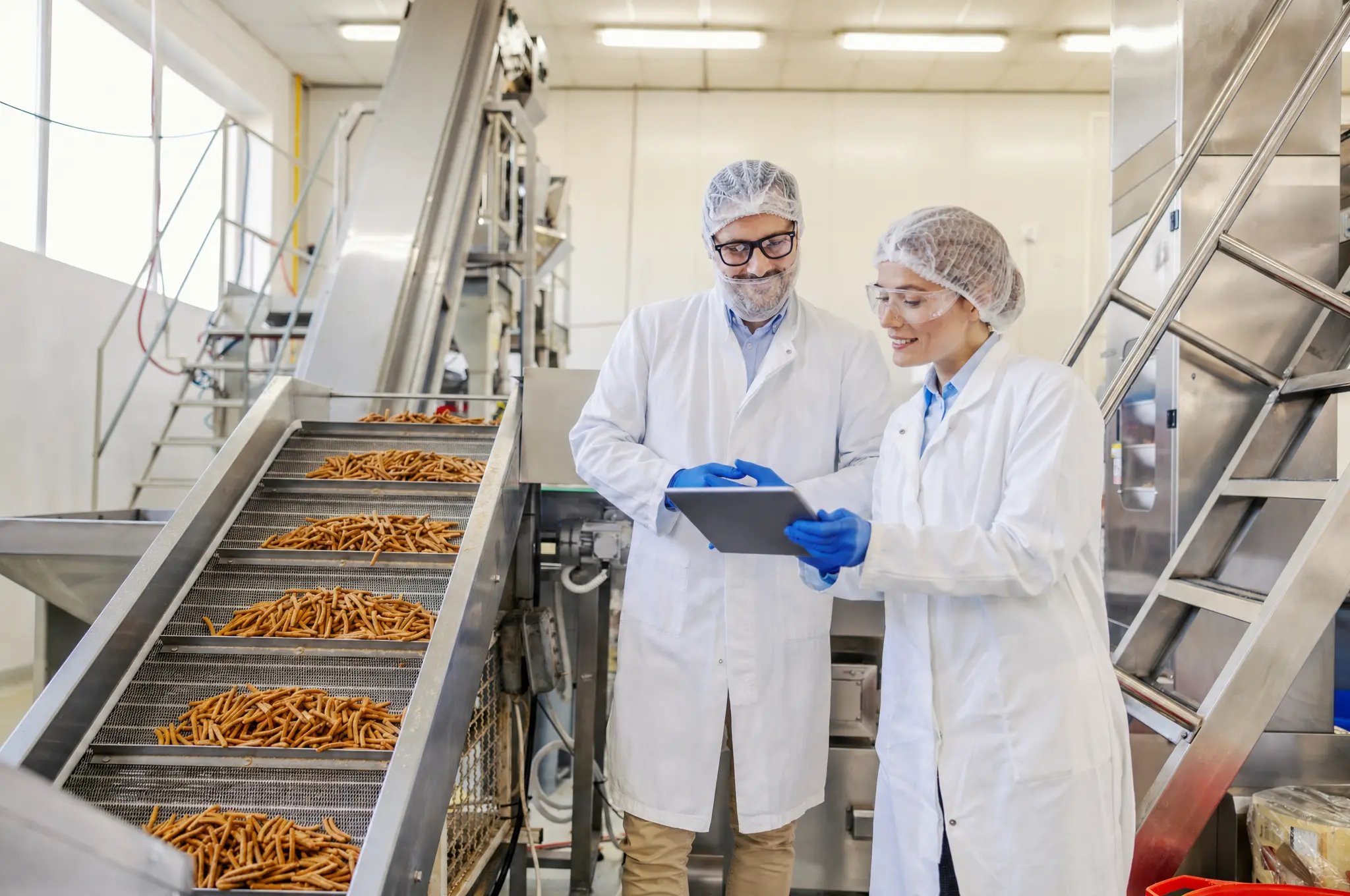
Imagine replacing piles of clipboards, stacks of paper forms, and delayed shift‐handover conversations with tools that deliver the latest production data into the palm of your hand. Real‐time dashboards, alerts pushed instantly, workflows automated so that key tasks happen without follow-ups or guessing games. That’s more than convenience; it changes how quickly you can respond when something goes wrong and prevents things from going wrong in the first place.
The modern version of an old wives’ tale is that digital transformation means replacing people with robots. Not true. What it does do is empower your people by giving them data-driven insights, removing repetitive tasks so they can focus on higher-value work, and helping them make better decisions. According to a report from Method, “Effective digital transformation in the manufacturing industry empowers people to make better decisions through data-driven insights and process automation.”
The Benefits You (and Your Team) Actually See
When we talk benefits, here are what plant and production managers will notice first, and how they show up in everyday decisions.
Sharper decision-making and reduced errors: With sensors, automation, and real-time data collection, the lag between something happening (like a machine drift or defect) and you knowing about it shrinks dramatically. Frontline workers can flag issues, get alerts, and access records instantly. This leads to fewer mistakes, fewer reworks, better compliance.
Higher productivity, less waste: Think about how much time you and your teams spend filling in forms, logging issues, and redirecting work because something upstream wasn’t visible. When workflows are digitized, maintenance requests are logged and assigned automatically, audits get scheduled, and alerts pop up when bottlenecks form. Workers can focus on value-added tasks instead of paperwork, and materials or energy wasted because of oversight start dropping because of better monitoring and predictive insights.
Safety, compliance, and resilience: Digital checklists, automated alerts, and dashboards that flag unsafe conditions or non-compliance are not just “nice to have” options anymore. They're lifesavers. And when every shift, every corner of the plant is hooked into systems that enforce safety, the risk of accidents goes down. Add in predictive maintenance that allows you to catch wear and tear before it becomes a breakdown that puts people and production at risk, and the result is reduced downtime and safer operations.
Cost savings and long-term payoff: While there’s always an investment needed, like new tools, training, replacing or upgrading legacy systems, the savings compound over the long-term. Reduced downtime, more optimized use of assets, and more accurate scheduling have a large impact on overall running costs.
Making the Change Manageable (Without Chaos)
Your biggest challenge won’t be the tech: it’s getting people, process, and culture to align. Here are what tends to work:
Start small. Pick a use-case with high visibility and low risk. Digitize quality tracking on one production line, automate a maintenance schedule for one set of machines, or introduce a safety audit app. Get a win, so you can show results.
Involve the frontline. Let supervisors and operators tell you where the pain points are. If you don’t get their buy-in, even the best system money can buy will be ignored, bypassed, or resisted.
Ensure training is practical and ongoing. It’s not only about which buttons to click. Explain how this system helps their shift, reduces overtime, and lowers the workload. Emphasize that the change empowers them; it doesn’t replace them.
Make sure the infrastructure supports it. Check connectivity, devices, sensors and platform performance. There’s nothing more frustrating than promising real-time dashboards but having gaps because WiFi is intermittent or data flows are delayed.
“When digital transformation is done right, it’s like a caterpillar turning into a butterfly, but when done wrong, all you have is a really fast caterpillar,” “observed Principal Research Scientist George Westerman of the MIT Sloan Initiative on Digital Economy.
If you’re managing a plant or a production line, your job is to deliver output, quality, safety, and do it all while costs rise and expectations escalate. Digital transformation gives you the tools to maintain and improve your performance utilizing visibility, automation, and insight. You’ll be ready for whatever comes next, whether it’s supply chain disruptions, labor constraints, or shifting customer demands.
.webp)

Spend Less Time on Admin. More Time Improving Operations.
See how Weever automates data entry, reporting, and action items so you can focus on improvement not admin.