
How to Create an Impactful Autonomous Maintenance Plan

.avif)
Table of contents

Share:


Autonomous maintenance is revolutionizing how industries approach equipment upkeep. At Weever Apps, we've seen firsthand how this strategy empowers operators and boosts operational efficiency.
An effective autonomous maintenance presentation can be the key to successfully implementing this approach in your organization. In this post, we'll guide you through creating an impactful plan that transforms your maintenance practices and drives long-term equipment reliability.
What is Autonomous Maintenance?
The Core of Autonomous Maintenance
Autonomous maintenance is a manufacturing concept that empowers machine operators to take responsibility for the routine maintenance of the equipment they use. This strategy shifts basic maintenance tasks from specialized technicians to frontline workers who interact with the machinery daily.

AM empowers and promotes ownership. Operators take on responsibilities like cleaning, lubricating, and conducting basic inspections. This hands-on involvement leads to a deeper understanding of equipment functionality and potential issues.
A study by the Office of Energy Efficiency and Renewable Energy found that businesses practicing preventive maintenance (which includes AM principles) can save 12 to 18 percent compared to those relying solely on corrective maintenance. This significant cost reduction highlights the financial impact of AM implementation.
Transforming Industrial Settings
In manufacturing and industrial environments, AM brings about a cultural shift. It's not just about task redistribution; it creates a workforce that actively engages in maintaining operational excellence.
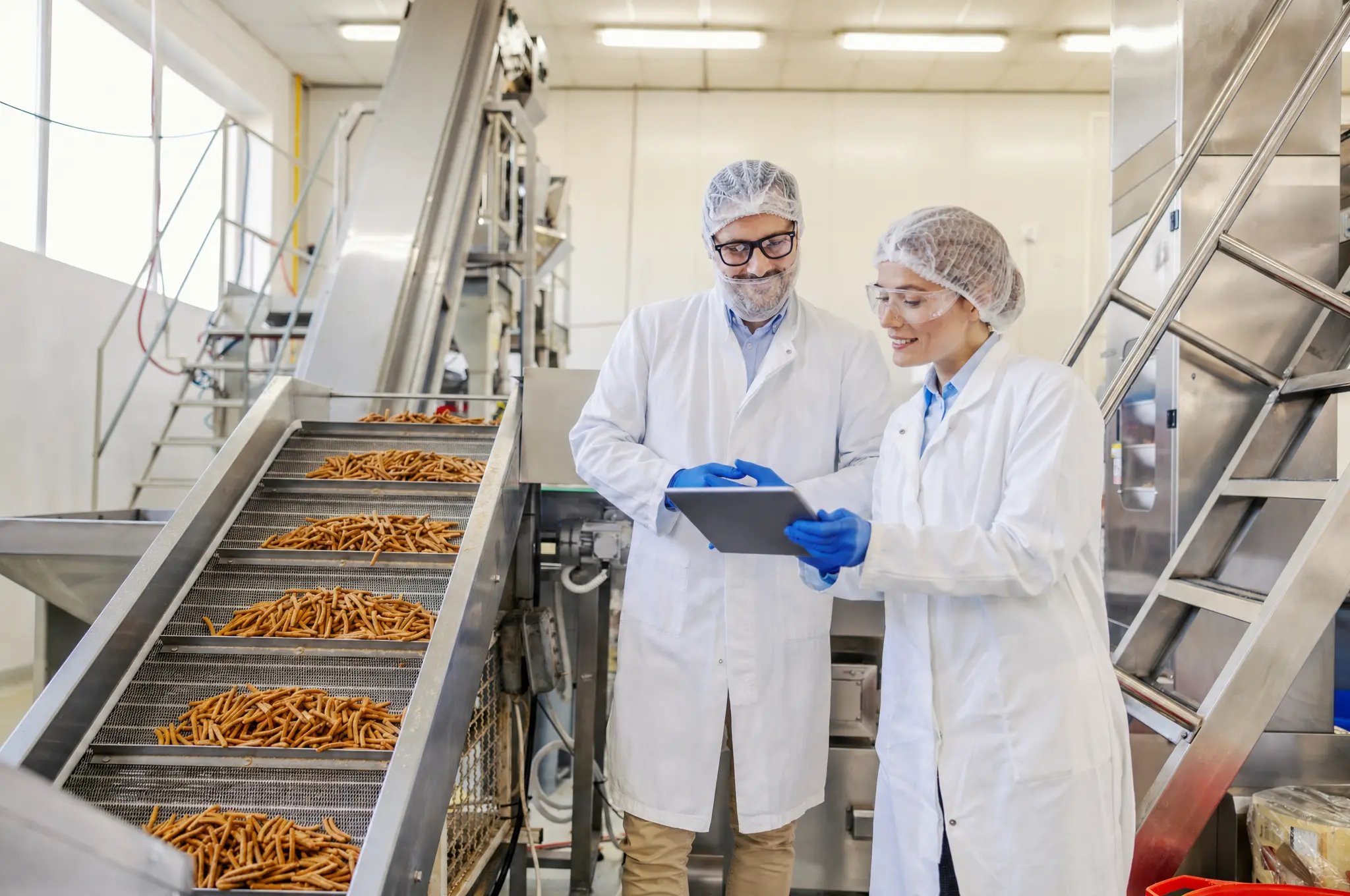
For example, a food processing plant that implemented AM reported a 30% reduction in unplanned downtime within the first year. This improvement came from operators who quickly identified and addressed minor issues before they escalated into major breakdowns.
Breaking from Traditional Maintenance
AM marks a departure from traditional maintenance models where operators and maintenance staff work in silos. In conventional setups, operators might ignore early warning signs, waiting for scheduled maintenance or breakdowns to occur.
With AM, the lines blur. Operators become the first line of defense against equipment deterioration. They receive training to spot anomalies and take immediate action, often preventing issues that would have previously led to production halts.
Digital Tools Enhancing AM
Modern AM programs benefit from digital tools that streamline processes and improve efficiency. Connected Worker platforms (like the one offered by Weever) can significantly boost the effectiveness of AM initiatives. These platforms enable real-time issue reporting, provide easy access to maintenance procedures, and facilitate better communication between operators and maintenance teams.
The integration of digital tools in AM can lead to substantial improvements in Overall Equipment Effectiveness (OEE). Companies that leverage such technologies often see faster issue resolution and more consistent maintenance practices.
As we move forward, let's explore the steps to develop a robust Autonomous Maintenance plan that can transform your maintenance practices and drive long-term equipment reliability.
How to Build Your Autonomous Maintenance Plan
Assess and Prioritize Equipment
Start your autonomous maintenance (AM) plan with a thorough equipment assessment. Identify critical machines that could significantly impact production if they fail. Prioritize these for your AM program. This step lays the foundation for a targeted and effective maintenance strategy.
Train Operators Comprehensively
Invest in comprehensive operator training. This goes beyond teaching basic maintenance tasks. Cultivate a deep understanding of equipment functions. Operators should learn to recognize early warning signs of potential issues (e.g., unusual sounds, vibrations, or temperature changes). This knowledge empowers them to prevent minor issues from escalating into major problems.
Implement Rigorous Routines
Establish rigorous cleaning and inspection routines. These should not be superficial checks. Teach operators to conduct detailed inspections, looking for signs of wear, loose components, or contamination. A food processing plant that implemented such routines saw a 40% reduction in unexpected breakdowns within six months.
Develop Clear Standard Operating Procedures
Create clear, concise standard operating procedures (SOPs) for each maintenance task. Make these easily accessible, preferably through a digital platform. A Connected Worker platform (like Weever) excels in this area, allowing operators to access SOPs instantly on mobile devices.
Set Up Performance Metrics and Monitoring
Establish concrete performance metrics to track the effectiveness of your AM program. Key metrics might include Mean Time Between Failures (MTBF) or Overall Equipment Effectiveness (OEE). A manufacturing plant that closely monitored these metrics saw their OEE improve from 65% to 85% over a year after implementing AM.

Implement a robust monitoring system. This should allow for real-time tracking of equipment performance and maintenance activities. Digital tools can significantly enhance this process. For example, IoT sensors can provide continuous data on equipment health, allowing for predictive maintenance approaches.
Regular review sessions play a vital role in refining your AM processes. Use these to analyze data, identify trends, and encourage operator feedback. Their hands-on experience often provides invaluable insights for improvement.
Building an effective AM plan requires commitment, continuous learning, and adaptation. The rewards - increased equipment reliability, reduced downtime, and improved productivity - make it a worthwhile investment for any manufacturing or industrial operation. As you implement your plan, you'll likely encounter challenges. Let's explore how to overcome these common hurdles in the next section.
Tackling Autonomous Maintenance Hurdles
Addressing Resistance to Change
Autonomous maintenance (AM) implementation involves seven steps, including initial cleaning and addressing problem sources. To overcome resistance, companies must prioritize clear communication and education. Explain AM benefits for both the organization and individual roles. Operators acquire valuable skills for career advancement, while maintenance staff can focus on complex, higher-value tasks.

A manufacturing plant in Ohio overcame resistance by involving operators and maintenance staff in the planning process. This collaborative approach increased employee engagement scores by 25% within six months of AM implementation.
Striking the Right Balance
Finding equilibrium between autonomous tasks and specialized maintenance work challenges many organizations. Define roles and responsibilities clearly. Create a tiered system where operators handle basic tasks, and maintenance specialists address complex issues.
A food processing facility implemented this approach and reduced maintenance technician workload for routine tasks by 30%. This allowed specialized staff to focus on critical issues, resulting in a 15% decrease in overall equipment downtime.
Ensuring Consistent Execution
Consistency in AM proves challenging to maintain over time. Implement a robust tracking system to address this issue. Digital tools (such as Weever's Connected Worker platform) allow real-time monitoring of AM tasks, ensuring thorough completion.
Regular audits and refresher training sessions help maintain high standards. A chemical plant that implemented monthly AM audits improved task completion rates by 40% over a year.
Adapting to Equipment Diversity
Different equipment types require varied AM approaches. Create equipment-specific AM plans to tackle this challenge. Involve operators and maintenance staff in developing these plans, as they often possess unique insights into each machine's quirks and needs.
A textile manufacturer successfully adapted their AM plan for various machines by creating detailed, equipment-specific checklists. This tailored approach reduced equipment-specific failures by 35% within the first year.
Leveraging Technology for Success
Technology plays a vital role in overcoming AM challenges. Connected Worker platforms (like Weever) streamline processes, improve communication, and enhance data collection. These tools provide real-time insights, allowing for quick adjustments to the AM program.
A food processing plant that implemented a digital platform for their AM program saw a 50% reduction in paperwork and a 20% increase in task completion rates. The platform's mobile accessibility allowed operators to access information and report issues instantly, improving overall efficiency.
Final Thoughts
Autonomous maintenance transforms modern manufacturing and industrial settings. It empowers operators to take ownership of equipment care, leading to improved operational efficiency and equipment longevity. An effective autonomous maintenance presentation catalyzes organizational buy-in and successful implementation, highlighting the shift from reactive to proactive maintenance.

The long-term benefits of autonomous maintenance include substantial reductions in unplanned downtime and extended equipment lifespan. Organizations that implement this approach often see dramatic improvements in productivity and cost savings. Regular audits, performance reviews, and operator feedback sessions ensure the program evolves with changing equipment needs and technological advancements.
Technology enhances modern autonomous maintenance programs. Connected Worker platforms like Weever support comprehensive programs by providing real-time data access, streamlined communication, and efficient task management. These digital tools ensure frontline workers have the necessary information and resources at their fingertips, positioning organizations for sustained success in an increasingly competitive global marketplace.
.webp)

Spend Less Time on Admin. More Time Improving Operations.
See how Weever automates data entry, reporting, and action items so you can focus on improvement not admin.