
Is Your 5S Program Getting the Job Done?
.avif)
Table of contents

Share:


For manufacturers, early detection and swift management of defects are essential to maintaining quality and minimizing downtime. Left unchecked, even minor abnormalities can escalate, disrupting production lines and increasing costs. That's where Weever software makes a difference. With tools designed to detect defects at the earliest stages, automate the response, and provide real-time insights, Weever empowers manufacturers to maintain the highest operational efficiency.
So, how does Weever help manufacturers detect and manage defects in production? Let's explore how Weever's solutions address this need at every stage of the defect management process.
Simplified Defect Detection: An Intuitive, User-Friendly Platform
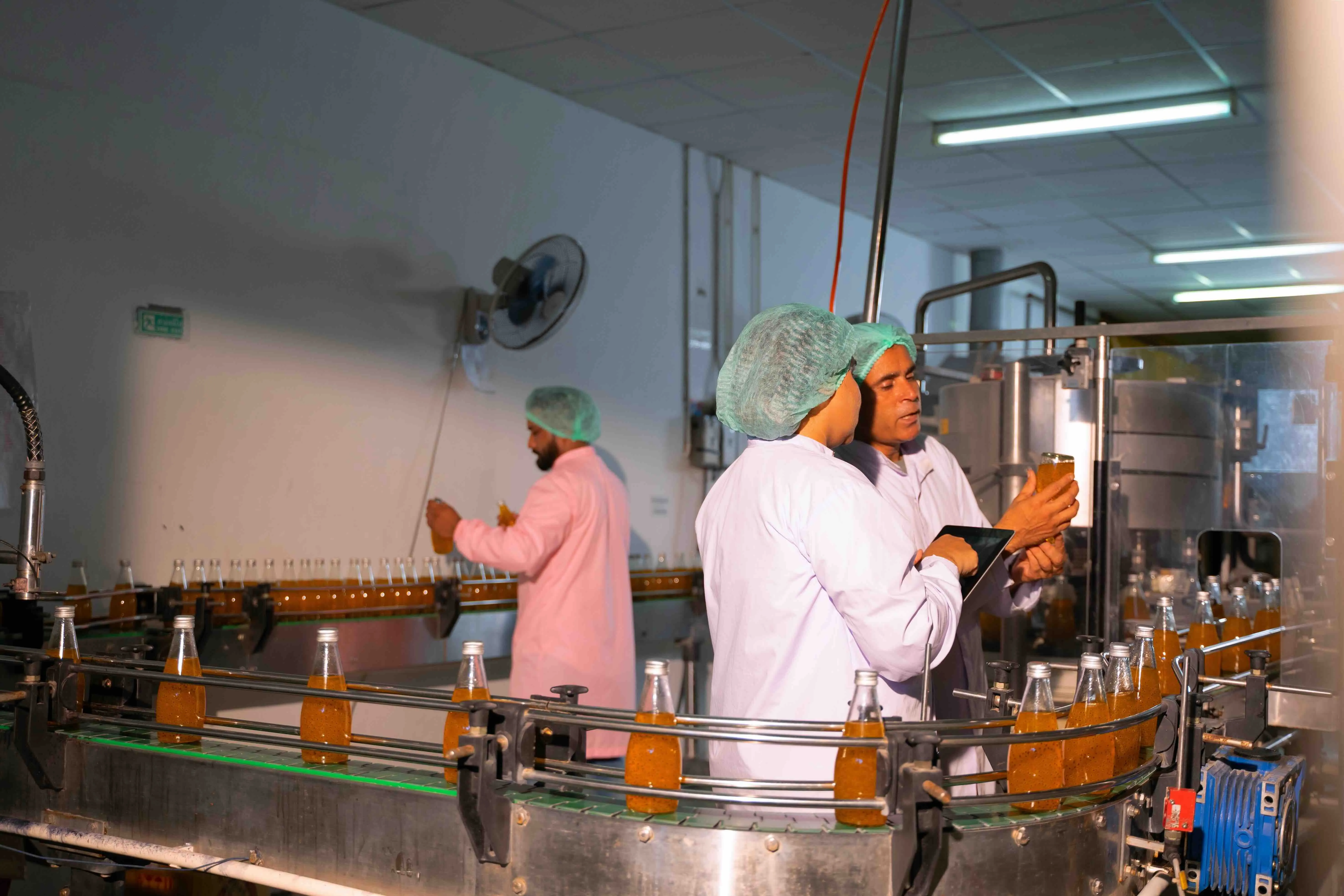
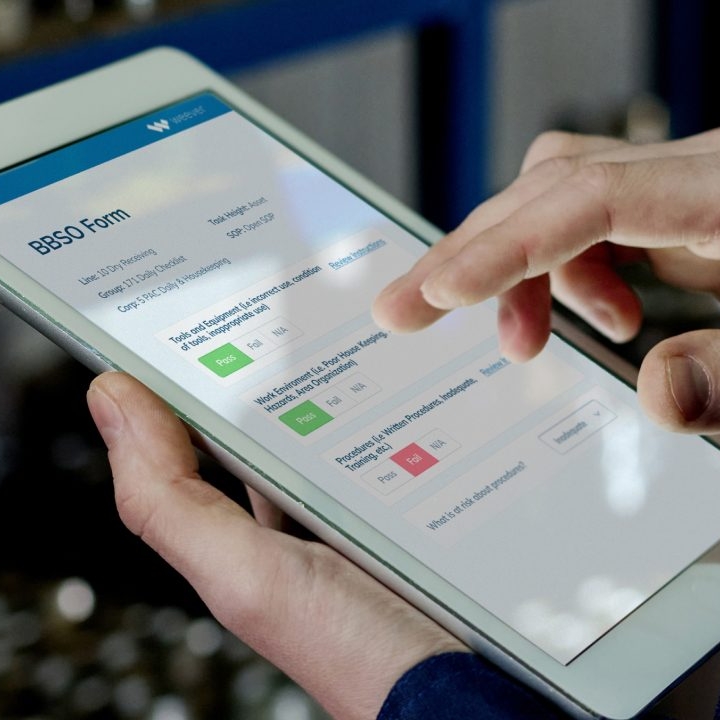
Effective defect management starts with quick and accurate detection. Weever's intuitive interface is designed with operators in mind, making it easy for them to identify and report abnormalities or defects without disrupting their work.
Operators on the floor are often the first to notice potential issues, yet traditional reporting systems can be cumbersome, slowing down detection times, and allowing small issues to go unaddressed. Weever solves this by providing a user-friendly platform that minimizes the time needed to log defects. The streamlined interface allows operators to report abnormalities or quality issues with minimal clicks, ensuring that details reach the relevant teams in real time.
This ease of use reduces the risk of defects being overlooked and helps operators feel more comfortable and confident in reporting issues. With Weever, identifying a defect becomes a simple, standardized process that seamlessly fits into the production workflow.
Automated Defect Management: Streamlining Workflows and Action Items
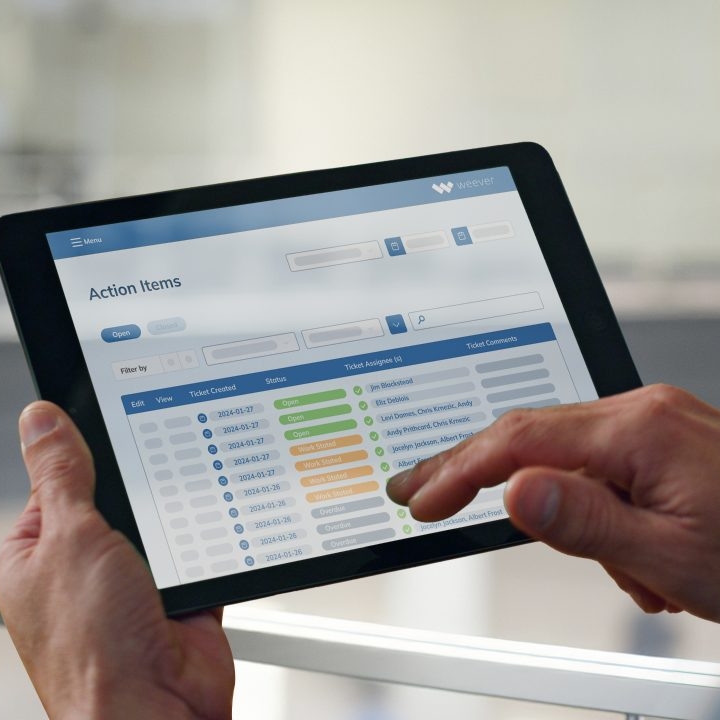
Identifying a defect is only the beginning; the real challenge lies in ensuring that each issue is addressed swiftly and effectively. Weever's solution automates the defect management process, assigning action items and tracking each step's progress, ensuring that no defect slips through the cracks.
Once a defect is reported, Weever automatically triggers a series of actions based on pre-configured workflows. These workflows specify who is responsible for each step in the process, from assessment to resolution, and notify relevant team members as needed. Each action item is tracked within Weever's system, allowing supervisors to monitor progress in real time. This automation eliminates the need for manual task assignments, reducing the likelihood of human error and ensuring consistent responses to each defect.
Weever's automated workflows also help standardize defect management across the organization, so every operator, technician, or manager knows the correct procedures to follow. With Weever, manufacturers can confidently manage abnormalities and defects with speed and consistency, reducing the risk of recurring issues or extended downtime.
Real-Time and Data-Driven Decision-making for Proactive Management
In addition to detecting and addressing individual defects, understanding broader patterns is key to preventing future issues. Weever's real-time reporting and data analysis features empower manufacturers to identify trends in abnormalities and defects, enabling proactive management.
Weever's platform continuously gathers and analyzes data on reported defects, providing insights into the underlying causes of recurring issues. For instance, if a particular machine frequently malfunctions or if specific product lines exhibit higher defect rates, Weever's data-driven insights allow manufacturers to identify these patterns and address them proactively. Armed with this information, teams can make informed decisions on preventive maintenance, equipment upgrades, or process adjustments to eliminate the root causes of defects.
Real-time reporting further enhances Weever's effectiveness, as abnormalities are flagged the moment they're reported, allowing teams to react immediately. This instant reporting minimizes the risk of production delays by ensuring that all personnel are alerted to potential issues as soon as they arise. By combining real-time insights with historical data, Weever enables manufacturers to take both immediate action and long-term preventive measures, enhancing overall quality and efficiency.
Weever's Seamless Implementation for Consistent Abnormality and Defect Management
For manufacturers with multiple facilities or large-scale operations, consistency in defect detection and management processes is critical. Weever's streamlined rollout methodology is designed to ensure that manufacturers can implement defect detection and management systems across facilities with ease and efficiency.
Weever's rollout process is structured to minimize disruption to ongoing operations. Manufacturers receive comprehensive training and resources to support a smooth integration of the platform, allowing teams to start using Weever quickly. The platform is adaptable to various production environments, making it ideal for organizations with complex workflows or multiple locations. By establishing uniform procedures for defect detection and management, Weever helps ensure that every facility or team operates under the same high standards.
With this consistent approach, manufacturers can confidently monitor and manage defects across all areas of their operations, fostering a culture of continuous improvement and quality control.
Weever: A Comprehensive Solution for Effective Abnormality and Defect Management
In manufacturing, the ability to detect and manage abnormalities and defects quickly and accurately is essential for maintaining product quality, minimizing waste, and ensuring operational efficiency. Weever software offers a comprehensive solution that simplifies each stage of the defect management process. From its easy-to-use interface to its automated workflows, real-time insights, and structured rollout methodology, Weever provides manufacturers with the tools they need to detect, manage, and prevent defects effectively.
Weever not only helps manufacturers address individual abnormalities but also supports a proactive approach to quality control, allowing teams to anticipate and mitigate potential disruptions before they impact production. With Weever, manufacturers gain more than just a defect management tool; they gain a partner in quality assurance, enabling them to maintain the highest standards and drive continuous improvement across their operations.
In a sector where precision and reliability are paramount, Weever's defect detection and management capabilities are an asset for any manufacturer committed to excellence. By turning real-time data into actionable insights and automating response workflows, Weever empowers manufacturers to stay ahead of potential issues, optimizing productivity and ensuring consistent quality every step of the way.
Contact Weever for a demo and discover how our software helps you manage defects.
Request more information Preview modal-
Request more information
Please tell us a bit about yourself so we can tailor our response and get you the information you need.
Continue Reading
Boost Your Manufacturing safety with Proactive Measures
How Proactive Measures Can Lead to Cost Savings in Manufacturing

How to be more proactive about safety

How to implement a proactive safety program into your facility

Proactive Measures for Ensuring Compliance in Regulated Industries

Proactive Measures in Manufacturing: Leveraging Weever Software for a Safer Workplace
The Importance of Proactive Measures in Manufacturing Operations
The Power of Proactive Measures in Preventing Equipment Failure

"Having cloud-based forms on devices around the facility makes them so much more accessible, which makes it painless for operators to quickly provide a report."
Johanna Velez, VP Quality Assurance


"Weever is really user friendly and will have a massive positive impact on our operations and training team."
Mel Cadle - Op Ex Lead Process Engineer



.webp)

Spend Less Time on Admin. More Time Improving Operations.
See how Weever automates data entry, reporting, and action items so you can focus on improvement not admin.