
Kamishibai Lean: A Practical Guide
.avif)
Table of contents

Share:


Are you looking for a practical, visual way to manage tasks, track progress, and foster a culture of continuous improvement within your team? Kamishibai boards, a key element of kamishibai lean, offer a powerful solution. This time-tested method, originating in Japan, provides a structured framework for managing routine checks, audits, and standard work processes. By visualizing workflows and using a simple red-green card system, Kamishibai boards make it easy to identify bottlenecks, deviations from standard procedures, and areas for improvement. In this comprehensive guide, we'll explore the origins and principles of Kamishibai, provide a step-by-step guide for implementation, and share best practices for conducting effective audits. We'll also discuss how digital Kamishibai solutions are revolutionizing lean manufacturing, offering enhanced functionality and broader applications across various industries.
Key Takeaways
- Visualize and manage tasks effectively with Kamishibai boards: This simple system helps teams track progress, maintain accountability, and ensure adherence to standard procedures, especially for routine checks and audits.
- Implement Kamishibai strategically for optimal results: A structured approach, from planning and training to consistent use and regular review, is key. Address deviations promptly and integrate Gemba walks to maximize effectiveness. Consider digital solutions for enhanced functionality.
- Extend Kamishibai's benefits across your organization: The principles of visual management and continuous improvement apply to various industries and processes. Foster team engagement and address implementation challenges to streamline operations and drive efficiency.
What is Kamishibai in Lean Manufacturing?
Kamishibai is a visual management tool used in Lean manufacturing to communicate important processes and performance metrics. Think of it as a scheduling and tracking system that helps teams stay organized and ensures everyone is on the same page. It’s a simple but powerful way to manage tasks, track progress, and drive continuous improvement.
Origins and Purpose
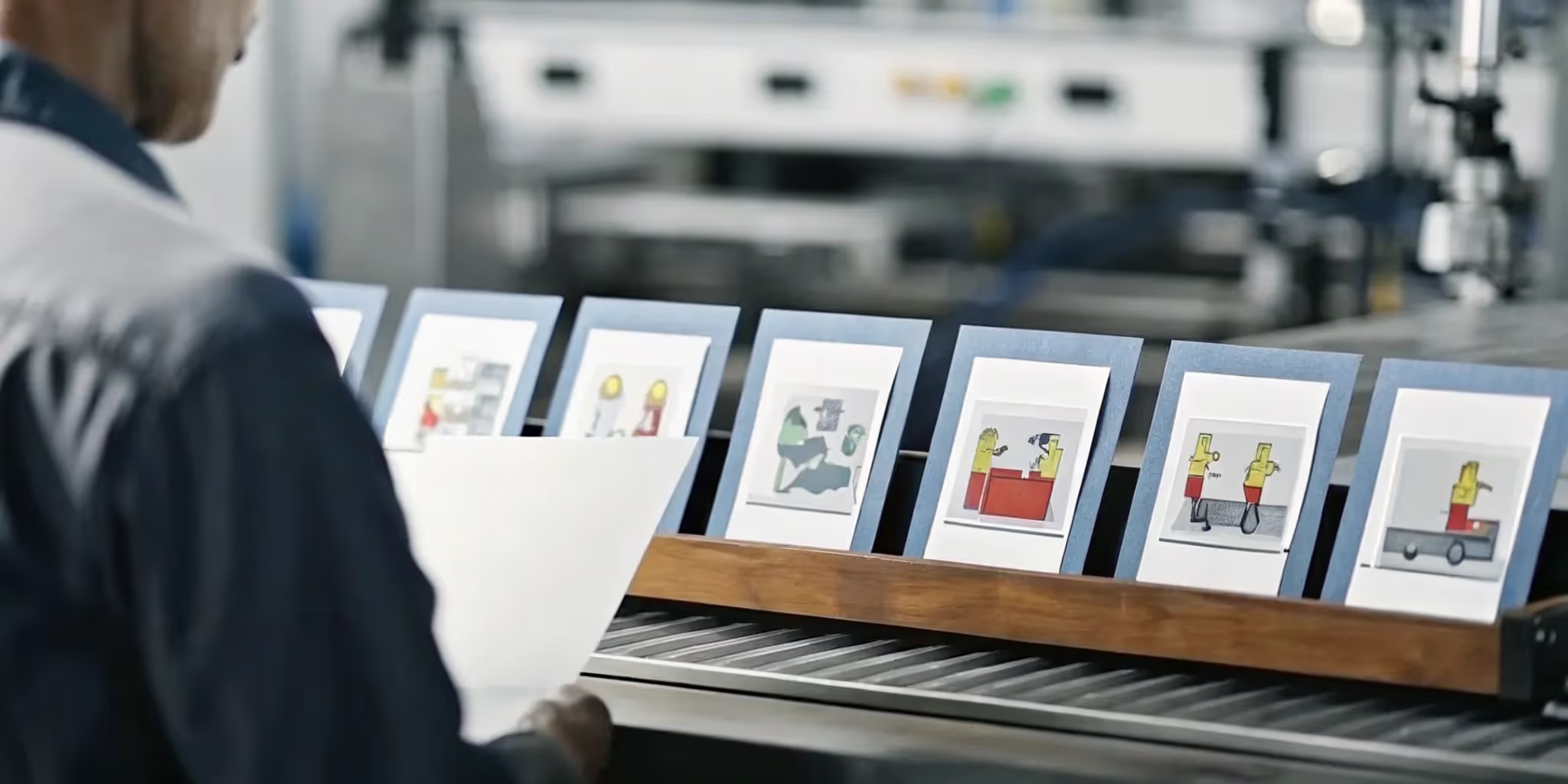
Originating in Japan, Kamishibai boards were initially used to schedule and track key work routines and tasks within the Toyota Production System (TPS). These boards quickly became a vital tool for manufacturers looking to implement lean principles. The purpose of Kamishibai is to provide a clear, visual representation of work processes, making it easy to identify potential bottlenecks, deviations from standard work, and areas for improvement. This visual approach helps teams quickly understand their responsibilities and track progress towards goals.
Key Components
Kamishibai boards are visual control systems designed to manage tasks and ensure standard work processes are followed. They offer a straightforward way to track progress using a simple red-green card system. The red side of the card indicates an incomplete task, while the green side signals completion. This visual system makes it easy for team members to see what needs to be done and quickly assess the status of each task. By structuring task allocation and sequencing, Kamishibai boards support the principles of lean manufacturing by minimizing waste and improving workflow. This ultimately contributes to a more efficient and productive work environment.
How Kamishibai Boards Work
Kamishibai boards act as a visual control center for your team's tasks and processes, ensuring everyone stays informed and aligned. Think of it as a dynamic schedule, clearly showing what needs to be done, who's responsible, and associated deadlines. This visual clarity makes it easy to spot potential bottlenecks or areas for improvement.
Set Up a Kamishibai Board
Setting up a kamishibai board is straightforward. You'll need a physical board—a whiteboard, magnetic board, or even a designated wall space. Organize the board with clear headings for different areas, shifts, or teams. This structure makes it easy to see the workflow at a glance. Each task or process is represented by a card placed in a designated spot on the board. This physical layout supports lean principles by minimizing wasted time and improving the overall flow of work.
Types of Cards
The cards themselves are the core of the kamishibai system. Typically, they're double-sided, with one side red and the other green. Red indicates an incomplete task, while green signals completion. This simple visual cue makes it easy to track progress and identify any roadblocks. Beyond the basic red-green system, you can customize cards to include more detailed information, such as task descriptions, deadlines, and assigned personnel.
Visual Management Techniques
Kamishibai boards leverage visual management techniques to make complex processes easily understandable. The red-green card system provides an immediate overview of task status, allowing managers to quickly assess progress during their Gemba walks. This visual system enhances accountability and ensures that standard work processes are followed, reducing compliance issues. By visualizing data in this way, kamishibai boards help workers quickly identify variations in the production process, enabling timely intervention and continuous improvement.
Benefits of Kamishibai in Lean
Kamishibai boards offer several advantages for lean manufacturing, boosting efficiency, transparency, and continuous improvement efforts. Let's explore some key benefits:
Improve Operational Efficiency
Kamishibai boards are visual control tools designed to streamline processes and improve operational efficiency. By clearly structuring task allocation and sequencing, these boards minimize waste and improve workflow. They provide a visual representation of the standard work process, ensuring everyone understands their responsibilities and the order of operations. This structured approach helps reduce errors, prevent delays, and optimize resource utilization, ultimately leading to smoother, more efficient operations. Think of it as a visual checklist that keeps everyone on the same page and helps identify bottlenecks quickly. This visual management system contributes significantly to minimizing waste, a core principle of lean manufacturing.
Enhance Communication and Transparency
Kamishibai boards significantly enhance communication and transparency within a team. The simple red-green card system provides a clear, visual indicator of task status. A red card signals an incomplete task, while a green card indicates completion. This visual cue makes it easy for everyone, from team members to managers, to understand the progress of work at a glance. This visual management system fosters accountability by making task ownership and completion status transparent to the entire team. Managers can easily monitor progress during Gemba walks, quickly identifying any roadblocks or areas needing attention.
Support Continuous Improvement
Kamishibai boards are powerful tools for driving continuous improvement. By visualizing different processes along the production line, managers can identify areas for optimization. The regular review process inherent in the Kamishibai system encourages ongoing evaluation and refinement of standard work. This focus on continuous improvement helps teams identify and eliminate waste, streamline processes, and enhance overall productivity. Kamishibai boards provide a framework for identifying and addressing deviations from the standard, leading to incremental improvements over time. Regularly reviewing the effectiveness of your Kamishibai board and seeking opportunities for improvement is crucial for long-term success. For a deeper dive into how Kamishibai supports visualization in production, explore this resource.
Implement Kamishibai Boards: A Step-by-Step Guide
This section provides a practical, step-by-step guide to implementing Kamishibai boards in your workplace. By following these steps, you can ensure a smooth and successful integration of this valuable lean tool.
Plan Your Kamishibai System
Start by defining the scope of your Kamishibai system. Ask yourself which processes you want to monitor and what specific checks or audits you'll perform. Clearly outlining your objectives and the problems you’re trying to solve will guide your implementation. Consider factors like team size, the frequency of checks, and the type of data you'll collect. This initial planning phase ensures your Kamishibai board aligns with your overall operational goals, equipping your team with the tools they need for success. Just like any successful project, a well-defined plan sets the stage for a successful Kamishibai implementation. Explore Weever's Ultimate Guides for more insights into planning and implementing process improvements.
Design and Create the Board
The design of your Kamishibai board should be clear, visual, and easy to understand. Think about the physical location of the board—it should be highly visible and accessible to everyone involved. Organize the board logically to reflect the workflow you’re monitoring. Use clear labels, color-coding, and visual cues to represent different stages, tasks, or metrics. The goal is to create a visual management tool that quickly communicates the status of each check or audit. Consider a digital Kamishibai board for added flexibility and real-time updates, which can streamline communication and data collection.
Train Team Members
Proper training is essential for the successful adoption of any new system. Explain the purpose of the Kamishibai board, how it works, and the roles and responsibilities of each team member. Provide clear instructions on how to perform checks, record data, and escalate issues. Hands-on training and practice sessions can help team members become comfortable using the board and understand its value. Weever's customer success resources offer support and training materials to help your team effectively use digital tools for continuous improvement.
Conduct Effective Audits
Kamishibai boards are highly effective for conducting regular audits and checks. Establish a clear audit schedule and assign responsibility for each check. Use the board to track the completion of audits, identify any deviations from standard procedures, and document corrective actions. Regularly review the data collected to identify trends, areas for improvement, and opportunities to streamline processes. Learn how other businesses have improved their audit processes and driven continuous improvement with Kamishibai boards through Weever's case studies.
Best Practices for Kamishibai Audits
Effective Kamishibai audits depend on a structured approach, prompt action, and regular checks. These best practices will help you maximize the impact of your Kamishibai system.
Structure Your Audit Process
A well-structured audit process is the foundation of a successful Kamishibai system. Clearly defined roles and responsibilities ensure accountability. Documenting the audit process, including the frequency, scope, and metrics, creates a standardized approach. This structured approach, as highlighted in resources like SixSigma's guide on Kamishibai boards, minimizes waste and improves the flow of information. Consider using a checklist to guide auditors and ensure all key areas are covered during each check. This promotes consistency and thoroughness.
Take Immediate Action on Deviations
Kamishibai audits provide real-time insights into process adherence. When deviations occur, swift action is crucial. Address them immediately to prevent larger issues. Lean Transition Solutions explains how using Kamishibai cards for audits allows teams to quickly identify areas for improvement and address deviations. Assign responsibility for corrective actions and establish a clear follow-up process to ensure issues are resolved effectively and prevent recurrence. This proactive approach helps maintain process control.
Conduct Regular Gemba Walks
Regular Gemba walks are essential for a thriving Kamishibai system. These walks, conducted at the actual place of work, provide firsthand insights into processes and potential issues. Combine Gemba walks with your Kamishibai audits to visually verify adherence to standards. SixSigma emphasizes how Kamishibai boards support Gemba walks by visualizing workflows. Use these walks to engage with team members and gather feedback. Regular Gemba walks ensure your Kamishibai system remains relevant and effective.
Foster Team Engagement with Kamishibai
Kamishibai isn’t just about cards and boards; it’s about people. To fully realize its benefits, you need to foster a culture of engagement and ownership within your team. This ensures the system thrives and contributes to continuous improvement.
Create a Culture of Participation
Kamishibai boards work best when everyone participates. These visual control tools streamline processes and improve operational efficiency by clearly outlining task allocation and sequencing. This structured approach minimizes waste and ensures consistent monitoring and execution of necessary processes, aligning with the core principles of lean manufacturing. When team members understand the “why” behind the system and see their role in its success, they’re more likely to embrace it. Involve your team in the initial setup of the Kamishibai board, including defining the audit process, designing the cards, and establishing the audit schedule. This collaborative approach creates a sense of ownership from the start.
Encourage Input and Feedback
Regularly review the effectiveness of your Kamishibai system and look for ways to improve it. Create a feedback loop where team members can share their observations, suggest changes, and highlight any challenges. This open communication ensures the Kamishibai board remains relevant and adapts to evolving needs. Consider a suggestion box near the board or regular team meetings to discuss the process. Weever’s platform can also facilitate this feedback process by enabling real-time communication and data collection.
Celebrate Improvements
Recognizing and celebrating successes is crucial for maintaining team morale and motivation. When you see positive changes from the Kamishibai system, acknowledge the team’s efforts. This could be a simple verbal acknowledgment or a team celebration. Highlighting improvements, no matter how small, reinforces the system’s value and encourages continued participation. Share success stories and data-driven results during team meetings or company newsletters. Use Weever’s reporting dashboards to track progress and visualize the impact of your Kamishibai implementation. Celebrating wins together builds momentum and fosters a culture of continuous improvement.
Overcome Challenges in Kamishibai Implementation
Implementing a Kamishibai system offers significant advantages, but like any new process, it can present challenges. Proactively addressing these hurdles is key to a successful rollout and long-term effectiveness.
Address Resistance to Change
People are naturally resistant to change. Introducing a new system like Kamishibai can trigger uncertainty and apprehension among team members. Clearly communicating the benefits of Kamishibai, such as increased process visibility and improved teamwork, is crucial. Highlight how it simplifies tasks and reduces errors, ultimately making their jobs easier. Actively involve your team in the planning and implementation phases to foster a sense of ownership and reduce pushback. Weever's platform can streamline communication and provide a centralized hub for feedback, making it easier to address concerns and demonstrate the system's value. See how other companies have successfully managed change with Weever.
Ensure Consistent Use
A well-designed Kamishibai board is only effective if used consistently. Establish clear guidelines and procedures for using the board, including card handling, audit frequency, and follow-up actions. Regularly review the system's effectiveness and make adjustments as needed. Integrating Kamishibai with a digital platform like Weever can automate reminders, track progress, and provide real-time data, ensuring consistent execution and accountability.
Manage Information Overload
While Kamishibai promotes transparency, too much information can become overwhelming. Focus on the most critical information and avoid cluttering the board with unnecessary details. Use clear and concise visuals and organize cards logically to facilitate quick understanding. Weever's document management features can help streamline information flow and ensure teams access only the most relevant data, preventing information overload and promoting efficient audits. See how our ROI calculator can demonstrate the value of streamlined processes.
Kamishibai vs. Other Lean Tools
Compare Kamishibai and Kanban
While both valuable tools in Lean manufacturing, Kamishibai boards and Kanban boards serve distinct purposes. Kanban boards visualize workflow, highlighting bottlenecks and promoting transparency. They track work items from beginning to end, providing a clear picture of project status. Think of a Kanban board as a project management tool, showing the flow of tasks. In contrast, a Kamishibai board, using its color-coded card system, focuses on ensuring routine tasks—like quality checks or safety audits—are performed consistently. Kamishibai boards act as a checklist to verify essential activities are completed. The red-green card system clearly signals whether a task is pending or finished, providing immediate visual confirmation. This distinction makes Kamishibai particularly effective for managing recurring checks and procedures, while Kanban excels at managing project workflows. Learning more about Kamishibai boards will help you choose the right tool.
Integrate Kamishibai with Existing Lean Practices
Kamishibai boards aren't meant to replace your existing Lean tools; they enhance them. They seamlessly integrate with other Lean practices, contributing to a more robust and effective system. For example, you can use Kamishibai to support 5S audits, ensuring workplaces are organized and standardized. Similarly, they can reinforce Behavior Based Safety programs by providing a visual checklist for safety procedures. By incorporating Kamishibai into your current Lean manufacturing strategy, you create a multi-layered approach to continuous improvement. Regularly review the effectiveness of your Kamishibai system and look for ways to refine it. Continuous improvement is key to maximizing the benefits of any Lean tool. Consider using a digital solution like Tulip to streamline data collection and further automate your processes, connecting your Kamishibai board with real-time information from your operations. Weever can also help digitize and automate your Kamishibai checks, providing real-time insights and facilitating team collaboration. Learn more about how Weever supports continuous improvement initiatives and explore our customer success stories.
The Future of Kamishibai in Lean
While the traditional Kamishibai board with its physical cards remains a valuable tool, the future of Kamishibai leans toward digital solutions. These digital tools offer enhanced functionality and broader applications across various industries.
Digital Kamishibai Solutions
Traditional Kamishibai boards, while effective, have limitations. Managing physical cards can be cumbersome, especially for large organizations or complex processes. Recognizing these limitations, many manufacturers are adopting digital solutions. Software platforms designed for layered process audits offer greater efficiency and scalability compared to manual methods. A digital system streamlines everything from scheduling audits and tracking progress to documenting findings and generating reports. This shift to digital not only simplifies administration but also improves process visibility and allows for real-time data analysis. Platforms like Tulip enable manufacturers to create an ecosystem of applications, automating data collection across various shop floor activities. This integration of data empowers businesses to make more informed decisions and drive continuous improvement efforts. Weever, with its focus on connecting frontline workers and automating tasks, offers a robust platform for managing digital Kamishibai audits, including features for photo and video capture, eSignatures, and real-time reporting dashboards.
Expand Applications Across Industries
Kamishibai's principles of visual management and process control extend beyond manufacturing. While its roots lie in the Toyota Production System, the core concepts of Kamishibai—standardized work, regular audits, and continuous improvement—are applicable across diverse sectors. From healthcare and hospitality to construction and education, any industry that relies on structured processes can benefit from implementing Kamishibai methodologies. In healthcare, for example, Kamishibai boards can be used to manage safety checklists or track patient rounds. In construction, they can help ensure adherence to building codes and safety regulations. The flexibility of Kamishibai allows it to adapt to various needs, making it a versatile tool for improving operational efficiency and communication. For more insights into how Weever supports various industries, check out our customer success stories.
Related Articles
- What is Lean Manufacturing? | Weever
- 5S Audits: Boosting Efficiency in Lean Manufacturing | Weever
- Top 5S benefits for manufacturing companies | Weever
- Autonomous Maintenance in World Class Manufacturing | Weever
- Exploring Autonomous Maintenance: A Comprehensive Guide | Weever
Frequently Asked Questions
What exactly is a Kamishibai board? It's a visual scheduling and tracking system used in Lean manufacturing to manage tasks and ensure standard work processes are followed. It's a simple way to see what needs to be done, who's responsible, and when it's due, using a red-green card system to show progress. Red means incomplete, green means done.
Why should I use Kamishibai boards instead of a to-do list or software? Kamishibai boards offer a highly visual and collaborative approach to task management. The physical board, with its color-coded cards, provides an at-a-glance overview of work status, making it easier to spot potential bottlenecks and keep everyone on the same page. This visual aspect is especially helpful in busy work environments where quick communication is key. While software and to-do lists can be useful, they often lack the immediate visual impact and collaborative nature of a Kamishibai board.
How do I get my team on board with using a Kamishibai system? Start by clearly explaining the purpose and benefits of the system, emphasizing how it can simplify their work and improve team communication. Involve your team in setting up the board and defining the audit process. This creates a sense of ownership and encourages active participation. Early successes with the system, even small ones, should be acknowledged and celebrated to build momentum and reinforce its value.
Is Kamishibai only for manufacturing companies? Not at all! While it originated in manufacturing, the principles of Kamishibai – standardized work, regular checks, and continuous improvement – can be applied to any industry that relies on structured processes. Think healthcare, hospitality, construction, even education. Anywhere you have routine tasks or procedures that need to be consistently performed, Kamishibai can be a valuable tool.
Are physical Kamishibai boards outdated? Should I go digital? Physical boards are still useful, especially for smaller teams or simpler processes. However, digital Kamishibai solutions offer several advantages, including automated reminders, real-time data analysis, and easier reporting. Digital platforms can also integrate with other systems, streamlining information flow and enhancing overall efficiency. Consider your specific needs and resources when deciding whether a physical or digital system is right for you.

.webp)

Spend Less Time on Admin. More Time Improving Operations.
See how Weever automates data entry, reporting, and action items so you can focus on improvement not admin.