
Manufacturing Managers Are Underutilized

.avif)
Table of contents

Share:


Manufacturing Managers Are Underutilized
Feb 3, 2026 - Steve McBride
Can you imagine a safety, quality, sanitation, or continuous improvement (CI) manager earning an average North American salary of $100,000, spending 20-80% of their day manually entering data from paper into Excel, building spreadsheets, or assembling reports with charts and graphs?
Is this really the best use of their time?
These roles exist to manage and improve critical areas of a manufacturing operation. Safety managers are tasked with reducing incidents. Quality managers work to minimize defects and ensure compliance. Sanitation managers must ensure cleans are executed properly and meet regulatory standards. CI managers look across the entire facility for opportunities to reduce waste, improve productivity, address maintenance issues, and drive operational excellence.
These are highly strategic, analytical roles. When done well, they create tremendous value for the organization.
Yet far too often, these talented managers are bogged down with administrative work. Instead of leading teams and driving improvement, they spend their days buried in paper, spreadsheets, and disconnected data sources-trying to assemble reports that explain what already happened. By the time the report is finished, the data is often outdated and no longer actionable. This creates a self-reinforcing cycle that limits progress and frustrates everyone involved.
These managers were never meant to be Excel administrators or paper processors. They are meant to be change agents-leaders who drive safer, higher-quality, more productive operations.
So why does this persist?
Why are so many manufacturing operations still relying on paper? For many companies, the barriers feel significant. There are concerns about change management, limited internal resources, and the risk of disrupting compliance with OSHA, ISO, FDA, or other regulatory requirements. There is also a common fear in the digital age: What if the data is lost?
As a result, many manufacturers remain stuck in manual processes. In fact, multiple industry studies suggest that roughly 60% of manufacturing companies still rely on paper and spreadsheets to collect data on the factory floor.
The shift to digital changes everything.
Once data is captured digitally, it becomes immediately accessible and usable. Managers gain real-time visibility into safety, quality, sanitation, and operational performance. Instead of reacting to issues after the fact, teams can be proactive. KPIs improve faster because insights are available when they matter-not weeks later.
The result is better safety performance, stronger compliance, fewer defects, and higher productivity.
Now imagine a manufacturing environment where safety, quality, and operational data is available in real time. No paper to collect. No spreadsheets to build. No digging through files to find critical information. The insights are simply there.
In this environment, managers can focus on what they were hired to do: lead their teams, identify opportunities for improvement, and drive meaningful change. With digital data supporting continuous improvement, it becomes possible to fundamentally change the trajectory of a department-and the facility as a whole.
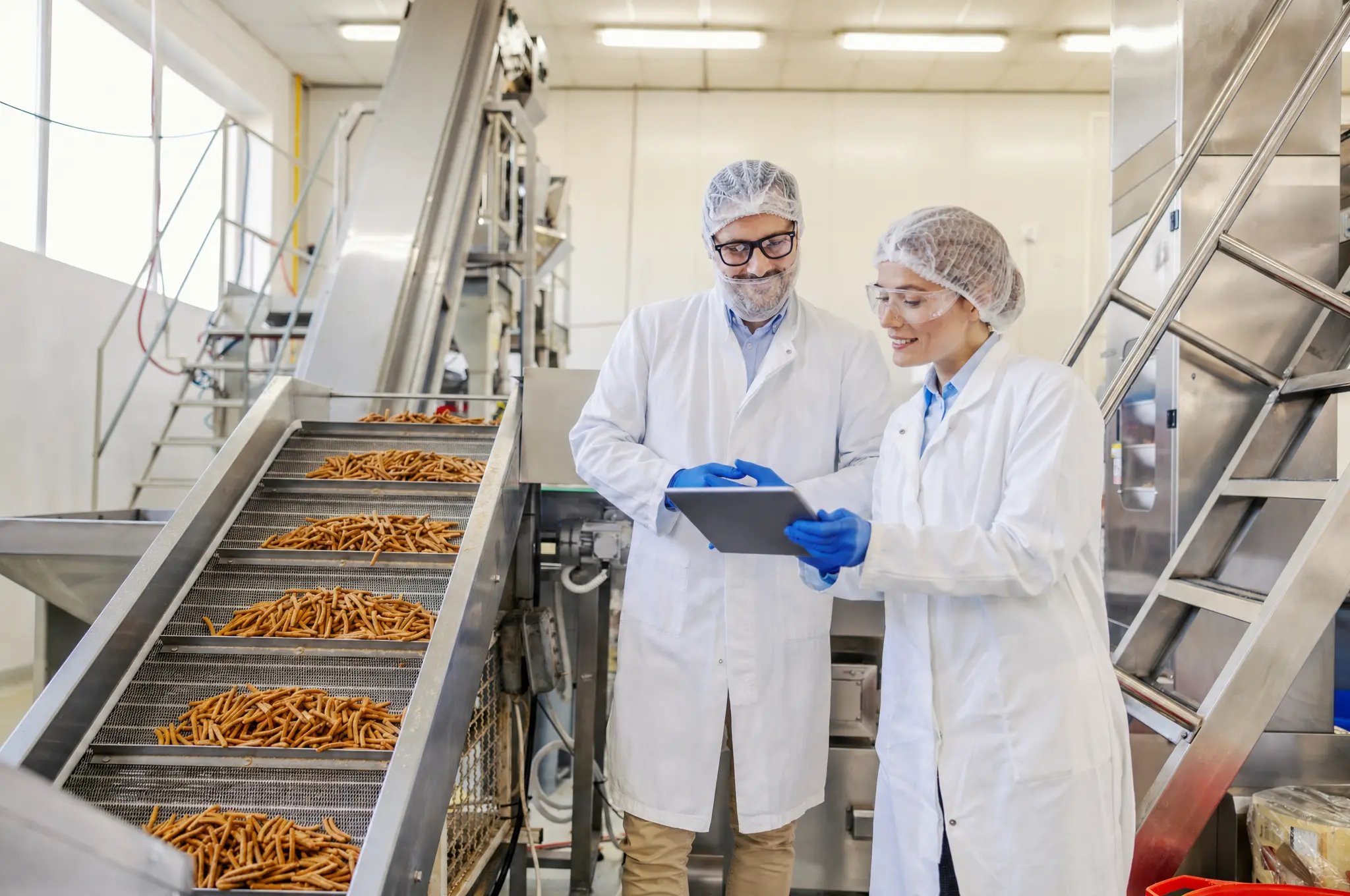
There are cultural benefits as well. Teams are more engaged. Operators feel empowered using modern tools instead of clipboards. Managers feel valued because their time is spent on high-impact work rather than administrative tasks. These changes often translate into measurable financial results, with manufacturers seeing six or seven-figure improvements per site within the first year.
Manufacturers using Weever have documented double-digit reductions in safety incidents, faster audit preparation, and significant decreases in quality nonconformances, enabled by real-time visibility and standardized digital workflows.
The Next Level
Digitizing the factory floor also unlocks the next stage of operational improvement: AI.
Why? Because digital systems create structured, accessible data-the foundation required to apply AI in a meaningful way.
In my next article, I'll explore how AI can support frontline operators and deliver measurable improvements to your bottom line.
.webp)

Spend Less Time on Admin. More Time Improving Operations.
See how Weever automates data entry, reporting, and action items so you can focus on improvement not admin.