
Playbook for Digitizing Quality Checks at your Mars Facility
.avif)
Table of contents

Share:


MARS Playbook
Digitizing Quality Checks
Everything you need to know to transform your facility's quality checks from paper to Weever Process.
Executive Summary
Mars Yorkville is a "lighthouse" facility in North America, which means they are empowered to trial new innovations and report best practices to other sites. Due to several challenges with startup and quality check paperwork, Yorkville decided to try Weever Process, an FDA compliant software platform, to digitize the process.
This report outlines the facility's experience with Weever Process, including the original situation, the program implementation, key learnings and results.
Weever is currently working with Mars to roll out Weever Process across all Mars Wrigley sites in North America.
Weever is a Canadian-based Operations Management software company that believes each individual on the manufacturing floor should be empowered to make a positive impact.
Weever has a Global Master Services Agreement (MSA) with Mars including a full security review that is in good standing and has been a Mars partner since 2017.
The Weever platform is used at Mars facilities globally to enable associates, capture operational data, manage improvement workflows and automate reporting.
Some highlights of this report include:
- Quality Checks 400% Faster - Reduced individual quality check time from 5-7 mins to 1-2 minutes. This represents a 4-5 hours savings in time per line/day)
- Eliminated PCQI Holds - Reduced PCQI Holds from 1-2 to 0 per period. This represents a potential annual savings of over $200K USD.
- Saved Quality Team 1.5 hours per day - Quality paperwork review time was reduced by 30-40 minutes for each shift.
Key Report Contributors
Thank you to those who provided their valuable time and insights to bring this report to life. Weever interviewed each of the below stakeholders on-site at Yorkville.
- John Junas, Regional CI Digital Engineer, Mars North America
- Christiana Isokpehi, CI Engineer, Mars Yorkville (YRV)
- Elba Perez, Associate, Mars Yorkville (YRV)
- Graciela Flores (aka Chella), Lead Associate, Mars Yorkville (YRV)
- Michael O-Keeffe, Quality Manager, Mars Yorkville (YRV)
- Urszula Augustyn, Associate Scientist Value Stream, Mars Yorkville (YRV)
- Rich O'Connor, Continuous Improvement Specialist - Skittles Packaging, Mars Yorkville (YRV)
About Weever Process
Weever Process is an FDA 21CFR Part 11, CFIA and EU Annex compliant digital data capture platform specifically designed to manage batch records, equipment checklist, HACCP compliance, and quality checks for CPG manufacturers.
As an FDA compliant platform, Weever Process provides comprehensive audit trails and FDA compliant digital signatures. Weever Process makes it easy to set up your processes to suit your requirements, execute checks and approvals, maintain comprehensive audit trails and automate KPI reporting.
The Situation
When John Junas started as CI Digital Engineer at Yorkville, a major part of his role was to eradicate paper from the facility by the end of 2024. Yorkville is a lighthouse facility for Mars, which means that they are tasked with trialing new innovations.
Yorkville had already digitized most of its operations using Weever, however, quality checks were still paper-based. As an FDA-regulated process, digitizing quality checks required software that contained features that were validated for FDA audits, including comprehensive audit trails, digital signatures and strict security measures.
John reviewed many software vendors and chose Weever because their existing Process product contained all of the required features.
Before implementing Weever Process, Mars Yorkville was using Weever Forms and Weever Inspections for over 3 years to drive MSE requirements. Weever is used by Yorkville for use cases like FMOS, 5S auditing, behavior based safety observations, and many more.
Issues with Paper Forms
Mars Yorkville was encountering significant issues with the paper forms they were using to enable quality defect checks. Each check took 5 to 7 minutes on average to complete, which was considered too long because it distracted the associates attention away from the production line. With 16 checks per shift, over 3 shifts and 9 lines, quality defects took up to 50 hours of associate time to complete per day.
Other notable issues with paper forms included:
- Illegible handwriting on forms that required time to correct
- Approval process required each form to be manually collected from each line, manually reviewed and signed off
- Document storage and retrieval (for audits) was inefficient
- Forms were lost at times, which could be an issue for auditing
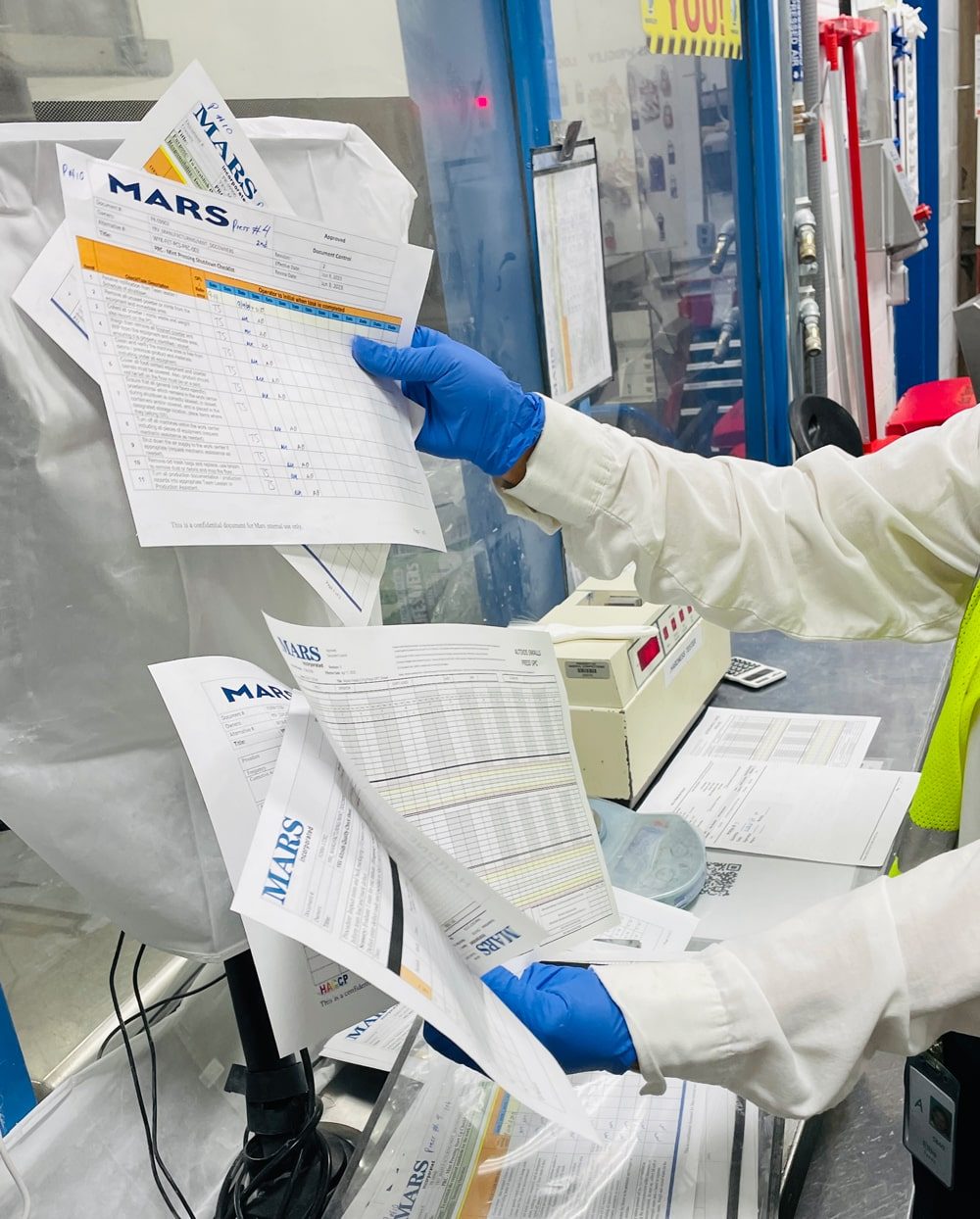
Mars Yorkville Quality Check Paperwork
Missed Checks
Quality checks were required to happen on a regular interval, usually every 30 minutes, 1 hour or 2 hours. Associates used a clock at the line's workstation to remind them when checks are due.
There were no safeguards in place to stop associates from adding checks after they were due. Falsification of documentation was a possibility and this could impact continuous improvement, metrics and regulatory compliance.
Mars Yorkville leadership wanted not only the paperwork, but also the process it represented, to be compliant.
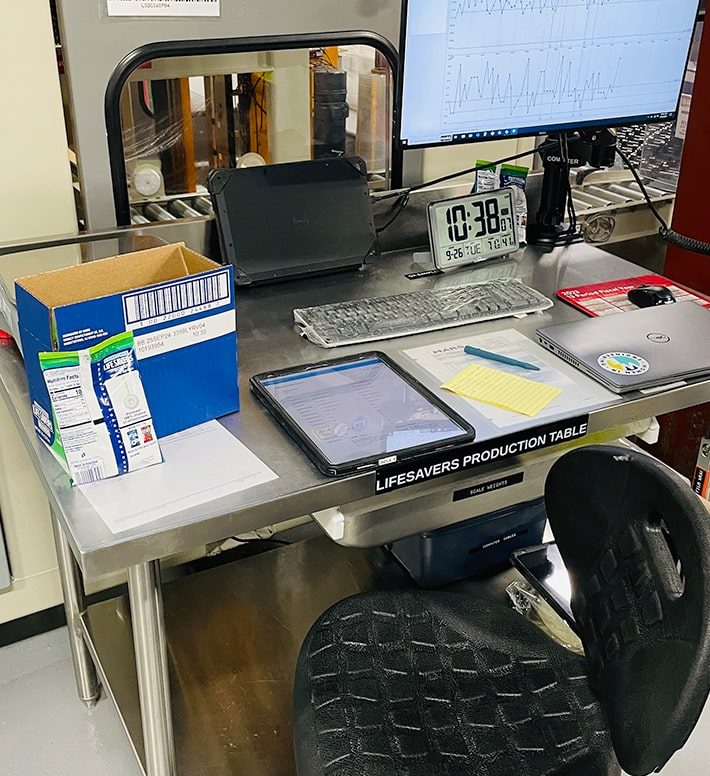
Associates would use the clock on the production table to determine when to do checks.
Document Management Costs
Mars Yorkville also wanted to reduce document management and storage costs associated with quality checks.
Their process included on-site storage in the QA lab for about 1 year in filing cabinets and a costly offsite pickup, storage, retrieval and destruction process managed by Iron Mountain.
Quality documents are required for the entire lifecycle of the product which could be as long as 5-6 years. The total cost for document management services for quality check documentation is multiple tens of thousands per year.

Physical documents need to be stored onsite and offsite for up to 6 years.
Associate Concerns with Digitization
Although Weever Forms and Inspections were used extensively in the plant prior to the Weever Process launch, unlike quality checks, the use cases did not require associates to complete forms continuously.
Most use cases, like 5S audits, safety inspections and behavior-based safety observations are required to be completed weekly or monthly. The associate leads noted that other associates were scared of the unknown and uncomfortable with their ability to continuously use digital forms to capture data while attending to their production tasks.
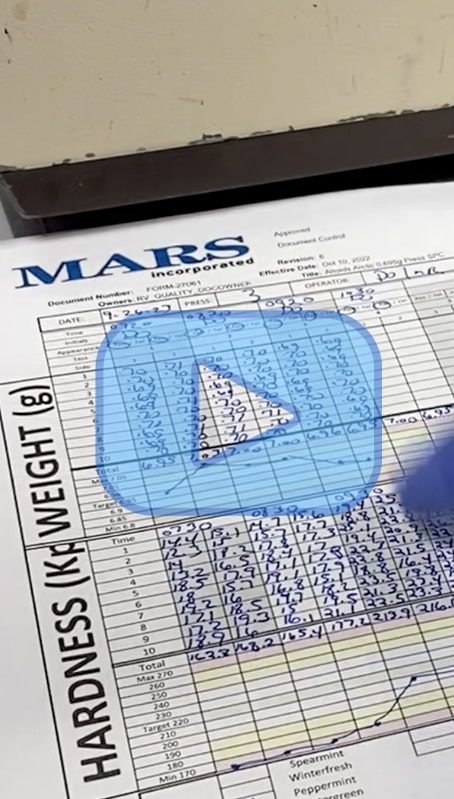
Watch quality checks completed using paper.
The Implementation
Mars Yorkville started the Weever Process trial in March 2022.
The project was led by John Junus, CI Digital Engineer, who worked at Yorkville at the time but is now a Regional Digital Lead.
The project was initiated by a business case. The goal of the trial was to establish best practices on one line with one team and, upon a successful implementation, Weever Process will be rolled out across all production lines within the facility.
Step 1: Write a Business Case
Timeline: 2 weeks
John Junas worked with key stakeholders at Yorkville to create a business case that outlined resource requirements, proposed timeline and expected results.
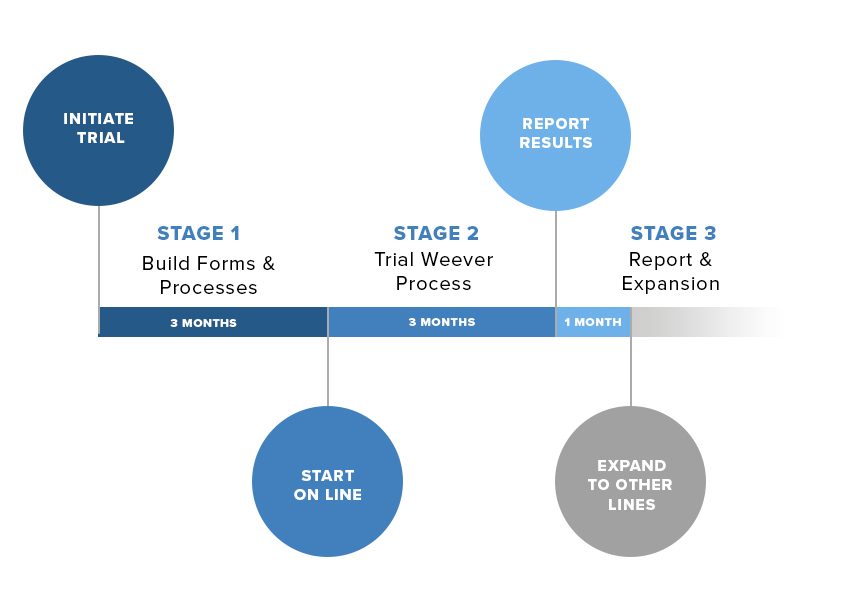
Project Timeline
The project was intended to be executed over 7 months including:
Stage 1: Build forms and processes
- 3 months
Stage 2: Trial Weever Process on one line
- 3 months
Stage 3: Report Findings & Expansion
- 1 month
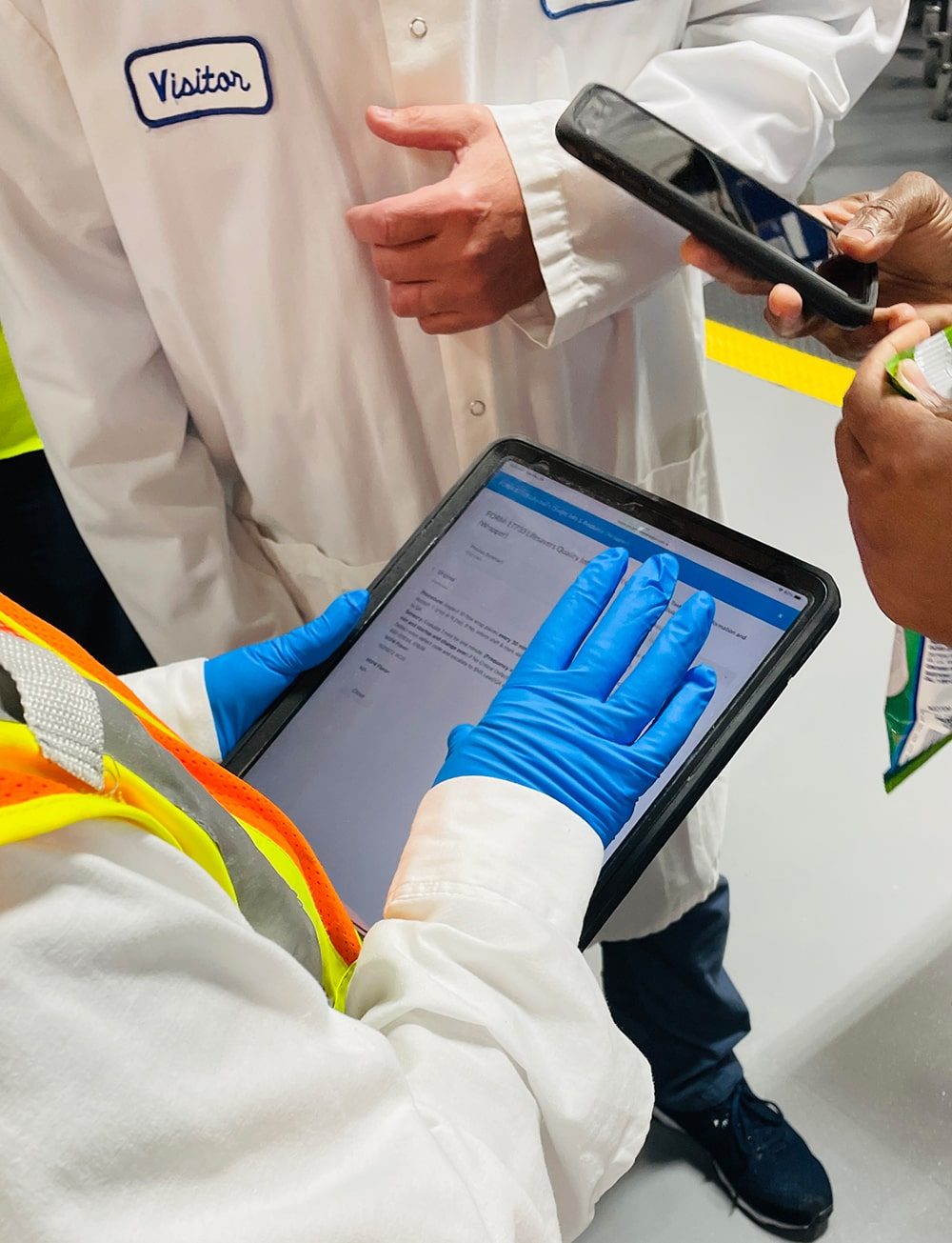
Collaboration is the key to success.
Project Budget & Resource Requirements
- Weever Process annual license to Mars is $18,000/year.
- The project required a full time intern for 3 months to build out the forms and processes under the watchful eye of John Junas.
Quality and CI supervisors needed to be involved in the project to ensure the process was designed correctly to accomplish compliance and improve quality. The project included inputs and information from stakeholders from each of these teams:
- Site Manager - General oversight
- Quality Manager - Ensure digital forms are capturing correct information for quality reporting and FDA compliance
- ASVS (Associate Scientist Value Stream) - Project management and leadership
- CI Digital Engineer - Project management and leadership
- Lead Associate - Provide feedback and work with team during implementation
Starting with Simplest Production Process
They decided to start with the Lifesavers process, because it is a less complex process that involves only one flavor. The Lifesavers production process also uses more equipment, such as palletizers, so associates have more time to capture data.
Involving an Associate Champion
The team decided to build out the solution with an associate champion as part of the team, who could provide practical advice about the process. Chella Flores was chosen because of her naturally positive attitude and leadership within the associate community. When rolling out the solution to the Lifesavers production line during the implementation process, Chella was super helpful in motivating adoption and answering associate questions.
Step 2: Digitizing Forms and Processes
Timeline: 3 months
The team started by using Weever Process to digitize the quality forms. John Junas, Regional CI Digital Engineer, used an intern to transfer the paper forms into digital forms. Under his guidance, the site was able to digitize all production forms into Weever Process in around 3 months.
Digitizing Forms & Processes
To digitize each paper document, Mars Yorkville followed this process:
- Use the Form Builder to digitize the forms
- Photo Capture
- Allow images to tell the story
- Save time and enhance accuracy
- Capture up to 25 photos per submission
- Digital Signatures
- Requirement for FDA compliance
- Lock field submissions
- Automated Calculations
- Preset all calculations based on associate inputs
- Ensures accuracy and saves time
- Photo Capture
- Use the Process Builder to digitize the steps and tasks
- Add steps and tasks including role assignments
- Link tasks to digital forms including specific form fields required to complete the task
- Add recurring task intervals for quality checks
- Use task logic to make tasks required if certain form field conditions occur
Feel free to review a video in the Additional Resources section below that shows how forms are digitized and used from paper to tablet.
Streamlining the Process
During this period, the forms took on multiple formats. The team opted to include all elements of each production process into one single form for each product. As a result, the forms and resulting process templates took the form of a "Shift Report" and included all tasks for the given product, from startup to HACCP checks, to defect checks.
Feedback Loop
During this process it was important to get feedback from each stakeholder, especially the lead associate and associate on the project. Chela was a good critic and provided valuable feedback that was used to optimize the process.
Templates Available
Although each site has a unique process, Yorkville would be pleased to share the forms and processes they built to use as a template for your site.
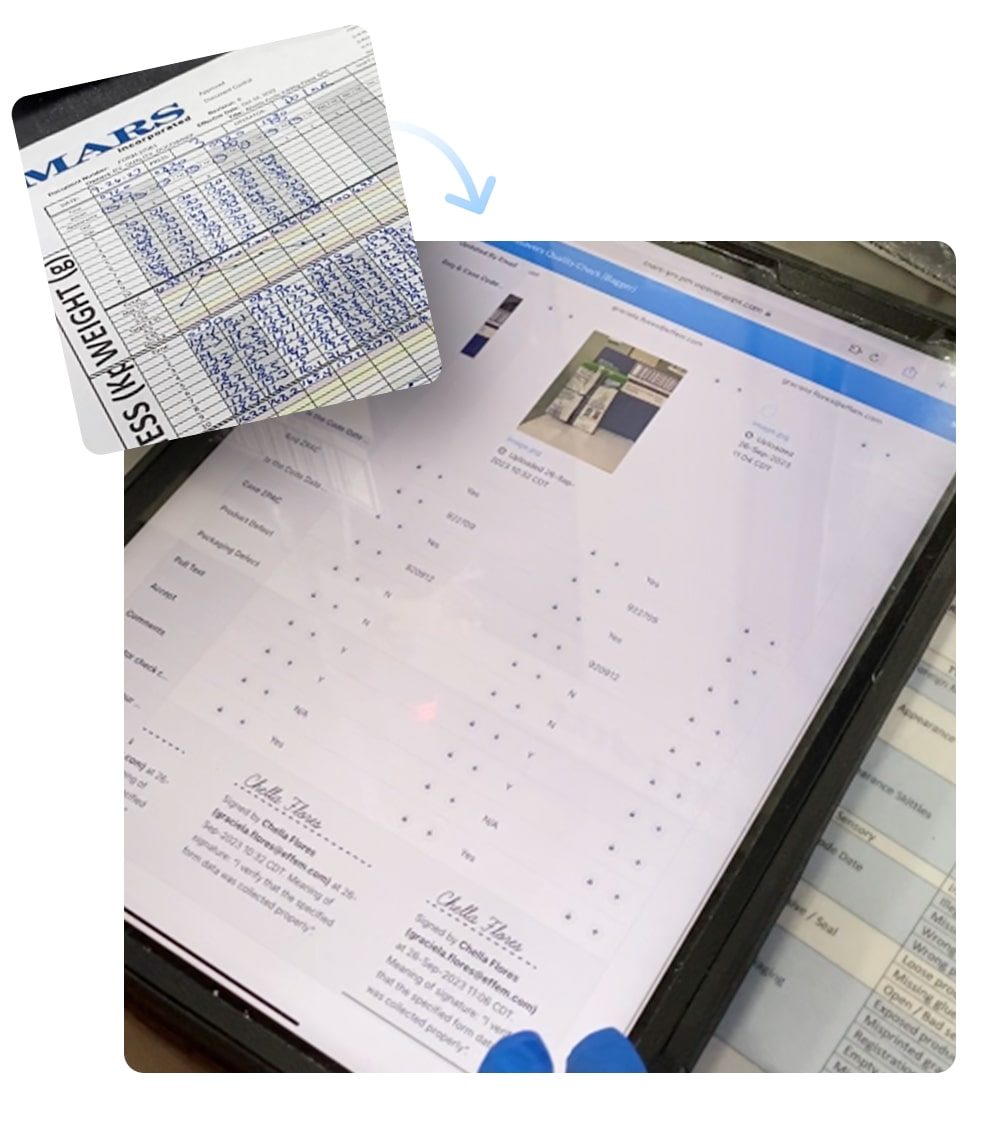
Yorkville completed paper and digital checks concurrently for 2 weeks to ensure accuracy and compliance.
Step 3: Trial
Timeline: 3 months
When the forms were completed, Chela (Associate Lead) trained Elba (Associate Champion) on executing quality checks through Weever Process.
There was a concern that the associate team may be resistant to change. The site was already using Weever Forms and Inspections to manage other MSE initiatives, but exposure to associates was limited.
Complete paper and digital forms at the same time
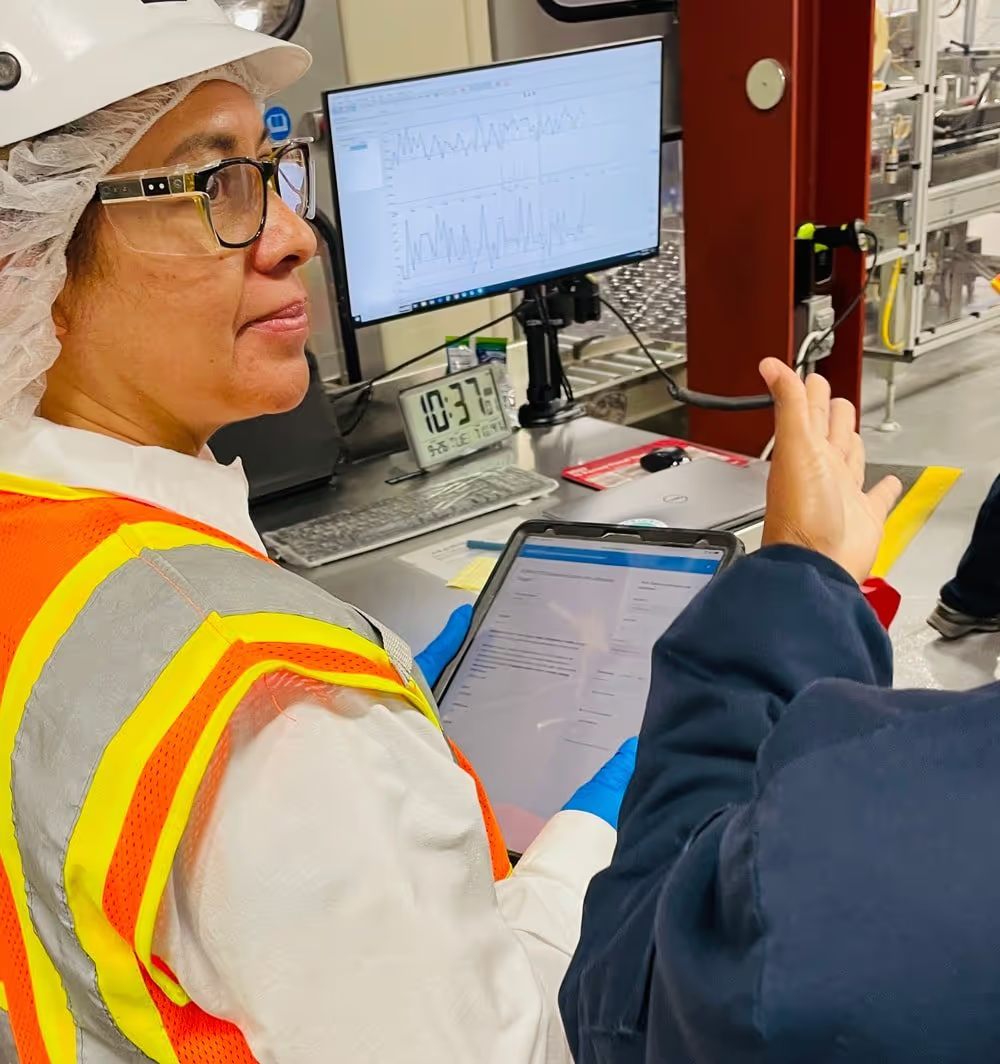
The team took it slow. Christiana (CI Engineer) provided training to the team. Elba approached each associate and asked them to simply try a few quality checks. They were asked to provide feedback.
The team was then asked to complete the paper forms and the digital forms concurrently for 2 weeks. The intent of this was to ensure there was no discrepancy between the paper and digital process. At the end of each shift, quality managers would review the paper forms and the digital process output and provide feedback on areas of improvement.
For the final week of the trial, the paper forms were put away and the team was asked to use iPads and Weever Process only to capture data.
Process Enhancements during Trial
During the trial many subtle enhancements were added to the process based on associate feedback.
For example, the original paper forms required associates to input 3 Date Codes manually, one each for the packaging, the box and the shipper. The original digital form required 3 photos to be captured to confirm Date Codes, one for each of the above. During the trial, associates noticed that they could optimize the process further by putting all 3 together and taking one photo.
Key Learnings
During the rollout, the team identified some key learning that include best practices and potential pitfalls to avoid.
Best Practices
Starting with one line and one team, ensuring appropriate stakeholder ownership and structure and effectively collaboration where key success attributes for the program.
Start Small and Simple
The intent of the trial was to identify issues, establish key learnings and optimize the process before rolling it out to the entire plant. The team started small by incorporating associates slowly at first. They also chose the Lifesavers line because the production process was simpler and more automated with equipment.
CIE Ownership
Project stakeholders recommended that Continuous Improvement Engineers (CIE) should own the project, with support from Quality. The goal of the project was to go paperless.
Collaboration is Key
Creating an interdepartmental team and including associates was instrumental in ensuring a smooth launch. Each stakeholder was encouraged to collaborate and offer improvement suggestions. Getting quality involved early ensures requirements are not missed. Collaboration from associates enhances ownership, which lays the foundation for a smoother transition.
- COP Meeting Involvement: Weever organizes monthly "Community of Practice" online meetings where Mars employees share best practices, issues and workarounds. Involvement is a great way to ensure you are getting the most out of Weever Process.
Potential Pitfalls and Workarounds
Mars Yorkville encountered some issues with internet connectivity and employee resistance to change that were overcome during the implementation.
Bad Internet & Dead Zones
During the trial, there were occasional disruptions in the wi-fi signal. Wi-fi signals can be interrupted by the magnetic fields created by large machines. Also, "dead zones" where access to the internet is limited or non-existant can be caused by a lack of wi-fi extenders.
Yorkville initiated a project to install more wi-fi extenders and other measures to enhance the wi-fi signal to every area of the plant. There are still very occasional issues but the project is considered completed.
Associates keep paper forms on hand in the off chance that there is a wi-fi disruption. In which case, they are instructed to abandon Weever Process temporarily and use the paper forms until access to the internet is established.
Overcoming Resistance to Change
In the beginning, some associates were concerned about the change that the transition to digital forms represented. Some were concerned that the process was "fine" the way it was and this was an example of a process that "ain't broke" so why are we fixing it. The supervisors on the project identified that the underlying concern was that associates would no longer be able to alter check times and they were concerned they would get into trouble more often for missed checks.
To overcome these concerns, the implementation team made a concerted effort to ensure the proposed benefits of the new platform were communicated well to the team. The team made it clear that if checks were missed for legitimate reasons, such as cleaning jams or planned downtime, then that is acceptable and encouraged. There is a place within the form for associates to provide remarks on why checks were missed. If checks were missed for illegitimate reasons, then supervisors need to know this so the corrective actions can be taken.
Using an "associate champion" to address concerns was also a fruitful strategy. Elba was included in the planning period of the trial and she had opportunities to provide feedback and impact the process design. As a result, she "owned" the process and presented it to the team with excitement and encouragement.
Next Steps
All stakeholders expressed great satisfaction with the outcomes of the project.
The implementation of Weever Process significantly improved the efficiency of quality checks, leaving associates notably content. The introduction of clear instructions and standardized methods removed ambiguity from the data capture process, allowing them to devote their attention to machine operations and promptly identify any deviations.
The Quality and Continuous Improvement teams were particularly pleased with the acquisition of comprehensive, real-time data. They also embraced the newfound ease and efficiency in reviewing quality documentation, which had previously been a less rewarding aspect of their roles.
Notably, the Quality Team found comfort in the fact that they now possessed all necessary resources to confidently navigate any audit.
Furthermore, the factory director expressed satisfaction, as the elimination of PCQI holds resulted in substantial cost savings for the site, amounting to thousands of dollars. This success underscores a positive and promising outlook for the future.
After the successful trial and full implementation of Weever Process on the Lifesavers line, the team is now focused on rolling out Weever Process across the entire plant. The rollout will start with Altoids and then move on to Skittles. HIS and Gum will follow suit later in 2024.
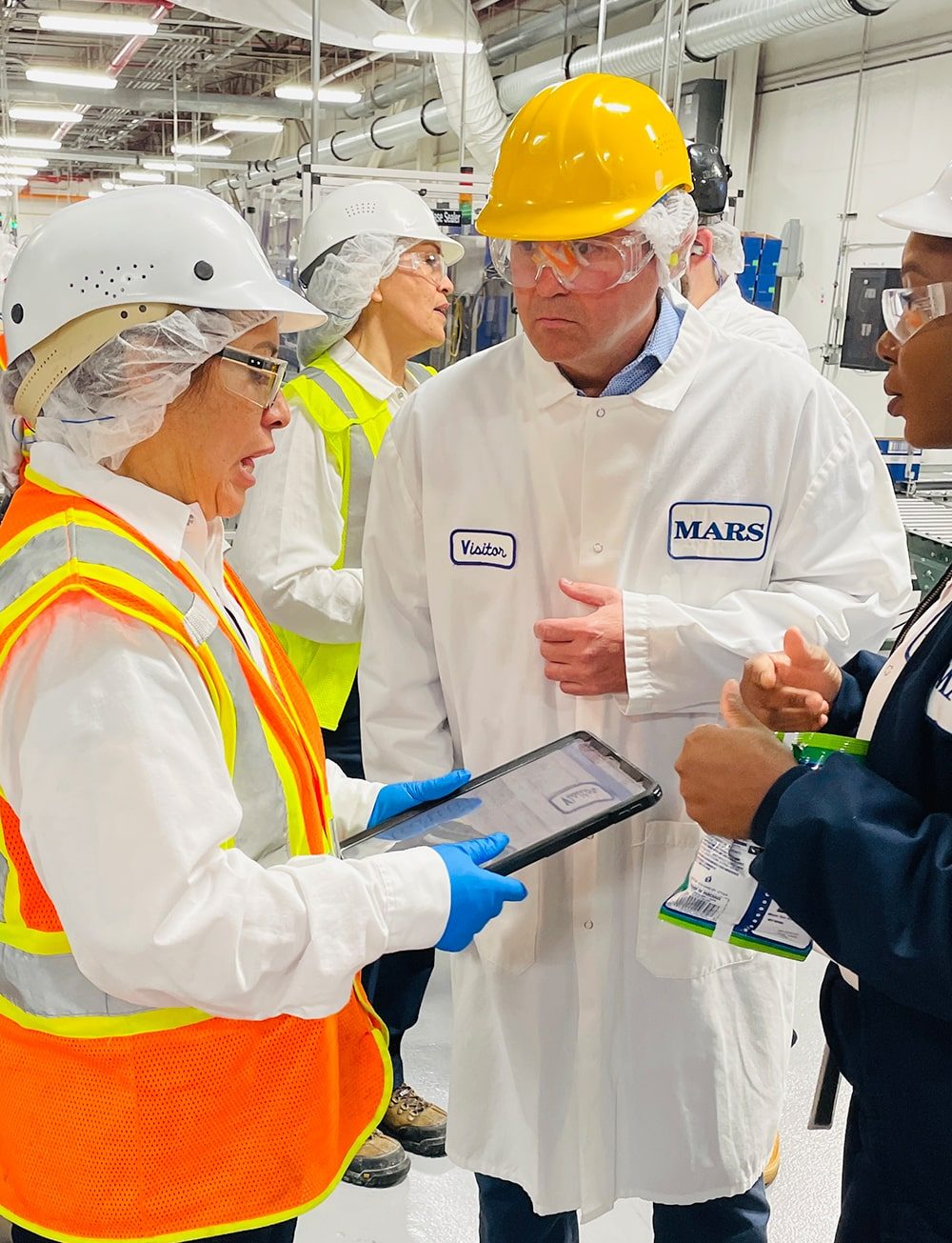
Steve McBride (Weever CEO) chatting with Christiana, Chella and Elba at Mars Yorkville.
Results
At the end of the trial, Mars Yorkville summarized their results to senior leadership.
Benefits to the site included everything from faster data collection to better quality data and enhanced audit accessibility.
The average time to complete a quality check went from 5-7 minutes to 1-2 minutes. At 30 minute intervals, saving 6 minutes per check amounts to approximately 4-5 hours saved per day, which can be reallocated to more value added activities relating to maintenance, quality, and continuous improvement.
Hard ROI came from the reduction of PCQI holds, which went from 1-2 per period to zero. This represents a potential savings of over $200K USD per year.
The team recommended implementing Weever Process for quality checks across the entire plant.
Benefits
Faster Data Collection
- The average time to complete a quality check reduced from 5-7 minutes to 1-2 minutes.
- The major time savers included the ability to capture a photo instead of manually writing in each Data Code as well as the standardization of data capture inputting.
Improved Data Quality
- Incomplete, illegible, incorrect and conflicting data was completely eliminated. Required signatures and comments were never forgotten.
- This enhanced data quality and saved quality managers time and grief from having to review illegible paper work with associates.
Better Reviewing Process
- With Weever Process, staff did not have to physically print, distribute and collect paperwork.
- The data was standardized and perfectly legible, which made identifying issues much easier. As one manager put it, reviewing hundreds of paper forms at the end of a shift can make you "go blind".
- The team estimated approximately 30-40 minutes of quality manager time was saved for each shift, which represents a potential daily savings of 1.5-2 hours per day of quality management time that can be reallocated to more value add activities.
Visibility & Traceability
- Instead of waiting to review all checks at the end of each shift, each check was loaded in real-time, which provided enhanced visibility to quality managers. Each interaction was tracked as well, which made it easier to investigate issues if they occurred.
Enhanced Audit Accessibility
- In the event of an external audit, the quality team had greater confidence that they would be able to supply the requested documentation effortlessly.
- Usually, the auditor would request data from a specific day, shift, and value stream, which took a while to find in the past. Records could be misplaced or filed incorrectly.
- With Weever Process, data for closed processes was available very quickly and efficiently.
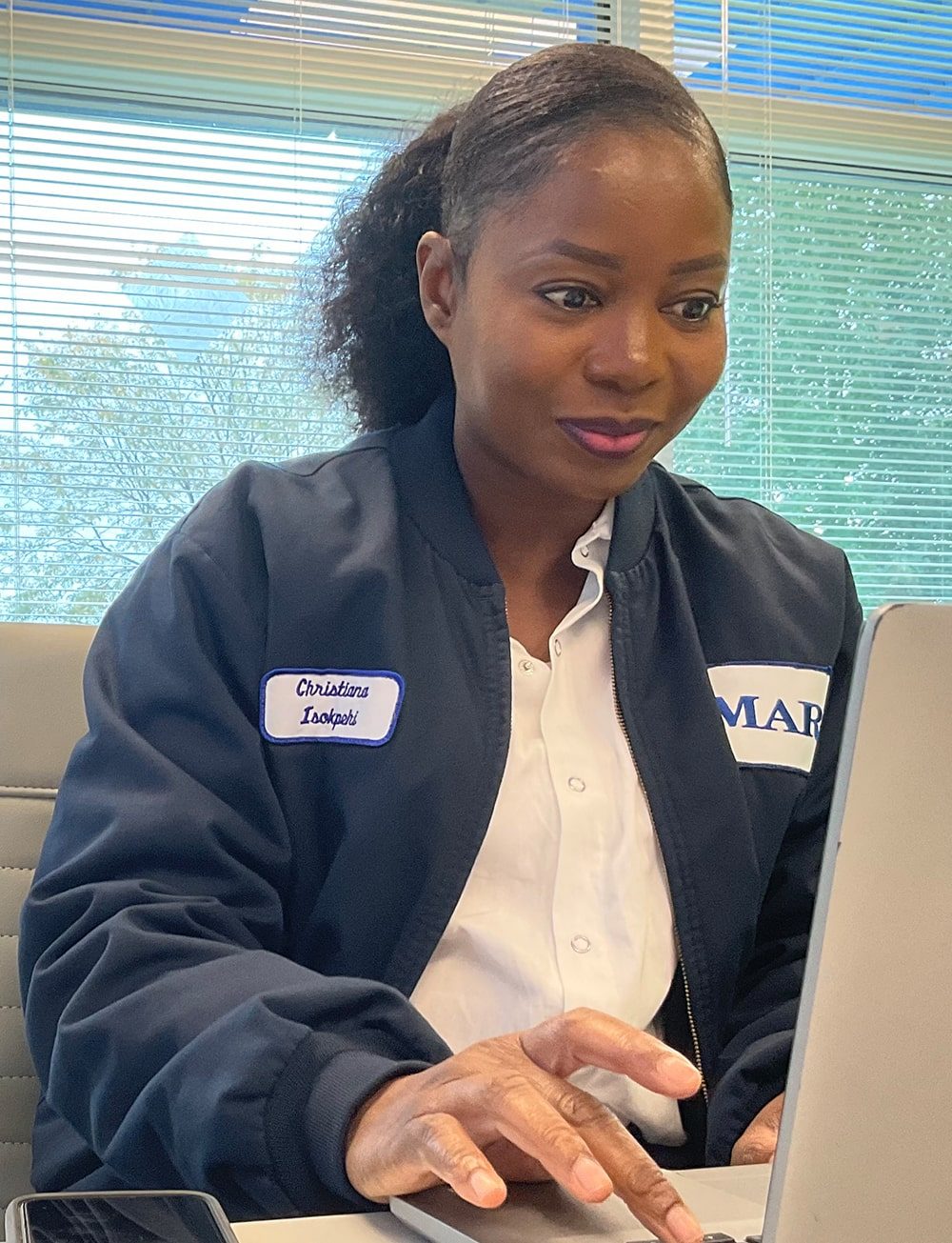
Christiana Isokpehi, CI Engineer, Mars Yorkville
Return on Investment
Hard dollar ROI for this project is impacted by PCQI Holds and Document Management costs.
Due to enhancements outlined above, there have been zero PCQI (Preventive Controls Qualified Individual) Holds at Mars Yorkville since the Weever Process implementation. PCQI Holds are caused by errors and omissions on quality paper work and the hold process requires multiple stakeholders, including the Site Manager, to review the issue and sign off on it's correction. This process can shut down lines, delay shipments and cost the site tens of thousands of dollars.
Weever Process has enhanced data quality, visibility, access and traceability, so there are no longer any paperwork issues that would necessitate a PCQI Hold.
John estimates that before Weever Process they experienced 1 or 2 PCQI Holds per period. As a result, this represents a potential dollar savings to the site of over $200,000 USD/year.
The PCQI stakeholders have been reallocated to other value added roles.
Document management costs have been significantly reduced as thousands of sheets of paper are now bites of data available on the cloud. Offsite storage and retrieval for these documents cost tens of thousands each year.
Additional Resources
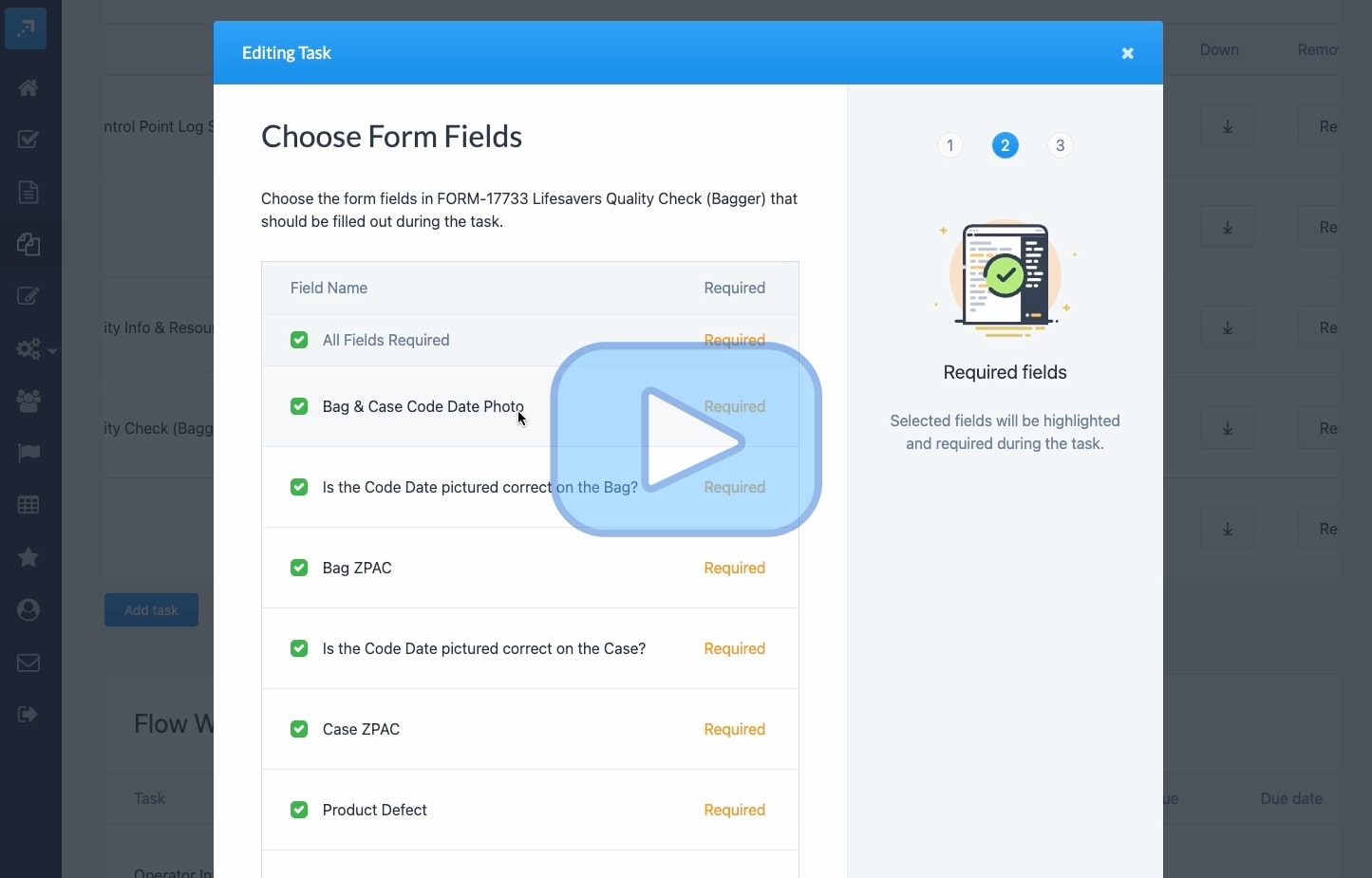
Watch how to go from "Paper" to "Tablet" with Weever Process.
.webp)

Spend Less Time on Admin. More Time Improving Operations.
See how Weever automates data entry, reporting, and action items so you can focus on improvement not admin.