
5S Audit Reporting: Comprehensive Guide
.avif)
Table of contents

Share:


In the pursuit of operational excellence and continual improvement, the 5S methodology stands as a guiding principle. At its core lies the practice of auditing-a systematic evaluation ensuring adherence to 5S principles.
Generating and reviewing audit reports are pivotal steps within this process, playing a crucial role in identifying strengths, areas for improvement, and driving organizational progress. Let's delve into the essence of 5S auditing and unveil the significance of robust reporting in the success of 5S programs.
What is 5S Audit Reporting?
5S auditing is a structured assessment process aimed at evaluating workspaces' compliance with the principles of Sort, Set in Order, Shine, Standardize, and Sustain.
Reporting within this context entails the compilation and analysis of audit findings to provide actionable insights and drive continuous improvement efforts.
Steps-by-Step Guide to 5S Audit Reporting
5S audit reports are not mere documents; they are powerful tools driving organizational change and improvement. Robust reporting mechanisms empower organizations to identify areas of excellence, address shortcomings, and foster a culture of continuous improvement and operational excellence.Before generating reports, you will need to:
After generating reports, you can move forward with:
- Implement Corrective Actions & Follow up Audits
- Celebrate Success and Recognition
1. Collect and Compile Data
Ensure you have a system in place to manage the efficient collection of audit data.
- Gather Audit Findings: Accumulate observations, notes, and collected data from audits conducted across various work areas.
- Organize Information: Systematically arrange data to ensure clarity and ease of understanding.
2. Analyze Audit Results
KPI analysis can help to identify patterns and trends that provide insights into what is working and what is not. Use the insights to create action plans for additional training or updates to audit SOPs, checklists and schedules.
- Identify Patterns and Trends: Look for recurring themes or issues across different areas or departments.
- Compare Against Standards: Evaluate findings against predefined criteria and benchmarks.
3. Generate Dashboards
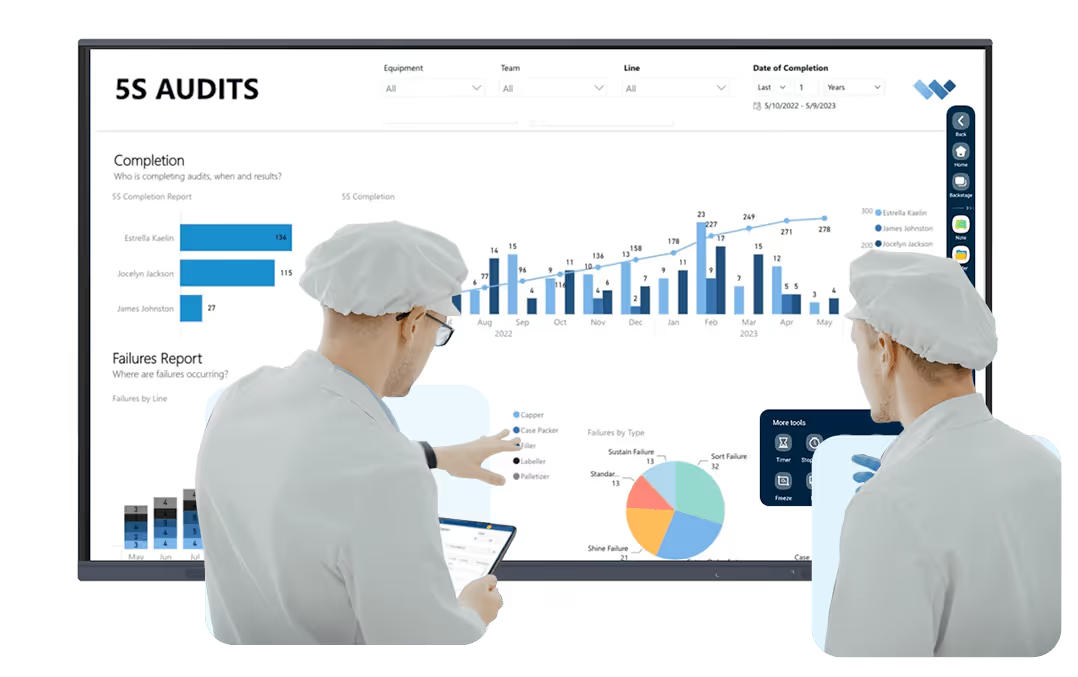
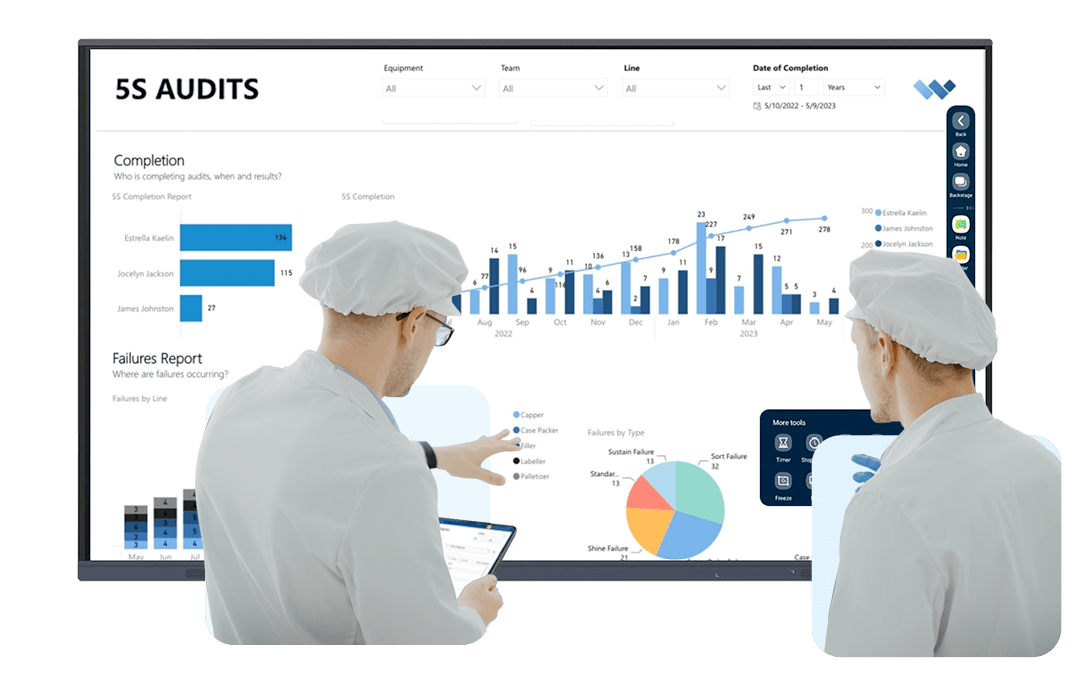
Create a single source of truth dashboard that highlights insights, improvement opportunities and the status of your action plans.
- Summarize Observations: Create detailed reports outlining both compliance and non-compliance areas.
- Include Data Insights: Present quantitative and qualitative data to support audit findings.
- Recommend Actions: Provide actionable suggestions and improvement strategies for non-compliance areas.
- Prioritize Suggestions: Outline steps to address critical issues first for immediate impact.
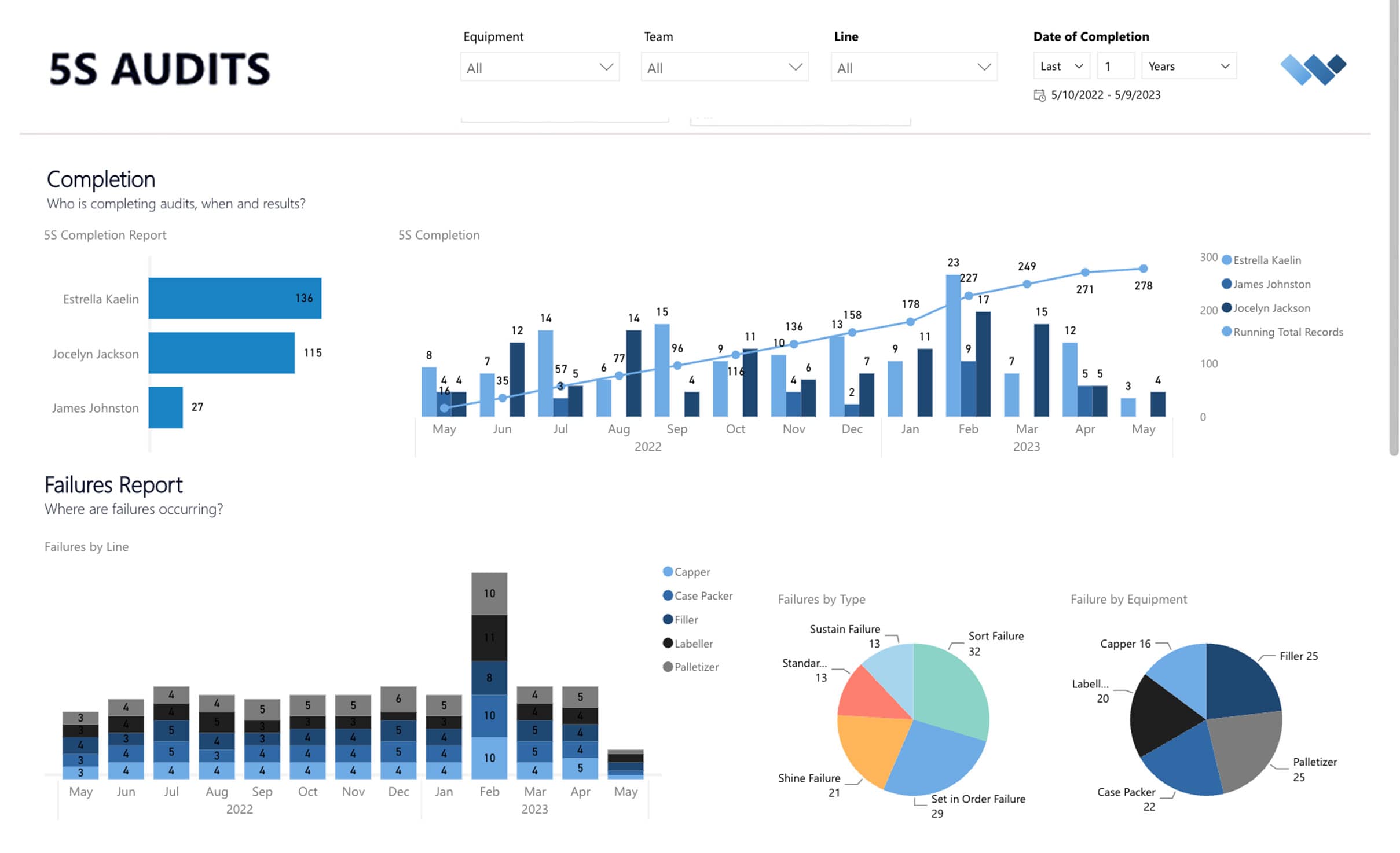
4. Review Reports with Stakeholders
Ensure stakeholders have the information they need and can provide feedback to update the reports. Consider creating a report that is shared publicly with frontline staff to showcase wins and improvement opportunities.
- Share Findings: Present audit reports to relevant stakeholders, including department heads, managers, and employees.
- Seek Input and Feedback: Encourage discussions and gather perspectives on findings and proposed actions.
5S Reports Best Practices
5S audit reports are not mere documents; they are powerful tools driving organizational change and improvement. Robust reporting mechanisms empower organizations to identify areas of excellence, address shortcomings, and foster a culture of continuous improvement and operational excellence.
Accuracy and Objectivity
Ensure reports accurately reflect audit findings without bias.
Clarity and Conciseness
Present information in a clear and easily understandable format.
Actionable Recommendations
Provide practical and feasible suggestions for improvement.
Engage Stakeholders
Involve relevant parties in discussions and decision-making based on reports.

.webp)

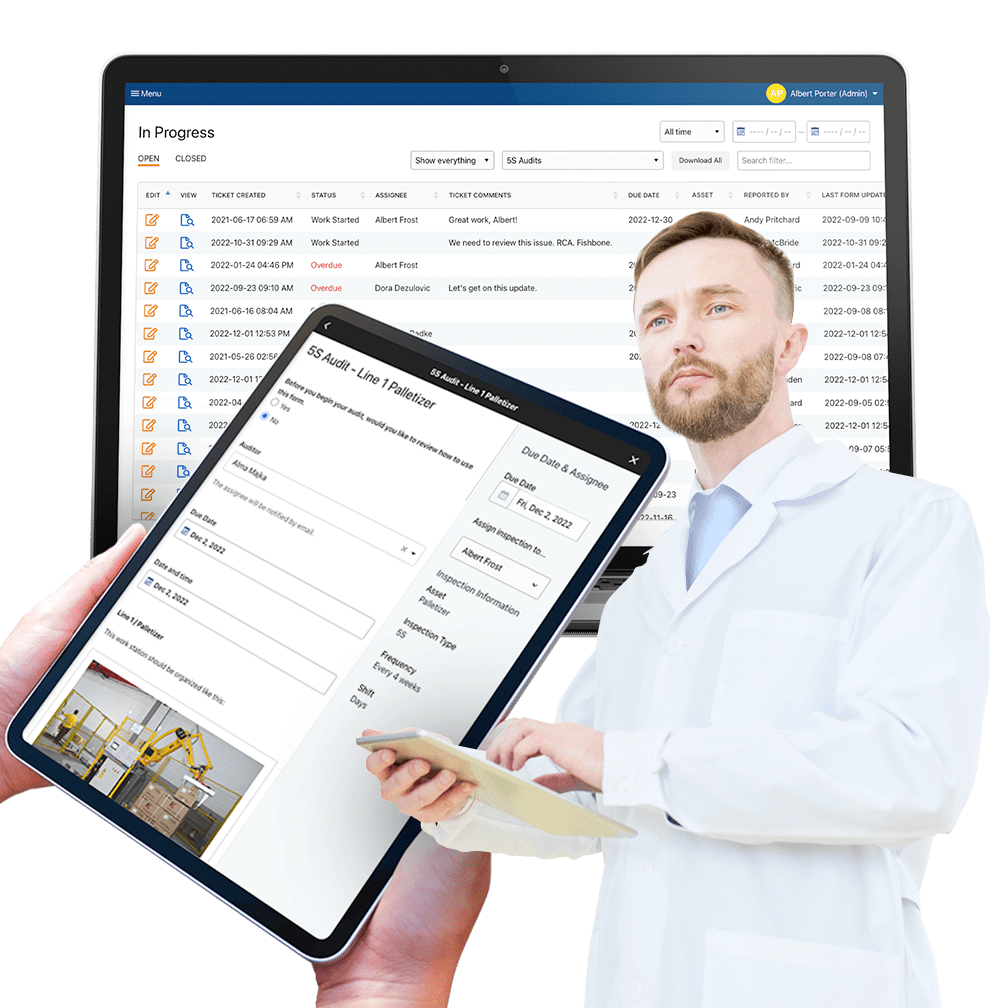
Spend Less Time on Admin. More Time Improving Operations.
See how Weever automates data entry, reporting, and action items so you can focus on improvement not admin.