
How to Run Machine Pre-Start Inspections in Manufacturing (and Get Operators to Actually Do Them)

Table of contents

Share:


A pre-start inspection takes five minutes. Skipping it can cost a shift, a machine, or a hand. Most operators know that. Most still skip steps on a paper checklist when the line is already running behind, because a clipboard with 20 boxes to tick doesn't feel like it's protecting anyone, it feels like paperwork standing between them and the job.
That's the real problem with pre-start inspections. The requirement isn't in question, regulators have been explicit about it for decades. What's actually failing is the process: paper forms nobody checks, generic checklists with "N/A" as the easiest answer, and no way to know an inspection was skipped until something breaks or someone gets hurt.
Here's how pre-start inspections actually work, why they matter more than most plants treat them, and what it takes to run a program operators follow instead of route around.
How do machine pre-start inspections work?
A pre-start inspection is a short, structured check an operator completes before a machine runs, confirming it's safe and ready to operate. Most programs split the check into two stages:
- Pre-startup checks, completed before the machine is powered on: guarding in place, visible damage, fluid levels, e-stops functional, area clear.
- Operational checks, completed once the machine is running but before production work begins: unusual noise or vibration, correct settings, controls responding as expected.
Some plants build a distinct checklist for every machine type. Others run one standardized inspection across similar equipment, with "N/A" available for items that don't apply to a given machine. Either approach works, the failure mode isn't which format a plant picks, it's whether the inspection actually gets completed, and completed honestly, before the machine runs.
Why do pre-start inspections matter?
They catch problems while they're still cheap to fix. A worn belt or a loose guard found during a two-minute pre-start check is a five-minute fix. The same issue found mid-shift, after it's caused a failure, is a line down, a rush part order, and a missed production target. Reactive repairs typically cost 3 to 5 times more per event than planned maintenance once you account for expedited parts, overtime labor, and lost production (McKinsey & Company).
They prevent the incidents that are entirely preventable. Powered industrial trucks alone cause an estimated 85 deaths and 34,900 serious injuries every year in the United States, and a large share of those incidents trace back to equipment defects that a pre-shift inspection would have caught. Organizations with mature leading-indicator safety programs, the kind pre-start inspections feed directly into, see an average 77% reduction in incident rates (Campbell Institute, National Safety Council).
They're a legal requirement, not a best practice. In the U.S., OSHA's standard for powered industrial trucks, 29 CFR 1910.178(q)(7), requires forklifts and similar equipment to be inspected before every shift, with any unsafe unit pulled from service immediately. Willful violations carry penalties that can run into six figures per incident. In Canada, provincial legislation, Ontario's Occupational Health and Safety Act and its Industrial Establishments regulation (O. Reg. 851) among them, places a general duty on employers to ensure machinery is properly guarded and maintained, and requires an engineering-level Pre-Start Health and Safety Review whenever new or modified equipment with certain safeguarding features is installed. The exact requirement varies by equipment type and province, but the direction is the same everywhere: verify before you operate, and be able to prove you did.
Why digitize machine pre-start inspections?
The requirement to inspect isn't new. What's changed is how easy it's become to prove the inspection actually happened, and happened honestly.
Paper checklists get signed whether or not every item was actually checked. A supervisor has no way to tell a thorough five-minute inspection from a rushed ten-second signature until something goes wrong. Digitizing the check doesn't add a step, it closes that gap.
- Increase accountability. Scheduled inspections, real-time completion tracking, and automatic notifications when a check is missed mean nobody's guessing whether the inspection happened. If it didn't, someone finds out the same shift, not after the fact.
- Ensure compliance. A digital record timestamps every inspection, who completed it, what they checked, and what they found, so the documentation an auditor or inspector asks for already exists instead of getting reconstructed after the request.
- Improve efficiency without adding friction. A well-built digital check runs faster than a paper one, guides the operator through the exact items that apply to that machine, and skips manual data entry into a separate log or spreadsheet afterward.
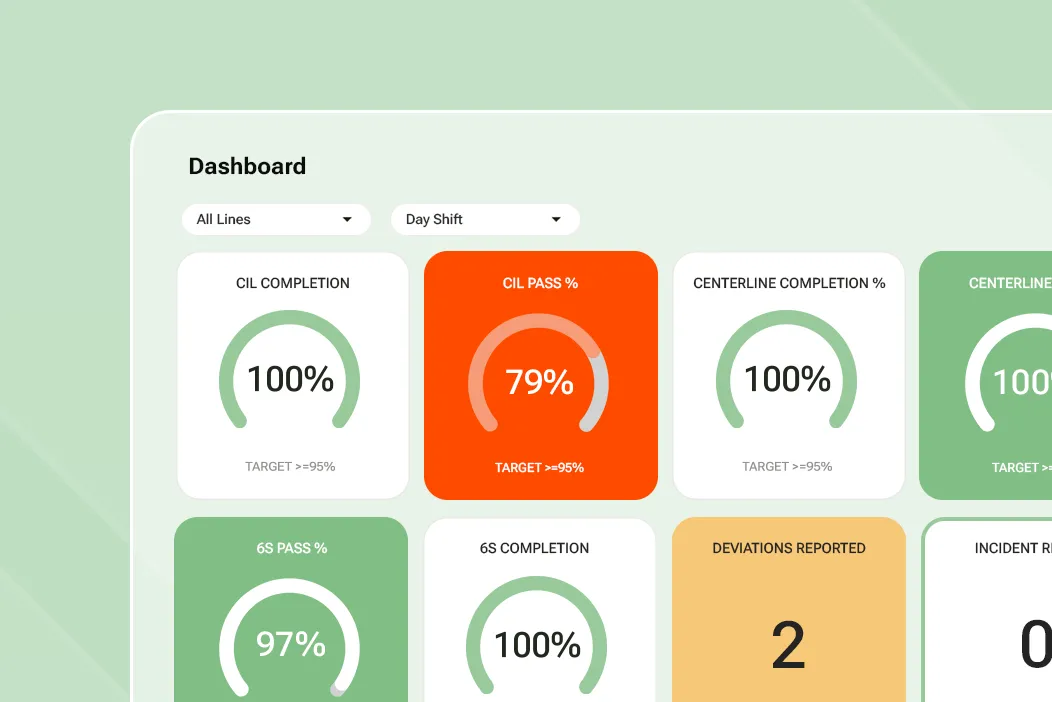
- Give supervisors real-time visibility. A missed inspection or a failed item shows up immediately instead of surfacing during a shift-end review, which is often too late to act on it.
A pre-start check that gets signed without being done doesn't protect anyone. It just makes the paperwork look finished.
What to look for in a pre-start inspection program
A digital checklist alone doesn't fix a weak program. Look for a system that:
- Routes failed items automatically. A failed check should trigger a corrective action and notify the right person immediately, not sit in a binder until someone happens to review it.
- Adapts by machine type. Whether you run one generic checklist with "N/A" options or a distinct inspection per machine, the system should support both without forcing a rebuild every time equipment changes.
- Feeds your broader maintenance and safety programs. Pre-start inspection data is one of the clearest leading indicators a plant generates. It should connect to the same reporting that feeds Autonomous Maintenance and safety observation programs, not live in a separate silo.
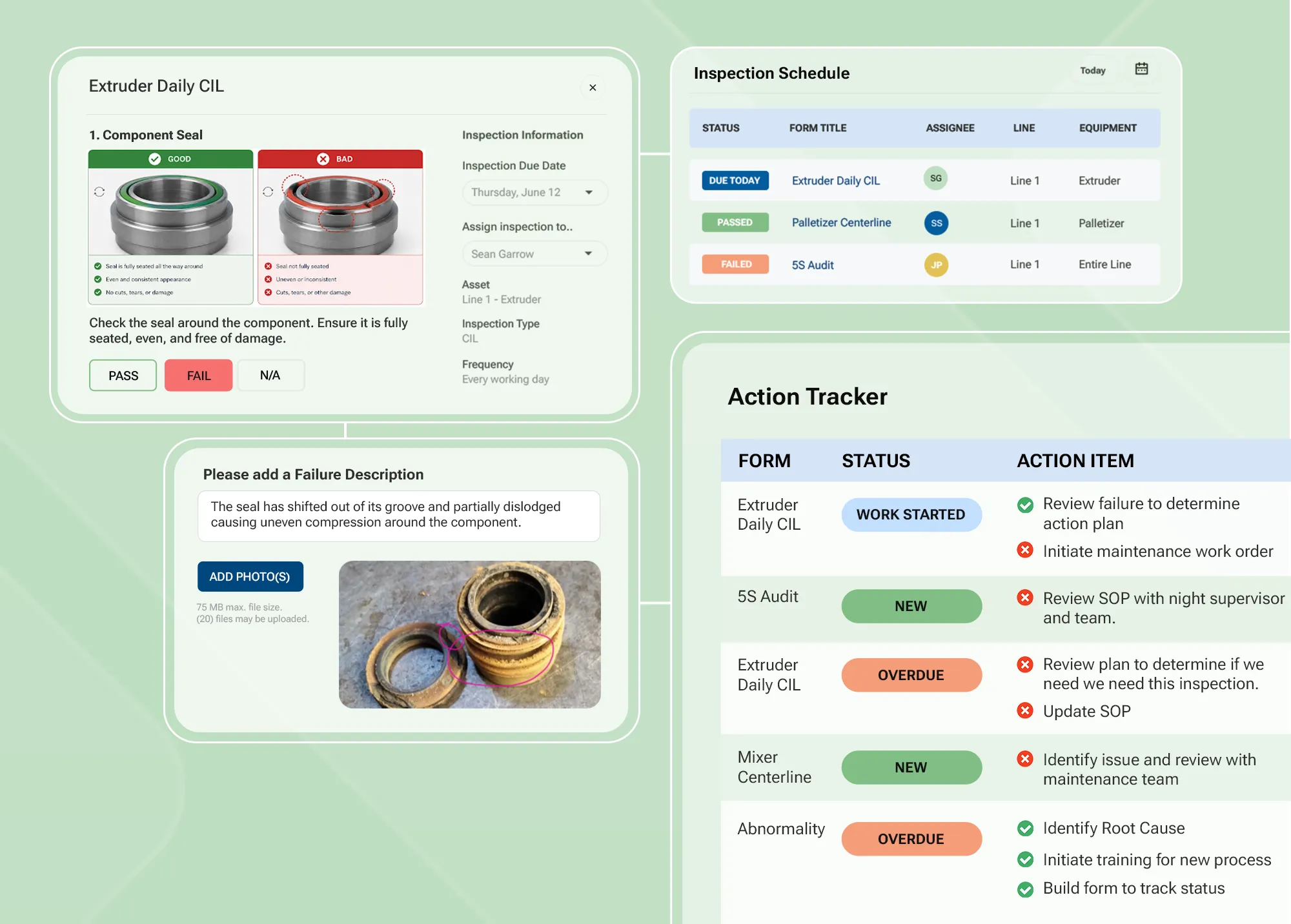
Weever digitizes pre-start and pre-operation inspections so completion data is real, failed checks route to the right person automatically, and supervisors see gaps the same shift they happen, not during next month's audit.
Want to see how Weever handles pre-start inspections, abnormality routing, and real-time visibility on your own floor? Book a demo and we'll show you.

.webp)

Spend Less Time on Admin. More Time Improving Operations.
See how Weever automates data entry, reporting, and action items so you can focus on improvement not admin.