
How to be more proactive about safety

.avif)
Table of contents

Share:


Proactive Safety is about preventing incidents before they occur. In contrast to reactive safety, which uses incident reporting to mitigate the recurrence of incidents that have already happened, Proactive Safety enlists the help of all employees to identify and mitigate potential hazards before they lead to harmful incidents.
Even the prevention of one major incident could save your organization between $100K - $250K or more in direct and indirect costs. In a recent study on safety ROI in Ontario, Canada, The institute for Work & Health determined incidents include an average direct cost of between $39k - $78k and indirect costs of $78k - $156k. So what are some quick ways you can make your safety-first culture more proactive? Let's discuss:
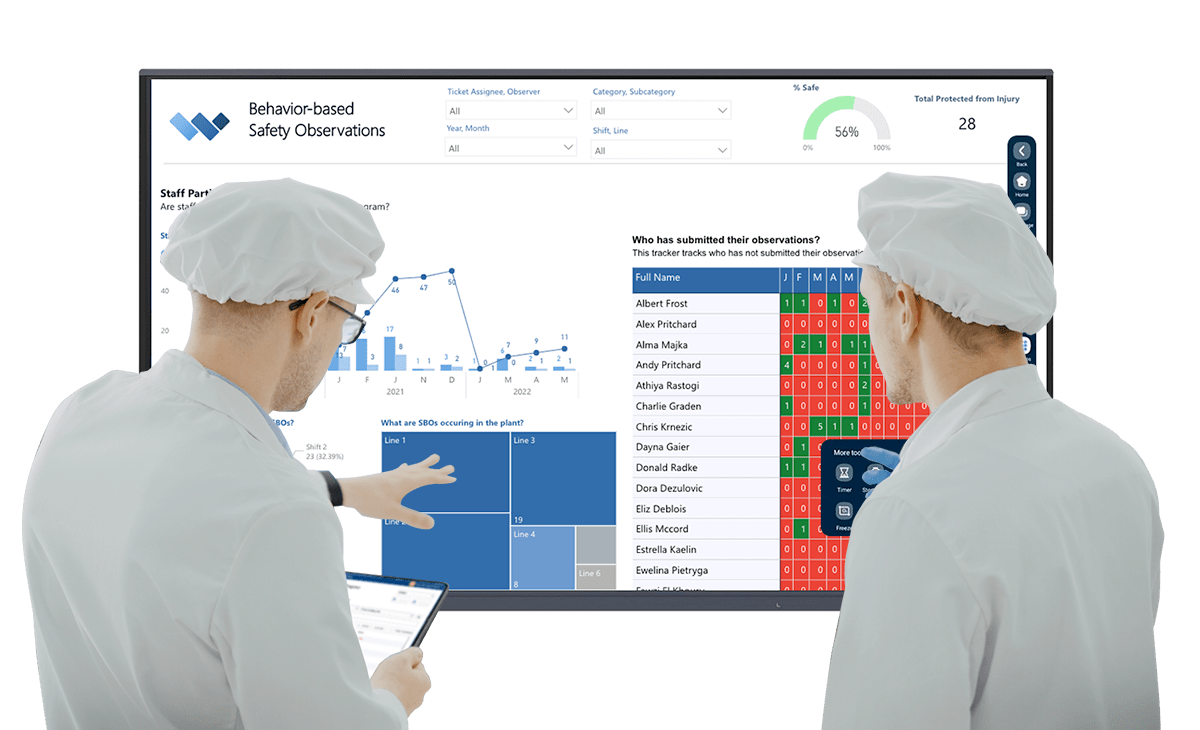
1) Periodically assess the safe practices of co-worker.
Behavior-Based Safety Observations (a.k.a. Safety Behavior Observations) are a great way to get your frontline staff more involved in safety and capture insights into unsafe behaviors.
BBSOs ask staff members to observe co-workers completing tasks and provide feedback on their compliance to standards. The observations can be conducted by supervisors or frontline staff. The point of the program is not to get people in trouble, but to proactively assess behaviors, to provide immediate corrective feedback, and to inform preventive action plans.
Observations can uncover some great insights into unsafe behaviors and how to correct them. For example, a BBSO could uncover that staff or contractors are not using the appropriate PPE for a certain task. The observer can correct the behavior to prevent an incident from occurring. If enough observations report the same issue, this trend can be corrected by training and/or onsite signage.
2) Provide immediate and automated feedback to risks.
Risk Assessments are a great way to help frontline staff identify potential risks and plan their project to ensure safe outcomes. Risk Assessments ask questions about the upcoming shift. As staff answer the questions, the risk assessment automatically calculates a risk level and provides a required action plan.
For example, things like the experience of the staff, maintenance work orders in the area, or non-routine tasks will elevate the risk level of the shift. Higher risk levels can require countermeasure plans and/or additional safety walks during the shift.
Risk Assessments alert staff to issues that may arise, which helps to prevent incidents before they occur. The best part is that the workflows are automated, which saves loads of time, and safety managers can be alerted only to high level issues, which require their involvement.
Weever's Proactive Safety Solution includes a handy Risk Assessment form template that you can configure to suit your unique processes.
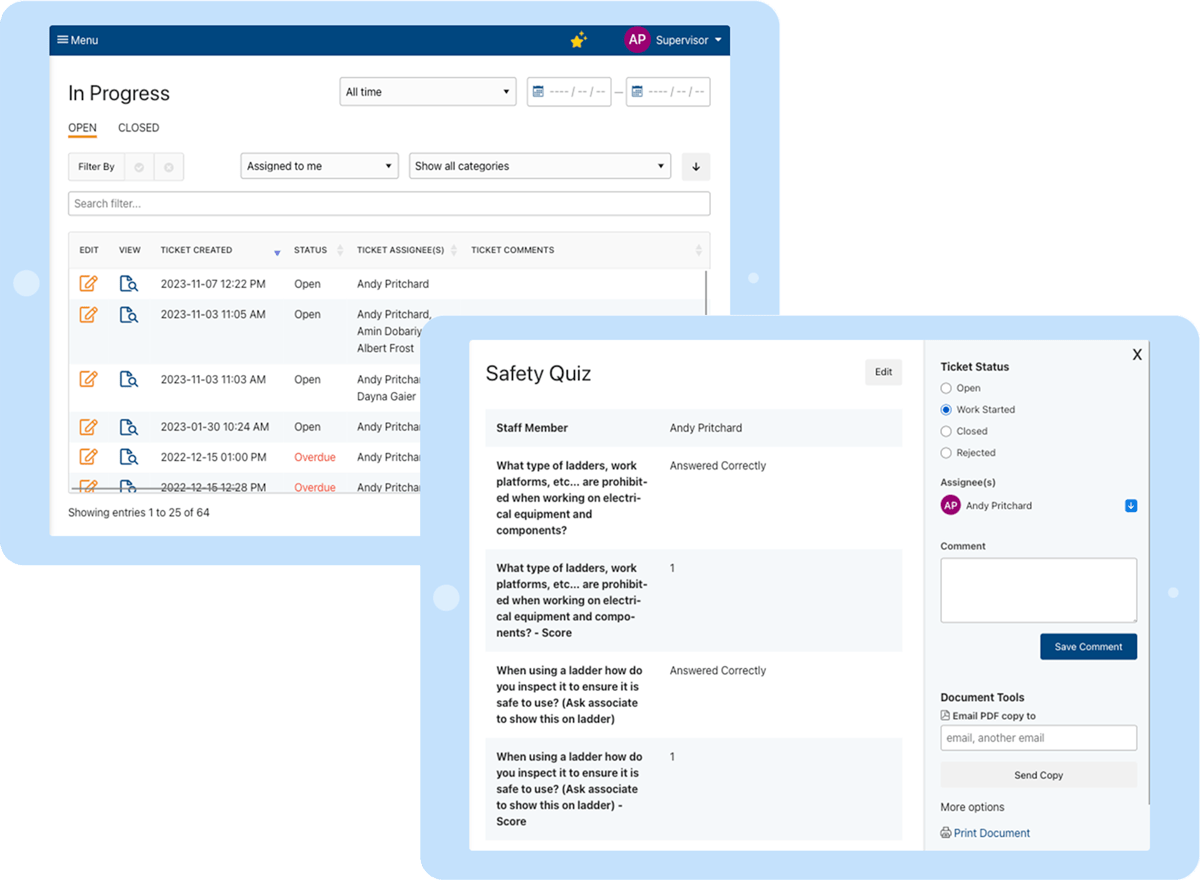
3) Assess and reward safety knowledge.
You can create simple safety quizzes each month to ensure staff understand appropriate behaviors and policies. Safety quizzes ensure safety is top-of-mind, encourages discussion and engagement, and can offer some great insights into gaps in general safety knowledge.
You can spice it up by offering prizes for perfect scores or create a raffle where each correct response is a ballot in the draw. Learn more about how Monthly Safety Quizzes work.
In conclusion, there are many ways you can engage staff in identifying safety risks before they result in an incident. Feel free to schedule a demo with Weever to learn more about our Proactive Safety solution.

.webp)

Spend Less Time on Admin. More Time Improving Operations.
See how Weever automates data entry, reporting, and action items so you can focus on improvement not admin.