
Mastering Autonomous Maintenance: A Strategic Path for AM/TPM Managers
.avif)
Table of contents

Share:


As an Autonomous Maintenance (AM) or Total Productive Maintenance (TPM) Manager, you're at the helm of one of the most transformative strategies in modern manufacturing. Your leadership and management doesn't just reduce downtime, it fosters accountability, improves equipment reliability, and drives a cultural shift toward continuous improvement on the shop floor.
This blog is designed to help you execute your AM initiatives with clarity, purpose, and measurable impact.
Understanding Your Role in Autonomous Maintenance
Autonomous Maintenance shifts the ownership of routine equipment upkeep from specialized maintenance technicians to machine operators. As an AM Manager, your role is to:
- Design and document inspection, cleaning, lubrication, and audit protocols.
- Train operators to recognize, report, and resolve early signs of wear and failure.
- Foster collaboration between departments to align maintenance goals with production.
- Use data to optimize performance and continuously improve standards.
You're not just managing tasks, you're cultivating a system of proactive machine care and operator engagement.
Core Components of a Successful AM Program
As the lead facilitator, you'll oversee the rollout of three foundational AM practices:
- 5S Audits - Establish a baseline for workplace cleanliness and order. Regular audits, scored and tracked, help maintain high standards of efficiency.
- Abnormality Management - Teach operators to detect and report deviations from standard performance before issues escalate. Early detection means faster correction and fewer disruptions.
- CIL and Centerline Audits - Organize regular Clean, Inspect, Lubricate routines. Ensure centerline values (temperature, pressure, RPMs) are monitored and maintained within optimal ranges.
Each of these practices empowers operators while generating data you'll use to enhance equipment performance and forecast maintenance needs.
The Value You Bring to the Operation
Your efforts as an AM Manager produce tangible results. The Assela Malt Factory / Weever case study revealed impressive outcomes from an AM rollout, including:
- 46% fewer breakdowns
- 64% reduction in maintenance costs
- 23% fewer technician hours spent on basic tasks
- 5% improvement in plant-wide production capacity
These outcomes depend on your ability to coordinate training, standardize routines, and maintain communication channels between technicians and operators.
The AM Rollout Plan: Leading Through Phases
To drive adoption and ensure sustainability, implement AM in three structured stages:
Stage 1: Initiate
- Train operators on equipment basics.
- Facilitate deep initial cleaning and inspections.
- Set standards for lubrication and contamination control.
Stage 2: Expand
- Launch operator-led inspections with standardized CIL forms.
- Introduce visual management (color-coded indicators, QR codes, etc.).
- Begin tracking and analyzing inspection and abnormality data.
Stage 3: Improve
- Gather feedback, refine procedures, and document lessons learned.
- Empower operators to take on minor repairs and enhance self-management.
- Monitor KPIs and use findings to update One Point Lessons (OPLs).
Through each phase, your leadership ensures alignment, accountability, and continuous progress.
Best Practices for TPM and AM Leaders
Over the years, successful AM Managers have found these strategies essential:
- Start Small and Scale - Introduce one activity at a time to avoid overwhelming staff.
- Document Everything - Standard operating procedures protect against knowledge loss from staff turnover.
- Prioritize Visuals and Real-Time Guidance - Equip operators with tablets, videos, and visual aids to ensure consistent performance.
- Limit Centerline Complexity - Focus on 5-20 high-impact inspection points to avoid "checklist fatigue."
- Create Feedback Loops - Facilitate timely responses to operator-reported issues and continuously refine procedures.
Your ability to guide and mentor teams is what transforms AM from theory into everyday practice.
How Weever Makes the AM Manager's Job Easier and More Efficient
Implementing and scaling an Autonomous Maintenance program is no small feat. But with Weever, AM Managers gain a powerful partner that simplifies operations and maximizes impact. Here's how Weever supports your success:
Streamline Training and Operator Guidance
Weever offers real-time, on-demand instructions embedded directly into your CIL workflows ,reducing errors, eliminating the need for constant retraining, and enabling quick onboarding of new staff.
Automate Scheduling and Compliance
Automated CIL and inspection schedules ensure tasks are completed on time. Missed items are flagged, and notifications keep operators and technicians aligned without micromanagement.
Capture Rich Data Without the Hassle
Skip the paperwork. Weever allows operators to submit inspections with photos, talk-to-text entries, and conditional logic fields ,capturing higher quality data in less time.
Enhance Collaboration Between Teams
Failed inspections or abnormality reports can automatically trigger maintenance tickets, alert stakeholders, and track issue resolution ,all in one workflow.
Monitor Performance in Real-Time
Dashboards give you immediate insights into AM execution across machines and teams. You can instantly spot issues, identify trends, and plan proactive interventions.
Save Time with Automated Reporting
Weever consolidates inspection data and KPIs into exportable dashboards ,saving TPM Managers up to 30% of their day previously spent battling spreadsheets.
Motivate and Recognize Your Team
Gamification tools like Weever Rewards help you spotlight top performers and foster a culture of ownership and excellence.
With Weever, you can spend less time putting out fires and more time leading continuous improvement. It's not just a software platform , it's a force multiplier that helps you scale Autonomous Maintenance faster, with less friction, and greater long-term success.
Ready to lead your AM program to world-class performance? Let Weever help you get there. Visit weeversoftware.com or contact solutions@weeversoftware.com to learn more.
Contact Weever for a demo and discover how our software helps you manage defects.
Request more information Preview modal-
Request more information
Please tell us a bit about yourself so we can tailor our response and get you the information you need.
Continue Reading
Boost Your Manufacturing safety with Proactive Measures
How Proactive Measures Can Lead to Cost Savings in Manufacturing

How to be more proactive about safety

How to implement a proactive safety program into your facility

Proactive Measures for Ensuring Compliance in Regulated Industries

Proactive Measures in Manufacturing: Leveraging Weever Software for a Safer Workplace
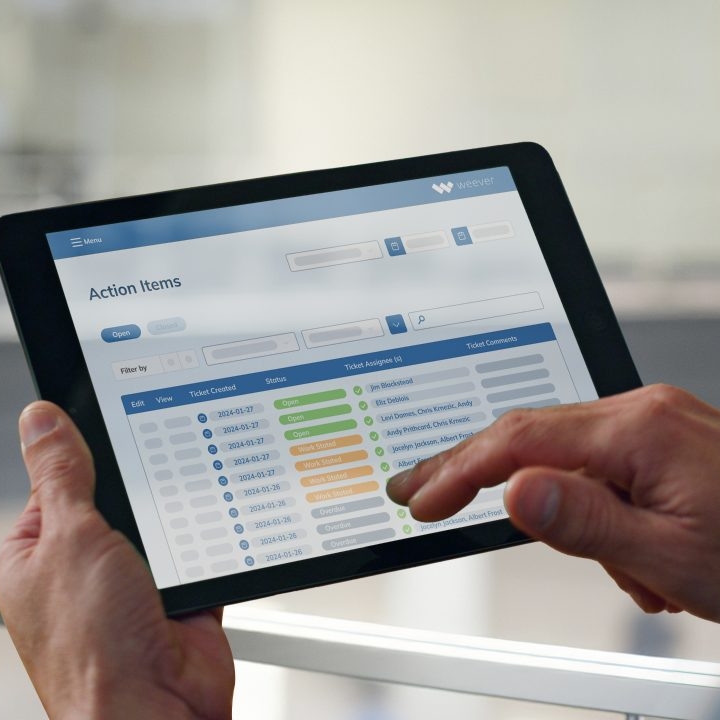
The Importance of Proactive Measures in Manufacturing Operations
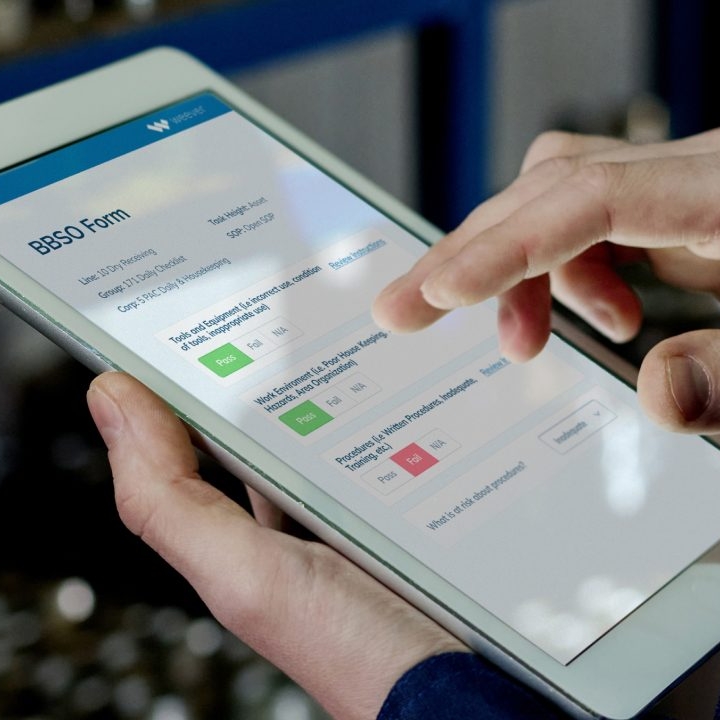
The Power of Proactive Measures in Preventing Equipment Failure

"Having cloud-based forms on devices around the facility makes them so much more accessible, which makes it painless for operators to quickly provide a report."
Johanna Velez, VP Quality Assurance


"Weever is really user friendly and will have a massive positive impact on our operations and training team."
Mel Cadle - Op Ex Lead Process Engineer


.webp)

Spend Less Time on Admin. More Time Improving Operations.
See how Weever automates data entry, reporting, and action items so you can focus on improvement not admin.