
Designing an Autonomous Maintenance Activity Board

.avif)
Table of contents

Share:


Autonomous maintenance activity boards are revolutionizing how manufacturing facilities manage their maintenance tasks. These powerful tools streamline operations, boost efficiency, and empower frontline workers to take ownership of equipment upkeep.
At Weever Apps, we've seen firsthand how well-designed activity boards can transform maintenance processes. In this post, we'll explore the key components of effective boards and share best practices for implementation.
What Makes an Effective Autonomous Maintenance Activity Board?
An effective autonomous maintenance activity board serves as the cornerstone of a successful maintenance program. It's not just a visual tool; it's a dynamic system that drives action, accountability, and continuous improvement.
The Power of Visual Organization
The layout of your activity board can determine its effectiveness. A cluttered or confusing board will be ignored, while a well-organized one becomes a focal point for daily operations. The most successful boards use a grid system, with clear sections for different task categories. This allows workers to quickly locate relevant information and updates.
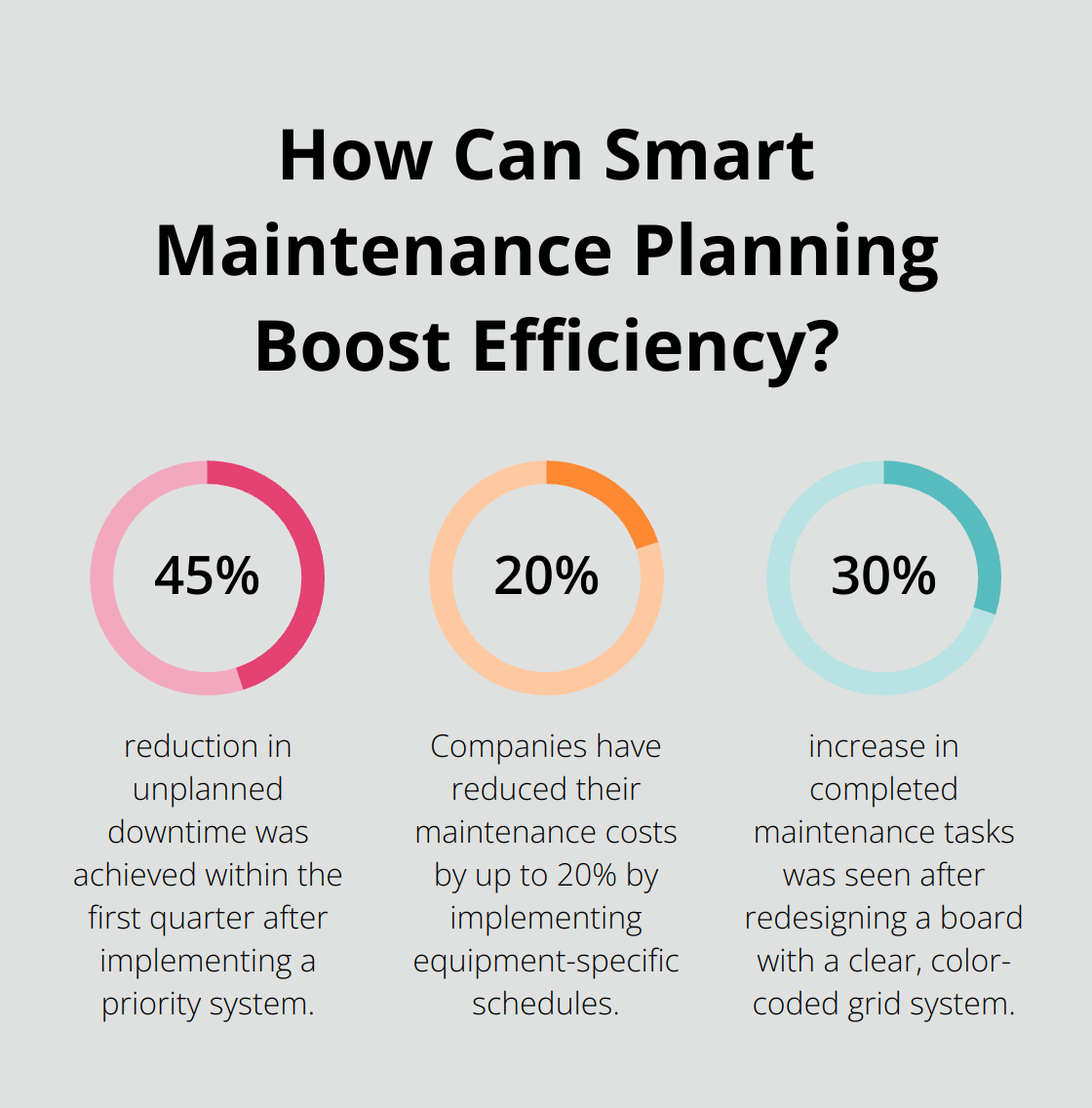
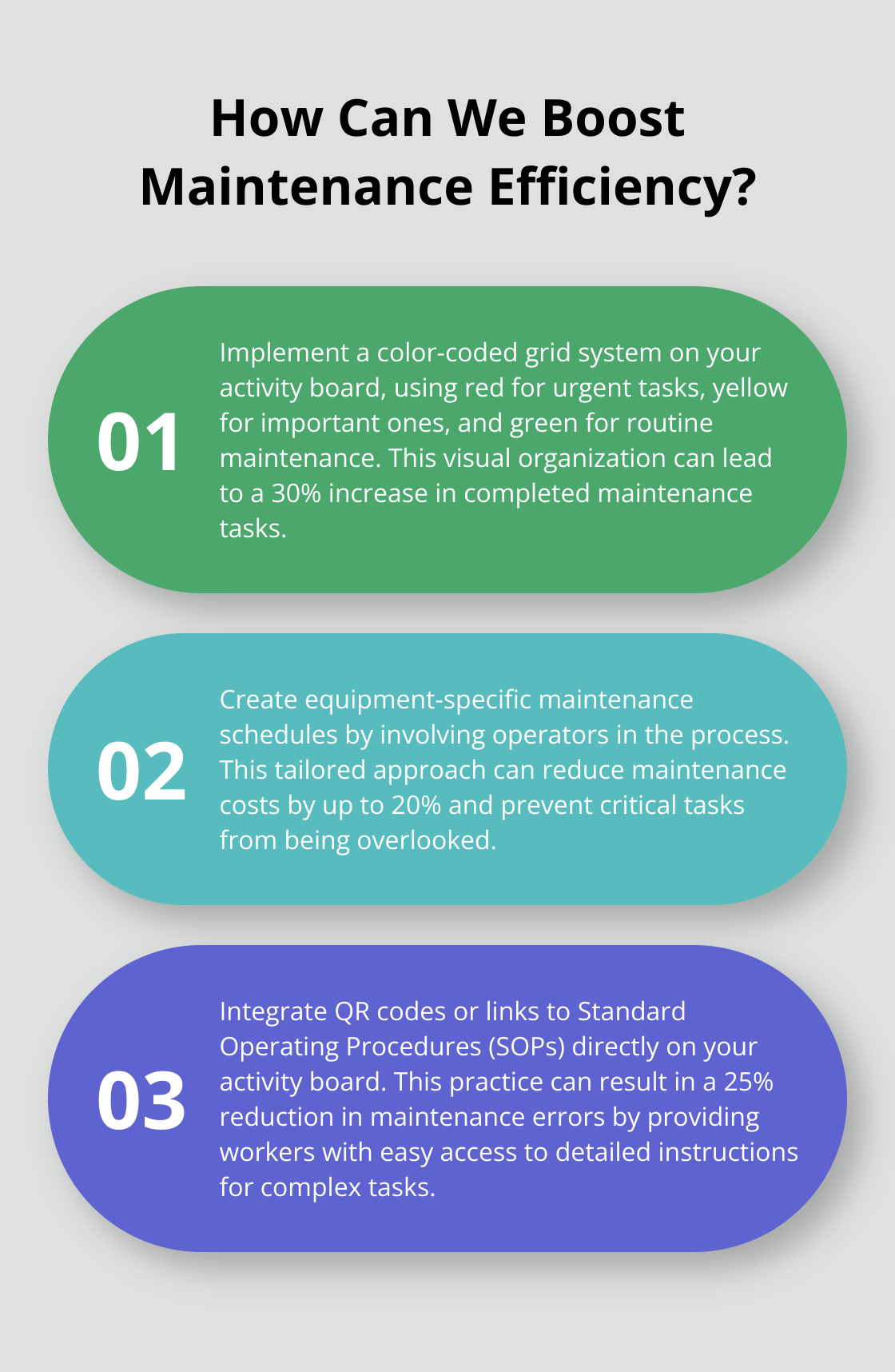
One manufacturing plant saw a 30% increase in completed maintenance tasks after redesigning their board with a clear, color-coded grid system. The key was to make information accessible at a glance, which reduced the time spent searching for tasks or updates.
Prioritizing Tasks for Maximum Impact
Not all maintenance tasks hold equal importance. Your activity board should reflect this reality by clearly indicating task priorities. We recommend using a simple system: red for urgent, yellow for important, and green for routine tasks. This visual cue helps workers focus on critical issues first, which prevents small problems from escalating into major breakdowns.
A food processing facility implemented this priority system and saw a 45% reduction in unplanned downtime within the first quarter. Workers addressed potential issues before they became critical, which led to smoother operations overall.
Tailoring Schedules to Equipment Needs
Generic maintenance schedules belong in the past. Modern activity boards should display equipment-specific maintenance schedules, which take into account the unique needs and quirks of each machine. This level of detail ensures that no critical maintenance task falls through the cracks.
Companies have reduced their maintenance costs by up to 20% by implementing equipment-specific schedules. The key is to involve operators in creating these schedules, as they often have invaluable insights into the day-to-day performance of the machines they work with.
Measuring What Matters
Performance metrics and KPIs (Key Performance Indicators) are the pulse of your maintenance program. Your activity board should prominently display these metrics, updated in real-time if possible. Key metrics to consider include Overall Equipment Effectiveness (OEE), Mean Time Between Failures (MTBF), and maintenance task completion rates.
One automotive parts manufacturer saw a 15% improvement in OEE after incorporating real-time performance metrics into their activity board. The visibility of these numbers created a sense of healthy competition among shifts and drove continuous improvement efforts.
The most effective boards evolve with your needs, so don't hesitate to iterate and improve your design over time. As we move forward, we'll explore how digital solutions can further enhance the functionality and impact of autonomous maintenance activity boards.
How Digital Solutions Enhance Activity Boards
Digital solutions transform traditional autonomous maintenance activity boards into powerful, interactive tools. These platforms offer significant advantages over physical boards, streamline processes, and boost overall efficiency in today's fast-paced manufacturing environment.
Real-Time Updates Drive Proactive Maintenance
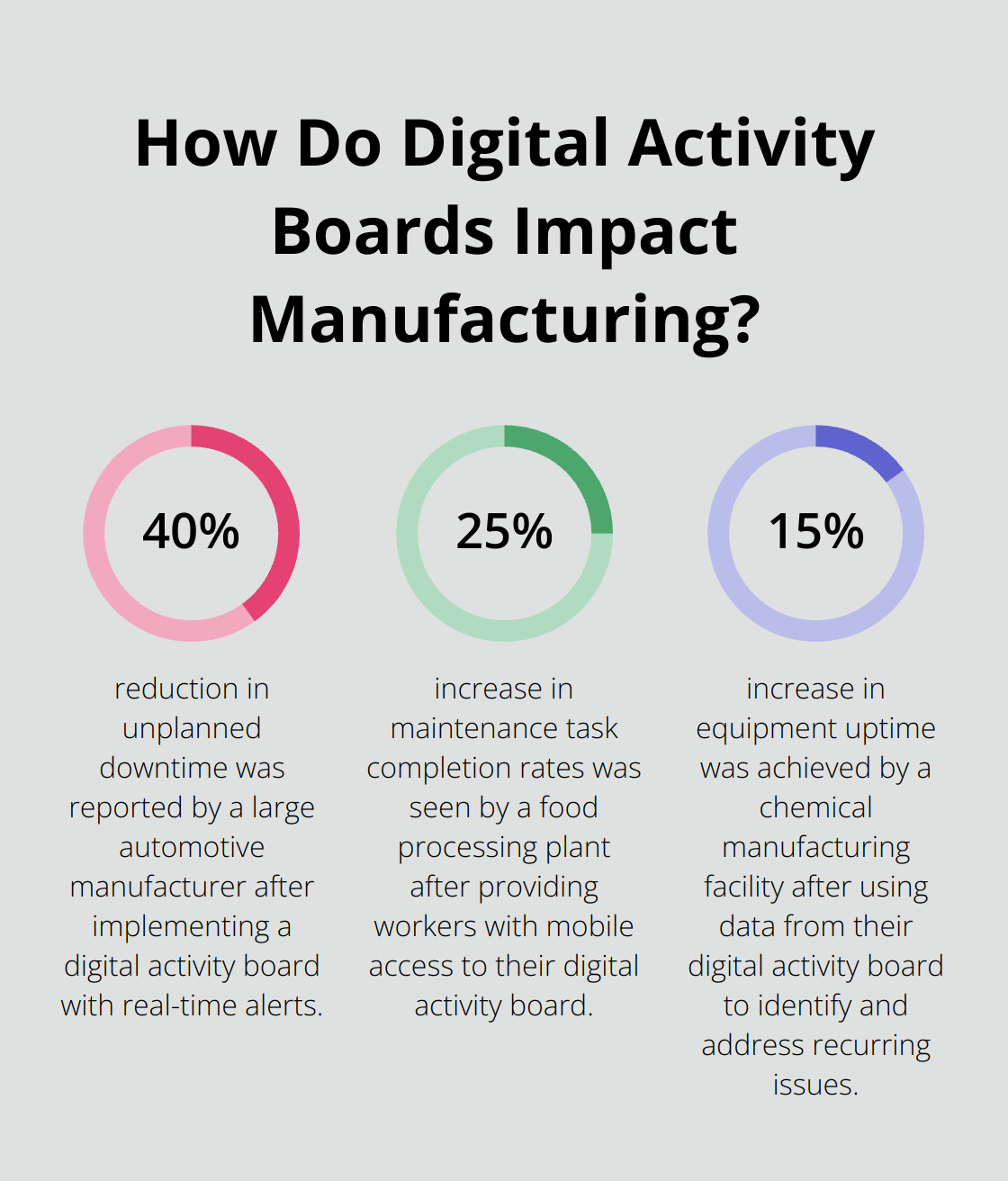
Digital activity boards provide real-time updates that result in greater equipment reliability, reduction of failures, extended lifespan, decreased downtime, and overall improvement in operational performance. This feature potentially prevents costly breakdowns. A large automotive manufacturer reported a 40% reduction in unplanned downtime after implementing a digital activity board with real-time alerts. The system flagged potential issues before they escalated, allowing for timely interventions.
Mobile Accessibility Empowers Frontline Workers
Digital activity boards accessible via mobile devices put critical information directly in the hands of frontline workers. This accessibility leads to faster decision-making and more efficient task completion. A food processing plant saw a 25% increase in maintenance task completion rates after providing workers with mobile access to their digital activity board. Workers updated task statuses on the spot, eliminating the need for manual data entry and reducing the risk of information loss.
Data-Driven Insights Fuel Improvement
Digital platforms offer robust data collection and analysis capabilities, providing valuable insights for improvement. These systems track key performance indicators (KPIs) over time, identify trends, and highlight areas for optimization. A chemical manufacturing facility used data from their digital activity board to identify recurring issues with a specific piece of equipment. This insight led to a targeted improvement project that increased the equipment's uptime by 15%.
Selecting the Right Digital Solution
When selecting a digital solution for your activity board, choose a platform that offers comprehensive features tailored to maintenance needs. Look for solutions that provide automated workflows, real-time dashboards, and intuitive digital forms. These features not only digitize your activity board but also integrate it seamlessly into your broader maintenance strategy.
The shift to digital activity boards represents a significant step forward in autonomous maintenance. Real-time data, mobile accessibility, and advanced analytics create more responsive, efficient, and proactive maintenance programs. As we explore best practices for activity board design in the next section, consider how these digital capabilities can enhance your maintenance operations and drive continuous improvement.
How to Design an Effective Autonomous Maintenance Activity Board
Collaborate with Frontline Workers
The most successful activity boards result from input from the people who use them daily. Frontline workers possess invaluable insights into the practical aspects of maintenance tasks and equipment quirks. Their involvement in the design process creates a board that meets their needs and encourages engagement.
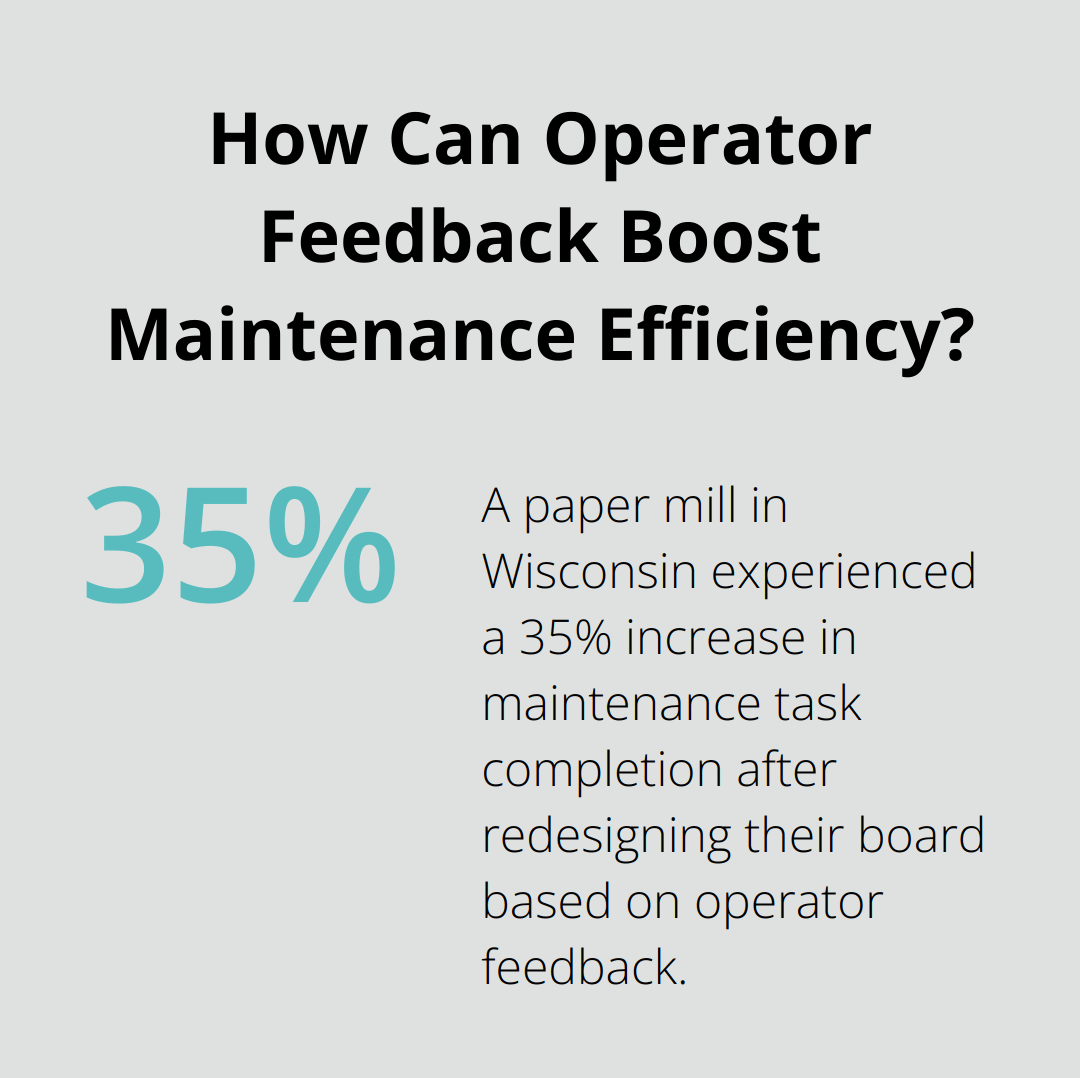
A paper mill in Wisconsin experienced a 35% increase in maintenance task completion after redesigning their board based on operator feedback. The key was the inclusion of specific sections for common issues that operators had previously struggled to report efficiently.
Leverage Visual Communication
Color-coding and visual cues serve as powerful tools for quick information processing. Use consistent colors across your board to denote task priorities, equipment status, or maintenance categories. For example, red indicates urgent tasks, yellow for ongoing work, and green for completed items.
A manufacturing plant in Michigan reduced response time to critical issues by 40% after implementing a color-coded system on their activity board. The visual cues allowed workers to quickly identify and prioritize urgent tasks without reading detailed descriptions.
Integrate Standard Operating Procedures
Your activity board should function as more than just a task list - it should become a central hub for maintenance knowledge. Incorporate links or QR codes to relevant Standard Operating Procedures (SOPs) directly on the board. This integration ensures that workers always have access to the most up-to-date procedures and can quickly reference them when needed.
A food processing facility in California observed a 25% reduction in maintenance errors after adding QR codes (linking to SOPs) on their activity board. Workers could easily access detailed instructions for complex tasks, which improved accuracy and efficiency.
Regular Review and Updates
The most effective activity boards evolve over time. Implement a process to regularly review and update your board design based on feedback and changing needs. A chemical plant in Texas implemented a monthly review process for their activity board and saw continuous improvements in maintenance efficiency, with a 15% year-over-year increase in preventive maintenance completion rates.
Choose the Right Digital Solution
When selecting a digital solution for your activity board, opt for a platform that offers comprehensive features tailored to maintenance needs. Try to find solutions that provide automated workflows, real-time dashboards, and intuitive digital forms. These features not only digitize your activity board but also integrate it seamlessly into your broader maintenance strategy.
For companies seeking a top-tier solution, Weever Apps offers a powerful Connected Worker platform. It boasts features like automated workflows, real-time dashboards, and intuitive digital forms, making it an excellent choice for optimizing frontline operations and enhancing maintenance activities.
Final Thoughts
An effective autonomous maintenance activity board optimizes maintenance operations through clear layouts, prioritized tasks, and key performance metrics. Frontline worker involvement and visual cues create a user-friendly tool that drives action and accountability. Digital solutions enhance these boards with real-time updates, mobile access, and data-driven insights, propelling maintenance programs to new efficiency levels.
Modern manufacturing demands digital solutions for responsive and proactive equipment care. Weever Apps offers a comprehensive Connected Worker platform that can transform maintenance operations. Its features include automated workflows, real-time dashboards, and intuitive digital forms.
Implementing a well-designed autonomous maintenance activity board lays the foundation for excellence in modern manufacturing. It equips teams to face challenges and revolutionize maintenance processes (without relying on outdated methods). Take the first step today to unlock new levels of operational efficiency with an optimized activity board.

.webp)

Spend Less Time on Admin. More Time Improving Operations.
See how Weever automates data entry, reporting, and action items so you can focus on improvement not admin.