

-%20smaller.webp)
.webp)
Explore More Blogs
Thank you for requesting a brochure
A download link has been sent to the email address you provided.
Tell us a bit about yourself. We work with organizations of all shapes and sizes from all over the world. If you want to realize the rich benefits of Autonomous Maintenance we can help you as well.
Over 2 million jobs completed for over 100,000 users worldwide. View Testimonials

Master Batch Records
Don't sacrifice efficiency for compliance.
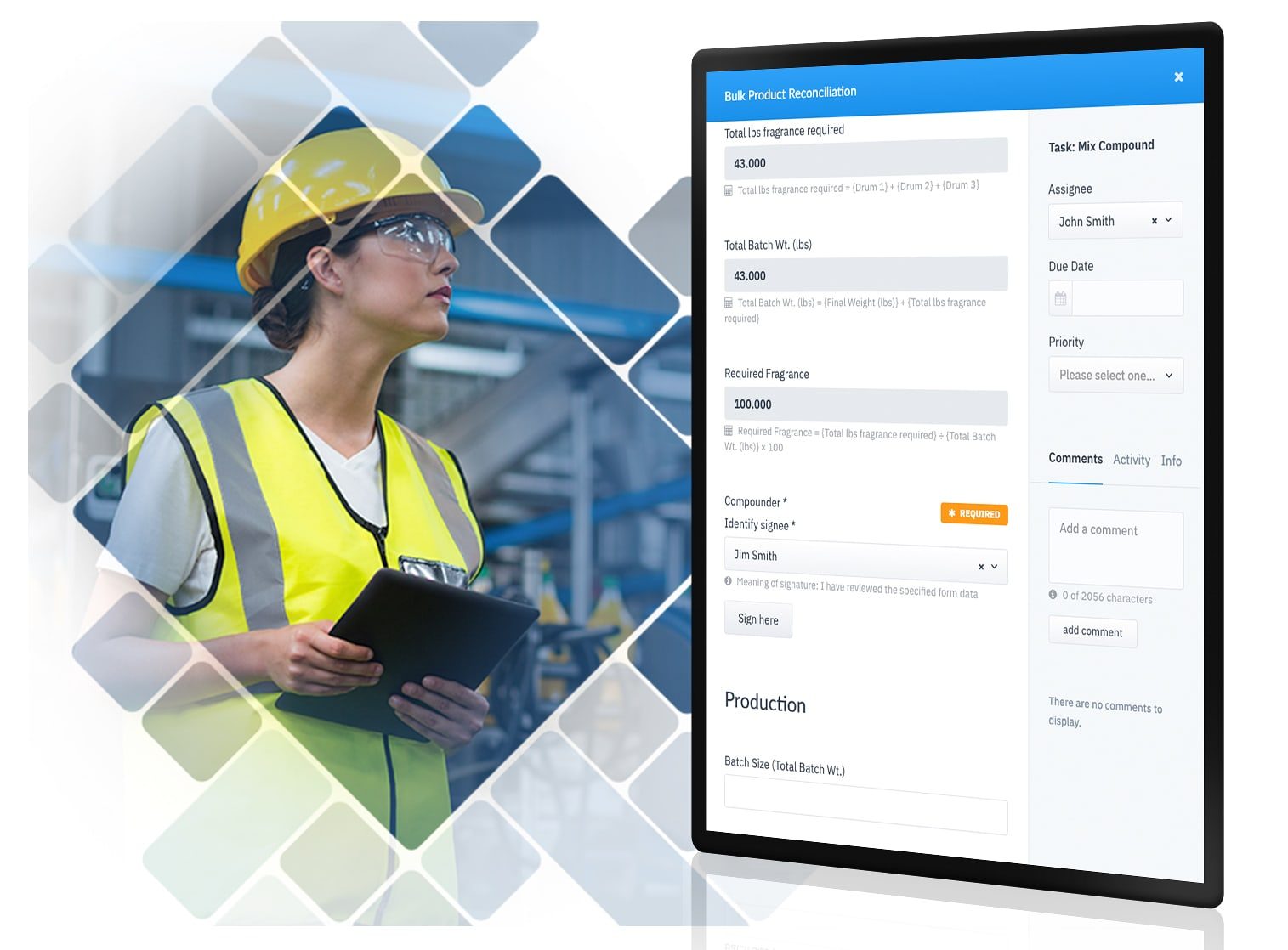
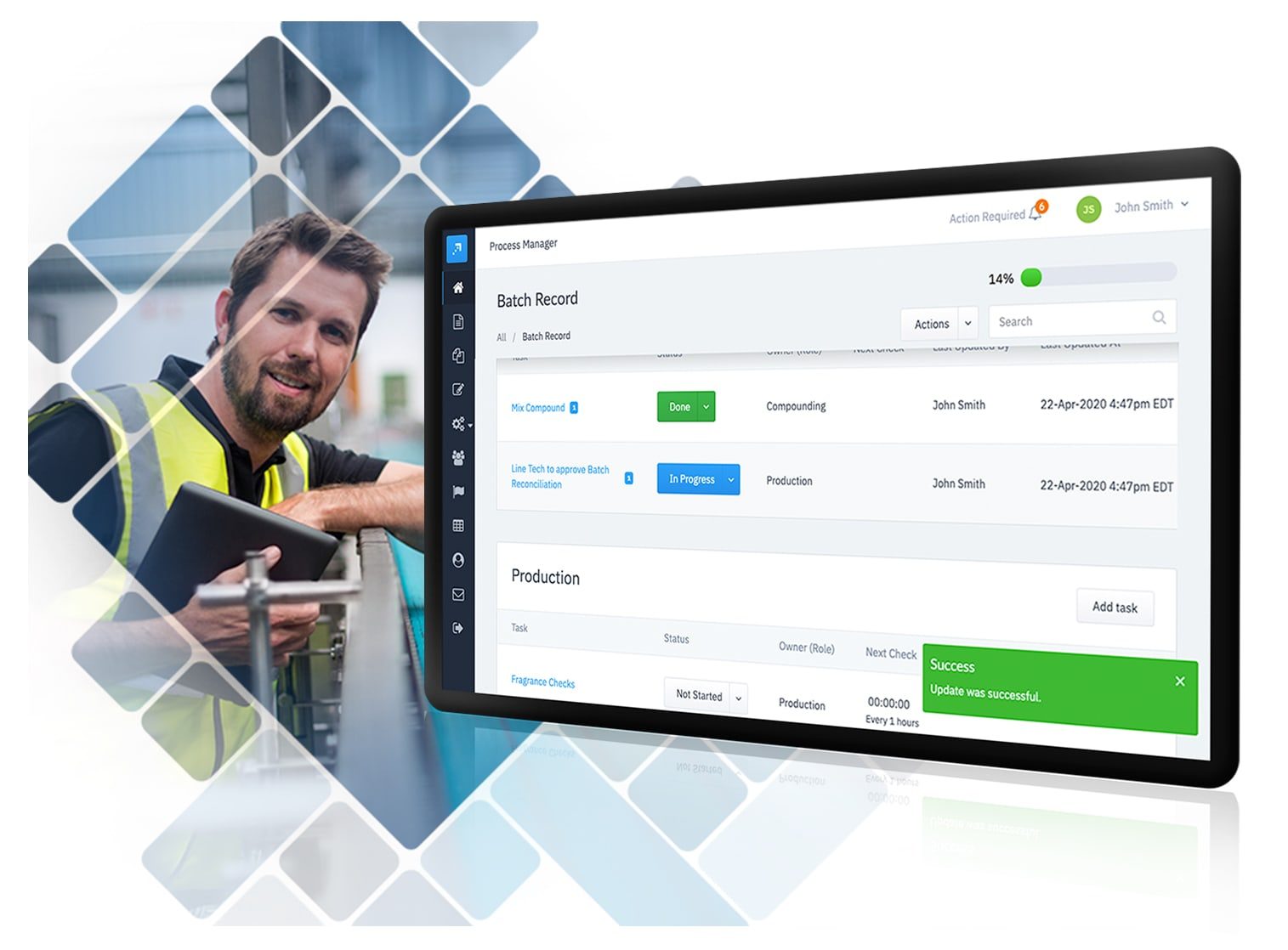
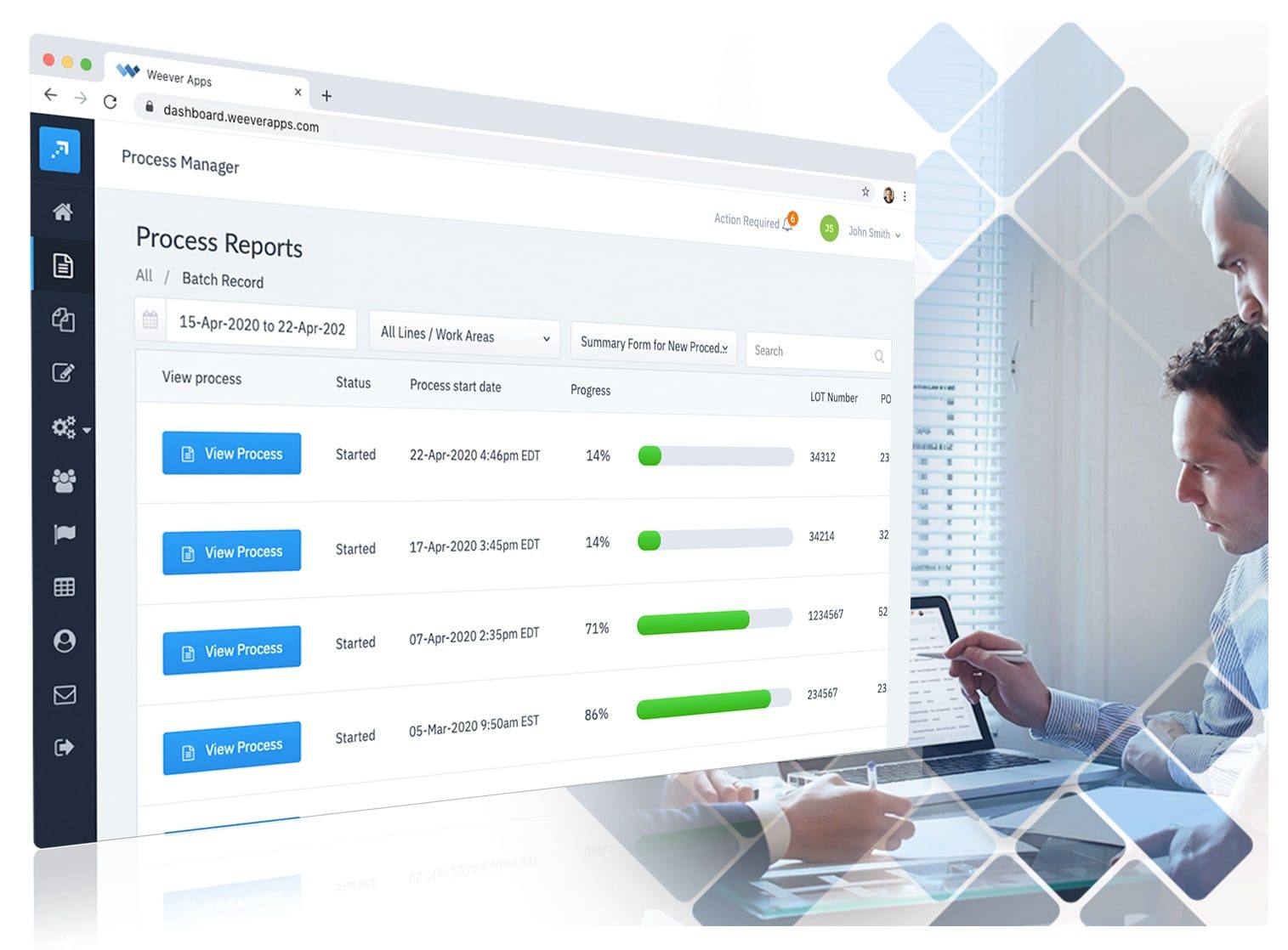
Getting batch records right is extremely important to food manufacturers. If not managed effectively, organizations can risk fines, damage to the brand and the safety of their customers. The Weever platform includes over 40 data integrity features to ensure tasks are executed correctly every time. Digitized processes save time and reduce paper consumption. Management can stay on top of batch records with real-time issues resolutions features and progress reports.
DATA COLLECTION
Data capture doesn't have to be a "necessary evil".
Collecting information from your staff is necessary to run a modern business effectively. Make it easy for staff to collect required data so that they spend less time with forms and more time optimizing production.
- Assign repeated tasks
- Collect photos
- Automate Calculations
- Ensure integrity with double blind fields and number checks
ADAPTABLE
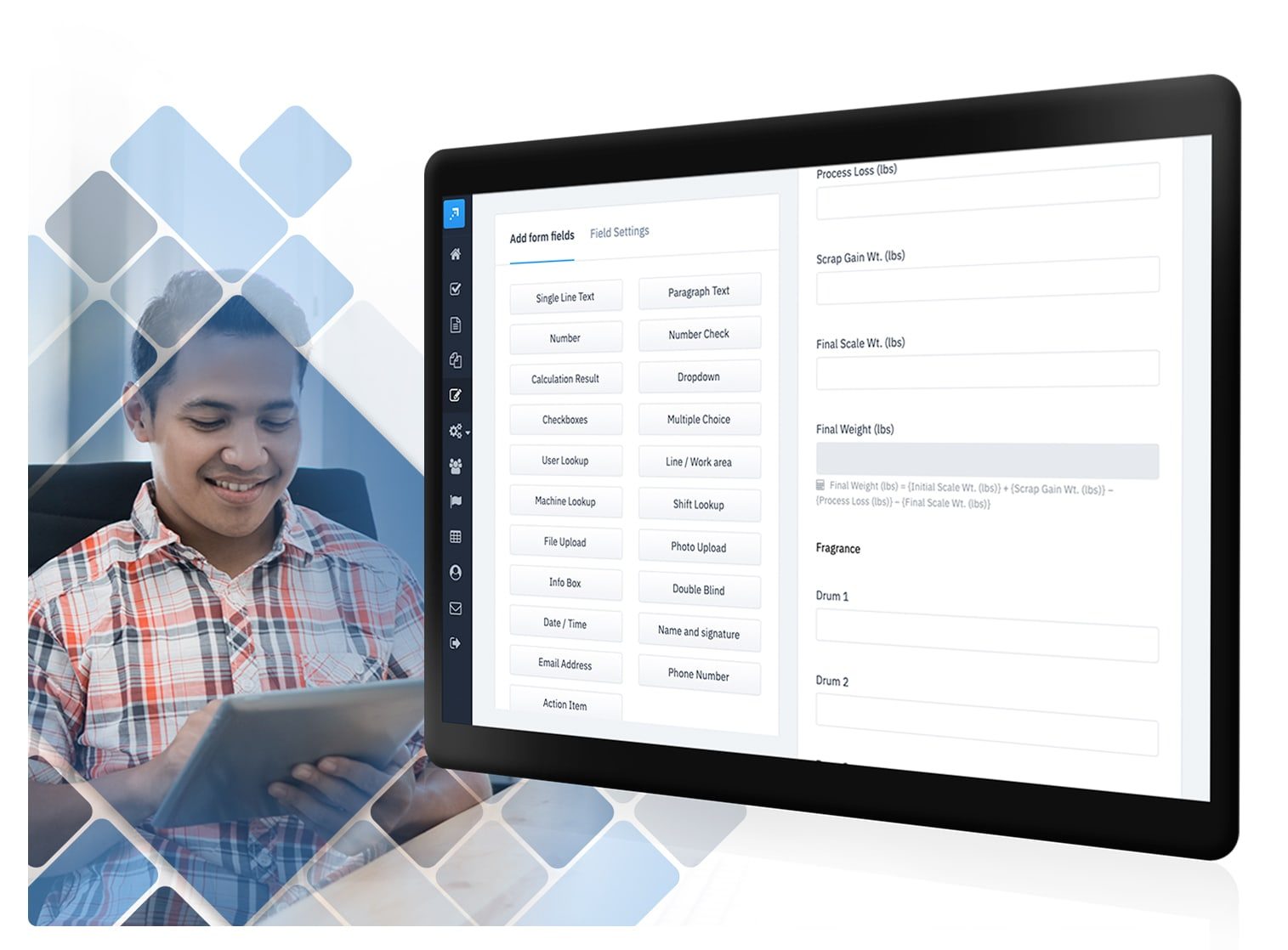
Adapt templates or build your own.
Digitize forms to collect data and processes that guide your staff on the steps they need to take to be compliant. Work with our customer success team to ensure your solution is ready to launch in weeks, not months.
MANAGE WORKFLOWS
Get it right - everytime.
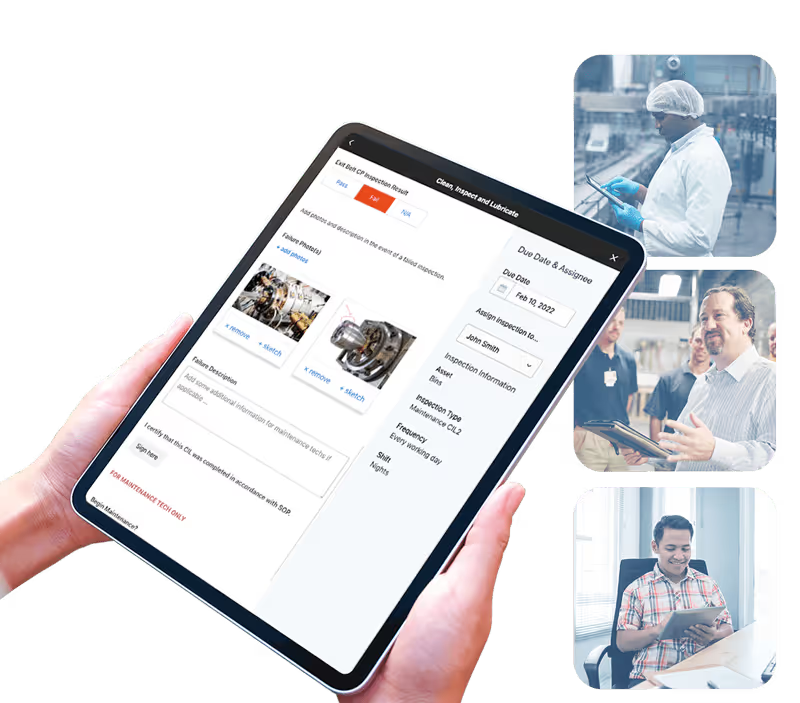
Ensure every data point is captured correctly and by qualified staff. Smart alerts ensure staff know what's coming.
AUDIT READY
Ensure data integrity and security.
Weever is a comprehensive solution for cloud-based FDA, CFIA and EU Annex regulated electronic batch management that will help you manage component and material compliance evidence for RoHS, REACH, and conflict minerals and helps quality teams meet FDA regulations like 21 CFR Part 11 and 820.
Everything you need to get it done.
Customizable Templates
Dashboard Reporting
Automated Workflows
Schedule Management
Real-time Visibility
On-Demand Instructions
Take a Guided Tour.
Do it all with Weever.
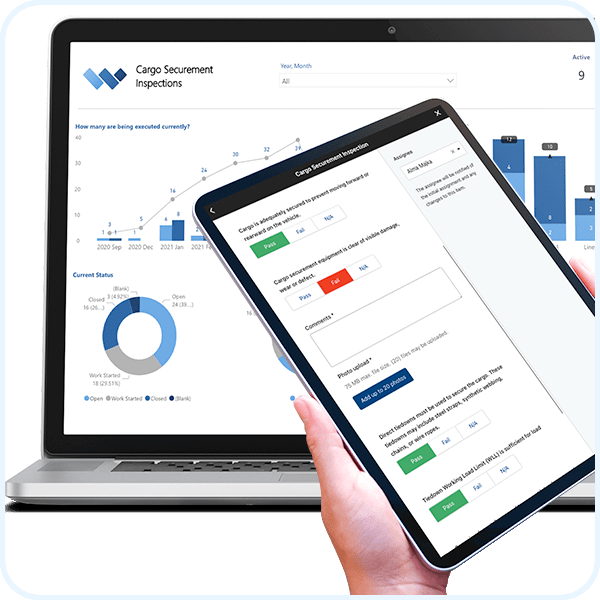
Cargo Securement Inspection
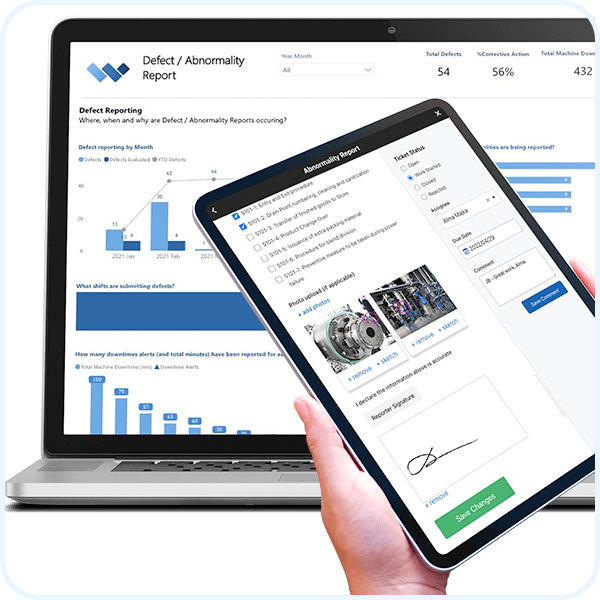
Abnormality Reporting
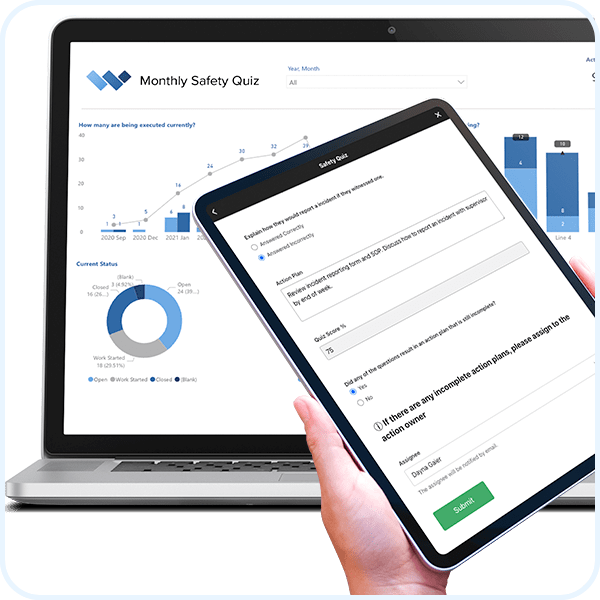
Monthly Safety Quiz
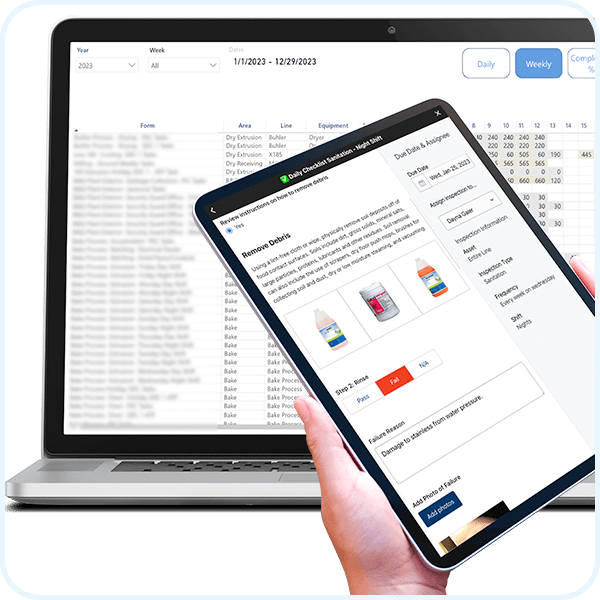
Master Sanitation Schedules
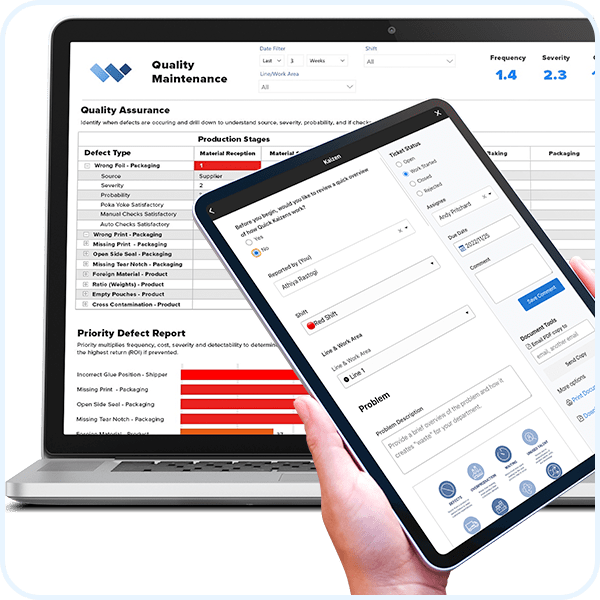
Quality Assurance Matrix
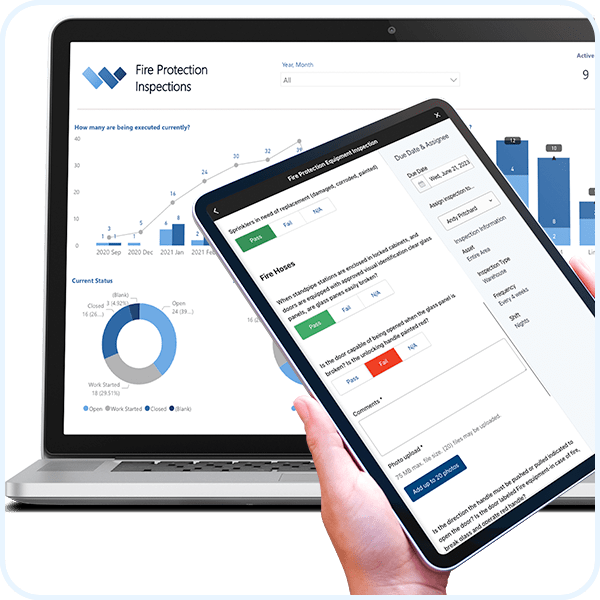
Fire Protection Equipment Inspections
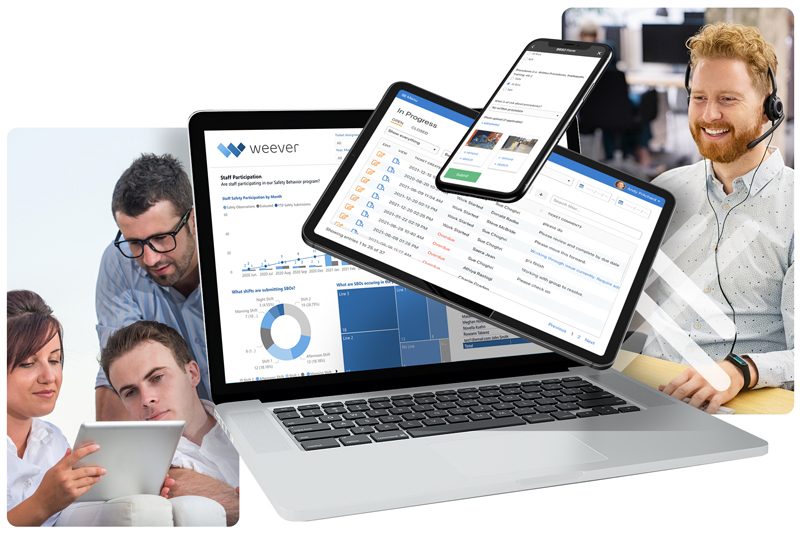
Weever is a comprehensive workflow management platform that is used to automate safety, quality, maintenance, production, compliance, continuous improvement and training operational requirements.
Take a Guided Tour.
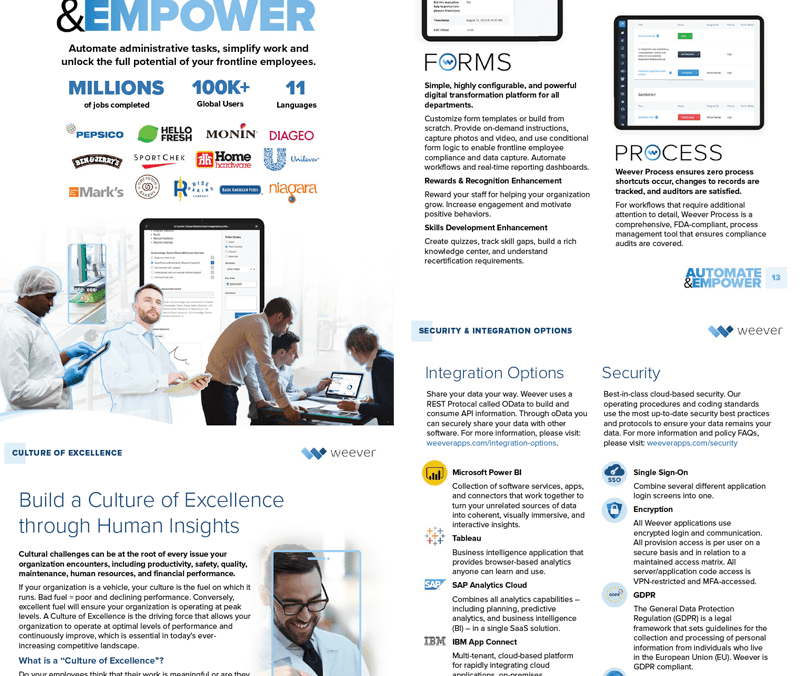
Learn about the Platform.
Download the brochure to get all the details about how Weever works.

What are the types of abnormality categories and why should I use them?
Abnormalities (a.k.a. Process Deviations) occurs when a product, service, process or business operation fails to meet standard operating processes (SOPs) or other requirements. These requirements may be set by external organizations, regulators, or the organization itself.
SOP requirements are often set to meet certain standards in order to avoid risks, failure, and costs. They are the prescribed algorithm that the organization has deemed to be the current understanding of the most optimal way to do something. In cases where SOPs are required by law or to obtain 3rd party certification, there can be little or no room to address improvements to these processes.
However, many SOPs are prescribed by the organization itself, and the incremental improvement of these processes can result in enhancements to efficiency, product quality, OEE and the organization's financial performance.
The first step in continuous improvement is to find opportunities for improvement. These opportunities can be suggestions, but they are usually abnormalities - i.e. situations where the SOPs were not implemented exactly as prescribed due to some unforeseen, not predicted circumstance.
Abnormality detection starts with your frontline employees having an intuitive understanding of what is supposed to happen (SOP) so they can immediately recognize and report abnormalities. Abnormalities can be related to safety, maintenance, product and general operations.
When capturing abnormalities, it is important to categorize reports so that you can provide immediate feedback and better organize your reporting. You can provide some considerations for your staff to better understand what they are reporting, to potentially aid immediate corrective actions, and to help them provide better details in their report. Of course, this process doesn't work very well with paper forms, but it works amazingly well with software.
Here are the recommended categories and subcategories as well as some helpful considerations for your frontline staff to aid next steps.