
5 Best Food Manufacturing Sanitation Software in 2026: Key Features, Pricing, and Value Props

Table of contents

Share:


Food manufacturing sanitation software helps teams digitize and maintain their cleaning schedules, workflow, and records. When choosing the best platform, look for closed-loop actions, multisite visibility, and easy frontline adoption. Weever brings these together in one easy-to-use platform built for the reality of frontline teams. Here are our top three picks:
Food manufacturers are rethinking sanitation management
Every minute a supervisor spends chasing cleaning records is a minute they could spend on the production floor. Yet in many food manufacturing facilities, tracking sanitation still means sorting through paper checklists, updating spreadsheets, and following up on incomplete entries.
Food manufacturing sanitation software gives teams a more practical way to manage cleaning schedules, document completed tasks, and flag issues before they get overlooked. The trick is finding a platform that reduces the administrative burden without creating more work for frontline staff. We compare five options for 2026, including Weever, to help you find one.
Why listen to us?
Weever is a connected worker platform built for food, beverage, and CPG manufacturers. Plants use it to run their frontline programs, sanitation among them, capturing the work on the floor and turning it into data leaders can act on.

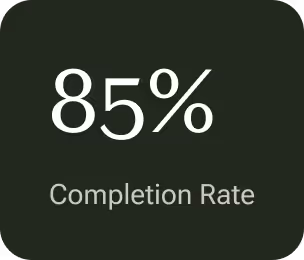
That means we see sanitation from inside the plant rather than from a product page. At Mars Fort Smith, the sanitation department reached a 100% completion rate on every task managed through Weever.
We also sell against most of the tools on this list, so we know where each one is strong and where plants run into limits. We have noted both.
What is food manufacturing sanitation software?
Food manufacturing sanitation software is a category of operational tools that plants use to schedule, execute, verify, and document cleaning and sanitation work. It covers the daily, weekly, monthly, and periodic tasks that a facility performs to keep equipment, rooms, and surfaces free of soil, allergens, and microbial contamination.
Most teams start with paper checklists, binders, and spreadsheets when tracking sanitation activities. These go missing, sit unreviewed, and make it hard to answer a simple question: Was it cleaned? Sanitation software moves that work into digital workflows and gives sanitation, quality, and operations teams one record of the sanitation program instead of a filing cabinet.
In practice, these platforms hold the master sanitation schedule and release each task to the right crew on the right shift. They present the sanitation SOP at the point of work. They capture pre-operational inspection results, chemical concentrations, titration readings, and photo evidence at the source. When a task fails or a reading falls outside limits, they log the deviation and route it for correction.
Benefits of using food manufacturing sanitation software
Sanitation runs on a steady stream of recurring tasks across rooms, lines, and shifts. Here is what changes when that work moves off paper:
- Maintain higher cleaning standards: Consistent instructions and scheduled tasks help staff clean equipment and production areas thoroughly. This reduces variation between employees and shifts, making it easier to maintain the same sanitation standards across the facility.
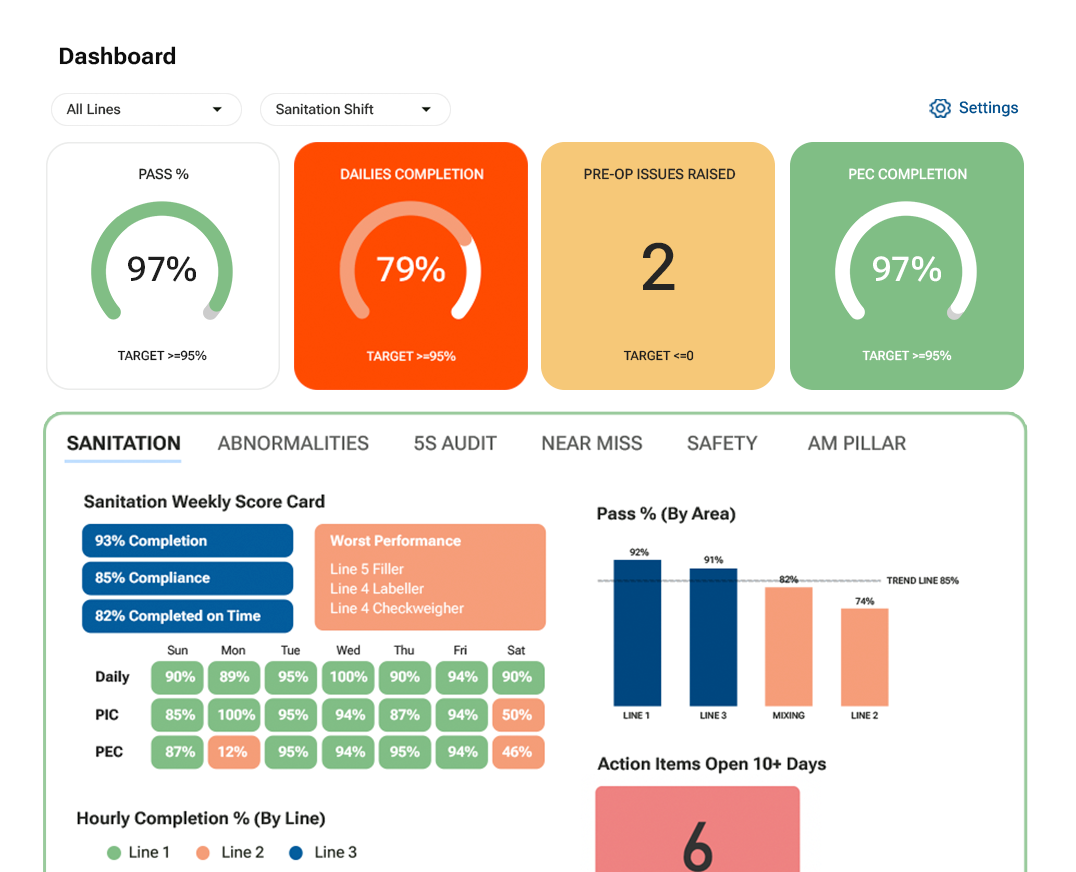
- Know sanitation status in real time: Instead of reviewing logs at the end of a shift, supervisors see what is complete, what is in progress, and what is overdue as it happens. Quality teams stop walking the floor to verify and start managing by exception.
- Make ownership explicit: Paper logs record what was cleaned and how, but rarely who was responsible. Digital assignment and sign-off attach a name to every task and every corrective action, which removes the ambiguity that surfaces after an audit finding.
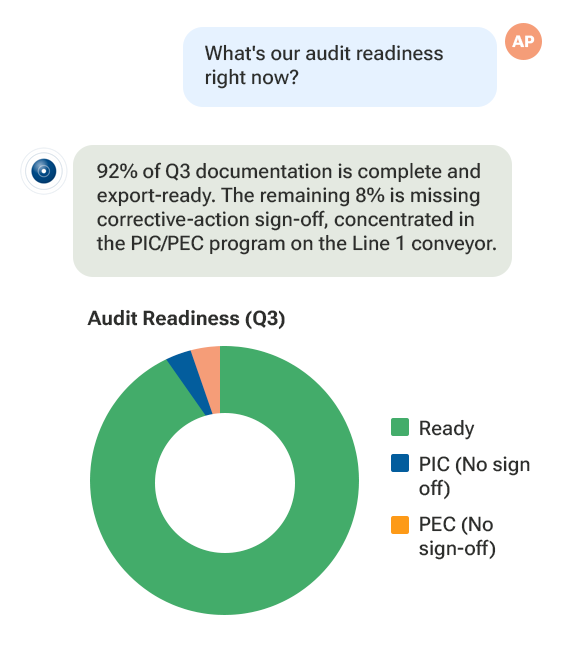
- Approach audits with greater confidence: When an auditor asks for proof of a completed cleaning task, teams pull the record instead of searching folders and binders. Inspection results, sign-offs, and corrective actions sit in one place, so audit prep takes minutes rather than days.
- Reduce administrative work: Digital forms, automated reminders, and centralised reporting take the place of paper checklists and manual record entry. Sanitation teams spend their time cleaning and verifying rather than chasing paperwork.
- Run the same program across every site: One sanitation model, configured per site, means tasks, frequencies, and scoring stay consistent. Corporate teams compare performance without collecting spreadsheets from each plant.
The 5 best food manufacturing sanitation software in 2026
Here’s a quick side-by-side look at the top tools for teams:
1. Weever
Weever is a connected worker platform for CPG and process manufacturers. For food manufacturers, it brings sanitation, safety, quality, maintenance, production, and continuous improvement into one system.
Unlike tools built mainly to digitize checklists, Weever runs sanitation as a complete loop. Every deviation gets an owner and stays visible until it is closed and the root cause is fixed. Multisite manufacturers can then run the same program and the same standard across every facility.
At Mars Fort Smith, the sanitation department reached a 100% completion rate on all tasks managed through Weever, and Monin saved three to four hours a day on manual data management and reporting.
Key features
- Master sanitation scheduling: Tasks are scheduled by area, room, and shift and reach the right crew with instructions and visual guidance at the point of work.
- Closed-loop issue tracking: When a check fails or a reading falls out of spec, the deviation gets an owner and a due date and stays visible until it is closed and the root cause is fixed. The original reporter is notified, so problems do not get lost between shifts.
- Multisite program management: Run the same sanitation program across every facility, with site-level configuration and central reporting, so corporate teams compare performance without collecting spreadsheets.
- Connected frontline programs: Manage sanitation alongside safety, quality, maintenance, 5S/6S, and production workflows on one platform.
- Automated reporting and integrations: Sanitation data flows into Power BI and other business systems via OData, Excel, and MCP, so the records stay yours and feed the reporting you already run.
- AI-powered risk detection: Weever Radar flags patterns in frontline data that may indicate emerging operational risks.
Pricing
Weever charges a site-wide fee with unlimited users, so every operator, cleaner, and supervisor who runs a check is included without per-seat licence costs. Pricing is quoted per site rather than published, so you will need to contact sales for a figure.
Value props
- Unlimited users per site, so every operator, cleaner, and supervisor who runs a check is included
- Bilingual and multilingual workflows that third-party sanitation crews can follow
- Audit records pull in minutes instead of days of binder assembly
- Simple interface with no process redesign and no lengthy onboarding
- One real-time view of what is clean, what is overdue, and where risk is building
- Goes live in 4-5 weeks through A.D.A.P.T., starting with one high-impact process
Best for
Multisite food manufacturers who need deviations tracked to closure and one MSS across every plant
2. Mitti (formerly SafetyCulture)
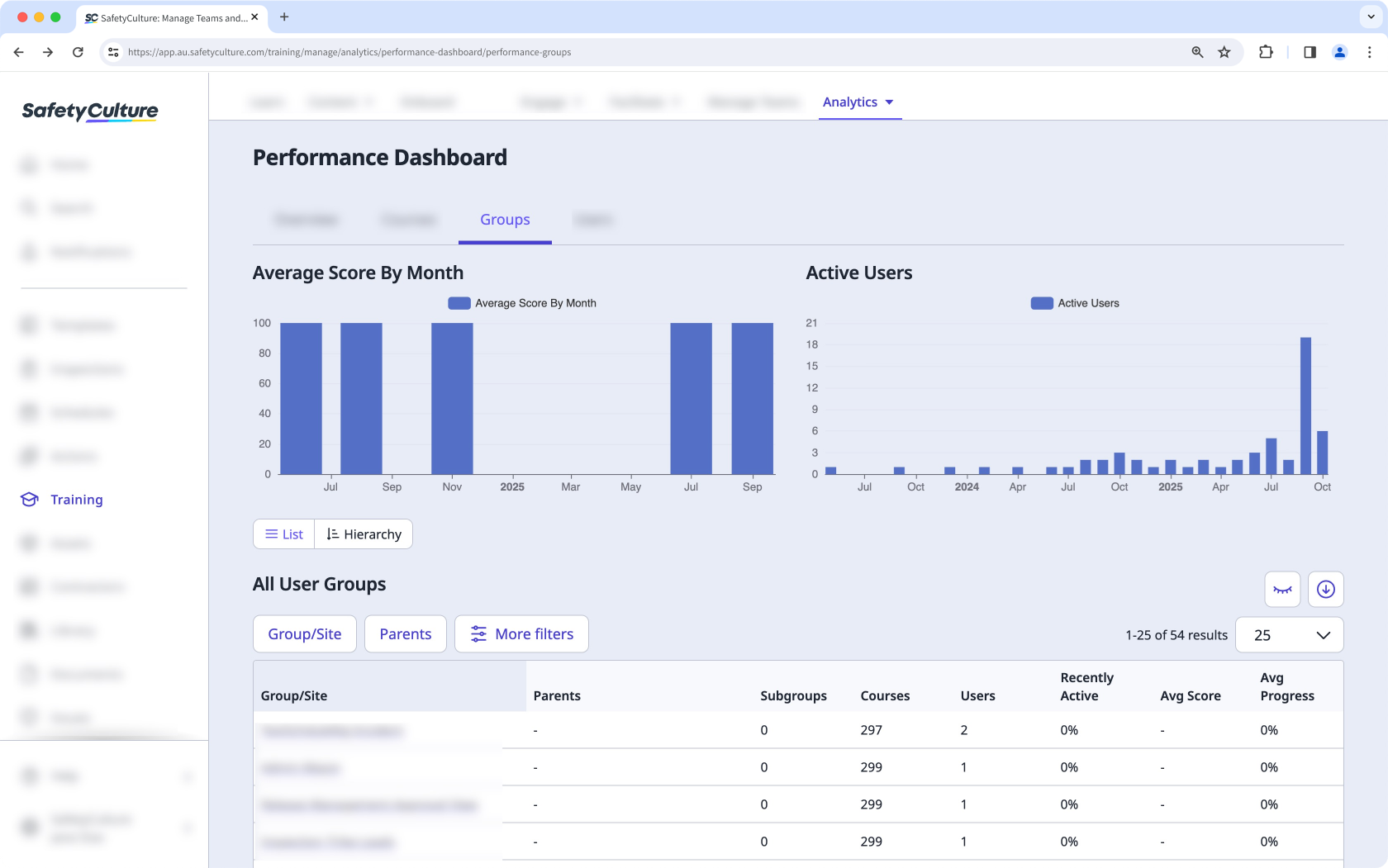
Mitti (formerly SafetyCulture) is an operations and inspection platform that links people, workflows, and operational data together in one system. Its template library gives teams a great starting point for documenting routine inspections, without building every workflow from scratch.
Mitti is popular among small plants with straightforward inspection and documentation needs. However, teams that rely on advanced analytics or custom dashboards may find its capabilities limiting.
Key features
- Inspection template library: Use ready-made templates to structure routine checks and documentation.
- Digital checklists and inspections: Standardize inspections and track completed and outstanding work.
- Automated reporting: Generate reports from completed checks, including findings, outstanding actions, and next steps.
- Automated reporting: Compile findings and outstanding actions into reports for review.
Pricing
- Free: 5 active inspection templates with basic analytics, tasks, and issue reporting.
- Premium ($24/ seat/month): Unlimited active inspection templates and multi-language templates, advanced analytics, and custom integrations.
- Enterprise (Custom): Enterprise-grade user management and 24/7 priority support.
Value props
- Reports can be output in any format, which suits different customer types
- Quick and reliable support
- Clean and intuitive interface with minimal training required
Best for
Smaller food manufacturing plants that want ready-made inspection templates and a practical way to move away from paper checks.
3. Augmentir
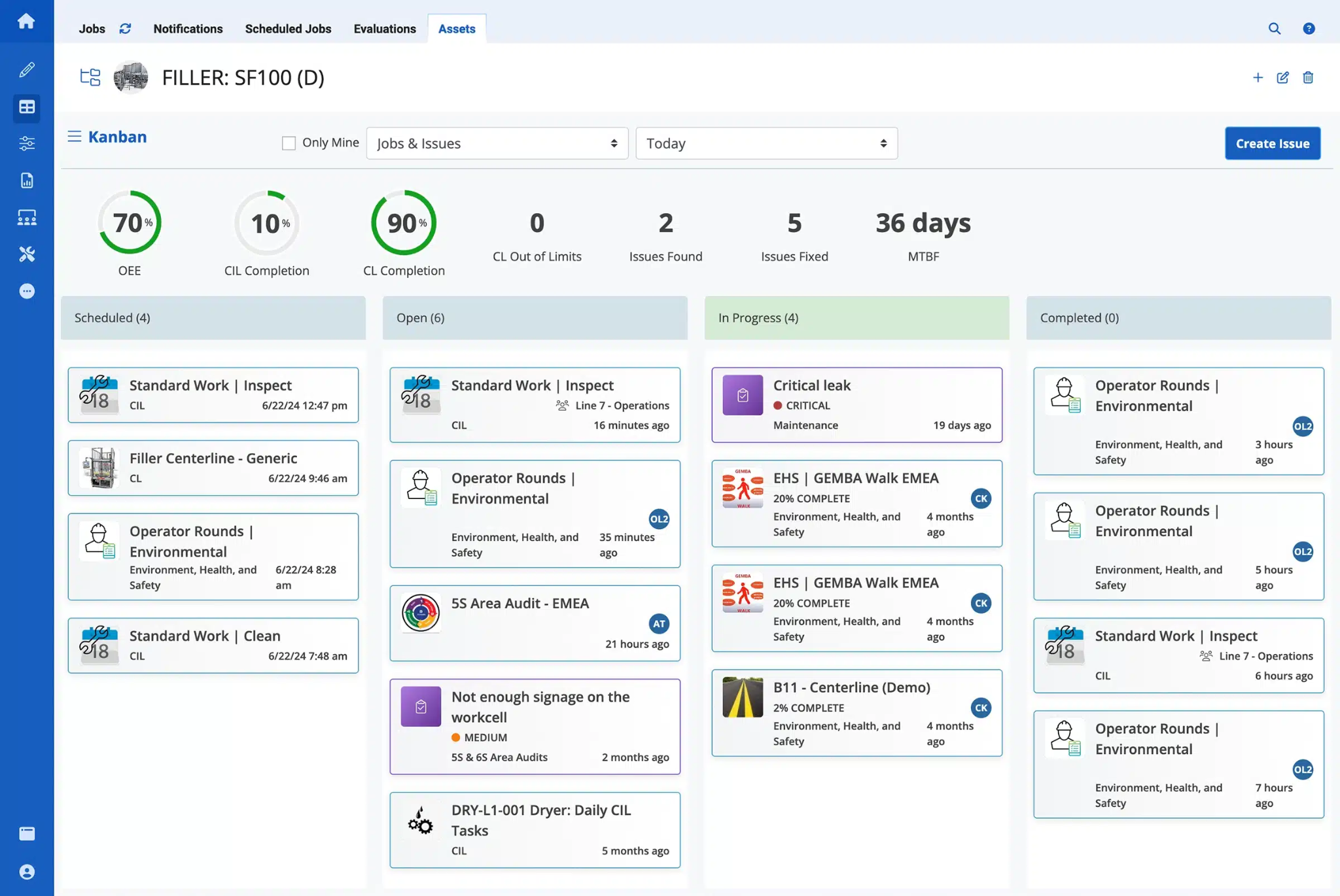
Augmentir is an AI-powered connected worker platform, and the only tool in this roundup that overlays work instructions onto equipment through augmented reality. For sanitation, that means a crew can follow a teardown and cleaning sequence with visual guidance anchored to the machine in front of them, rather than reading a step on a screen and looking back at the line.
That makes it a strong fit for complex, high-consequence procedures that are hard to get right from text alone. Plants whose main problem is recurring everyday sanitation tasks, rather than procedural complexity, may find the AR capability more than they need.
Key features
- AR-augmented work instructions: Overlay visual guidance onto equipment and work areas to help workers follow procedures in the correct sequence.
- Remote expert assistance: Connect frontline workers to a specialist who can see what they see and guide them through an unfamiliar task.
- Guided sanitation and CIP workflows: Digitize cleaning procedures and document execution step by step.
- Enterprise integrations: Connect frontline workflows with systems such as ERP, MES, CMMS, and QMS platforms.
Pricing
Augmentir does not publish list pricing, so you will need a quote from sales. Expect a per-user model, which means deciding in advance who gets a licence.
Value props
- The only platform here with AR and remote expert guidance built in
- Flexible tool with extensive customization options
- Supports collaboration across frontline teams
Best for
Food and beverage manufacturers whose sanitation procedures are complex enough that visual, equipment-anchored guidance changes the outcome.
4. Parsable
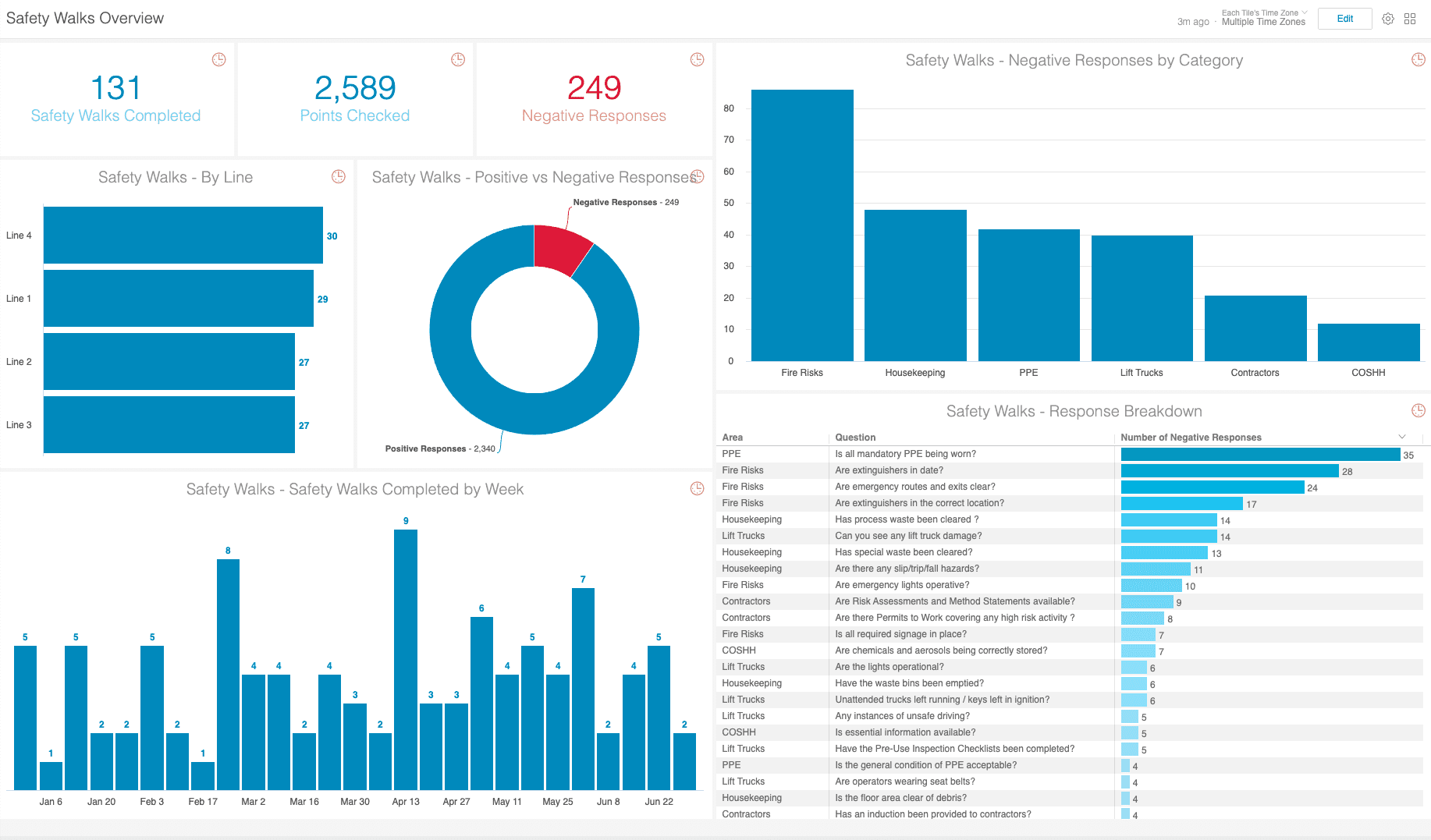
Parsable helps manufacturers replace paper-based procedures, checklists, and inspections with standardized digital workflows. Its main strength is how quickly plants can turn existing paper SOPs into step-by-step procedures on mobile devices, which suits sites with a large backlog of sanitation procedures still in binders. Plants that need failed checks to trigger assigned follow-up through to closure should confirm how far its issue tracking goes.
Key features
- Digitized inspections and checklists: Move routine checks and data collection into digital workflows.
- Compliance tracking: Record task completion and adherence to required procedures.
- Frontline training: Deliver work-related learning and instructions at the point of execution.
- Paper-to-mobile procedure conversion: Turn existing paper SOPs into step-by-step mobile procedures crews follow at the point of work.
Pricing
Parsable has not provided pricing information so interested users will have to reach out to the team for more details.
Value props
- Digitize routine audits, inspections, checklists, and related data collection
- Robust integrations, connecting frontline workers with critical apps
- Easy-to-use tool
Best for
Food manufacturers with a large backlog of paper sanitation SOPs who want them on mobile devices fast, across every line and shift.
5. Redzone
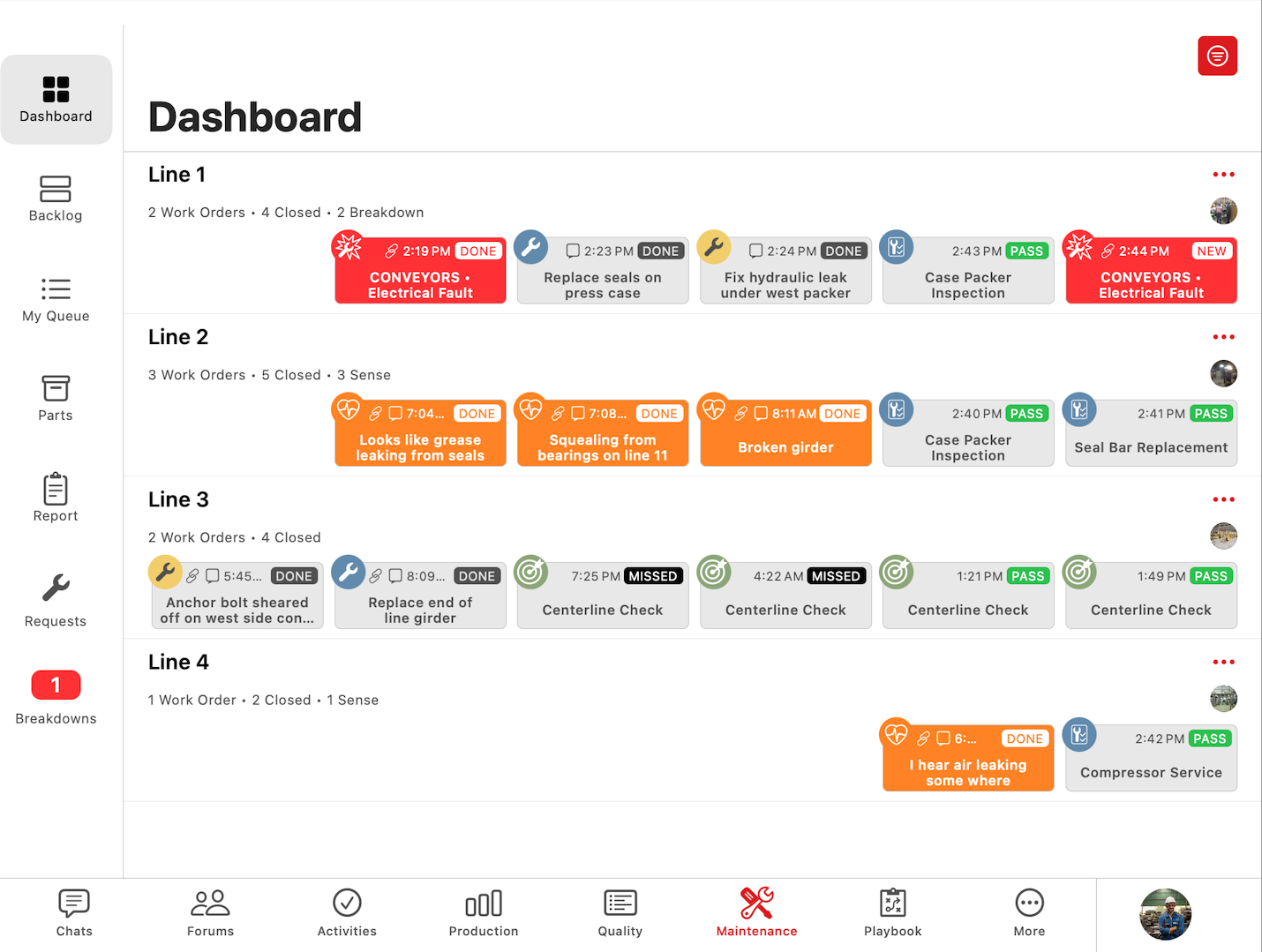
Redzone is a connected workforce platform built around real-time production performance. For sanitation, its angle is different from the rest of this list: because it already monitors the line, it treats cleaning as part of the production picture. CIP cycles are logged as planned downtime and measured against a standard duration, so a plant can see when cleaning is running long and what that costs in capacity.
That makes it a strong fit where CIP is the bulk of the sanitation workload. Manual cleaning of rooms, drains, and open equipment sits outside the line view, so plants with heavy manual sanitation will need the records for that elsewhere.
Key features
- Real-time production visibility: Monitor production performance and operational issues across lines and shifts.
- CIP as tracked downtime: Log cleaning cycles against a standard duration and see them alongside unplanned stops in the same report.
- Compliance checks: Capture quality and EHS checks with cross-department trigger workflows.
- Frontline coaching: Give teams operational feedback to support performance improvement.
Pricing
Redzone doesn’t publish pricing, so you must reach out to the team for a custom quote.
Value props
- Sanitation time becomes visible as a measurable cost rather than assumed downtime
- Strong dashboards by line, shift, and production period
- Coach-led implementation with hands-on rollout support
Best for
Food and beverage plants where sanitation is mostly CIP, and cleaning time needs to be visible alongside live line performance
Evaluation criteria for the platforms featured
We evaluated each food manufacturing sanitation software based on five criteria:
- Sanitation task management: How well the software supports cleaning schedules, task assignments, checklists, and completion tracking across production areas.
- Compliance and documentation: Whether it maintains accurate sanitation records, inspection logs, corrective actions, and audit trails to support food safety compliance.
- Ease of use: How easily frontline workers can access instructions, complete checklists, and record results on the production floor, including on mobile devices.
- Monitoring and reporting: Whether supervisors can track sanitation progress, identify missed tasks, review inspection results, and spot recurring issues.
- Integration and scalability: How well the software fits existing manufacturing workflows and systems, and whether it can support additional production lines, facilities, and users as operations grow.
How to choose the best food manufacturing sanitation software
When choosing sanitation software, you want a tool that fits your plant’s existing processes and helps staff keep cleaning tasks, records, and inspections on track.
Keep an eye out for the following features:
- Closed-loop corrective actions: Look for tools with automated assignments, owners, due dates, reminders, and a way to verify that issues were actually resolved. Weever stands out here with automatic action items and loop-back alerts that notify the person who reported an issue when it is resolved.
- Multisite visibility and standardization: If you operate several plants, look for a platform that lets you standardize sanitation programs while giving teams visibility into performance by site, line, and shift. This is particularly important when corporate teams need to compare sites without collecting spreadsheets or reports manually.
- Easy adoption on the plant floor: Choose software that frontline staff can use with minimal training and disruption to their routines. Look for QR-code access at the workstation, support for shared devices, and workflows that mirror the paper process people already know, so crews are not waiting on app installs or individual logins.
- Licensing model: Work out what full participation costs, not pilot-group cost. Per-seat pricing means deciding who gets access, and that decision becomes the ceiling on how many people can actually submit. Site-wide licensing removes that limit but is usually quote-only, so ask early.
- Integration with your existing systems: Sanitation software should not create another isolated data source. Check whether it can connect with the ERP, CMMS, BI tools, SSO, or other systems your plant already uses. This makes it easier to bring sanitation data into broader operational reporting.
- Room to connect sanitation with other programs: Consider whether you will eventually want to manage quality checks, safety observations, 5S, autonomous maintenance, or production workflows alongside sanitation. A platform that supports multiple frontline programs can reduce tool sprawl and give teams one place to manage related processes.
Final note: Take the next step toward better sanitation management
Keeping a food manufacturing plant clean takes more than a checklist. Teams need to keep cleaning tasks on schedule, maintain accurate records, and catch problems before they affect production. Sanitation software helps bring these tasks together without adding more paperwork.
Weever takes this a step further by letting you build digital sanitation workflows around your existing processes. With unlimited users under site-wide pricing, hands-on support, and tools for other frontline programs, it gives your team more ways to manage daily operations in one place.
FAQs
1. What is the difference between sanitation software and a general food safety platform?
Sanitation software focuses specifically on cleaning schedules, sanitation procedures, verification, deviations, and corrective actions. Broader food safety platforms may cover HACCP, audits, supplier management, compliance documentation, and other food safety processes. Neither replaces a quality management system, which holds program-level records rather than running the work on the floor, so most plants run a QMS alongside whichever tool executes the daily sanitation program. Some platforms, including Weever, extend beyond sanitation so teams can run multiple frontline programs from the same system.
2. Is sanitation software worth it for a single manufacturing plant?
Sanitation software can pay off at a single plant, particularly when teams spend significant time maintaining paper records, re-entering data, or chasing unresolved issues. The case strengthens when the plant needs better audit readiness or wants to connect sanitation with quality, safety, maintenance, or production workflows.
3. When should a food manufacturer move from spreadsheets to sanitation software?
A food manufacturer should look at sanitation software when teams maintain large paper binders, deviations live in separate spreadsheets, managers spend hours consolidating records, corrective actions run routinely overdue, or leadership cannot get a reliable view of sanitation performance across sites. At that point the problem is usually the workflow itself, not the format of the records.
4. Does sanitation software need to be 21 CFR Part 11 compliant?
Food plants keeping sanitation records electronically generally need 21 CFR Part 11 controls, including audit trails, electronic signatures, and protected records, for those records to hold up with an auditor. Not every platform supports this, so it is worth confirming before a plant retires its paper records.
Spend Less Time on Admin. More Time Improving Operations.
See how Weever automates data entry, reporting, and action items so you can focus on improvement not admin.