

-%20smaller.webp)
.webp)
Explore More Blogs
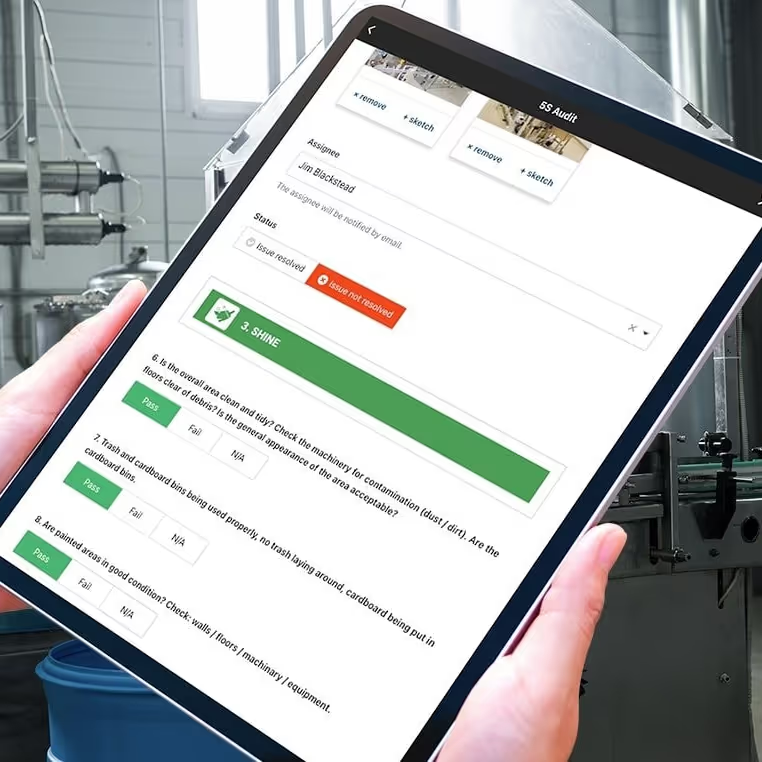
How Can Leveraging Digital Transformation Enhance Autonomous Maintenance with Weever?
Digital transformation is revolutionizing every aspect of business operations, and maintenance practices are no exception. Autonomous Maintenance (AM), a key component of modern maintenance strategies, benefits immensely from the integration of advanced digital tools. Digital transformation reshapes maintenance practices by enhancing efficiency, reducing downtime, and enabling teams to make more informed decisions. The result is a more agile, responsive, and effective maintenance operation.
Weever is at the forefront of this transformation, providing businesses with the tools they need to stay ahead. By leveraging digital innovations, Weever supports the seamless adoption and implementation of AM, helping organizations improve productivity and maintain a competitive edge.
Simplified Integration with Ease of Use
Digital transformation is only as effective as the tools and systems that implement it. For businesses to fully benefit from advanced maintenance practices, these tools must be easy to integrate and use. This is where Weever excels.
User-Friendly Interface
Weever's platform is designed with the user in mind, featuring an intuitive interface that simplifies the integration of digital tools into AM practices. The platform's clean, easy-to-navigate design ensures that users, regardless of their technical expertise, can quickly adapt to new processes and workflows. This ease of use is critical for ensuring that teams can efficiently adopt advanced digital tools without facing a steep learning curve.
Key Features:
- Intuitive dashboard for easy navigation.
- Step-by-step guides to facilitate quick adoption.
- Visual aids and clear instructions to support user comprehension.
Effortless Adoption
One of the most significant challenges businesses face when adopting new digital tools is the time and resources required for training. With Weever, this challenge is significantly reduced. The platform's user-friendly nature minimizes the need for extensive training sessions, allowing teams to start implementing advanced maintenance practices almost immediately.
Benefits of Effortless Adoption:
- Reduced Training Time: Teams can get up to speed quickly, minimizing disruptions to daily operations.
- Higher Adoption Rates: The easier the system is to use, the more likely teams are to embrace it fully.
- Improved Efficiency: With minimal training required, teams can focus more on actual maintenance tasks rather than learning new systems.
Efficiency through Automated Workflows and Action Items
Digital transformation isn't just about adopting new tools; it's about using those tools to work smarter. Automation is one of the most powerful ways that digital transformation enhances maintenance practices, and Weever is designed to maximize these benefits.
Digital Automation
Weever automates maintenance workflows and assigns action items using advanced digital tools, ensuring that tasks are systematically and efficiently completed. This automation streamlines operations, reduces the likelihood of human error, and ensures that all necessary maintenance activities are carried out according to plan.
How Weever Helps Automate Workflows:
- Automatically generates maintenance schedules based on data inputs.
- Assigns specific tasks to team members, ensuring clarity and accountability.
- Tracks progress in real-time, allowing for immediate adjustments if needed.
Reducing Downtime
One of the primary goals of any maintenance strategy is to minimize downtime. Weever's automation capabilities are key to achieving this goal. By ensuring that all tasks are completed accurately and on time, Weever helps businesses avoid costly delays and equipment failures.
Impact of Automation on Downtime:
- Predictive Maintenance: Automated workflows can help predict when maintenance is needed, preventing unexpected breakdowns.
- Consistent Execution: Automation ensures that maintenance tasks are not skipped or delayed, maintaining the operational integrity of equipment.
- Real-Time Adjustments: If issues arise, automated systems can quickly adapt, rescheduling tasks or reassigning resources to address the problem.
Driving Continuous Improvement with Insights and Trends
Digital transformation isn't a one-time shift; it's an ongoing process of improvement and optimization. Weever empowers businesses to drive continuous improvement in their maintenance practices by leveraging data and insights.
Data-Driven Decisions
Weever's platform collects and analyzes comprehensive data from maintenance activities, providing businesses with valuable insights. This data-driven approach allows teams to make informed decisions that enhance efficiency, improve processes, and reduce costs.
Key Data Insights:
- Equipment performance metrics.
- Maintenance task completion rates.
- Any other desired key performance indicators (KPIs).
- Predictive analytics for future maintenance needs.
Identifying Trends
By analyzing the data gathered through Weever, businesses can identify trends that drive continuous improvement and innovation in their maintenance practices. Whether it's recognizing patterns in equipment failures or identifying opportunities for process optimization, these insights are invaluable for staying ahead in a competitive market.
How Trend Analysis Helps:
- Proactive Maintenance: Anticipate and address issues before they become critical.
- Process Optimization: Identify inefficiencies in current practices and make necessary adjustments.
- Innovation Opportunities: Discover new ways to enhance maintenance strategies and implement cutting-edge practices.
Staying Informed with Real-Time Reporting
In the world of maintenance, information is power. The ability to access real-time data on maintenance activities is crucial for making informed decisions and ensuring that operations run smoothly. Weever's real-time reporting capabilities offer businesses this critical advantage.
Instant Access to Data
Weever's platform provides instant access to up-to-date information on all maintenance tasks. This real-time reporting ensures that managers have the information they need to monitor progress, address issues, and make decisions promptly.
Benefits of Real-Time Reporting:
- Immediate visibility into maintenance activities.
- Quick identification of potential issues.
- The ability to make data-driven decisions in the moment.
Proactive Management
Real-time reporting also enables proactive management, allowing businesses to stay ahead of potential problems rather than simply reacting to them. By monitoring the implementation of new trends and addressing issues as they arise, managers can ensure that their maintenance operations remain efficient and effective.
Proactive Management Strategies:
- Regular Monitoring: Keep a constant eye on maintenance activities to ensure adherence to schedules and standards.
- Immediate Intervention: Quickly address any deviations from the plan to prevent larger issues.
- Ongoing Optimization: Use real-time data to continually refine and improve maintenance practices.
Seamless Implementation with Rollout Methodology
The successful integration of digital tools into maintenance practices requires a structured and well-planned approach. Weever supports this process with its comprehensive rollout methodology, ensuring that new tools and practices are smoothly integrated into existing operations.
Structured Rollout
Weever's structured rollout methodology guides businesses through each step of the integration process, from initial planning to full implementation. This approach ensures that all aspects of the rollout are considered and addressed, reducing the risk of errors and ensuring a successful transition.
Steps in Weever's Rollout Methodology:
- Initial Assessment: Evaluate current practices and identify areas for improvement.
- Planning: Develop a detailed plan for integrating digital tools into maintenance operations.
- Execution: Implement the plan, ensuring that all team members are aligned and prepared.
- Monitoring: Continuously monitor the rollout to ensure that it is proceeding as planned.
- Optimization: Make adjustments as needed to improve the effectiveness of the integration.
Configurable Solutions for All Industries
Every industry has its unique challenges and requirements, and Weever recognizes this by offering configurable solutions that can be tailored to fit the specific needs of different businesses. Whether you're in manufacturing, healthcare, energy, or any other sector, Weever's platform provides the flexibility needed to ensure a smooth and consistent implementation.
Configuration Options:
- Templates tailored to specific industries.
- Best practice guidelines that can be adapted to unique operational needs.
- Flexible tools that allow for adjustments as new challenges arise.
Enhancing Maintenance Practices through Digital Transformation
Digital transformation is reshaping the way businesses approach maintenance, offering new tools and strategies that enhance efficiency, reduce downtime, and drive continuous improvement. By leveraging digital tools with Weever, businesses can take full advantage of these benefits, ensuring that their maintenance practices are as effective and productive as possible.
Explore Weever's Digital Capabilities
Ready to take your maintenance practices to the next level? Explore Weever's digital capabilities today and discover how our platform can help you integrate advanced digital tools into your maintenance operations. Request a demo or contact us for more information on how Weever can transform your maintenance practices and help your business thrive in an increasingly digital world.

How to Conduct Stress Audits in the Workplace
Workplace stress is a growing concern that affects both employees and organizations. At Weever Apps, we understand the importance of addressing this issue head-on.
Conducting stress audits in the workplace is a powerful tool to identify and mitigate stress factors. This blog post will guide you through the process of implementing effective stress audits, helping you create a healthier and more productive work environment.
What Causes Workplace Stress?
The Root of Workplace Stress
Workplace stress is a significant challenge that affects employees and organizations. It's more than feeling overwhelmed; it's a physical and emotional response to work demands that exceed an individual's ability to cope.

Several factors contribute to workplace stress. Excessive workload tops the list, with employees citing it as a main source of stress. Tight deadlines, unclear job expectations, and lack of control over work tasks also rank high on the list of stressors.
Interpersonal conflicts and poor communication within teams create a tense work environment.
The Hidden Cost of Stress
The impact of workplace stress on employee health and productivity is substantial. This includes costs related to absenteeism, reduced productivity, and employee turnover.
Physical and Mental Toll
Chronic workplace stress leads to a range of health issues. Mental health is equally affected, with stress contributing to anxiety, depression, and burnout.
Productivity Plummets
Stressed employees are less productive.
Identifying Stress Signals
Recognizing the signs of workplace stress is critical. Organizations should look out for increased errors, missed deadlines, and changes in employee behavior. Regular check-ins and open communication channels help identify stress before it becomes a major issue.
Understanding the causes and impacts of workplace stress allows organizations to take targeted steps to create a healthier work environment. The next section will explore the practical steps of conducting a stress audit to pinpoint specific stressors in your workplace.
How to Conduct an Effective Stress Audit
Plan Your Stress Audit
Define clear objectives for your audit. Decide which aspects of workplace stress you want to investigate. Focus on specific departments or company-wide issues. Set a timeline for the audit process (typically 4-6 weeks). Form a dedicated team to oversee the audit, including representatives from HR, management, and employee groups. This diverse team ensures a well-rounded perspective on workplace stressors.
Gather Meaningful Data
The core of your stress audit lies in data collection. Use a mix of anonymous surveys and one-on-one interviews to gather both quantitative and qualitative data. Design your survey questions to cover various aspects of workplace stress (workload, job control, support systems, and work-life balance). Try to achieve a response rate of at least 70% to ensure your data is representative.

For interviews, select a diverse group of employees across different roles and levels. These conversations often reveal nuanced stress factors that might not surface in surveys. Train interviewers to ask open-ended questions and create a safe space for honest feedback.
Analyze Your Findings
After data collection, conduct a thorough analysis. Look for patterns and trends in your survey responses. Identify departments reporting higher stress levels and common themes in the qualitative feedback from interviews.
Use data visualization tools to create clear, actionable insights from your findings. Pie charts showing the distribution of stress factors or heat maps indicating stress levels across departments can be particularly effective.
Identify Key Stress Factors
Based on your analysis, pinpoint the top 3-5 stress factors in your workplace. These might include issues like excessive overtime, lack of role clarity, or poor communication channels. Prioritize these factors based on their prevalence and impact on employee well-being and productivity.
The goal of your stress audit isn't just to identify problems, but to pave the way for targeted solutions. Use your findings to develop a clear action plan, addressing each key stress factor with specific, measurable interventions.
Leverage Technology for Efficiency
Consider using digital tools to streamline your stress audit process. Platforms like Weever Apps offer features that can significantly enhance the efficiency and accuracy of your audit. These tools can help with data collection, analysis, and visualization, making the entire process more manageable and insightful.
With a comprehensive stress audit completed, you now have a clear picture of the stress landscape in your workplace. This data-driven approach sets the stage for the next crucial step: implementing effective solutions to address the identified stress factors.
Turning Audit Insights into Action
Craft Targeted Solutions
The next step after a thorough stress audit is to transform insights into tangible improvements. This process requires strategic planning, resource allocation, and a commitment to ongoing evaluation.

Address specific issues identified in your audit. If excessive workload emerged as a primary stressor, implement workload balancing measures. This might involve reassessing job roles, hiring additional staff, or investing in automation tools to streamline processes.
For organizations struggling with poor communication, establish regular team meetings and implement feedback mechanisms. The American Psychological Association found that employees who feel valued are more likely to report better physical and mental health, as well as higher levels of engagement.
Foster a Supportive Culture
Create a supportive work environment for long-term stress management. This requires a shift in organizational culture. Encourage managers to lead by example, promote work-life balance, and maintain open communication.
Implement flexible working arrangements where possible. A survey by FlexJobs found that 80% of workers would show more loyalty to their employers if they had flexible work options. This flexibility can significantly reduce stress related to work-life balance issues.
Equip Employees with Tools and Knowledge
Provide resources and training for stress management to empower employees to take control of their well-being. Offer workshops on time management, mindfulness, or resilience building. These skills help manage workplace stress and contribute to overall life satisfaction.
Invest in digital tools to play a role. Platforms like Weever Apps offer features that streamline workflows and improve communication (directly addressing common workplace stressors). By reducing administrative burdens and enhancing collaboration, such tools can lower stress levels across the organization.
Measure Impact and Iterate
Don't stop once you implement solutions. Regular monitoring and evaluation are essential to ensure the effectiveness of your interventions. Conduct follow-up surveys every 3-6 months to track changes in stress levels and employee satisfaction.
Use quantitative metrics like absenteeism rates, productivity levels, and employee turnover to gauge the impact of your stress reduction strategies. Qualitative feedback through focus groups or one-on-one check-ins can provide deeper insights into the effectiveness of your initiatives.
Prepare to iterate on your approach. What works for one team might not work for another, and stress factors can evolve over time. Maintain flexibility in your stress management strategies, always ready to adapt based on new data and feedback.
By focusing on employee engagement and safety management, organizations can create a more positive and productive work environment, ultimately reducing stress and improving overall workplace well-being.
Final Thoughts
Stress audits in the workplace provide organizations with valuable insights to create healthier work environments. These audits identify and address stress factors, which leads to improved employee well-being and increased productivity. Organizations that prioritize stress management often experience reduced absenteeism, better employee retention, and enhanced innovation.

Regular stress assessments yield substantial long-term benefits for both employees and employers. Technology streamlines the audit process and helps implement effective solutions. Weever Apps offers comprehensive tools for data collection, analysis, and workflow automation, making it easier to conduct stress audits and implement interventions.
Successful implementation of workplace stress audits requires commitment from all levels of the organization. It starts with thorough planning and data collection, followed by careful analysis and targeted interventions (such as workload balancing or improved communication channels). Organizations that invest in stress audits and follow-up actions pave the way for sustained success and a more resilient workforce.

Examples of Impactful Safety Observations in the Workplace
As a safety or operations manager in manufacturing, you understand that compliance checklists and warning posters only go so far to remind employees about workplace hazards and adopting safe behaviors. True safety performance comes from culture.
Herb Kelleher, the co-founder and former CEO of Southwest Airlines, is famously quoted as saying: "Culture is what people do when nobody is watching." Kelleher adopted an "employee-first" management philosophy, which stressed hiring and managing for attitude as well as skill or credentials, and trusted that employees treated well would, in turn, treat customers well. In other words, empowered employees can ignite your safety program and power your business.
There is no better way to empower employees than to put them in the front row of your safety efforts. That's why more companies are turning to Behavior-Based Safety Observations (BBSO) as a cornerstone of their safety strategy.
The principle is simple: by observing, recording, and constructively addressing workplace behaviors, organizations can shift from reactive compliance toward proactive, engaged safety. The results are tangible. Peer-reviewed research and industry data consistently show that behavior-based safety increases worker engagement, improves communication, and reduces incidents. For example, organizations using BBS to inform safety programs report significantly stronger employee buy-in, because it connects abstract safety policies with visible, everyday actions.
But how do you actually design a BBSO program that works in your manufacturing environment, where variables like production deadlines, shift rotations, and competing priorities can get in the way? The following guide outlines five essential steps you can take to launch a successful BBSO program that provides the results leadership wants to see and and an easy-to-follow strategy that employees will support. Along the way, we'll explore practical tips, common pitfalls, and lessons from organizations that have successfully transformed their cultures through BBS.
Step 1: Set the Stage with Clear, Measurable Goals
Every effective BBSO program begins with intent, so be SMART (specific, measurable, achievable, relevant, and time-bound) about your goals.
"The key challenge to safety is to inspire people to be self-accountable," said noted behavioral psychologist E. Scott Geller. "We need to transition from programs that promote other-directed accountability to ones that promote self-directed accountability."
For example, instead of a vague goal to "improve PPE compliance," set a target to reduce near-miss incidents related to PPE non-compliance by 20% within six months. This level of specificity not only gives the program direction but also helps employees understand what success looks like. They will know when they're meeting program goals.
One thing is certain: Behavior-based safety works best when objectives are visible and trackable. Without a roadmap, observation programs can feel like another administrative task rather than a performance driver. The goal is to guide and inspire your employees to embrace their BBSO program right from the start. To build these objectives, start by asking:
- Which behaviors most influence injury risk in your environment?
- Where do compliance gaps most often occur (e.g., lockout/tagout, tool use, personal protective equipment (PPE), ergonomics)?
- What are your key performance metrics (KPIs) and how will improvement be measured? Are you tracking incident rates, observation counts, training completions, cultural surveys, or some or all of the above?
Clarity here creates momentum later. As your program starts meeting KPIs on a regular basis, you can create new goals to drive even more success.
Step 2: Choose the Right Observers
The effectiveness of a BBSO program hinges on the observers. Some companies restrict observations to trained safety committee members, while others open it up to all employees in a peer-to-peer system.
There are benefits and drawbacks to both approaches. Limiting observations to a select group that already has knowledge about safe work and regulations eliminates the need for training on safety basics and makes scheduling and quality control easier. However, peer-to-peer systems create far more opportunities for learning and collaboration. Employees are more likely to change behavior when feedback comes from colleagues working side-by-side rather than solely from management.
This step is where culture takes root. By enabling frontline workers to participate, you send the message that the responsibility for safety lies with everyone, not just the safety department. Research shows peer-to-peer BBS engagement improves employee ownership of safety processes and fosters proactive behavior.
"Behavior-based safety (BBS) programs promote coworkers observing and correcting each other's at-risk behaviors on site… BBS programs are strategically devised to engage the workforce in the implementation and utilization of their own safety initiatives," wrote the authors of the study "Effects of a behavior-based safety observation program: Promoting safe behaviors and safety climate at work."
Here are some things to consider when selecting your observation approach:
- Manageability: Can the program support broad participation without overwhelming administrators?
- Coaching value: Will more observers translate to more learning opportunities?
- Cultural impact: Does empowering employees align with your long-term safety goals?
Step 3: Design Forms That Make Data Actionable
Management guru and the noted author of In Search of Excellence Tom Peters is widely quoted as saying, "The simple act of paying positive attention to people has a great deal to do with productivity." It makes perfect sense: The more we are acknowledged for our safe and productive work, the more willing we are to continue those behaviors.
Observation isn't just about looking, though. It's about documenting observed behaviors, both good and bad, in a way that drives action. That's why user-friendly forms are the backbone of a successful BBSO program.
The best observation forms are simple, structured, and relevant to the workplace. They should capture three things: antecedents (what led to the behavior), the behavior itself, and consequences (results of the behavior). (Find out more about Weever BBSO templates here.)
At minimum, forms should include categories like body position, PPE, tools and equipment, work environment, and adherence to procedures. Equally important, they should leave room for positive reinforcement, not just incident prevention. Celebrating what went right builds trust and encourages repeat behaviors.
At Weever, digital templates help organizations quickly tailor forms to their workflows. This is crucial to ensuring relevance across different facilities or departments.
Consistency in form design also matters. If employees see the same structure every time, they're more likely to treat observations as part of daily operations rather than a burdensome audit. Over time, aggregated data monitoring the same observed behaviors paints a clear picture of trends, risks, and successes.
Step 4: Train to Observe, Not to Police
For years, safety professionals were tagged as "the safety police." They were not perceived as allies; they were perceived as enemies. That attitude has changed over the years, as employees have realized that safe work protects them from life-threatening injuries and illnesses and safety professionals are their on-site coaches and cheerleaders.
Safety observers also need to be seen as coaches, not tattletales. Even the best forms won't help your BBSP program succeed if observers aren't equipped to use them properly. Training in how to conduct a BBS observation is essential, and it should be comprehensive but practical.
At onboarding, employees should learn what BBS is, why it matters, and how to identify critical behaviors in their specific roles. Training should also focus on how to communicate observations constructively. An effective observer doesn't scold their coworkers. They should engage in respectful, solution-oriented dialogue.
A lot of data can be gleaned from these discussions. For example, if an employee is observed operating a machine without engaging a guard, an observer should ask why the machine is being operated in that manner. The observer might discover the employee proactively reported a malfunctioning guard and was told by a supervisor to operate the machine without the guard. That speaks more about the shop floor culture than it does one employee's behavior. Through the observation process, a much greater threat to safety was uncovered.
A typical training curriculum could include:
- Background about your company's safety culture and corporate values
- Basic safety principles and what constitutes "high-risk" behaviors
- Observation and reporting procedures
- Tips on providing feedback and for honing communication skills
- Positive reinforcement techniques
Follow-up refresher sessions can keep the program fresh and allow for the BBs process to incorporate changes and updates as the system matures. This cycle of training and reinforcement builds confidence, ensuring observers can focus on behaviors without judgment.
Step 5: Observe, Analyze, and Act…On Repeat
Once training and forms are in place, the program comes alive on the shop floor and that's where the fun begins.
The heart of any BBSO program lies in consistent, structured observations. This means scheduling regular sessions, which can be daily, weekly, or monthly, depending on your operations. You must ensure that observations cover different shifts, departments, and conditions.
Not to sound like Miss Manners, but when conducting BBS observations, there are basic etiquette steps that must be followed by observers:
- Ask permission before observing. This is about growth, not punishment.
- Record behaviors objectively, using the form as a guide.
- Stay neutral during the observation. Provide feedback afterward.
- Open the feedback following the observation with positive observations before addressing at-risk actions.
Afterward, the real work begins. Managers should analyze patterns across reports, identify recurring risks, and create action plans. Action plans might include one-on-one follow-ups to review procedures, toolbox talks or refresher training sessions, or updating signage, visual cues, or PPE requirements.
Organizations that regularly review BBSO metrics like observation rates, participation levels, and near-miss reports are better positioned to continuously improve and maintain engagement. Digital systems like those offered by Weever make it so much easier to track, analyze, and visualize behavioral safety observations. The point is not to collect gigabytes of data that will never be used. That is just administrative overload with no payout. When that data is turned into actionable insights, however, the payoff can be huge.
Turning Observations into Ownership
A BBSO program is not a one-off initiative; it's a living system. By repeating observations, analyzing outcomes, and feeding results back into training and communication, companies create a loop of continuous improvement.
Over time, this reinforces the idea that safety isn't imposed from the top down, but owned by everyone. Workers become more engaged because they see the connection between their daily actions and organizational outcomes. As one safety manager described it: "Our people stopped waiting for reminders. They began reminding each other." (Discover how one Weever client achieved over 6 million accident-free work hours by implementing programs like BBSO.)
Launching a BBSO program requires effort and patience, but the payoff is substantial. Clear objectives, empowered observers, smart forms, thoughtful training, and continuous feedback create a culture where safety is both personal and collective.
Behavior-based safety is not just about reducing incidents It's about improving communication, trust, and accountability across the workforce. And when employees see themselves as part of the solution, performance and morale rise together.
Safety has to be everyone's responsibility… everyone needs to know that they are empowered to speak up if there's an issue," said NASA astronaut Captain Scott Kelly. "No problem has ever been solved by people saying 'Hey, let's work apart.' Teamwork is what allows us to accomplish our goals."
Ready to Elevate Your Safety through BBSO?
Discover how the Smart Connected Worker Platform can revolutionize your manufacturing operations. Our team of experts is ready to help you implement intelligent solutions that drive safety, efficiency, and operational excellence. Schedule A Demo Download the BBSO Ultimate Guide

Enhancing Workplace Safety Through Observations
Workplace safety is a top priority for every organization. At Weever Apps, we understand the critical role that safety observations play in preventing accidents and fostering a culture of vigilance.
By implementing effective observation techniques and programs, companies can significantly reduce workplace incidents and protect their most valuable asset: their employees. This blog post explores how to enhance workplace safety through strategic observation practices and employee engagement.
Why Safety Observations Matter
The High Cost of Workplace Accidents
Safety observations form the foundation of a robust workplace safety program. These observations involve a systematic process to identify and document potential hazards before accidents or injuries occur. This proactive approach proves far more effective than reactive measures taken after an incident.

Workplace accidents come with a staggering price tag. A thorough safety observation program can significantly reduce these costs and protect a company's bottom line.
Identifying Hazards Before They Cause Harm
Safety observations excel at spotting potential dangers before they result in injuries. For instance, a safety observer might notice a loose handrail on a staircase. The prompt reporting and addressing of this issue can prevent a potential fall that could lead to serious injury (or even fatality).
Creating a Culture of Safety
Regular safety observations do more than identify physical hazards; they help create a culture where safety becomes everyone's responsibility. When employees actively engage in the observation process, they become more aware of their surroundings and more likely to speak up about potential risks. This heightened awareness can lead to a significant reduction in workplace incidents.
Leveraging Technology for Enhanced Safety
Modern technology plays a vital role in supporting and enhancing safety observation programs. Connected Worker platforms provide tools for easy data capture and real-time reporting. These solutions help companies streamline their safety processes and foster a culture of continuous improvement.
The next chapter will explore effective techniques for conducting safety observations, including structured vs. unstructured approaches and the importance of employee training.
How to Conduct Effective Safety Observations
Safety observations form the cornerstone of a robust workplace safety program. The right approach can transform workplace safety, and at Weever Apps, we've witnessed this transformation firsthand. Let's explore some proven methods to maximize the impact of your safety observations.
Structured vs. Unstructured Approaches
Safety observations typically fall into two categories: structured and unstructured.
Structured observations follow a predetermined checklist or form, which ensures consistency and thoroughness. A structured observation might include specific items such as:
- Proper PPE usage
- Adherence to lockout/tagout procedures
- Correct handling of hazardous materials
Unstructured observations allow for more flexibility. Observers can note any safety concerns they spot, even if they're not on a predefined list. This approach proves particularly useful for identifying unexpected hazards or unsafe behaviors.

Many organizations find success in combining both methods. They use structured observations for routine checks and compliance monitoring, while they encourage employees to report any safety concerns they notice during their daily work.
Harnessing Digital Tools
Digital tools have revolutionized safety observations, making them more efficient and effective. Mobile apps and cloud-based platforms allow for real-time data collection and instant reporting of safety issues.
Digital tools facilitate data analysis, helping organizations identify trends and patterns in safety observations. This insight can guide targeted improvements in safety protocols and training programs.
(It's worth noting that Weever Apps' Connected Worker platform enables employees to easily capture safety data on their mobile devices, speeding up the reporting process and allowing for quicker response to potential hazards.)
Empowering Employees Through Training
The success of any safety observation program hinges on the skills of the observers. Comprehensive training proves essential to ensure employees can effectively identify and report safety concerns.
Training should cover:
- Hazard recognition: Teach employees to spot both obvious and subtle safety issues.
- Observation techniques: Guide employees on how to conduct thorough observations without disrupting work.
- Reporting procedures: Ensure everyone knows how to properly document and submit their observations.
- Communication skills: Train employees to provide constructive feedback and engage in safety discussions with their colleagues.
Regular refresher courses and updates on new safety protocols or observation techniques help maintain a high standard of safety awareness across the organization.
Fostering a Positive Safety Culture
Effective safety observations don't aim to catch people doing something wrong. Instead, they focus on collaboratively identifying areas for improvement and reinforcing safe practices.
Organizations should strive to create an environment where employees feel comfortable reporting safety concerns without fear of reprisal. This open communication (coupled with a commitment to addressing reported issues promptly) fosters a culture of trust and shared responsibility for safety.
The next chapter will explore how to implement a comprehensive safety observation program, including setting clear goals, establishing reporting systems, and encouraging employee participation.
How to Build an Effective Safety Observation Program
Define Clear, Measurable Goals
Start your safety observation program by establishing specific, achievable objectives. Try to reduce workplace accidents within the first year of implementation. Or set a target to increase near-miss reporting in six months. These concrete goals provide direction and allow you to measure the program's success over time.

Align these goals with your overall organizational safety strategy to ensure cohesion across all safety initiatives.
Create a User-Friendly Reporting System
A simple reporting process encourages employees to submit observations. Implement a digital reporting system that allows workers to submit observations quickly from their mobile devices. This approach speeds up the reporting process and enables real-time data collection and analysis.
Foster a Culture of Engagement
Employee participation fuels successful safety observation programs. Consider implementing a recognition system that rewards employees for their active involvement. This could include public acknowledgments, small incentives, or even tying safety performance to career advancement opportunities.
Avoid creating a system that inadvertently discourages reporting. For example, rewarding departments with the fewest reported hazards might lead to underreporting. Instead, focus on recognizing the quality and frequency of observations (regardless of whether they identify safe or unsafe conditions).
Provide Comprehensive Training
Training plays a key role in fostering engagement. Offer thorough training on hazard identification, observation techniques, and the importance of reporting. The Occupational Safety and Health Administration (OSHA) offers various resources and training programs that can serve as a starting point for developing your own training curriculum.
Leverage Technology for Enhanced Observations
Modern technology revolutionizes safety observation programs. Digital tools (like those offered by Weever Apps) enable real-time data collection, instant reporting, and efficient analysis of safety trends. These platforms allow organizations to identify patterns, prioritize interventions, and continuously improve their safety protocols.
Final Thoughts
Safety observations form the cornerstone of a robust workplace safety program. Organizations can reduce accidents, identify potential hazards, and foster a culture of safety awareness among employees through comprehensive observation systems. The benefits extend beyond preventing injuries to include cost savings, improved productivity, and enhanced employee morale.

Safety observations drive continuous improvement as companies collect and analyze data to gain valuable insights into their safety practices. This iterative process ensures that safety measures evolve alongside changing work environments and emerging risks. The implementation of a safety observation program requires dedication from all levels of the organization, from frontline workers to top management.
Modern technology streamlines safety observation processes, making it easier for employees to report concerns and for management to analyze trends. Weever's Connected Worker platform provides tools to enhance safety observation programs and protect workforces. Companies that prioritize safety observations invest in the long-term success and sustainability of their organizations.

BBS Safety Observations: Improving Workplace Safety
Workplace safety is a top priority for every organization. At Weever Apps, we've seen firsthand how BBS safety observations can transform safety cultures and reduce incidents.
This powerful approach focuses on identifying and reinforcing safe behaviors while addressing risky ones. In this post, we'll explore how to implement effective BBS programs and overcome common challenges, helping you create a safer work environment for your team.
What is Behavior-Based Safety?
Definition and Core Principles
Behavior-Based Safety (BBS) is a systematic approach that focuses on observable behaviors to prevent accidents and promote a culture of safety. BBS aims to reduce workplace incidents by observing and modifying employee actions. This method emphasizes the importance of human behavior in preventing accidents and promoting a safety-first culture.
The Power of Systematic Observation
The cornerstone of BBS is systematic observation. Trained observers watch their colleagues perform tasks, noting both safe and unsafe behaviors. These observations provide valuable data that helps organizations pinpoint areas for improvement.

A study analyzed over 1.3 million observational data points from 88 international clients. The results showed that structured BBS interventions can significantly impact workplace safety.
Key Elements of Effective BBS Programs
Successful BBS programs share several important components:
- Leadership commitment: Management must visibly support and participate in the program.
- Employee involvement: Workers should actively participate, not just be subjects of observation.
- Data-driven decision making: Organizations should use observation data to guide safety improvements.
- Positive reinforcement: Companies should recognize and reward safe behaviors to encourage their repetition.
- Continuous improvement: Programs should undergo regular review and updates based on results.
Measurable Benefits of BBS
Organizations that implement BBS see tangible improvements in workplace safety.
Moreover, BBS programs foster a culture of safety awareness. Employees become more conscious of their actions and those of their colleagues, leading to a collective commitment to safety.
Optimizing BBS Implementation
Research suggests that having employees participate as observers can effectively drive site-wide safety improvements. Additionally, organizations with observers conducting regular observations can achieve significant reductions in injury rates.
Interestingly, observers who spend more time with familiar tasks yield better safety outcomes compared to those with a fresh perspective. This insight can help companies tailor their BBS programs for maximum impact.
While BBS offers numerous benefits, companies must implement it thoughtfully. Digital tools (such as Connected Worker platforms) can streamline BBS processes, making it easier to collect, analyze, and act on observation data. These technological solutions help organizations maximize the effectiveness of their BBS programs and create safer workplaces for all employees.
As we move forward, we'll explore the practical steps to implement an effective BBS safety observation program in your organization.
How to Implement Effective BBS Safety Observations
Creating Your BBS Program
Form a dedicated BBS team with representatives from various departments and levels within your organization. This team should identify critical behaviors that impact safety in your workplace.

Develop a customized observation checklist focused on the specific behaviors you've identified. Keep it simple and easy to use - complex checklists can hinder the observation process.
Set clear goals for your BBS program. Try to reduce workplace injuries by 25% in the first year. A study by DEKRA showed that companies implementing their BAPP® system saw an average 25% reduction in injuries in the first year (increasing to 42% by the end of three years).
Training Your Team
Provide comprehensive training to your observers on observation techniques, data collection, and giving constructive feedback. Quality observations trump quantity.
Train all employees on the purpose of BBS, what to expect during observations, and how to contribute to the program's success. This company-wide understanding helps overcome potential resistance.
Research indicates that having about 30% of employees participate as observers can effectively drive site-wide safety improvements. Focus on training this core group thoroughly rather than involving everyone as an observer.
Choosing the Right Tools
Select tools that can make or break your BBS program. Digital platforms can streamline the entire process - from data collection to analysis and reporting.
Look for tools that offer:
- User-friendly mobile interfaces for easy on-the-spot observations
- Real-time data syncing for immediate insights
- Customizable observation forms to fit your specific needs
- Robust reporting features to track trends and progress
A study by Cambridge University and DEKRA found that using software platforms to track observations significantly enhances the effectiveness of BBS initiatives.
Conducting Effective Observations
Establish a regular schedule for observations - monthly observations have proven more impactful than more frequent ones.
Train observers to focus on specific behaviors rather than trying to catch every possible issue. This targeted approach leads to more meaningful data and actionable insights.
Encourage immediate feedback after observations. This real-time communication helps reinforce safe behaviors and address unsafe ones promptly.
With these steps in place, you'll have a solid foundation for your BBS program. However, implementing such a program isn't without its challenges. In the next section, we'll explore common hurdles organizations face when implementing BBS and strategies to overcome them.
Navigating BBS Implementation Hurdles
Addressing Employee Resistance
Employee resistance often poses a significant challenge when implementing Behavior-Based Safety (BBS) programs. Workers might perceive the program as intrusive or fear punitive consequences. To mitigate this:
- Communicate the program's goals and benefits clearly and frequently. Emphasize that BBS aims to improve safety for all, not to catch wrongdoings.
- Include employees in the program's design and implementation. This approach fosters ownership and reduces opposition.
- Launch a pilot program in a single department. Success in this area can generate positive buzz and facilitate broader implementation.
- Tackle privacy concerns directly. Assure staff that observations focus on behaviors, not individuals, and remain confidential.
Maintaining Consistency and Quality
High-quality, consistent observations form the backbone of successful BBS programs. To achieve this:
- Create a standardized observation process and checklist. This ensures all observers evaluate the same behaviors using identical criteria.
- Offer continuous training for observers. Regular refresher courses help maintain observation quality and consistency.
- Leverage technology to your advantage. Digital tools (such as Connected Worker platforms) can streamline the observation process and ensure data consistency.
- Conduct regular audits of your observation process. This practice helps identify any deviations in quality or consistency over time.
Balancing Positive Reinforcement and Corrective Actions
Striking the right balance between positive reinforcement and necessary corrective actions is essential for BBS success. Here's how to achieve this equilibrium:
- Try to maintain a 4:1 ratio of positive to corrective feedback. This approach (recommended by safety experts) helps sustain a positive safety culture while addressing unsafe behaviors.
- Train observers in effective feedback techniques. They should know how to deliver both positive and corrective feedback constructively.
- Implement a recognition program for safe behaviors. This could include public acknowledgments, safety awards, or other incentives.
- Focus on the behavior, not the person, when corrective action becomes necessary. Use it as a learning opportunity rather than a punitive measure.
- Review your feedback approach regularly. Assess employee responses and desired behavior changes, then adjust your approach based on these insights.
Overcoming Time and Resource Constraints
Implementing a BBS program requires significant time and resources, which can strain organizations. To address this challenge:
- Start small and scale gradually. Begin with a pilot program in one area before expanding company-wide.
- Integrate BBS activities into existing processes where possible. This approach minimizes disruption and resource demands.
- Use technology to streamline processes. Digital tools can automate data collection and analysis, saving time and resources.
- Develop a core team of dedicated BBS champions. These individuals can drive the program forward and train others, maximizing resource efficiency.

Final Thoughts
BBS safety observations transform workplace safety cultures. Organizations that implement these programs see fewer accidents, increased productivity, and improved morale. The entire workplace culture evolves, with safety becoming an integral part of every decision and action.

Leadership commitment starts the BBS journey. Organizations must form dedicated teams, identify critical behaviors, and develop customized observation checklists. Comprehensive training for observers and employees ensures everyone understands the program's goals and benefits.
Connected Worker platforms enhance BBS programs with digital forms, real-time dashboards, and automated workflows. These features simplify BBS implementation and drive engagement. Organizations should continuously review and refine their programs based on feedback and results to create safer, more productive workplaces.
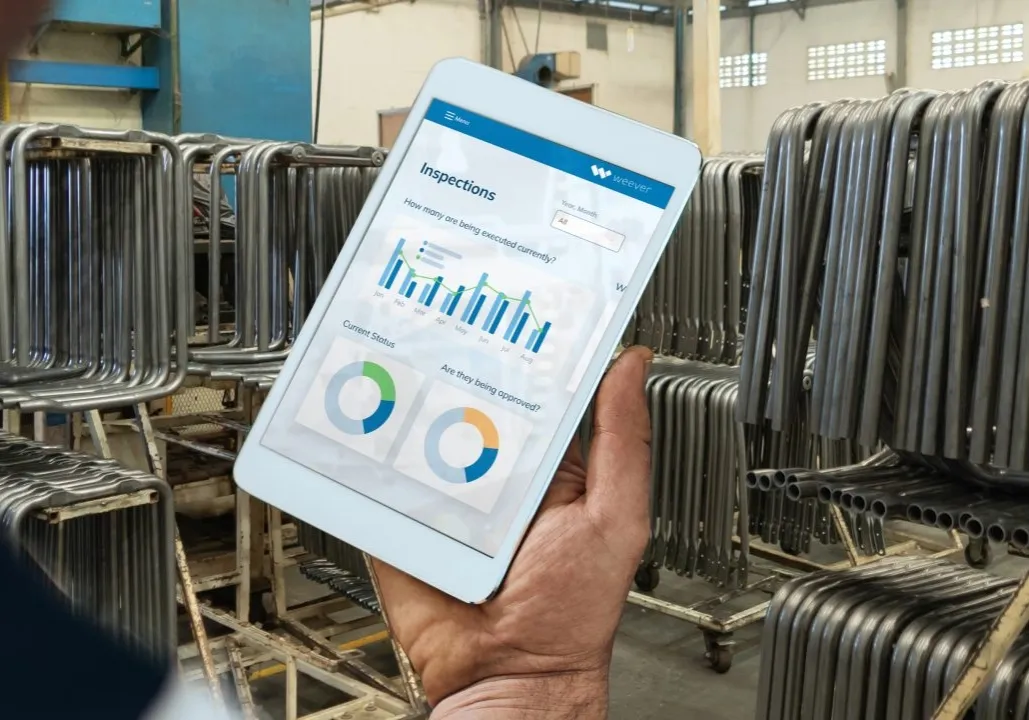
When Autonomous Maintenance Occurs: Timing and Strategy with Weever's Assistance
Autonomous maintenance, an essential pillar of Total Productive Maintenance (TPM), empowers operators to take charge of routine maintenance tasks such as cleaning, inspecting, and lubricating equipment. However, one of the most important aspects of successful autonomous maintenance is knowing when these activities should occur to maximize effectiveness and align with the latest industry trends.
So, when should autonomous maintenance occur, and how can Weever software help businesses determine the best timing while staying agile in an ever-evolving industry? Let's explore the key moments for autonomous maintenance and how Weever ensures timely and efficient execution of these practices.
Understanding When Autonomous Maintenance Should Occur
The timing of autonomous maintenance is critical for preventing equipment breakdowns, extending the lifespan of machinery, and optimizing overall production. Key moments when autonomous maintenance should occur include:
- At Regular Intervals: Maintenance tasks should be scheduled at regular intervals based on equipment usage and manufacturer recommendations. These regular tasks, such as cleaning and lubricating, help keep equipment in optimal working condition. Weever software can help automate these tasks and schedules.
- After Specific Equipment Cycles: For machinery that operates in cycles, autonomous maintenance should occur after a certain number of cycles to prevent wear and tear from accumulating unnoticed.
- Following an Anomaly: If operators detect unusual noises, vibrations, or performance drops, autonomous maintenance should be initiated to inspect and address potential issues before they lead to a breakdown. Weever software allows for real-time reporting of such issues, helping managers and strategists to detect patterns in anomalous behavior.
- In Alignment with Emerging Trends: New trends and technologies may introduce improved maintenance practices or new tools for inspecting and repairing equipment. Businesses should be prepared to adjust their maintenance schedule as industry standards evolve. Weever software is highly configurable, allows for agile changes to new processes, methodologies, and trends.
Determining the right timing for these activities is critical to ensuring that equipment runs smoothly and efficiently. This is where Weever software comes into play, providing the tools businesses need to optimize the timing of their autonomous maintenance strategies and stay ahead of industry trends.
How Weever Ensures Timely and Strategic Autonomous Maintenance
Weever software offers a suite of features designed to help businesses determine the optimal timing for autonomous maintenance, automate routine tasks, and adapt to emerging trends. Here's how Weever facilitates this process:
1. Ease of Use: Simplifying Timing and Strategy
One of the key challenges in implementing autonomous maintenance is determining the best timing for routine tasks without overwhelming operators. Weever's intuitive platform makes it easy for businesses to establish and adjust the timing of autonomous maintenance activities, ensuring that they are carried out at the right intervals and in line with current industry standards.
With Weever, businesses can create and manage maintenance schedules that are aligned with equipment usage and operational goals. The platform's ease of use ensures that operators can quickly understand and implement these schedules, minimizing confusion and ensuring that maintenance tasks are performed on time. Weever's flexibility also allows businesses to easily adjust schedules as new trends emerge, ensuring that they remain competitive and efficient.
2. Automated Workflows and Action Items: Streamlining Maintenance Tasks
Weever takes the guesswork out of scheduling and executing autonomous maintenance tasks by automating key workflows. By setting up automated action items, businesses can ensure that routine maintenance tasks are performed consistently and without manual intervention.
For example, Weever allows businesses to automate the scheduling of inspections, cleanings, and lubrication tasks based on predetermined intervals or equipment usage metrics. This automation not only ensures that maintenance is performed at the right time but also reduces the burden on operators and managers by eliminating the need for constant manual oversight.
Additionally, by automating these workflows, Weever allows businesses to stay aligned with the latest trends in autonomous maintenance. As new industry practices or technologies emerge, Weever can seamlessly integrate them into existing workflows, ensuring that businesses remain ahead of the curve without disrupting operations.
3. Insights and Trends: Leveraging Data for Proactive Maintenance
Weever's advanced analytics tools provide businesses with valuable insights into the effectiveness and timing of their maintenance activities. By analyzing data from ongoing maintenance tasks, Weever helps businesses identify the optimal moments for performing autonomous maintenance, ensuring that tasks are carried out before equipment issues arise.
These insights also allow businesses to track industry trends and adjust their maintenance strategies proactively. By staying informed about emerging practices, businesses can ensure that their maintenance schedules are aligned with the latest technologies and methodologies, helping them stay competitive in a rapidly changing landscape.
Weever's analytics not only help businesses maintain their current equipment but also prepare for future trends. With this data, businesses can anticipate changes in maintenance needs and make strategic adjustments to their schedules, ensuring that they remain efficient and effective as industry standards evolve.
4. Real-Time Reporting: Staying Agile and Informed
In the fast-paced world of industrial operations, real-time information is key to making informed decisions about maintenance. Weever's real-time reporting features allow businesses to track the status of their maintenance activities and make adjustments as needed.
For example, if an operator identifies an issue during routine maintenance, Weever's real-time reporting can immediately alert managers, enabling them to take swift corrective action. This capability ensures that businesses can respond quickly to emerging trends or changes in equipment performance, minimizing downtime and ensuring that equipment remains in peak condition.
Weever's real-time reporting also allows businesses to monitor the effectiveness of their maintenance schedules. By tracking key metrics such as task completion rates, equipment performance, and downtime, businesses can continuously improve their maintenance strategies and stay ahead of industry trends.
5. Rollout Methodology: Ensuring Efficient Implementation of Maintenance Strategies
Implementing and adjusting autonomous maintenance schedules can be a complex process, especially as new trends emerge. Weever's structured rollout methodology ensures that businesses can efficiently implement and adjust their maintenance strategies without causing disruptions to daily operations.
Weever provides a clear roadmap for rolling out new maintenance initiatives, from initial planning to full deployment. This structured approach ensures that businesses can quickly adapt to new trends and technologies while maintaining operational efficiency. Whether introducing a new maintenance schedule or incorporating emerging best practices, Weever's rollout methodology ensures a smooth transition, keeping businesses ahead of the competition.
Maintaining Equipment Efficiency and Downtime with Weever
Autonomous maintenance is a critical aspect of maintaining equipment efficiency and minimizing downtime. However, knowing when to perform these tasks is just as important as performing them correctly. By leveraging Weever software, businesses can ensure that their autonomous maintenance activities are performed at the optimal times, keeping equipment in peak condition and staying ahead of industry trends.
With its ease of use, automated workflows, advanced insights, real-time reporting, and structured rollout methodology, Weever helps businesses streamline their maintenance strategies and remain competitive in an ever-changing industrial landscape.

How to Improve Workplace Safety Through Observations
Workplace safety observations are a powerful tool for preventing accidents and fostering a culture of safety. At Weever Apps, we've seen firsthand how these observations can transform work environments and save lives.
In this post, we'll explore effective techniques for conducting safety observations and implementing a robust observation program. We'll also discuss how technology can streamline this process, making it easier for companies to prioritize safety and protect their most valuable asset: their employees.
Why Safety Observations Matter
Safety observations form the foundation of a proactive approach to workplace safety. They involve systematic monitoring and recording of workplace behaviors, conditions, and practices to identify potential hazards before accidents occur. These observations can dramatically reduce workplace incidents and foster a culture of safety.
The Power of Prevention
Safety observations prevent accidents before they happen. Over the past 25 years, the OSHA recordable injury rate dropped from 8.9 injuries per 100 workers to 2.8 injuries per 100 workers, a 67% decrease. Companies can significantly reduce workplace incidents by implementing regular safety observations.
Driving Continuous Improvement
Regular safety observations provide valuable data that drives continuous improvement in safety practices. This data allows companies to:
- Identify trends
- Prioritize areas for improvement
- Measure the effectiveness of safety initiatives
Fostering Employee Engagement
Safety observations offer an opportunity to engage employees at all levels in the safety process. When employees actively conduct and respond to safety observations, they become more invested in workplace safety. This engagement is critical for reducing safety incidents.
Creating a Safety-First Culture
Regular safety observations transform safety from a set of rules into a shared value that guides all workplace behaviors and decisions. This shift in mindset creates a culture where safety becomes everyone's responsibility. Employees feel empowered to speak up about potential hazards and suggest improvements, leading to a more proactive and collaborative approach to safety management.

The next chapter will explore effective techniques for conducting these vital safety observations, ensuring that companies can maximize their benefits and create safer work environments for all employees.
How to Conduct Effective Safety Observations
Plan Your Observation
Effective safety observations start with proper planning. Define clear objectives for your observation. What specific behaviors or conditions do you want to assess? Are there particular areas of concern based on recent incidents or near-misses? A focused approach will yield more actionable insights.

Choose the right time and place. Conduct observations during normal work hours to capture typical behaviors. If you're observing a specific task, ensure it's scheduled during your observation period.
Prepare your tools. Whether you use a digital platform or a paper checklist, make sure you have everything you need to record your findings accurately and efficiently.
Focus on Key Areas
During the observation, pay close attention to these critical areas:
- Personal Protective Equipment (PPE): Do workers use the correct PPE for their tasks? Do they wear it properly? PPE may include items such as gloves, safety glasses and shoes, earplugs or muffs, hard hats, respirators, or coveralls and vests.
- Work Procedures: Do employees follow established safety protocols? Do they take any shortcuts?
- Equipment and Tools: Do workers use equipment correctly and safely? Are tools in good condition?
- Housekeeping: Is the work area clean and organized? Are there any tripping hazards?
- Communication: How do workers interact with each other? Do they voice and address safety concerns?
Observe both safe and unsafe behaviors. Recognition and reinforcement of good practices are just as important as identification of areas for improvement.
Record and Report Effectively
Accurate and timely reporting is essential for the success of your safety observation program. Follow these best practices:
- Be specific: Instead of noting "improper PPE use," write "Employee not wearing safety glasses while operating grinding machine."
- Use objective language: Stick to facts and avoid personal judgments or assumptions.
- Include positive observations: Highlight instances where employees follow safety procedures correctly.
- Act immediately on serious hazards: If you observe an imminent danger, stop the work and address the issue right away.
- Use technology: Digital tools can streamline the recording and reporting process, allowing for real-time data entry and instant sharing of findings with relevant team members. (Weever Apps offers an excellent solution for this purpose.)
- Follow up: Ensure that workers take corrective actions and communicate the results back to the employees involved.
The goal isn't to catch people doing something wrong, but to create a safer work environment for everyone. These techniques will help you conduct more effective safety observations that lead to tangible improvements in workplace safety.
In the next chapter, we'll explore how to implement a comprehensive safety observation program in your organization, including strategies for employee training and leveraging technology to enhance your safety efforts.
How to Build an Effective Safety Observation Program
Set Clear Objectives
Start your safety observation program by defining specific, measurable goals. Try to reduce workplace accidents by 25% within the first year of implementation. The National Safety Council reports that companies with strong safety cultures experience up to 50% fewer accidents than those without. Align your objectives with your overall safety strategy and address your organization's unique challenges.
Train Your Observers
Proper training forms the foundation of effective safety observations. Develop a comprehensive training program that covers observation techniques, hazard identification, and effective communication. OSHA guidance on safety training does not specify mandatory hours, but emphasizes the importance of thorough preparation. Include both classroom sessions and hands-on practice to prepare observers thoroughly.
Leverage Technology
Digital tools streamline the safety observation process. Mobile apps allow observers to record findings in real-time, eliminating paper forms and manual data entry. These apps provide instant notifications for critical issues, enabling quick responses to potential hazards. Weever Apps offers a user-friendly platform that simplifies data collection and analysis, making it easier to identify trends and areas for improvement.
Encourage Employee Participation
A successful safety observation program requires buy-in from all levels of the organization. Explain the benefits of the program and how it contributes to personal safety to encourage employee participation. Consider implementing an incentive system to reward active participation. Companies that actively involve employees in safety programs experience up to 60% fewer safety incidents (according to a study by the American Society of Safety Professionals).
Analyze and Act on Data
Review the data collected from safety observations regularly to identify trends and areas for improvement. Use this information to update safety protocols, adjust training programs, and allocate resources where they're needed most. The Bureau of Labor Statistics reports that companies that consistently analyze safety data and implement improvements based on findings reduce workplace injuries by up to 35%.

Final Thoughts
Workplace safety observations empower organizations to create safer work environments and foster a culture of continuous improvement. These observations reduce workplace accidents, boost employee engagement, and drive operational excellence. The data gathered through safety observations provides valuable insights that inform strategic decision-making and resource allocation.

Safety observations transform safety from a set of rules into a shared value that guides all workplace behaviors and decisions. This shift in mindset creates a culture where safety becomes everyone's responsibility. Employees feel empowered to speak up about potential hazards and suggest improvements, which leads to a more proactive and collaborative approach to safety management.
Organizations that want to enhance their safety practices should start or improve their safety observation program now. Weever Apps offers a comprehensive Connected Worker platform that can streamline the safety observation process. With the right tools and approach, companies can transform their workplace into a safer, more productive environment (and protect their most valuable asset - their employees).

How Does Autonomous Maintenance Serve as a Pillar for Continuous Improvement, and How Does Weever Strengthen This Foundation to Keep Businesses Ahead of Emerging Trends?
Autonomous Maintenance (AM) is one of the most crucial pillars in Total Productive Maintenance (TPM). It empowers machine operators to take responsibility for routine maintenance tasks, improving equipment reliability and enabling continuous improvement in manufacturing operations. But as trends and technologies evolve, businesses need tools that not only support AM but also keep them ahead of emerging developments. So, how does Weever software reinforce this foundation, and why is it a vital solution for modern industries?
Understanding Autonomous Maintenance in TPM
Before delving into how Weever strengthens autonomous maintenance, it's essential to understand what autonomous maintenance is in TPM and why it plays such a pivotal role in continuous improvement. In the context of TPM, autonomous maintenance refers to the practice where operators, not just maintenance personnel, are responsible for basic maintenance tasks. This shift allows for early detection of equipment issues, better operator understanding of machines, and ultimately, a more efficient, cost-effective operation.
Here are the seven steps of autonomous maintenance:
- Initial Cleaning
- Countermeasures Against Sources of Contamination
- Drafting Tentative Standards
- General Inspection
- Autonomous Inspection
- Standardization
- Continuous Improvement
These steps aim to reduce unplanned downtime and ensure that equipment operates at optimal efficiency, which supports a company's larger continuous improvement goals. However, as maintenance teams aim to implement these steps, they need to stay ahead of trends in technology and process optimization, and this is where Weever becomes indispensable.
How Weever's Ease of Use Supports Autonomous Maintenance Integration
For any autonomous maintenance checklist to be successfully integrated into daily workflows, the system managing it needs to be user-friendly. Weever provides a platform designed for ease of use, allowing businesses to incorporate autonomous maintenance steps seamlessly.
- What is autonomous maintenance without complexity? Weever simplifies the process, making it accessible to teams with varying technical expertise. This simplicity accelerates the training and implementation process, enabling quicker results and reducing the learning curve associated with TPM.
- The ease of integrating autonomous maintenance into your organization's workflow with Weever means operators can focus on maintaining equipment and improving processes rather than being bogged down by complicated software.
As trends in automation, predictive maintenance, and machine learning continue to evolve, Weever ensures your business can swiftly adapt by empowering your team with tools that are intuitive and effective.
Automated Workflows and Action Items: Streamlining Continuous Improvement
Once the steps of autonomous maintenance are implemented, ongoing success depends on maintaining consistency and reducing human error. Weever addresses this by automating core processes within autonomous maintenance:
- By integrating automated workflows, Weever enables operators to track tasks such as daily inspections, lubrication, and tightening activities. This reduces the administrative burden on teams and ensures that critical maintenance activities occur regularly without the need for constant oversight.
- Through automated action items, Weever's system supports the TPM principle of autonomous responsibility by ensuring that when an issue is detected, action steps are automatically assigned and tracked. The software does this while integrating with emerging autonomous maintenance trends, ensuring that your team is always operating in line with the latest best practices.
Insights and Trends: Keeping Businesses Ahead
Continuous improvement doesn't happen in a vacuum. For companies to remain competitive, they must understand the Emerging Trends in autonomous maintenance and adjust their operations accordingly. Weever provides businesses with the insights necessary to stay ahead:
- With data-driven insights, Weever allows businesses to analyze trends in machine performance and maintenance activities. By identifying areas for improvement, such as recurring machine issues or shifts in maintenance schedules. Companies can address small problems before they become large, costly ones.
- Weever's platform gives your team access to valuable information about how your autonomous maintenance efforts align with global trends. This keeps your business at the forefront of operational excellence, making sure your continuous improvement efforts are both proactive and responsive to the market's needs.
Real-Time Reporting: Empowering Quick Adjustments and Continuous Growth
Weever further enhances your autonomous maintenance program by providing real-time reporting. In TPM, timely data is crucial for staying on top of equipment performance and ensuring continuous improvement. With Weever's real-time capabilities, you gain:
- Instant updates on maintenance tasks and equipment status, allowing your team to react swiftly to issues that arise during production.
- Real-time data allows for immediate adjustments to your continuous improvement strategy. By knowing exactly how your 7 steps of autonomous maintenance are performing at any given moment, your team can make fast, informed decisions that keep your operation ahead of competitors.
This real-time capability not only supports existing maintenance strategies but also prepares your business for future growth and emerging trends by creating a proactive culture around equipment management.
Ensuring Successful Integration and Long-Term Impact
The successful implementation of autonomous maintenance requires a structured approach. Weever provides a clear and concise rollout methodology that helps businesses integrate the Pillar of Continuous Improvement into their overall strategy:
- Weever's rollout methodology ensures that all steps of autonomous maintenance training are covered, from initial education to long-term practice. The platform provides a structured roadmap to guide businesses through the integration process, ensuring that operators are well-versed in the meaning of autonomous maintenance and its applications in TPM.
- By providing clear benchmarks and milestones, Weever helps businesses measure the effectiveness of their autonomous maintenance practices and adapt them as necessary. This structure ensures that your maintenance efforts are always aligned with your company's continuous improvement goals.
How Weever Strengthens Autonomous Maintenance and Prepares You for the Future
Autonomous maintenance serves as a pillar for continuous improvement by empowering operators, reducing equipment downtime, and improving overall operational efficiency. However, maintaining this practice in the face of evolving industry trends requires modern tools. Weever software not only reinforces the foundation of autonomous maintenance, but also strengthens it by keeping your business agile and competitive through automation, real-time data, and structured rollout methodologies.
- Examples of autonomous maintenance can be found across industries, from manufacturing to warehousing, and Weever's software is flexible enough to adapt to any setting. Whether your team is familiar with what autonomous maintenance in TPM is, or you're just beginning to explore autonomous maintenance in seven steps, Weever can support you at every stage.
By providing a user-friendly, automated, and data-driven platform, Weever ensures that your autonomous maintenance training not only addresses the current needs of your operation but also prepares you for future challenges. In doing so, Weever serves as a key partner in your company's continuous improvement journey, ensuring that you stay ahead of emerging trends and competitive pressures.
The Future of Autonomous Maintenance Is Here
As industries face increasingly complex challenges, businesses must adopt tools that support the seamless integration of autonomous maintenance into their continuous improvement strategies. Weever provides a comprehensive solution that makes autonomous maintenance more accessible, scalable, and effective by offering ease of use, automation, insights, and a clear rollout methodology.
Autonomous maintenance is no longer just a theoretical pillar of TPM; it is a dynamic, evolving strategy that requires the right tools to remain effective. With Weever, businesses can confidently maintain and improve their autonomous maintenance efforts, ensuring that they stay ahead of trends and continue to thrive in an increasingly competitive landscape.
By answering the question: "How does autonomous maintenance serve as a pillar for continuous improvement, and how does Weever strengthen this foundation?" It's clear that Weever is the solution modern businesses need to build a strong, sustainable future.
Ready to strengthen your autonomous maintenance practices and drive continuous improvement? Discover how Weever can help your business stay ahead of industry trends with user-friendly tools, automated workflows, and real-time insights. Contact us today to learn how Weever can transform your maintenance strategy and keep you at the forefront of operational excellence!

The Autonomous Maintenance Pillar: Foundation for Success
At Weever Apps, we've seen firsthand how the autonomous maintenance pillar can transform manufacturing operations.
This approach empowers operators to take ownership of equipment care, leading to improved efficiency and reduced downtime.
In this post, we'll explore the core principles of autonomous maintenance, provide a step-by-step implementation guide, and address common challenges.
Get ready to revolutionize your maintenance strategy and boost your operational excellence.
What is Autonomous Maintenance?
Redefining Equipment Care
Autonomous Maintenance revolutionizes equipment care by placing it directly in the hands of operators. This strategy transforms the workforce from mere machine operators into active maintainers of their equipment.
The Operator's Expanded Role
Traditional maintenance models often relegate operators to a passive role in equipment upkeep. They run machines but call in the maintenance team when issues arise. Autonomous Maintenance completely reverses this approach.

Operators now serve as the primary defense against equipment failures. They receive training to perform basic maintenance tasks, identify early signs of wear, and execute minor repairs. This responsibility shift creates a more engaged and knowledgeable workforce.
Quantifiable Benefits for Manufacturing
The impact of Autonomous Maintenance on manufacturing and production yields significant, measurable results. Companies implementing this approach can experience improvements in production efficiency when they have deployed activities based on the 8 pillars of TPM by all staff members of the plants/factories, including individual improvement, autonomous maintenance, and planned maintenance.
Furthermore, organizations adopting Autonomous Maintenance principles see tangible improvements in product quality. Fewer breakdowns translate to fewer defects, leading to higher customer satisfaction and reduced waste.
A Paradigm Shift in Maintenance Strategy
Autonomous Maintenance represents a fundamental change in equipment care philosophy. It moves away from reactive maintenance (fixing things after they break) towards a proactive model where potential issues receive identification and resolution before causing downtime.
This approach aligns perfectly with lean manufacturing principles, focusing on waste reduction and process efficiency. Empowering operators to take ownership of their equipment fosters a culture of continuous improvement that extends far beyond the maintenance department.
Technology's Role in Autonomous Maintenance
Modern Connected Worker platforms support and enhance Autonomous Maintenance initiatives. Digital tools simplify the logging of maintenance activities, provide easy access to equipment manuals, and enable real-time communication of issues. This seamless integration of technology and maintenance strategy (a key feature of platforms like Weever) maximizes the benefits of Autonomous Maintenance in today's digital-first manufacturing environment.
As we move forward, we'll explore the step-by-step process of implementing Autonomous Maintenance in your organization, ensuring you can harness its full potential.
How to Implement Autonomous Maintenance
Assess Your Current State
Start by evaluating your existing maintenance practices. Identify equipment that frequently breaks down or causes production delays. This assessment will help you prioritize which areas to focus on first. Use data from your maintenance management system to pinpoint recurring issues and their root causes.
Develop a Pilot Program
Initiate a small-scale pilot program on a single production line or piece of equipment. This approach allows you to refine your implementation strategy before a company-wide rollout. Select a team that's open to change and eager to learn new skills.
Train Your Operators
Comprehensive training is essential for success. Develop a curriculum that covers basic maintenance tasks, equipment operation, and problem-solving techniques. Include hands-on practice sessions where operators can apply their new skills under supervision. Companies with thorough training programs have 218% higher income per employee and enjoy a 24% higher profit margin.
Create Standard Operating Procedures
Develop clear, step-by-step procedures for each maintenance task. Make these easily accessible and understandable. Digital platforms can prove invaluable here, allowing you to create interactive, multimedia SOPs that operators can access on mobile devices right at their workstations.
Implement a Tagging System
Introduce a system for operators to tag and report issues they can't resolve themselves. This could range from simple color-coded tags to sophisticated digital reporting systems integrated with your maintenance management software. Establish a clear process for addressing these tags and designate responsible personnel.
Monitor and Measure Progress
Track key performance indicators (KPIs) such as Overall Equipment Effectiveness (OEE), Mean Time Between Failures (MTBF), and maintenance costs. Regular reviews of these metrics will help you identify areas for improvement and demonstrate the ROI of your Autonomous Maintenance program. The Society for Maintenance and Reliability Professionals reports that companies with mature asset management practices can reduce maintenance costs by 25-30%.

Implementing Autonomous Maintenance is an ongoing process that requires continuous improvement and adaptation. The next section will address common challenges you might face during this implementation and provide strategies to overcome them.
Navigating Roadblocks in Autonomous Maintenance
Addressing Employee Resistance
One of the most significant hurdles in implementing Autonomous Maintenance (AM) is employee resistance. Workers may feel threatened by the changes or doubt their ability to take on new responsibilities. To combat this, focus on clear communication and comprehensive training.

Explain the benefits of AM not just for the company, but for the employees themselves. Highlight how their roles will become more skilled and valuable. By upskilling through AM, employees become more marketable and secure in their positions.
Involve employees in the planning process. This gives them a sense of ownership and helps address their concerns early on. Create a mentorship program where experienced maintenance staff guide operators through the transition. This builds confidence and fosters a collaborative environment.
Seamless Integration with Existing Systems
Integrating AM with existing maintenance systems can be complex. The key is to start small and scale gradually. Begin by identifying areas where AM can complement your current processes rather than replace them entirely.
Utilize digital platforms that can bridge the gap between your existing systems and new AM processes. For instance, Connected Worker platforms can integrate with your current CMMS, allowing for a smooth transition to AM while maintaining data continuity.
Conduct regular audits of your maintenance processes to identify redundancies and inefficiencies. This helps streamline the integration of AM and ensures that your overall maintenance strategy remains cohesive.
Quantifying Success and ROI
Measuring the impact of AM can be challenging, but it's essential for demonstrating its value to stakeholders. Establish clear KPIs before implementation. These might include Overall Equipment Effectiveness (OEE), Mean Time Between Failures (MTBF), and maintenance costs.
Use digital tools to track these metrics in real-time. Many companies struggle with accurate data collection, but modern platforms can automate this process, ensuring you have reliable data to work with.
Don't just focus on hard metrics. Soft benefits like improved employee engagement and reduced stress on the maintenance team are also valuable. Survey your workforce regularly to capture these qualitative improvements.
The full benefits of AM may take time to materialize. Be patient and focus on continuous improvement. Regular reviews and adjustments to your AM strategy will help maximize its impact over time.
Final Thoughts
The autonomous maintenance pillar transforms manufacturing operations. It empowers operators to care for equipment, reduces downtime, and cuts maintenance costs. This approach fosters a culture of continuous improvement and increases employee engagement throughout the organization.

Companies that adopt autonomous maintenance position themselves for long-term success. They create a more resilient and adaptive production environment, ready to face evolving industrial challenges. The journey starts with a clear assessment of current practices and a commitment to change, followed by focused pilot programs and comprehensive training.
We at Weever Apps have seen the power of autonomous maintenance supported by the right digital tools. Our Connected Worker platform enhances implementation with intuitive digital forms, real-time dashboards, and automated workflows. These features drive engagement and ensure easy access to critical information, setting the foundation for operational excellence in the global marketplace.

Essential Health and Safety Audits for the Workplace
At Weever Apps, we understand the critical role of health and safety audits in the workplace. These audits are essential tools for maintaining a safe work environment and ensuring compliance with regulations.
Regular audits help identify potential hazards, assess risks, and implement necessary improvements. In this post, we'll explore the different types of health and safety audits and provide practical tips for conducting them effectively.
What Are the Main Types of Health and Safety Audits?
Health and safety audits come in various forms, each serving a specific purpose in maintaining workplace safety. Different audit types can significantly impact an organization's safety culture. Let's explore the four main types of health and safety audits and their unique benefits.
Compliance Audits: Ensuring Regulatory Adherence
Compliance audits form the backbone of workplace safety programs. These audits focus on verifying that an organization meets all relevant health and safety regulations. Workplaces that establish an effective safety and health management system can reduce their workplace injury and illness costs by 20 to 40 percent. Compliance audits help achieve this by systematically reviewing policies, procedures, and practices against regulatory standards.
Management System Audits: Evaluating Overall Safety Framework
Management system audits take a broader view, assessing the effectiveness of an organization's entire safety management system. These audits examine how well safety policies integrate into daily operations, from top-level management decisions to frontline worker practices. A study by the National Safety Council found that companies with strong safety management systems experienced 64% fewer safety incidents compared to those without.
Program Audits: Assessing Specific Safety Initiatives
Program audits focus on particular safety programs or initiatives within an organization. For example, a company might conduct a program audit on its fall protection measures or hazardous material handling procedures. These targeted audits allow for an in-depth examination of specific areas of concern, helping to identify gaps and improve focused safety efforts.
Behavior-Based Safety Audits: Focusing on Employee Actions
Behavior-based safety audits shift the focus to individual employee actions and decisions. These audits observe and analyze how workers perform their tasks in real-time, identifying both safe and at-risk behaviors. A report by the Cambridge Center for Behavioral Studies showed that companies implementing behavior-based safety programs saw a 40-75% reduction in injury rates within the first year.

Understanding and implementing these different types of health and safety audits creates a comprehensive safety strategy. Each audit type offers unique insights and benefits, contributing to a safer, more productive workplace. The key to effective auditing lies in consistency and follow-through – it's not just about conducting the audit, but acting on the findings to drive continuous improvement.
Now that we've covered the main types of health and safety audits, let's explore how to conduct these audits effectively to maximize their impact on workplace safety.
How to Conduct Effective Health and Safety Audits
Conducting effective health and safety audits is essential for maintaining a safe workplace. This guide provides practical steps to execute impactful health and safety audits.
Plan Your Audit
Define the scope and objectives of your audit clearly. Decide whether to focus on compliance, behavior, or specific programs. Set realistic timelines and assemble a qualified audit team. The American Society of Safety Professionals recommends auditors have a minimum of three years of relevant experience in the industry being audited.
Gather Meaningful Data
Data collection forms the core of any audit. Use a mix of methods to get a comprehensive view:
- Document Review: Examine safety policies, incident reports, and training records. (Businesses that partner with OSHA through VPP have 50 percent fewer lost workday injuries.)
- On-site Observations: Watch work processes in action. Look for both safe practices and potential hazards.
- Employee Interviews: Talk to workers at all levels. Their insights provide valuable information. A Harvard Business Review study found that frontline employees spot 80% of improvement opportunities in their work areas.
- Safety Walkthroughs: Conduct thorough inspections of the physical workspace. Use checklists to ensure consistency.
Analyze and Report Findings
After data collection, analyze and report your findings. Be specific and actionable in your recommendations. Prioritize issues based on risk level and potential impact. (The Bureau of Labor Statistics reports that slips, trips, and falls account for 27% of nonfatal occupational injuries.)

Create a clear, concise report that outlines:
- Key findings
- Areas of non-compliance
- Recommended corrective actions
- Timelines for implementation
Implement Follow-up Actions
The audit is just the beginning. The real value comes from acting on the findings. Develop a detailed action plan with clear responsibilities and deadlines. The Occupational Safety and Health Administration (OSHA) recommends reviewing and updating your action plan at least annually.
Monitor progress regularly. Use digital tools to track implementation of corrective actions. Platforms like Weever Apps allow real-time tracking of safety improvements across teams.
Effective audits require an ongoing process, not a one-time event. These steps and the right tools can significantly enhance your workplace safety culture and reduce incidents. The next section will explore the numerous benefits that regular health and safety audits bring to organizations.
Why Regular Health and Safety Audits Matter
Regular health and safety audits provide powerful tools for creating safer, more productive workplaces. These audits offer tangible benefits that transform organizations. Let's explore the key advantages of consistent auditing practices.
A Proactive Safety Culture
Health and safety audits foster a culture where safety becomes everyone's responsibility. The National Safety Council reports that companies with strong safety cultures experience up to 48% fewer safety incidents. This shift from reactive to proactive safety management reduces workplace accidents and injuries significantly.
Substantial Cost Savings
Regular health and safety audits can lead to significant cost savings. A study showed a 9.4% drop in injury claims and a 26% average savings on workers' compensation costs in the four years after a Cal/OSHA inspection. These savings result from reduced workers' compensation costs, decreased downtime, and improved productivity.
Regulatory Compliance
Compliance with health and safety regulations remains non-negotiable. Regular audits help organizations stay ahead of changing laws and avoid costly penalties. Thorough audits allow companies to identify and address potential compliance issues before they result in citations or legal action.
Enhanced Employee Engagement
Regular safety audits demonstrate a company's commitment to employee well-being. This commitment increases job satisfaction and loyalty. A study by the Society for Human Resource Management found that 61% of employees rate safety as very important for job satisfaction. Engaged employees tend to be more productive and less likely to leave the company.
Continuous Improvement
Health and safety audits provide valuable data for continuous improvement. They highlight areas that need attention and help prioritize safety initiatives. This data-driven approach ensures that safety efforts focus on the most critical areas.

Final Thoughts
Health and safety audits in the workplace provide essential tools for creating safer, more productive environments. We explored four key types of audits: compliance audits, management system audits, program audits, and behavior-based safety audits. Each type serves a unique purpose in maintaining and improving workplace safety.

Consistent auditing practices prove crucial for long-term success. Regular audits help organizations stay ahead of potential hazards, ensure regulatory compliance, and foster a proactive safety culture. Organizations that prioritize audits often see reduced incident rates, lower costs associated with workplace injuries, and increased employee engagement (these benefits contribute to a more efficient and productive work environment).
Implementing a robust auditing program requires dedication and the right tools. At Weever Apps, we offer a Connected Worker platform that streamlines the auditing process, making it easier for organizations to conduct regular health and safety audits. Our platform includes features like automated workflows, real-time dashboards, and digital forms, all designed to enhance safety programs and boost operational efficiency.

7 Steps to Implementing Autonomous Maintenance
In the manufacturing world, staying competitive means constantly evolving processes, particularly in Total Productive Maintenance (TPM). Autonomous maintenance (AM), a key pillar of TPM, empowers machine operators to handle routine maintenance tasks. But what is autonomous maintenance, and how can companies smoothly integrate the 7 steps of autonomous maintenance into their operations while staying ahead of emerging trends?
In this article, we'll explore the steps of autonomous maintenance, how Weever's software simplifies and enhances these steps, and why it's the solution for ensuring businesses remain competitive in a fast-paced, evolving industry.
Understanding Autonomous Maintenance in TPM
Autonomous Maintenance is a proactive strategy that involves empowering machine operators to perform basic upkeep tasks, freeing maintenance teams for more complex issues. The goal is to minimize downtime, improve equipment reliability, and ensure smoother operations.
But what is autonomous maintenance in TPM really about? It's not just about performing maintenance; it's about creating a sense of ownership among operators, fostering continuous improvement, and aligning maintenance activities with broader operational goals.
The 7 steps of autonomous maintenance form the backbone of this strategy, helping businesses implement TPM effectively on the shop floor.
The 7 Steps of Autonomous Maintenance
So, what are the 7 steps to implementing autonomous maintenance? These steps create a structured approach that ensures smooth adoption and sustainability of AM practices:
- Initial Cleaning: Operators clean machines, helping identify hidden issues like oil leaks or loose parts.
- Countermeasures for Contamination: This step involves preventing contamination by addressing underlying causes.
- Standardization: Operators establish standards for cleaning, lubrication, and inspection.
- General Inspection: More in-depth inspections help discover and prevent larger issues.
- Autonomous Inspection: Operators learn to inspect machines autonomously, spotting potential problems early.
- Organization and Orderliness: Maintaining a neat, well-organized environment promotes better productivity.
- Full Implementation: Operators take full responsibility for regular maintenance tasks.
While these steps are widely recognized, many businesses struggle with implementation. That's where Weever's software comes in, providing a streamlined, tech-driven solution that simplifies and automates these steps, allowing companies to keep up with the latest TPM trends.
How Weever Software Drives TPM and Enhances Autonomous Maintenance
1. Simplifying Autonomous Maintenance
Implementing autonomous maintenance can be daunting, but Weever's software makes it easier than ever. The user-friendly interface simplifies complex TPM processes, making it easy for operators to navigate through each of the 7 steps of autonomous maintenance without needing extensive retraining.
By centralizing all necessary tasks, Weever ensures teams can handle cleaning, inspections, and maintenance in a streamlined manner. It eliminates the confusion of manual documentation and keeps all essential information in one place. This ease of use is particularly important as businesses seek to keep up with the ever-changing demands of modern TPM practices.
Autonomous maintenance training also becomes more intuitive with Weever, enabling teams to quickly adapt to emerging industry trends without unnecessary downtime.
2. Efficiency in Every Step
Weever's software takes the steps of autonomous maintenance and automates them, ensuring no task is missed and every step is executed efficiently. By assigning automated action items, Weever ensures that operators stay on track with their daily maintenance duties.
For example, after the initial cleaning phase, Weever will automatically schedule inspections and send reminders, ensuring that the process moves seamlessly from one phase to the next. This structured automation reduces human error and ensures adherence to the autonomous maintenance checklist, which is crucial for TPM success.
In an era where companies are increasingly looking to autonomous maintenance examples to model best practices, automation through Weever keeps businesses competitive and agile, especially as new trends emerge.
3. Leveraging Data for Continuous Improvement
Another critical advantage of Weever is its robust analytics capability. Autonomous maintenance in seven steps generates large amounts of data, and Weever helps businesses make sense of it all. By offering real-time insights, Weever highlights trends in equipment performance, operator efficiency, and maintenance schedules.
This data-driven approach empowers businesses to stay ahead of emerging trends, adjusting their TPM strategies based on actionable insights. Whether it's identifying bottlenecks in the autonomous maintenance pillar or uncovering areas where more training is needed, Weever ensures businesses can adapt and improve continuously.
Staying informed with real-time insights and trends enables companies to remain proactive rather than reactive, ensuring they meet both current and future maintenance needs.
4. Keeping Teams Informed and Adaptive
Real-time reporting is one of Weever's standout features, giving operators and managers instant feedback on their progress through the 7 steps of autonomous maintenance. Whether an issue arises or a task is delayed, Weever's reporting system provides immediate updates, allowing swift action and adjustments.
By delivering autonomous maintenance training updates in real-time, teams can make faster decisions, troubleshoot problems early, and align more closely with TPM objectives. This is especially important when dealing with TPM autonomous maintenance, as quick adjustments keep operations running smoothly, helping businesses stay ahead of industry trends.
With real-time reporting, teams can track their completion of tasks from initial cleaning to full implementation, ensuring the entire autonomous maintenance checklist is met without delays or gaps.
5. A Smooth Transition to Autonomous Maintenance
Transitioning to autonomous maintenance requires careful planning and execution, which is why Weever's rollout methodology is a game-changer. From defining initial goals to full implementation, Weever helps businesses create a structured plan that integrates each of the 7 steps of autonomous maintenance seamlessly.
Weever's approach to autonomous maintenance training ensures teams are equipped with the right tools and knowledge from the beginning. The software's rollout methodology is designed to ensure minimal disruption during implementation, allowing businesses to continue operating efficiently while adopting the new system.
This smooth transition, coupled with the software's ability to automate and provide insights, ensures businesses stay ahead of the curve in an industry that's constantly evolving.
Staying Competitive with Autonomous Maintenance and Weever
Autonomous maintenance is not just a process-it's a competitive advantage. By implementing the 7 steps of autonomous maintenance, companies can improve equipment reliability, minimize downtime, and create a more engaged workforce.
But these steps can be complex, and that's where Weever comes in. From simplifying tasks to automating workflows, providing real-time insights, and ensuring a smooth rollout, Weever's software makes implementing autonomous maintenance in TPM easier and more effective. As businesses strive to keep up with emerging trends, Weever is the solution that drives TPM on the shop floor, ensuring that companies stay competitive in a rapidly changing landscape.
Ready to streamline your autonomous maintenance process and stay ahead of industry trends? Discover how Weever can transform your shop floor operations with ease, automation, and real-time insights. Connect with us today to learn more about implementing the 7 steps of autonomous maintenance and how Weever can drive Total Productive Maintenance (TPM) success for your business!
Discover the 7 Steps: Learn how Weever drives TPM on the shop floor and keeps your business ahead of trends. Get started now!
Request more information Preview modal-
Request more information
Please tell us a bit about yourself so we can tailor our response and get you the information you need.
Continue Reading
Boost Your Manufacturing safety with Proactive Measures
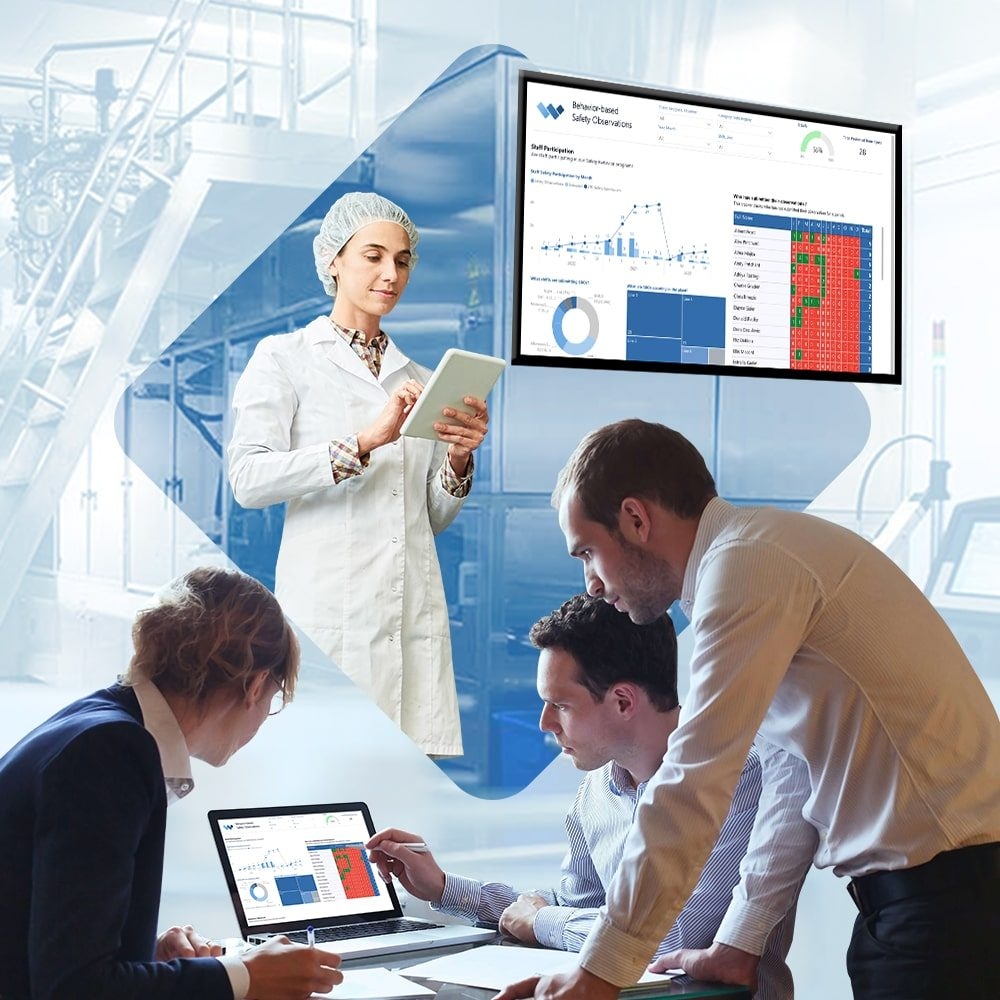
How Proactive Measures Can Lead to Cost Savings in Manufacturing

How to be more proactive about safety
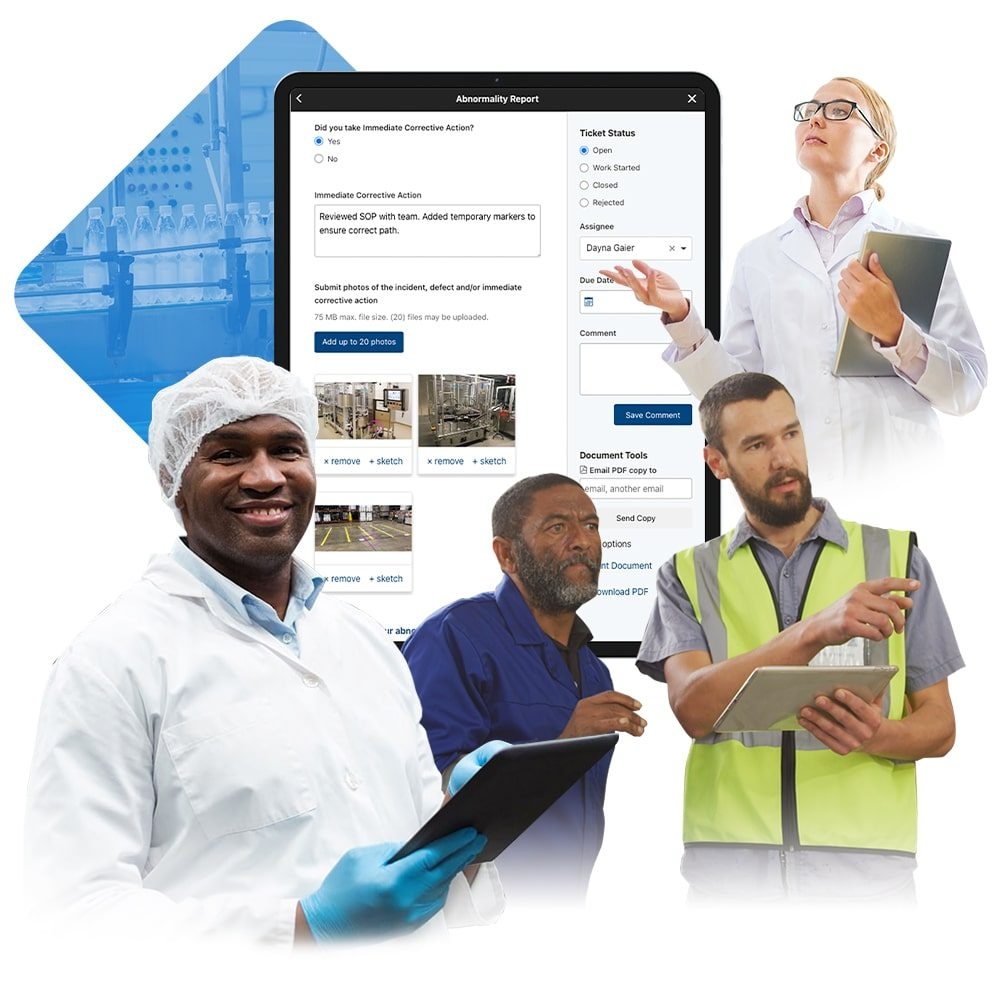
How to implement a proactive safety program into your facility
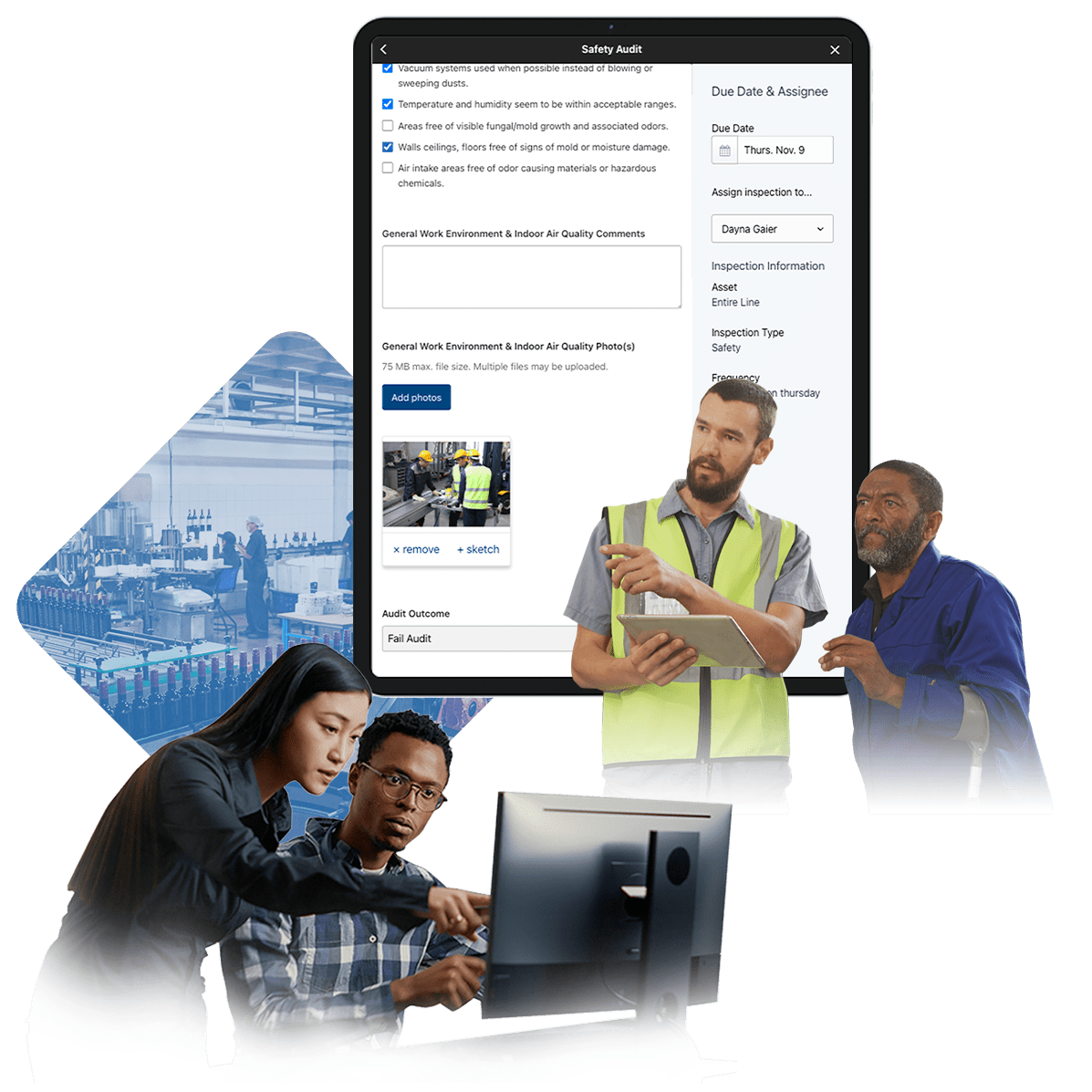
Proactive Measures for Ensuring Compliance in Regulated Industries

Proactive Measures in Manufacturing: Leveraging Weever Software for a Safer Workplace
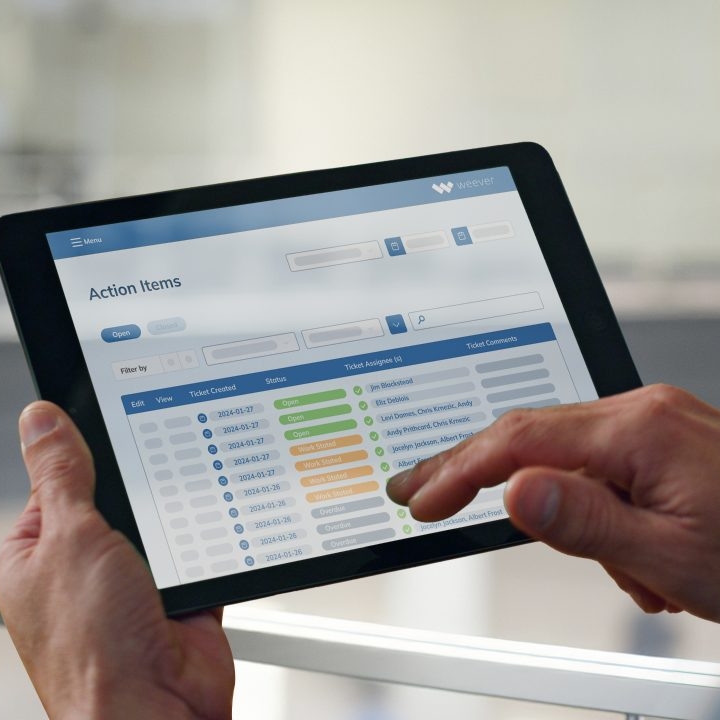
The Importance of Proactive Measures in Manufacturing Operations
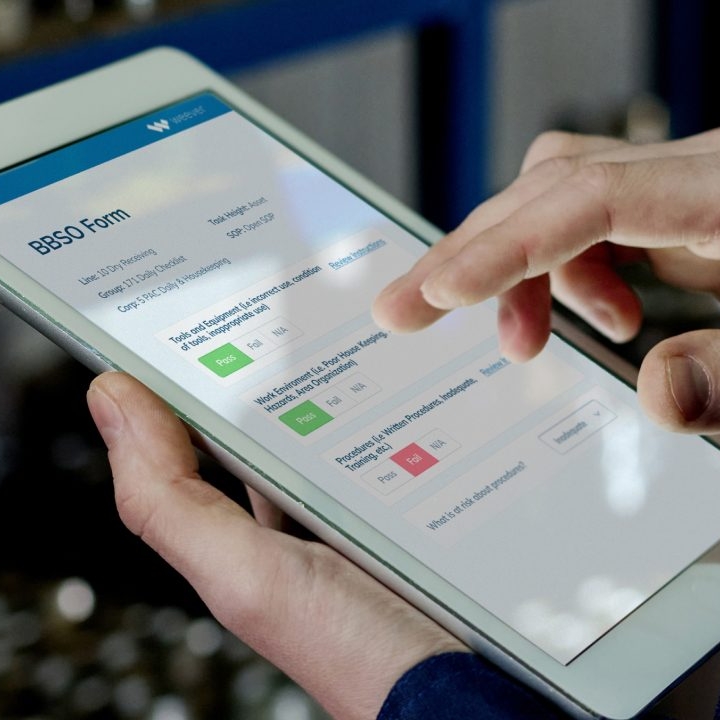
The Power of Proactive Measures in Preventing Equipment Failure

"Having cloud-based forms on devices around the facility makes them so much more accessible, which makes it painless for operators to quickly provide a report."
Johanna Velez, VP Quality Assurance


"Weever is really user friendly and will have a massive positive impact on our operations and training team."
Mel Cadle - Op Ex Lead Process Engineer



Autonomous vs Preventive Maintenance: Key Differences
At Weever Apps, we often field questions about different maintenance strategies. One common comparison is autonomous maintenance vs preventive maintenance.
These two approaches have distinct characteristics and impacts on organizational efficiency. Understanding their key differences is vital for making informed decisions about your maintenance program.
In this post, we'll break down both strategies and help you determine which might be the best fit for your operations.
What is Autonomous Maintenance?
Autonomous Maintenance (AM) is the key to unlocking improved performance, reduced downtime, enhanced safety, and increased production efficiency. This strategy transfers basic maintenance tasks from specialized technicians to the frontline workers who interact with the machinery daily.
Operator-Led Maintenance
In AM, operators perform routine tasks such as cleaning, lubricating, and conducting basic inspections. This hands-on involvement enables them to detect potential issues early, preventing minor problems from escalating into major breakdowns. An operator might notice unusual vibrations or sounds during their daily checks, prompting further investigation before a catastrophic failure occurs.
Skill Development and Empowerment
AM transcends mere task delegation; it builds a more skilled and engaged workforce. Operators receive training to understand their equipment better, fostering a sense of ownership and pride in their work. This knowledge transfer improves problem-solving skills and increases job satisfaction.
Organizational Benefits
The impact of AM extends far beyond the shop floor. Organizations often experience significant improvements in equipment reliability and overall operational efficiency.
Enhanced Communication
Companies that support their AM initiatives with digital platforms (like Weever Apps) often report smoother communication between operators and maintenance teams. This improved collaboration leads to faster issue resolution and more effective maintenance planning.
Long-Term Advantages
Implementing AM requires a cultural shift and investment in training, but the long-term benefits justify the effort. Reduced downtime, improved quality, and increased productivity make it a worthwhile strategy for many organizations. As manufacturing continues to evolve, AM will play an increasingly important role in maintaining competitiveness and operational excellence.

Now that we understand the fundamentals of Autonomous Maintenance, let's explore another popular maintenance strategy: Preventive Maintenance. This approach offers a different perspective on equipment upkeep and organizational efficiency.
What is Preventive Maintenance?
Definition and Core Concept
Preventive maintenance is the act of performing regularly scheduled maintenance activities to help prevent unexpected failures in the future. Unlike reactive maintenance, which addresses issues after they happen, PM focuses on scheduled, routine maintenance activities.
Types of Preventive Maintenance
PM strategies fall into two main categories:
- Time-based PM: This follows a calendar schedule, performing maintenance at fixed intervals regardless of equipment usage.
- Usage-based PM: This triggers maintenance based on operational metrics like hours of operation, production cycles, or mileage.
For example, a fleet management company might schedule oil changes for its trucks every 3 months (time-based) or every 5,000 miles (usage-based), whichever comes first.
Scheduled Maintenance Activities
PM involves regular inspections, cleaning, lubrication, and parts replacement based on predetermined schedules. These schedules typically derive from manufacturer recommendations, historical data, and industry best practices. A manufacturing plant might schedule monthly bearing inspections for its conveyor systems or quarterly oil changes for its hydraulic presses.
Adoption and Impact
Advantages of Preventive Maintenance
PM offers several benefits:
- Reduced unexpected downtime
- Extended equipment lifespan
- Improved overall reliability
Limitations and Challenges
Despite its advantages, PM isn't without drawbacks:
- Over-maintenance: Parts might be replaced before the end of their useful life, resulting in unnecessary costs and downtime.
- Unexpected failures: PM doesn't account for breakdowns that occur between scheduled maintenance intervals.
To address these limitations, many organizations now combine PM with other strategies like condition-based maintenance or predictive maintenance. These hybrid approaches use real-time data and analytics to optimize maintenance schedules, striking a balance between preventing failures and avoiding over-maintenance.

As we move forward, it's important to understand how Preventive Maintenance compares to Autonomous Maintenance. The next section will explore the key differences between these two strategies, helping you determine which approach (or combination of approaches) might best suit your organization's needs.
How Do Autonomous and Preventive Maintenance Compare?
Implementation and Approach
Autonomous Maintenance (AM) and Preventive Maintenance (PM) represent distinct strategies for equipment upkeep. AM empowers frontline workers to take ownership of their equipment. It involves operators in basic maintenance tasks as part of their daily routines. This approach necessitates a significant cultural shift and investment in training. For instance, a manufacturing plant that implements AM might train its production line operators to perform daily equipment checks, minor repairs, and basic lubrication tasks.

PM relies on scheduled maintenance activities performed by specialized technicians. These activities typically follow predetermined schedules or usage metrics. As an example, a power plant might schedule turbine inspections every 3,000 operating hours as part of its PM strategy.
Cost Considerations and Return on Investment
The initial implementation costs for AM can exceed those of PM due to the extensive training required. However, the long-term return on investment often proves substantial.
PM often incurs lower initial costs but can lead to higher long-term expenses due to potential over-maintenance.
Impact on Equipment Reliability
Both strategies try to improve equipment reliability, but their methods differ. AM's continuous, operator-led approach often catches minor issues before they escalate.
PM's scheduled approach can prevent major breakdowns but may miss issues that arise between maintenance intervals.
Employee Involvement and Skill Development
AM places a strong emphasis on employee involvement and skill development. Operators become more knowledgeable about their equipment, which leads to improved problem-solving skills and job satisfaction.
PM typically involves less direct operator involvement, with maintenance tasks primarily performed by specialized technicians. While this approach maintains a clear division of responsibilities, it may limit opportunities for operator skill development.
Hybrid Approaches
In practice, many organizations find that a combination of AM and PM strategies yields the best results. For instance, a food processing plant might implement AM for daily equipment checks and cleaning, while still maintaining a PM schedule for more complex maintenance tasks.
When considering which approach to adopt, organizations should assess their specific needs, equipment types, and workforce capabilities. Digital tools can significantly enhance the implementation of both AM and PM strategies by streamlining communication, data collection, and task management across teams.
Final Thoughts
Autonomous maintenance and preventive maintenance offer distinct advantages for equipment upkeep. Organizations must consider their specific needs, equipment types, and workforce capabilities when choosing between these strategies. Many companies implement a hybrid approach to maximize equipment reliability and operational efficiency.

The future of maintenance practices will be shaped by technological advancements. IoT sensors, artificial intelligence, and machine learning algorithms will enable more precise and data-driven maintenance decisions. These technologies will create more dynamic and responsive maintenance systems.
We at Weever Apps understand the complexities of implementing effective maintenance strategies. Our Connected Worker platform supports both autonomous and preventive maintenance approaches. Organizations can enhance their maintenance practices, improve cross-team visibility, and drive operational excellence with digital solutions.

The Power of Positive Safety Observations
At Weever Apps, we've seen firsthand how positive safety observations can transform workplace safety culture. This approach shifts focus from punitive measures to recognizing and reinforcing good safety practices.
Positive safety observations not only boost employee morale but also lead to fewer accidents and injuries. In this post, we'll explore how to implement this powerful tool and reap its benefits for your organization.
What Are Positive Safety Observations?
Defining Positive Safety Observations
Positive safety observations represent a proactive approach to workplace safety. This method focuses on recognizing and reinforcing safe behaviors rather than solely identifying hazards or violations. The approach transforms safety cultures across various industries by shifting the focus from punitive measures to celebrating good safety practices.
The Impact of Positive Reinforcement
When employees receive acknowledgment for following safety protocols, they tend to repeat those behaviors. A study from the National Safety Council revealed that organizations investing in comprehensive safety training can reduce incident rates significantly. This demonstrates the effectiveness of moving from a punitive approach to one that celebrates safety compliance.
Positive vs. Negative Observations
Traditional safety observations often emphasize identifying and correcting unsafe acts. While this approach has its place, it can create a culture of fear and reluctance to report issues. Positive safety observations, in contrast, create a supportive environment where employees feel valued for their contributions to safety.

Consider this example: Instead of only noting when an employee fails to wear proper Personal Protective Equipment (PPE), a positive observation recognizes those who consistently use their safety equipment correctly.
Tangible Benefits of Positive Observations
The implementation of a positive safety observation program yields numerous advantages:
- Increased Employee Engagement: Workers who receive regular positive feedback are more likely to engage at work. This engagement translates to better overall performance and safety awareness.
- Improved Safety Culture: Companies with strong safety cultures experience fewer safety incidents. Consistent recognition of safe behaviors helps ingrain safety into daily operations.
- Enhanced Communication: Positive observations open channels for constructive dialogue about safety practices. This improved communication can lead to an increase in overall safety compliance.
- Data-Driven Improvements: The documentation of positive behaviors allows organizations to identify best practices and areas for improvement. This data-driven approach enables targeted training and resource allocation.
Tools for Effective Implementation
To maximize these benefits, organizations need tools that streamline the observation process. Digital platforms (such as Weever Apps' Connected Worker platform) offer intuitive forms for easy data capture and real-time dashboards for cross-team visibility. These features make it simple to implement and maintain a positive safety observation program.
The next step in leveraging positive safety observations involves creating a structured program within your organization. Let's explore how to set up an effective system that encourages participation and drives meaningful results.
How to Build an Effective Positive Safety Observation Program
Establish Clear Objectives
Define specific, measurable goals for your positive safety observation program. These might include increasing the number of reported safe behaviors by 50% in six months or achieving a 30% reduction in workplace incidents within a year. Clear objectives provide direction and allow you to track progress effectively.
Develop a Structured Observation Process
Create a standardized process for conducting observations. This should include straightforward instructions and cover all necessary steps, from beginning to end. Consider incorporating checklists and visual aids like screenshots to make the process clear and easy to follow.
Train Observers Effectively
Proper training ensures the success of your program. Observers need to understand not just what to look for, but how to approach employees positively. Role-playing exercises can be particularly effective. Practice scenarios where observers provide constructive feedback on safe behaviors they've witnessed. This helps build confidence and ensures consistency in the observation process.
Leverage Technology for Efficiency
Digital tools can significantly streamline the observation process. Mobile apps allow observers to record findings instantly, eliminating paperwork and reducing the time spent on administrative tasks. Real-time dashboards provide immediate insights, enabling quick action on trends or issues. For instance, Weever Apps' Connected Worker platform offers intuitive digital forms for easy data capture and real-time analytics, making it simpler to implement and maintain a positive safety observation program.
Encourage Employee Participation
Make the program inclusive by involving employees at all levels. Consider implementing a peer-to-peer observation system where workers observe and provide feedback to their colleagues. This approach can increase engagement and create a sense of shared responsibility for safety. A construction company that implemented this strategy saw a 40% increase in voluntary use of fall protection gear.

The next step in maximizing the impact of positive safety observations involves understanding how they shape workplace culture and drive tangible improvements in safety outcomes.
How Positive Safety Transforms Workplace Culture
From Blame to Improvement
Positive safety observations revolutionize workplace culture. Companies that prioritize this approach abandon the blame game. Instead of focusing on mistakes, employees and managers recognize and celebrate good practices. This shift creates an atmosphere where people discuss safety concerns without fear of repercussions.

A manufacturing plant implemented this approach and witnessed a 30% increase in voluntary safety reports within six months. Employees felt empowered to speak up about potential hazards, which led to proactive problem-solving.
Morale and Engagement Boost
Recognition for safe behaviors works wonders for employee morale. Workers who feel valued for their safety contributions stay more engaged and committed to their jobs. The American Society of Safety Professionals reports that companies with strong safety cultures experience 48% fewer safety incidents.
Numbers tell only part of the story. Positive safety observations create a sense of pride among workers. They begin to see themselves as safety champions, actively seeking ways to improve workplace conditions. This heightened engagement often spills over into other work areas, boosting overall productivity.
Accident Reduction Through Awareness
As positive safety observations become the norm, employees tune in to their surroundings. They notice potential hazards they might have overlooked before. This increased awareness naturally leads to fewer accidents and injuries.
A construction company adopted a positive safety observation program and saw a 40% decrease in reportable incidents over two years. Workers used proper equipment and followed safety protocols more consistently when they knew their efforts received recognition and appreciation.
Technology's Role in Positive Safety
Digital tools play a vital role in implementing effective positive safety observation programs. Platforms like Weever Apps (our top choice in this field) offer intuitive digital forms for easy data capture and real-time dashboards for cross-team visibility. These features simplify the process of recording and analyzing positive safety behaviors, making it easier for organizations to maintain and improve their safety culture.
Long-Term Cultural Shift
The impact of positive safety observations extends beyond immediate safety improvements. It fosters a culture of continuous improvement and mutual respect. Employees start to view safety not as a set of rules to follow, but as an integral part of their job (and a source of pride).
This cultural shift often results in improved communication across all levels of the organization. As safety discussions become more open and positive, other workplace conversations follow suit. The result? A more collaborative, innovative, and productive work environment.
Final Thoughts
Positive safety observations transform workplace safety culture. Organizations that implement this approach create an environment where employees feel valued and engaged. This shift from punitive measures to recognizing good safety practices reduces accidents and injuries while boosting morale and productivity.

Companies that adopt positive safety observations experience fewer incidents, improved employee engagement, and enhanced communication. This approach fosters a culture of continuous improvement, integrating safety into every job. Consistent implementation through regular training, clear processes, and effective tools (such as Weever Apps' Connected Worker solution) streamlines observation and reporting.
We urge companies to make positive safety observations a cornerstone of their safety strategy. This method improves workplace safety and contributes to a more collaborative, innovative, and productive environment. It empowers everyone to contribute to a safer workplace, leading to tangible improvements in safety outcomes and overall organizational performance.
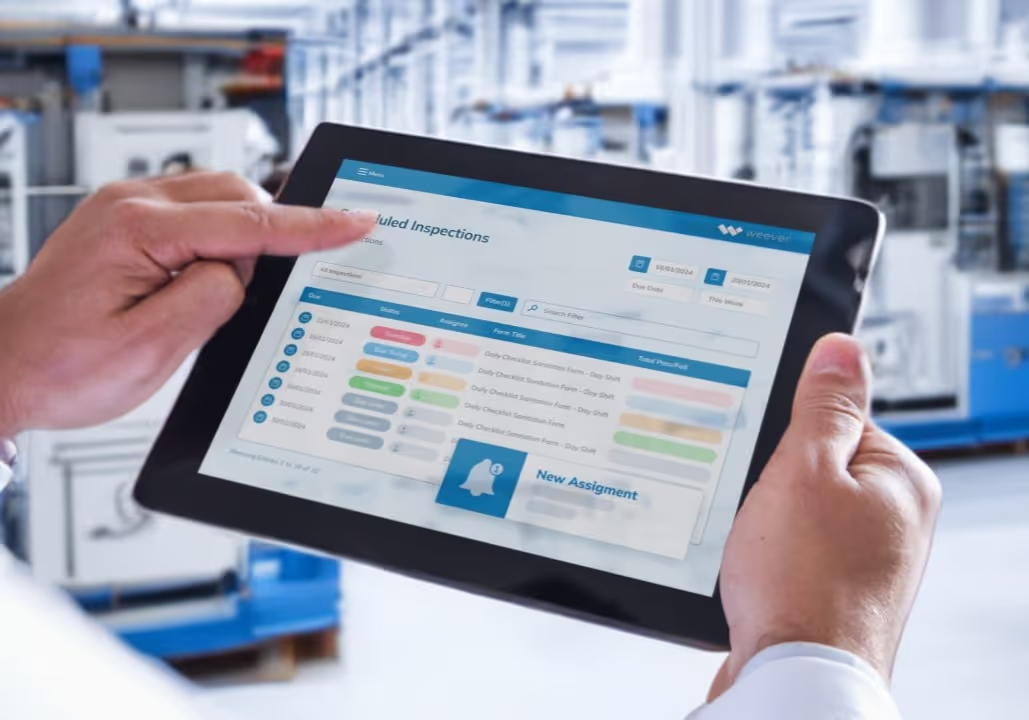
Understanding TPM and Autonomous Maintenance: How Weever Supports Total Productive Maintenance
Maintaining operational efficiency and minimizing downtime are critical factors that can make or break a business in today's competitive landscape. Total Productive Maintenance (TPM) is a proven approach that helps companies achieve these goals by focusing on proactive and preventive maintenance. Within the TPM framework, autonomous maintenance plays a pivotal role in empowering operators to take responsibility for routine maintenance tasks, ensuring that equipment runs smoothly and efficiently. But what is autonomous maintenance in TPM, and how does it help businesses stay ahead of the curve? More importantly, how can Weever software facilitate the integration and execution of these practices?
Understanding TPM and Autonomous Maintenance
What is TPM?
Total Productive Maintenance (TPM) is a comprehensive approach to equipment maintenance that aims to achieve perfect production. This means zero defects, zero breakdowns, and zero accidents. TPM focuses on involving all employees, from top management to front-line operators, in maintenance activities. By fostering a culture of continuous improvement, TPM helps businesses enhance productivity, reduce downtime, and increase overall equipment effectiveness (OEE).
What is Autonomous Maintenance in TPM?
Autonomous maintenance is one of the key pillars of TPM. It empowers operators to take ownership of routine maintenance tasks such as cleaning, inspecting, lubricating, and tightening equipment. The goal is to ensure that equipment remains in optimal condition and that minor issues are identified and addressed before they escalate into major problems. Autonomous maintenance not only enhances equipment reliability but also increases operator engagement and ownership, leading to a more proactive and efficient workforce.
The Relationship Between TPM and Autonomous Maintenance
TPM and autonomous maintenance are closely intertwined. While TPM provides the overarching framework for achieving production excellence, autonomous maintenance is a practical application of TPM principles at the operator level. By integrating autonomous maintenance into their TPM strategies, businesses can ensure that equipment maintenance is not just the responsibility of the maintenance department but a shared responsibility across the entire organization.
This integration helps businesses stay ahead by:
- Reducing Equipment Downtime: Regular maintenance by operators prevents unexpected breakdowns.
- Improving Product Quality: Well-maintained equipment produces higher-quality products.
- Increasing Employee Engagement: Operators who take ownership of maintenance tasks are more invested in the overall success of the operation.
How Weever Facilitates TPM and Autonomous Maintenance
Weever software is designed to help businesses effectively implement and manage TPM and autonomous maintenance initiatives. Here's how Weever can support these critical maintenance practices:
1. Ease of Use: Simplifying the Integration of TPM and Autonomous Maintenance
One of the challenges businesses face when implementing TPM and autonomous maintenance is ensuring that these practices are adopted smoothly and effectively across the organization. Weever's intuitive platform simplifies this integration by providing a user-friendly interface that makes it easy for operators and managers to adopt and execute TPM and autonomous maintenance practices.
With Weever, businesses can quickly set up and customize maintenance workflows, checklists, and schedules that align with TPM principles. The platform's ease of use ensures that even operators with limited technical skills can effectively participate in autonomous maintenance activities. This simplicity is crucial for fostering widespread adoption of TPM and autonomous maintenance across the organization, ensuring that everyone is on the same page and working towards the same goals.
2. Automated Workflows and Action Items: Streamlining TPM and Autonomous Maintenance
One of the key benefits of Weever is its ability to automate workflows and action items related to TPM and autonomous maintenance. Automation ensures that routine maintenance tasks are performed consistently and on time, without adding complexity to the operator's workload.
For example, Weever can automate the scheduling of routine inspections, lubrication tasks, and equipment cleaning, ensuring that these tasks are completed according to the TPM plan. Automated reminders and notifications keep operators informed of upcoming tasks, reducing the risk of missed maintenance activities. By automating these workflows, Weever helps businesses maintain high levels of equipment reliability and efficiency, all while freeing up operators to focus on more strategic tasks.
3. Insights and Trends: Leveraging Data for Continuous Improvement
In the world of TPM and autonomous maintenance, data is key. Weever's analytics capabilities provide businesses with deep insights into the effectiveness of their maintenance practices. By analyzing data from ongoing maintenance activities, Weever enables businesses to identify trends, pinpoint areas for improvement, and make data-driven decisions that enhance overall equipment effectiveness.
Weever's analytics can reveal patterns in equipment performance, highlight recurring issues, and provide insights into the root causes of downtime. This information is invaluable for continuous improvement efforts, allowing businesses to refine their TPM and autonomous maintenance strategies over time. Additionally, by staying informed about emerging trends in maintenance, businesses can proactively adjust their practices to maintain a competitive edge.
4. Real-Time Reporting: Staying Informed and Agile
In today's fast-paced industrial environment, staying informed about maintenance activities in real-time is essential for maintaining operational efficiency. Weever's real-time reporting features provide businesses with up-to-date information on their TPM and autonomous maintenance activities, enabling quick adjustments in line with the latest industry developments.
For instance, if an operator identifies an issue during a routine inspection, Weever's real-time reporting can immediately alert maintenance managers, allowing them to take swift action to prevent further problems. This agility is crucial for minimizing downtime and ensuring that equipment remains in optimal condition.
Real-time reporting also helps businesses track the progress of their TPM initiatives, providing visibility into key metrics such as OEE, maintenance task completion rates, and equipment performance. This transparency allows businesses to stay on top of their maintenance activities and make informed decisions that drive continuous improvement.
5. Rollout Methodology: Ensuring Smooth Implementation of TPM and Autonomous Maintenance
Implementing new TPM and autonomous maintenance initiatives can be challenging, especially in large or complex organizations. Weever's structured rollout methodology ensures that these initiatives are implemented smoothly and effectively, minimizing disruption to daily operations.
Weever provides businesses with a clear roadmap for rolling out new maintenance practices, from initial planning to full deployment. This structured approach includes training, support, and ongoing monitoring to ensure that all employees are aligned with the new practices and that the initiatives deliver the expected results.
By using Weever's rollout methodology, businesses can quickly adapt to emerging trends in TPM and autonomous maintenance, ensuring that their operations remain efficient, competitive, and resilient.
Conclusion
Understanding and implementing TPM and autonomous maintenance is essential for businesses looking to stay ahead in today's competitive industrial landscape. These practices not only enhance equipment reliability and productivity but also foster a culture of continuous improvement and employee engagement.
Weever software is a powerful tool that supports businesses in their TPM and autonomous maintenance initiatives. With its ease of use, automated workflows, advanced analytics, real-time reporting, and structured rollout methodology, Weever simplifies the integration and execution of these practices, helping businesses stay ahead of emerging trends and maintain a competitive edge.
By leveraging Weever, businesses can ensure that their maintenance practices are not only effective but also adaptable to the ever-changing demands of the industry, paving the way for long-term success.

What Makes a Good Safety Observation?
Safety observations are the cornerstone of a robust workplace safety program. At Weever Apps, we understand the critical role these observations play in preventing accidents and fostering a culture of safety.
But what exactly makes a good safety observation? This blog post will explore the key components, effective techniques, and best practices for conducting and analyzing safety observations that drive meaningful improvements in workplace safety.
What Makes a Safety Observation Effective?
Painting a Clear Picture
An effective safety observation provides a clear snapshot of the current safety landscape. It allows for prompt action and long-term improvements. The foundation of a good safety observation is a clear and specific description of the situation. This includes the exact location, time, and context of the observation.

For example, instead of simply stating "unsafe ladder use," a good observation might read: "At 2:30 PM on September 13, 2024, in the warehouse loading area, an employee stood on the top rung of an 8-foot ladder while restocking inventory on high shelves."
This level of detail allows safety managers to pinpoint exactly where and when issues occur, making it easier to address them effectively.
Spotting the Danger Before It Strikes
Identifying potential hazards prevents accidents before they happen. A skilled observer looks beyond the obvious and considers what could go wrong in a given situation. This might include noticing a wet floor without proper signage, identifying machinery without proper guarding, or recognizing when personal protective equipment (PPE) is not used correctly.
According to the National Safety Council, slips, trips, and falls account for 27% of all workplace injuries. Companies can significantly reduce their accident rates by focusing on identifying these types of hazards during observations.
Documenting the Specifics
When it comes to unsafe acts or conditions, the devil is in the details. Good safety observations document specific behaviors or situations that could lead to accidents. This might include noting an employee bypassing a safety procedure to save time or identifying equipment that shows signs of wear and tear.
For instance, if an observation reveals that 30% of workers in a particular area are not wearing safety glasses, this specific data point can target safety training and improve compliance.
Taking Swift Action
The final key component of an effective safety observation is the immediate action taken to address the issue. This demonstrates a commitment to safety and can prevent accidents in real-time. Actions might range from providing on-the-spot coaching to an employee, to immediately cordoning off a hazardous area.
Observations that include immediate corrective actions are more likely to result in lasting behavioral changes compared to those that only document issues without taking action.
Leveraging Technology for Better Observations
Modern safety observation processes benefit greatly from digital tools (like those offered by Weever Apps). These platforms streamline the documentation process, allow for real-time reporting, and facilitate quick analysis of safety trends. With mobile-friendly interfaces, observers can easily record detailed observations on-the-go, ensuring no critical information is lost.
The next section will explore effective techniques for conducting these vital safety observations, building on the key components we've just discussed.
How to Conduct Effective Safety Observations
Standardize Your Approach
Using a standardized observation form ensures consistency and comprehensive data collection. A well-designed form guides observers through key areas to assess, preventing oversight of critical aspects.

When you create your form, include sections for date, time, location, specific behaviors observed, potential hazards, and immediate actions taken. Digital forms allow for easy data entry and instant submission, which streamlines the entire process.
Foster Open Communication
Engaging workers in open dialogue during observations is essential for gathering accurate information and promoting a positive safety culture.
Approach workers with a friendly demeanor and explain the purpose of the observation. Ask open-ended questions about their tasks and any safety concerns they might have. This approach not only yields valuable insights but also helps workers feel more invested in the safety process.
Focus on Behaviors, Not Individuals
When you conduct observations, it's important to focus on specific behaviors rather than individuals. This approach helps prevent defensiveness and encourages honest reporting. Behavior-focused observations involve watching and evaluating workplace behavior to identify potential safety hazards and risks.
Instead of noting "John wasn't wearing his safety goggles," record "Employee observed operating machinery without proper eye protection." This shift in focus allows for more objective analysis and targeted improvements in safety protocols.
Document Both Safe and Unsafe Practices
During your observations, document both safe and unsafe practices. Recognizing and reinforcing positive behaviors is just as important as identifying areas for improvement.
Leverage Technology for Better Observations
Modern safety observation processes benefit greatly from digital tools. These platforms streamline the documentation process, allow for real-time reporting, and facilitate quick analysis of safety trends. With mobile-friendly interfaces, observers can easily record detailed observations on-the-go, ensuring no critical information is lost.
These strategies not only improve the quality of data collected but also contribute to a more engaged and safety-conscious workforce. The next section will explore how to analyze and act on the valuable information gathered through these effective safety observations.
Turning Observations into Action
Spotting Patterns in Your Data
The first step to leverage your safety observations is to categorize and analyze them for trends. This process helps identify recurring issues and areas that need immediate attention. For example, if 40% of your observations relate to improper PPE usage, it's clear where you need to focus your efforts.

Digital tools streamline this process. Modern safety software can automatically categorize observations and generate trend reports, which saves time and reduces human error. This approach allows safety managers to quickly identify hotspots and allocate resources effectively.
Finding Root Causes
Once you identify trends, it's important to uncover the root causes of safety issues. This often involves asking a series of "why" questions to get to the heart of the problem.
For instance, if employees consistently fail to wear safety goggles, don't stop at the surface-level observation. Ask why. Is it because the goggles are uncomfortable? Are they not readily available? Or is there a lack of understanding about when they're required? By identifying the root cause, you can implement more effective and lasting solutions.
From Insight to Action
With a clear understanding of trends and root causes, it's time to develop and implement corrective actions. These should be specific, measurable, and time-bound. For example, if the root cause of PPE non-compliance is discomfort, your action plan might include:
- Research and purchase more comfortable PPE options within 30 days.
- Conduct a trial with a select group of employees for 2 weeks.
- Roll out new PPE to all employees within 60 days, accompanied by training on proper usage.
The most effective corrective actions often involve a combination of engineering controls, administrative controls, and PPE. Try to implement the highest level of the hierarchy of controls when developing your action plans.
Measuring Success
The final step in this process is to track the effectiveness of your implemented changes. This involves continued observation and data collection to see if the frequency of identified issues decreases over time.
Set clear metrics for success. If you're addressing PPE compliance, you might try for a 95% compliance rate within three months of implementing your action plan. Regular check-ins and data analysis will help you determine if you're on track or if further adjustments are needed.
This systematic approach to analyzing and acting on safety observations creates a safer work environment and fosters a culture of continuous improvement. Safety is not a one-time effort but an ongoing process that involves a step-by-step approach to implementing a safety and health program, built around seven core elements.
Final Thoughts
Good safety observations form the foundation of a robust workplace safety program. They provide clear, specific descriptions of situations, identify potential hazards, and detail unsafe acts or conditions. Organizations can significantly reduce workplace accidents and foster a culture of safety when they focus on these key elements.

The process to conduct effective safety observations involves standardized forms, open communication with workers, and a focus on behaviors rather than individuals. Companies must analyze and act on the gathered information to drive continuous improvement in their safety practices.
At Weever Apps, we offer a Connected Worker platform that streamlines and enhances the safety observation process. Our platform supports comprehensive programs like Behavior Based Safety Observations, which ensures that good safety observations translate into tangible improvements in workplace safety. We invite you to explore how our tools can help create a proactive safety culture in your organization.

Empowering Operators Through Autonomous Maintenance
At Weever Apps, we've seen firsthand how autonomous maintenance for operators can revolutionize industrial processes. This approach shifts routine maintenance tasks to frontline workers, boosting efficiency and equipment reliability.
Autonomous maintenance empowers operators to take ownership of their equipment, leading to faster problem detection and resolution. In this post, we'll explore the key components of autonomous maintenance and how organizations can implement this strategy effectively.
What Is Autonomous Maintenance?
The Foundation of Autonomous Maintenance
Autonomous Maintenance (AM) puts equipment care directly in the hands of operators. It forms a key component of Total Productive Maintenance (TPM), a strategy that originated in Japan's automotive industry in the 1970s. AM transfers the responsibility for routine maintenance tasks from specialized technicians to the frontline workers who use the equipment daily.
Empowering Operators
AM empowers operators to take ownership of their equipment. This approach transforms their role from simply running machines to actively maintaining them. Operators perform basic tasks like cleaning, lubricating, and conducting safety checks. They also receive training to identify early signs of wear and tear, which allows for quick interventions before small issues escalate into major problems.
Measurable Benefits
AM offers substantial benefits for both workers and companies. Operators experience increased job satisfaction and skill development. They gain a deeper understanding of their equipment, which can lead to career advancement opportunities.

Organizations also reap significant rewards. A study by the Manufacturing Institute found that companies with strong employee engagement programs (like AM) see a 26% increase in suggestions for process improvements. This leads to reduced downtime, lower maintenance costs, and improved product quality. One automotive parts manufacturer reported a 22% increase in Overall Equipment Effectiveness (OEE) just six months after implementing AM.
A Shift from Traditional Approaches
Traditional maintenance approaches often create a divide between operators and maintenance staff. Operators run the equipment, while maintenance personnel fix it when it breaks down. This reactive approach can lead to unexpected downtime and higher repair costs.
AM breaks this mold. It creates a collaborative environment where operators and maintenance staff work together to keep equipment running smoothly. This proactive stance has shown impressive results. Poor maintenance strategies can reduce a facility's overall productive capacity by 5% to 20%.
Technology's Impact
Digital tools play a vital role in modern AM implementation. Mobile apps and digital checklists streamline the process of logging maintenance activities and reporting issues in real-time. This increased responsiveness to equipment problems can significantly reduce downtime and repair costs.
Overcoming Implementation Hurdles
While the benefits of AM are clear, implementation can present challenges. Resistance to change is common. However, involving operators in the planning process can achieve up to 90% buy-in from day one (as demonstrated by a California food processing plant).
Training is another critical factor. A Texas chemical plant reported a 30% increase in operator confidence after implementing a tiered training program for AM. This underscores the importance of comprehensive training when transitioning to an AM approach.
As we move forward, let's explore the key components that make up a successful Autonomous Maintenance program.
Core Elements of Autonomous Maintenance
Operator-Led Equipment Inspections
Regular equipment inspections serve as the foundation of any successful Autonomous Maintenance (AM) program. These inspections transcend simple visual checks. Operators learn to utilize all their senses - sight, sound, smell, and touch - to detect potential issues. A slight change in machine sound or an unusual vibration can signal an impending problem.

The Society for Maintenance and Reliability Professionals conducted a study which revealed that companies implementing rigorous operator-led inspections experienced a reduction of at least 20% in persistently excessive unplanned downtime rates. This statistic underscores the significant impact well-trained operators can have on equipment reliability.
Proactive Cleaning and Lubrication
In AM, cleanliness extends beyond aesthetics; it forms a critical component of preventive maintenance. Regular cleaning enables operators to spot leaks, loose parts, or other issues that might hide under dirt or grime. Proper lubrication also plays an essential role in reducing wear and extending equipment life.
Early Issue Identification and Resolution
AM empowers operators to address minor issues before they escalate into major problems. This might involve tightening loose bolts, replacing worn seals, or adjusting misaligned parts. Prompt attention to these small tasks can prevent costly breakdowns and extend equipment life.
Continuous Improvement Culture
AM requires ongoing learning and improvement, not just a one-time implementation. Operators receive encouragement to suggest improvements based on their daily interactions with the equipment. This bottom-up approach often leads to innovative solutions that might go unnoticed in traditional top-down management structures.
Implementing these core elements of AM requires a shift in mindset and often, significant organizational change. However, the benefits - improved equipment reliability, reduced downtime, and a more engaged workforce - make it a worthwhile investment for many manufacturers.
Digital tools can significantly streamline the AM process. Platforms like Weever Apps provide intuitive interfaces for logging inspections, reporting issues, and tracking improvements, making it easier to adopt and sustain AM practices. As we move forward, let's explore how organizations can effectively implement Autonomous Maintenance and reap its full benefits.
How to Implement Autonomous Maintenance
Develop Comprehensive Training Programs
Effective training forms the foundation of successful Autonomous Maintenance (AM) implementation. Strong growth is expected for mechatronics technicians, electrical and mechanical engineering technicians, and robotics installation and deployment. Organizations should start with basic equipment knowledge and progress to more complex maintenance tasks.

Digital training platforms often yield better results. These platforms enable self-paced learning, interactive modules, and real-time progress tracking. A tiered training system allows operators to advance their skills and take on more responsibilities over time.
Define Clear Roles and Responsibilities
Clarity is essential when transitioning to an AM model. Organizations must outline the tasks operators will now handle and explain how this impacts the role of dedicated maintenance staff. A food processing plant in California achieved 90% buy-in from day one by involving operators in the planning process and clearly communicating new expectations.
A detailed responsibility matrix outlines specific tasks for operators, maintenance technicians, and supervisors. This matrix prevents confusion and ensures coverage of all necessary maintenance activities.
Standardize Procedures with Digital Checklists
Consistency underpins AM success. Organizations should develop standardized procedures for common maintenance tasks and create digital checklists to guide operators through these processes. The Society for Maintenance and Reliability Professionals found that companies using digital checklists improved task completion rates and accuracy by 15%.
Digital checklists provide valuable data for continuous improvement. They allow managers to identify common issues, track completion rates, and refine procedures over time. Intuitive interfaces for creating and managing these digital checklists make it easier for organizations to implement and sustain AM practices.
Leverage Technology for Real-Time Insights
Technology plays a pivotal role in modern AM implementation. Mobile apps and IoT sensors provide real-time equipment data, allowing operators to make informed decisions about maintenance needs. A steel mill in Pennsylvania reduced unplanned downtime by 22% after implementing a system that allowed operators to log maintenance activities and report issues in real-time.
Organizations should try to implement a comprehensive Connected Worker platform (such as Weever Apps) that integrates various aspects of AM, from digital checklists to real-time reporting and analytics. This approach not only streamlines the AM process but also provides valuable insights for continuous improvement.
Monitor and Adjust
Implementing AM requires ongoing refinement. Regular reviews based on operator feedback and performance data (collected through digital tools) are essential. Organizations should establish key performance indicators (KPIs) to measure the success of their AM program and make data-driven adjustments as needed.
Final Thoughts
Autonomous maintenance for operators transforms how organizations manage equipment care and reliability. This approach empowers frontline workers with knowledge and skills to maintain their equipment, leading to significant improvements in productivity and operational efficiency. Organizations can expect reduced downtime, extended equipment lifespan, and improved product quality as long-term benefits of implementing this strategy.

Successful implementation requires commitment, comprehensive training programs, and the right technological support. Digital tools play a vital role in streamlining autonomous maintenance processes and providing real-time insights for decision-making. Weever Apps offers intuitive interfaces for logging inspections, reporting issues, and tracking improvements, which simplifies the adoption and sustainability of autonomous maintenance practices.
The importance of autonomous maintenance will continue to grow as industries evolve. Organizations that embrace this approach position themselves for long-term success in an increasingly competitive global market. Companies across various industries have already reaped significant benefits from this approach (such as reduced downtime and increased productivity).

Why Are Safety Observations Crucial in the Workplace?
Safety observations are a cornerstone of workplace safety management. They help identify potential hazards before accidents occur, fostering a proactive approach to safety.
At Weever Apps, we understand the importance of safety observations in creating a secure work environment. This blog post explores why these observations are vital and how they can significantly improve workplace safety outcomes.
What Are Safety Observations?
Definition and Purpose
Safety observations are a proactive approach to prevent workplace incidents by identifying potential hazards and at-risk behaviors. Their primary purpose is to promote a safe work environment. These observations actively look for both safe and unsafe acts or conditions, document findings, and take appropriate action to address any issues.
Types of Safety Observations
Organizations can implement several types of safety observations:
- Planned observations: Scheduled, formal assessments of specific work areas or processes.
- Unplanned observations: Spontaneous checks that capture day-to-day safety practices.
- Peer-to-peer observations: Employees observe and provide feedback on each other's safety behaviors.
- Management walk-throughs: Leadership teams conduct regular safety tours to demonstrate commitment and identify areas for improvement.
- Task-specific observations: Focus on particular high-risk activities or new procedures.
The Role of Technology
Modern safety management systems have revolutionized safety observations. Digital tools enable real-time data collection, instant reporting, and trend analysis. This technology allows for more efficient tracking of safety metrics and faster response to potential hazards. (Weever Apps offers such digital solutions for safety management.)
Impact on Workplace Safety Culture
Regular safety observations shape an organization's safety culture. They demonstrate a commitment to employee well-being and encourage open communication about safety concerns. A study by the National Safety Council found that companies with strong safety cultures experience 50% fewer injuries than those without.

Safety observations also serve as a powerful tool for employee engagement. When workers participate in the observation process, they become more aware of their surroundings and take greater ownership of workplace safety. This increased engagement can lead to a significant reduction in workplace accidents and injuries.
Measuring Effectiveness
To understand the impact of safety observations, it's essential to track key performance indicators (KPIs). Some important metrics include:
- Number of observations conducted
- Types of hazards identified
- Time to resolution for reported issues
- Injury frequency rates
- Near-miss incidents
Consistent monitoring of these KPIs helps organizations identify trends, measure the effectiveness of their safety programs, and make data-driven decisions to improve workplace safety.
The next chapter will explore the numerous benefits that regular safety observations bring to the workplace, including proactive hazard identification and improved safety culture.
How Safety Observations Benefit Your Workplace
Proactive Hazard Identification
Safety observations excel at identifying potential dangers before they cause accidents. A manufacturing company implemented a daily observation program and discovered a previously unnoticed trip hazard near a high-traffic area. This proactive approach to hazard identification prevents incidents more effectively than reactive measures taken after an accident occurs.
Fostering a Safety-First Culture
When employees participate in safety observations, it reinforces the importance of safety in their daily routines. A study by the National Safety Council found that companies with strong safety cultures experience 50% fewer injuries than those without. This cultural shift leads to increased awareness, with workers more likely to speak up about potential risks and take ownership of their own safety and that of their colleagues.
Reducing Accident Rates and Costs
Regular safety observations directly correlate with reduced accident rates. A manufacturing plant that implemented a comprehensive safety observation program saw a 40% reduction in workplace injuries within the first year. This decrease in accidents translates to substantial cost savings. The Occupational Safety and Health Administration (OSHA) estimates that employers pay more than $1 billion per week for direct workers' compensation costs alone, underscoring the financial impact of workplace accidents.
Enhancing Operational Efficiency
Safety observations often reveal inefficiencies in work processes that, when addressed, can improve overall productivity. A construction company noticed through their observation program that workers frequently searched for personal protective equipment (PPE). They reorganized their PPE storage system, which not only enhanced safety compliance but also saved an average of 15 minutes per worker per day in retrieval time.
Leveraging Technology for Better Results
Digital tools can streamline the safety observation process, making it easier for organizations to reap these benefits. Modern platforms (such as those offered by Weever Apps) allow for real-time reporting and analysis of safety observations, enabling quick action on potential hazards and fostering a data-driven approach to workplace safety.

The next chapter will explore best practices for implementing effective safety observation programs, ensuring organizations can maximize these benefits in their own workplaces.
How to Implement Effective Safety Observations
Train Observers for Success
The foundation of any successful safety observation program is well-trained observers. These individuals need to understand what to look for and how to approach observations in a way that promotes a positive safety culture. A study by the National Safety Council found that companies with comprehensive observer training programs saw a 22% increase in the quality of safety observations.

Effective training should cover hazard recognition, observation techniques, and communication skills. Observers should learn to use a "positive-first" approach, acknowledging safe behaviors before addressing areas for improvement. This method increases employee receptiveness to feedback by up to 30%.
Use Digital Tools
Digital tools have revolutionized safety observations, making the process more efficient and data-driven. A recent study investigated the use of digital innovations for safety and health management in hazardous industries.
Modern platforms allow for real-time data collection and analysis. These tools enable observers to input data on-the-go, instantly alerting relevant parties to critical issues. This immediacy can reduce response times to potential hazards by up to 60%.
Foster Employee Participation
A robust safety observation program thrives on widespread employee participation. When frontline workers actively involve themselves in the observation process, they become more invested in workplace safety. A study in the Journal of Safety Research found that companies with high employee participation in safety programs had 70% fewer accidents compared to those with low participation.
To encourage participation, implement a recognition program for active observers. One manufacturing company saw a 40% increase in observation submissions after introducing a monthly "Safety Champion" award for the most insightful observations.
Close the Loop
The true value of safety observations lies in the actions taken afterward. A closed-loop process ensures that identified issues receive attention and improvements occur. According to a report by the Aberdeen Group, top-performing companies are 3.5 times more likely to have a formal process for following up on safety observations.
Establish a clear workflow for addressing observations. This should include assigning responsibility for corrective actions, setting deadlines, and communicating progress to all stakeholders. One energy company reduced its incident rate by 35% after implementing a digital system that tracked the resolution of safety observations from identification to completion.
Analyze Data for Continuous Improvement
Regular analysis of observation data is essential for identifying trends and systemic issues. Use this information to drive continuous improvement in your safety programs. For example, a construction firm noticed through data analysis that 40% of their near-misses related to improper equipment use. They responded with targeted training, resulting in a 25% reduction in equipment-related incidents over six months.
Final Thoughts
Safety observations form the foundation of effective workplace safety management. They serve as a proactive tool for hazard identification, foster a safety-first culture, and reduce accident rates and costs. Organizations that prioritize these practices see sustained reductions in incident rates, improved employee engagement, and enhanced operational efficiency.

The importance of safety observations cannot be overstated in creating safer workplaces. We at Weever Apps understand this critical role and support comprehensive programs like Behaviour Based Safety Observations through our Connected Worker platform. Our solution provides intuitive digital forms for easy data capture and real-time dashboards for cross-team visibility.
We encourage all organizations to prioritize safety observations, invest in training programs for observers, and utilize digital tools to maximize their impact. Weever Apps can enhance your safety observation programs and help create a safer, more productive workplace for all (while protecting your most valuable asset – your employees).

Benefits of Autonomous Maintenance: Why Implement It?
At Weever Apps, we've seen firsthand how autonomous maintenance can transform manufacturing operations. This approach empowers operators to take ownership of their equipment, leading to significant improvements in reliability and efficiency.
The benefits of autonomous maintenance extend far beyond just keeping machines running smoothly. In this post, we'll explore how this strategy can boost productivity, cut costs, and create a more engaged workforce.
What Is Autonomous Maintenance?
A Shift in Maintenance Philosophy
Autonomous Maintenance transforms the traditional "I operate, you fix" mentality into a collaborative "I operate, I maintain" approach. This strategy forms a cornerstone of Total Productive Maintenance (TPM), a holistic approach to equipment maintenance that strives to achieve perfect production with no breakdowns or small stops.
Empowering Operators
In Autonomous Maintenance, operators take charge of basic maintenance tasks (cleaning, inspecting, and lubricating their equipment). This approach goes beyond mere tidiness; it cultivates a deep understanding of equipment functionality. Operators become the first line of defense against breakdowns, able to identify potential issues before they escalate into costly problems.
Breaking Down Departmental Silos
Traditional maintenance approaches often create divisions between operators and maintenance teams. Autonomous Maintenance eliminates these barriers. It promotes collaboration and knowledge sharing across departments, which leads to quicker problem-solving and more efficient operations overall.
Focus on Continuous Improvement
A key principle of Autonomous Maintenance is the pursuit of ongoing enhancement. It extends beyond maintaining the status quo; it involves a constant search for ways to improve equipment performance and reliability. This aligns perfectly with TPM's goal to eliminate losses and maximize productivity.
Digital Tools for Implementation
Digital platforms support Autonomous Maintenance by providing tools for digital checklists, real-time issue reporting, and data analysis. These features help teams implement and sustain Autonomous Maintenance practices effectively. Weever Apps, for instance, offers a comprehensive solution that includes these essential features and more.

Implementing Autonomous Maintenance presents challenges. It requires a cultural shift and investment in training. However, the long-term benefits - increased uptime, reduced maintenance costs, and a more skilled workforce - make it a valuable strategy for many organizations. As we explore these benefits in more detail, you'll see why more companies are adopting this approach.
Why Autonomous Maintenance Delivers Tangible Results
Slashing Downtime and Boosting Reliability
Unplanned downtime can cost a company up to $260,000 an hour. Autonomous Maintenance addresses this issue head-on. Operators who perform regular checks and minor repairs catch issues early. This proactive approach reduces unplanned downtime by up to 35% (according to a Deloitte report).

An automotive parts manufacturer in Michigan increased their Overall Equipment Effectiveness (OEE) by 22% within six months of implementing Autonomous Maintenance. They achieved this result by empowering operators to conduct daily equipment checks and address minor issues immediately.
Cutting Maintenance Costs Without Compromising Quality
Maintenance budgets often spiral out of control, especially when companies rely heavily on reactive maintenance. Autonomous Maintenance reverses this trend. Companies expand their maintenance team without expanding their payroll when they involve operators in routine maintenance tasks.
A food processing plant in California reduced maintenance costs by 28% after implementing Autonomous Maintenance. They accomplished this by decreasing the frequency of major repairs and extending equipment life through better day-to-day care.
Elevating Product Quality Through Operator Expertise
Operators who know their equipment intimately spot quality issues before they escalate. This familiarity translates directly into improved product quality.
A textile manufacturer in North Carolina saw defect rates drop by 18% within the first year of implementing Autonomous Maintenance. Operators, now more attuned to their machines' performance, quickly identified and corrected issues that previously led to quality problems.
Fostering a Culture of Continuous Improvement
Autonomous Maintenance extends beyond maintaining equipment; it continuously improves processes. Operators who take ownership of their equipment suggest improvements and innovations more frequently.
A Manufacturing Institute survey found that companies with strong employee engagement programs (like Autonomous Maintenance) saw a 26% increase in suggestions for process improvements from frontline workers.
Many companies turn to digital tools to support this culture of continuous improvement. These platforms allow operators to easily log observations, suggest improvements, and track the implementation of their ideas. This digital approach ensures that good ideas don't fall through the cracks.
Enhancing Safety and Compliance
Autonomous Maintenance significantly improves workplace safety. Operators who regularly inspect and maintain their equipment identify potential hazards early, preventing accidents before they occur. This proactive approach not only protects workers but also ensures compliance with safety regulations.
A chemical manufacturing plant reported a 40% reduction in safety incidents after implementing Autonomous Maintenance (coupled with a comprehensive safety program). Regular equipment checks and immediate addressing of minor issues prevented many potential accidents.
As we explore the implementation of Autonomous Maintenance, we'll discover how organizations can overcome common challenges and fully realize these benefits.
How to Implement Autonomous Maintenance
Create a Solid Foundation
Start with an assessment of your current maintenance practices. Identify equipment that will benefit most from Autonomous Maintenance. A food processing plant implemented Autonomous Maintenance and achieved time savings due to automated reporting through Weever's integration with Microsoft Power BI.

Establish clear goals. Set specific, measurable targets for reducing downtime, cutting maintenance costs, or improving product quality. An automotive parts manufacturer in Michigan aimed to increase their Overall Equipment Effectiveness (OEE) by 20% within six months.
Train and Empower Your Team
Effective training forms the cornerstone of successful implementation. Start with basic equipment knowledge and progress to more complex maintenance tasks. A chemical plant in Texas developed a tiered training program, which increased operator confidence in performing maintenance tasks by 30%.
Combine classroom sessions with hands-on practice. Digital learning platforms can enhance traditional training methods. For instance, some platforms offer interactive digital work instructions to guide operators through maintenance procedures step-by-step.
Cultural change plays an equally important role. Promote a sense of ownership among operators. Recognize and reward those who excel in their new responsibilities. A packaging company in Florida implemented a recognition program tied to Autonomous Maintenance achievements, resulting in a 25% increase in employee engagement scores.
Leverage Technology for Success
Digital tools streamline processes, improve communication, and provide valuable data insights for modern Autonomous Maintenance programs.
Mobile apps enable operators to log maintenance activities and report issues in real-time. A textile manufacturer in North Carolina implemented a mobile reporting system and reduced their response time to equipment issues by 40%.
Data analytics platforms help identify trends and predict potential failures. A steel mill in Pennsylvania used predictive analytics to reduce unplanned downtime by 22% in the first year of implementation.
Choose a platform that integrates multiple functions. Some solutions combine digital checklists, real-time reporting, and data analytics in one user-friendly interface.
Overcome Common Challenges
Resistance to change often presents an obstacle. Address this by involving operators in the planning process and clearly communicating the benefits of Autonomous Maintenance. A food processing plant in California formed a cross-functional team to design their program, resulting in 90% operator buy-in from day one.
Consistency can pose another challenge. Implement standardized procedures and regular audits to ensure correct and consistent performance of maintenance tasks. An automotive parts manufacturer used digital checklists to increase compliance with maintenance procedures by 35%.
Try not to overwhelm your team. Start small and gradually expand your Autonomous Maintenance program. A chemical plant in Texas began with basic cleaning and inspection tasks, adding more complex maintenance activities over a six-month period. This approach led to a smooth transition and a 28% reduction in major equipment failures.
Final Thoughts
Autonomous maintenance transforms modern manufacturing with numerous benefits. Organizations reduce downtime, cut maintenance costs, and improve product quality when operators take ownership of their machinery. These improvements lead to enhanced safety, increased employee engagement, and a culture of continuous improvement.

The long-term impact of autonomous maintenance on organizational performance proves substantial. Companies that implement this strategy often see significant increases in Overall Equipment Effectiveness (OEE), which translates directly to improved competitiveness. However, success requires unwavering commitment and a focus on continuous improvement.
Digital platforms play a crucial role in maximizing autonomous maintenance benefits. Weever's Connected Worker platform offers a comprehensive solution for implementing and managing autonomous maintenance programs. With features like automated workflows and real-time dashboards, Weever helps organizations streamline their maintenance processes and drive continuous improvement.

5S Audits: Boosting Efficiency in Lean Manufacturing
At Weever Apps, we've seen firsthand how 5S audits in lean manufacturing can transform workplaces. These audits are powerful tools for boosting efficiency and productivity in manufacturing environments.
By systematically evaluating and improving workplace organization, 5S audits help companies eliminate waste, reduce errors, and optimize their processes. In this post, we'll explore the key components of 5S audits and how they can drive continuous improvement in your manufacturing operations.
What Are 5S Audits?
Definition and Purpose
5S audits are systematic evaluations of workplace organization and cleanliness in manufacturing environments. These audits maintain lean manufacturing principles and drive continuous improvement. 5S audits assess how well a company adheres to the five pillars of the 5S methodology: Sort, Straighten, Shine, Standardize, and Sustain.
The Five Pillars of 5S
Sort
Sort removes unnecessary items from the workspace. Auditors check if tools, materials, and equipment not needed for current production processes have been eliminated or stored elsewhere.
Straighten (Set in Order)
Straighten organizes remaining items for maximum efficiency. Auditors evaluate if frequently used tools are easily accessible and if visual management techniques (like shadow boards) are effectively employed.
Shine
Shine emphasizes cleanliness. This step isn't just about aesthetics; a clean workspace helps identify equipment issues early. Auditors assess cleaning schedules and the overall cleanliness of work areas.
Standardize
Standardize ensures consistency across different work areas and shifts. Auditors look for standardized procedures, clear labeling systems, and visual aids that help maintain the first three S's.
Sustain
Sustain makes 5S a habit. Auditors evaluate training programs, communication strategies, and management support to ensure 5S practices are ingrained in the company culture.
Tangible Benefits of 5S Audits
Implementing regular 5S audits yields significant benefits. These improvements directly impact the bottom line.
Safety is another important benefit. This not only protects employees but also reduces costs associated with workplace injuries.
5S audits also contribute to improved employee morale.
Practical Implementation Tips
Consistency is key when conducting 5S audits. We recommend using digital tools to standardize the audit process. Platforms like Weever's Connected Worker solution offer customizable digital forms for 5S audits, ensuring all areas are consistently evaluated across different auditors and time periods.

To maximize the impact of 5S audits, involve employees at all levels. Train team leaders to conduct weekly mini-audits in their areas. This frequent assessment helps maintain standards and catches issues before they escalate.
Use the data from 5S audits to drive continuous improvement. Analyze trends over time to identify persistent problem areas or departments that consistently excel. This information can guide resource allocation and help share best practices across the organization.
Now that we understand what 5S audits are and their benefits, let's explore how to implement them effectively in manufacturing environments.
How to Conduct Effective 5S Audits
Preparation: The Foundation of Success
Start your 5S audit journey by creating a detailed checklist for each of the 5S principles. This approach ensures consistency across audits and helps new auditors quickly understand the process. Your checklist should include specific items to examine in each area:
- Sort: Identify unnecessary items in the work area
- Set in Order: Confirm designated places for every tool and material
- Shine: Check if all surfaces are clean and free of debris
- Standardize: Look for clear visual guides that maintain organization
- Sustain: Search for evidence of ongoing 5S training and communication

Establish a regular audit schedule next. Weekly audits prove effective for most manufacturing environments, but monthly audits might serve as a good starting point for those new to the 5S journey.
Focus on High-Impact Areas
While a comprehensive facility audit holds importance, some areas will yield more significant improvements than others. Concentrate on:
- Production lines: Often the heart of operations, these areas can benefit greatly from improved organization and cleanliness.
- Tool storage areas: Efficient tool management can dramatically reduce time wasted searching for equipment.
- Material staging areas: Well-organized staging areas improve flow and reduce errors in material handling.
- Workstations: Individual workstations are prime candidates for 5S improvements, directly impacting employee productivity.
Leverage Technology for Enhanced Audits
Paper-based audits belong in the past. Modern digital tools streamline the 5S audit process and provide valuable insights. Digital solutions offer several advantages:
- Capture photos of non-conformances directly in your audit form
- Automatically assign corrective actions to responsible parties
- Track audit trends over time to identify persistent issues or improvements
- Generate reports instantly for management review
The goal of 5S audits extends beyond problem identification-it drives continuous improvement. These steps and the right tools (such as Weever's Connected Worker platform) will set you on the path to creating a more efficient, safer, and more productive manufacturing environment.
As you implement these strategies for effective 5S audits, you'll likely encounter some challenges along the way. Let's explore how to overcome these common hurdles in the next section.
Tackling 5S Audit Roadblocks
Winning Over Skeptical Employees
Employee resistance often stems from misunderstanding or fear of change. To combat this, we recommend a multi-pronged approach. First, provide comprehensive training that clearly explains the benefits of 5S, not just for the company, but for individual workers. Show how a well-organized workspace can make their jobs easier and safer.

Next, involve employees in the audit process from the start. Form cross-functional teams to conduct audits, rotating members regularly. This hands-on involvement helps employees see the value firsthand and gives them a sense of ownership in the process.
Publicly celebrate wins. When a department shows significant improvement after implementing 5S principles, showcase their success. Consider implementing a reward system for teams that consistently score high on audits. This positive reinforcement can turn skeptics into advocates.
Maintaining Audit Consistency
Inconsistent audits can undermine the entire 5S process. To ensure uniformity, start by standardizing your audit forms and procedures. Digital platforms offer customizable templates that ensure every auditor follows the same criteria.
Train your auditors thoroughly and regularly. Consider implementing a certification program for 5S auditors to ensure they all have the same level of expertise. Periodic calibration sessions where auditors evaluate the same area can help identify and correct any discrepancies in scoring.
Another effective strategy is to use photo documentation during audits. This visual evidence helps maintain consistency across different auditors and provides clear examples for future reference.
From Audit Findings to Action
Identifying issues during an audit is only half the battle; the real challenge lies in addressing them effectively. Start by prioritizing findings based on their impact on safety, quality, and efficiency. Not all issues can be tackled at once, so focus on the most critical ones first.
Assign clear ownership for each action item identified in the audit. Use a digital system to automatically notify responsible parties and track progress. Set realistic deadlines and follow up consistently.
For recurring issues, dig deeper to find root causes. Consider using techniques like the 5 Whys or fishbone diagrams to uncover underlying problems. This approach helps prevent issues from resurfacing in future audits.
The 5S audit process is a framework that helps workers organize a work space for efficiency and effectiveness by identifying and storing the items used, maintaining the area and improving the process. Encourage a problem-solving mindset among your team. When issues are identified, involve the employees who work in that area to develop solutions. Their hands-on experience often leads to more effective and sustainable improvements (and increases buy-in).
Final Thoughts
5S audits in lean manufacturing transform workplaces beyond mere organization. These audits drive efficiency, reduce waste, and foster a culture of continuous improvement. Manufacturers who commit to this process often see significant improvements in operational efficiency, reduced downtime, and enhanced product quality.

For manufacturers looking to gain a competitive edge, adopting 5S audits is a strategic move. It creates a lean, efficient, and responsive manufacturing environment. Companies can streamline their 5S audit process by leveraging digital tools like Weever's Connected Worker platform, ensuring consistency and facilitating data-driven decision making.
The journey to 5S excellence may have challenges, but the rewards are worth the effort. We encourage all manufacturers to implement or enhance their 5S audit programs. The path to a leaner, more efficient future starts with five S's (Sort, Set in Order, Shine, Standardize, and Sustain).

Examples of Effective Positive Safety Observations
At Weever Apps, we've seen firsthand how positive safety observations can transform workplace safety culture. These observations focus on recognizing and reinforcing safe behaviors, rather than solely identifying hazards or violations.
In this post, we'll explore examples of effective positive safety observations across various industries. By understanding and implementing these practices, you can boost employee morale, increase safety awareness, and create a more proactive safety environment in your organization.
What Are Positive Safety Observations?
The Power of Positive Reinforcement
Positive safety observations transform workplace safety by recognizing and reinforcing safe behaviors among employees. This approach creates an encouraging environment where workers feel valued for their safety contributions. A higher level of safety culture environment reduces psychosocial hazards by improving employee's performance toward safety concerns.

A National Safety Council study found that companies implementing positive reinforcement programs reduced safety incidents by 60% over two years. This statistic highlights the effectiveness of acknowledging good practices rather than punishing mistakes.
Boosting Employee Morale and Engagement
Recognition for safe behaviors boosts employee morale and encourages the maintenance of these practices. A Gallup survey revealed that workers who receive regular positive feedback are 3.9 times more likely to engage at work.
This increased engagement directly impacts safety performance. Engaged employees follow safety procedures more consistently, report potential hazards promptly, and participate actively in safety initiatives.
Building a Proactive Safety Culture
Positive safety observations shift the focus from reactive measures to proactive prevention. Consistent recognition of safe behaviors creates a culture where safety becomes second nature to employees.
The American Society of Safety Professionals reports that companies with strong safety cultures experience 48% fewer safety incidents than those without. This reduction in incidents protects employees and leads to significant cost savings for businesses.
Implementing a Positive Observation Program
Implementation of a positive safety observation program doesn't require complexity. Train supervisors and team leaders to spot and acknowledge safe behaviors regularly. Use digital tools (such as Weever Apps) to streamline the process of recording and tracking these observations.
The Role of Technology in Positive Safety Observations
Modern technology plays a crucial role in facilitating positive safety observations. Digital platforms allow for real-time recording, analysis, and sharing of safety observations across an organization. These tools provide valuable insights into safety trends and help identify areas for improvement.
With consistent effort and the right tools, organizations can expect a transformation in their workplace safety culture. The next section will explore specific examples of effective positive safety observations across various industries.
What Makes Safety Observations Effective?
Precision in Observation
Effective safety observations require attention to detail. Global feedback produced a higher level of safety performance compared to specific feedback, according to research. However, observers should still identify specific actions that demonstrate safe behavior. For example, "John consistently used the three-point contact method when climbing the ladder" offers clear, actionable feedback.
Rapid Feedback Loops
The timing of feedback impacts its effectiveness. Positive reinforcement should occur immediately after the safe behavior is observed. This immediate connection between action and recognition strengthens the likelihood of the behavior being repeated.

Research from the Journal of Organizational Behavior Management shows that feedback delivered within 24 hours of an observed behavior is 50% more effective in changing future actions (compared to delayed feedback).
Consistency is Key
Sporadic observations don't create lasting change. A consistent observation program, where safe behaviors are regularly noted and praised, is essential for building a safety-first culture. Try to conduct daily observations across all shifts and departments.
Companies that implement daily safety observations report a 70% reduction in workplace incidents over a year, according to a report by the American Society of Safety Professionals. This consistency reinforces the importance of safety and keeps it at the forefront of everyone's mind.
All Hands on Deck
Effective safety observations aren't just the responsibility of supervisors or safety managers. Everyone in the organization, from the CEO to the newest hire, should participate in observing and reporting safe behaviors.
When all levels of an organization participate in safety observations, it creates a sense of shared responsibility. A study in the Safety Science journal found that companies with cross-level participation in safety programs experienced a 45% increase in overall safety compliance.
Leveraging Technology
Modern technology plays a vital role in facilitating effective safety observations. Digital platforms allow for real-time recording, analysis, and sharing of safety observations across an organization. These tools provide valuable insights into safety trends and help identify areas for improvement.
The next section will explore specific examples of effective positive safety observations across various industries, showcasing how these key elements come together in practice.
Real-World Examples of Positive Safety Observations
Manufacturing: PPE Champions
In a large automotive manufacturing plant, supervisors recognized employees who consistently wore their personal protective equipment (PPE) correctly. They used a digital platform to record these observations, creating a leaderboard of PPE champions. Within six months, PPE compliance increased from 85% to 98%, and reportable incidents decreased by 30%.

One supervisor noted, "We saw John always double-check his safety glasses and gloves before entering the production floor. We praised him publicly and saw others follow his example almost immediately."
Construction: Fall Protection Excellence
A construction company implemented a program to reward workers who consistently followed fall protection procedures. They used a digital platform to track observations and provide instant feedback. Site managers reported a 40% increase in voluntary fall protection gear usage within the first quarter.
A project manager shared, "We caught Maria properly inspect her harness before each use. We highlighted her diligence in our weekly safety meeting, and now it's become standard practice across all our sites."
Healthcare: Hand Hygiene Heroes
A hospital introduced a positive reinforcement program for hand hygiene compliance. Nurses who consistently followed proper hand washing protocols received recognition as "Hand Hygiene Heroes." The infection control team used mobile devices to record observations in real-time. After three months, hand hygiene compliance improved from 70% to 95%, and hospital-acquired infections decreased.
The chief nursing officer remarked, "We observed Dr. Smith demonstrate perfect hand hygiene technique to new residents. This kind of peer-to-peer education proves invaluable."
Transportation: Safety Checklist Champions
A trucking company implemented a program to recognize drivers who consistently completed pre-trip safety checklists. They used a digital platform (such as Weever Apps) to track checklist completion rates and quality. Drivers with perfect records received public recognition and small rewards. Within a year, checklist compliance reached 99%, and preventable accidents decreased by 35%.
A fleet manager noted, "We caught driver Tom go above and beyond, not just complete his checklist but also help others understand its importance. His dedication has raised the bar for everyone."
Office Environments: Ergonomic Excellence Awards
A tech company introduced "Ergonomic Excellence Awards" to encourage proper workstation setup. They used a mobile app to conduct random ergonomic checks and provide instant feedback. Employees who demonstrated excellent ergonomic practices appeared in company newsletters. After six months, ergonomic-related complaints decreased by 50%, and overall productivity increased by 10%.
The HR director shared, "We observed Sarah adjust her chair and monitor perfectly every morning. We highlighted her routine in our company-wide meeting, and now everyone's more conscious about their posture."
Final Thoughts
Positive safety observations examples demonstrate the power to transform workplace safety across industries. These proactive approaches lead to improved safety metrics, increased employee engagement, and a stronger safety culture overall. The impact of recognizing and reinforcing safe behaviors results in significant improvements, from increased PPE compliance to better fall protection adherence.

Organizations can implement a positive observation program with the right tools and commitment. Digital platforms like Weever Apps streamline the process of recording, analyzing, and sharing safety observations. This makes it easier for companies to maintain consistency in their safety efforts and foster a culture where everyone feels responsible for safety.
Creating a proactive safety culture requires consistent effort, open communication, and adaptability. The benefits (reduced incidents and increased employee morale) make it a worthwhile investment for organizations committed to workforce well-being. Positive safety observations serve as a powerful tool for building safer, more productive workplaces where safety becomes a shared value.

How to Execute Step 4 of Autonomous Maintenance
Step 4 of Autonomous Maintenance is a pivotal phase in optimizing equipment performance and reliability. At Weever Apps, we've seen firsthand how mastering this step can transform maintenance practices.
This blog post will guide you through the key aspects of implementing Autonomous Maintenance Step 4, including visual controls, standardization, and operator-led inspections. We'll share practical tips to help you execute this critical stage effectively and reap its long-term benefits.
What is Step 4 of Autonomous Maintenance?
Definition and Purpose
Step 4 of Autonomous Maintenance focuses on General Inspection. This critical phase empowers operators to take ownership of equipment maintenance. It builds on the foundation laid in previous stages and aims to deepen operators' understanding of equipment functions and structure.
Enhancing Operator Skills
The core of Step 4 involves training operators to recognize minor abnormalities that could lead to breakdowns or quality issues. This proactive approach reduces chronic losses and improves overall equipment effectiveness (OEE).
Establishing Inspection Categories
To implement Step 4 effectively, companies must establish appropriate categories for inspection. These typically include:
- Fasteners
- Lubrication
- Pneumatics
- Hydraulics
- Drives
- Electrics
Operators can systematically assess equipment condition and identify potential issues before they escalate by focusing on these areas.
Training Methods and Materials
The relay teaching method proves highly effective for Step 4 implementation. This approach involves team leaders training operators on equipment structures, inspection procedures, and deterioration assessment criteria. Training materials should include clear manuals and Know-Why sheets that summarize operational principles and common abnormal conditions.
Practical Application
Practical training in the workplace is essential. It avoids boredom and allows for immediate application of learned skills. Team leaders must collate information about previous equipment issues to support effective training and improvement efforts.

The ECRS method (eliminate, combine, replace, simplify) can reduce the number of checks needed during inspections. Operators should perform inspections using their five senses, enhanced by visual cues to identify issues like rust, overheating, or fluid leaks.
As we move forward to implement visual controls and standards, it's important to note that these foundational elements of Step 4 set the stage for more advanced autonomous maintenance practices.
How to Implement Visual Controls and Standards
Developing Clear Visual Standards for Equipment
Visual controls and standards contribute to solving problems frequently encountered in discrete manufacturing industries. They simplify complex processes and enable operators to identify and address equipment issues quickly. The first step in implementing visual controls involves the development of clear standards for equipment. This process requires the identification of key inspection points and the creation of visual markers that indicate normal operating conditions. For example, companies often use green zones on gauges to show optimal pressure ranges or temperature levels.
Creating and Installing Effective Visual Aids
When designing visual aids, simplicity is paramount. The use of color-coding, symbols, and clear labeling allows for information to be conveyed at a glance. For instance, red tags can mark areas requiring immediate attention, while yellow tags can indicate less urgent issues.

One effective technique involves the use of "shadow boards" for tools and equipment. These boards feature outlines or shadows of each item, making it immediately obvious if something is missing or out of place. This approach not only maintains workspace organization but also serves as a quick visual inventory check.
Training Operators on Visual Control Systems
The success of visual controls depends heavily on proper operator training. Companies should begin by explaining the purpose and benefits of the visual control system. Following this, hands-on training on how to interpret and respond to different visual cues should be provided.
Regular refresher courses play a vital role in maintaining the effectiveness of visual controls.
Collaborative Implementation
The implementation of visual controls should involve operators in the process. Their insights can prove invaluable in creating effective visual aids that truly serve their needs. This collaborative approach also increases buy-in and adoption of the new system.
The ultimate goal of visual controls is to make equipment status and required actions immediately apparent. With proper implementation, operators should be able to assess equipment condition and identify potential issues within seconds (leading to faster response times and improved overall equipment effectiveness).
As we move forward to discuss operator-led inspections, it's important to note that the foundation laid by effective visual controls will significantly enhance the efficiency and accuracy of these inspections.
How to Conduct Effective Operator-led Inspections
Create Comprehensive Inspection Checklists
Develop detailed checklists for each piece of equipment. These checklists should cover all critical components and potential failure points. A study by the Society for Maintenance and Reliability Professionals shows that well-designed checklists can reduce equipment downtime by up to 35%.

Involve experienced operators and maintenance technicians when creating checklists. Their hands-on knowledge proves invaluable in identifying key inspection points. Use clear, concise language and include visual aids where possible to ensure easy understanding.
Establish Regular Inspection Schedules
Set up a consistent inspection schedule based on equipment criticality and historical performance data. High-priority machines might require daily inspections, while others may need weekly or monthly checks.
Use a digital platform to manage these schedules. Connected Worker platforms (such as Weever) allow you to set up automated reminders and track completion rates, ensuring no inspection is missed.
Train Operators on Advanced Inspection Techniques
Equip your operators with the skills to perform thorough inspections. This goes beyond basic visual checks. Teach them to use their senses effectively:
- Sight: Look for leaks, cracks, or unusual wear patterns.
- Sound: Listen for abnormal noises like grinding or squealing.
- Touch: Feel for excessive vibrations or heat.
- Smell: Detect unusual odors that might indicate overheating or chemical leaks.
Incorporate hands-on training sessions where operators can practice these techniques on actual equipment. The American Society for Quality reports that companies investing in comprehensive operator training see a 24% increase in equipment reliability.
Leverage Technology for Documentation and Reporting
Digital tools streamline the documentation process and provide real-time insights. Mobile apps allow operators to input data on the spot, attach photos of issues, and immediately alert maintenance teams when problems are detected.
A study by Plant Engineering found that companies using digital documentation tools reduced their mean time to repair by 28%. Try to find platforms that offer customizable forms, photo/video capture capabilities, and instant notification features.
Implement a Tiered Response System
Establish a tiered response system based on the severity of detected problems. For example:
- Green: Minor issues that can be addressed during routine maintenance
- Yellow: Problems requiring attention within 24-48 hours
- Red: Critical issues needing immediate action
This system helps prioritize maintenance efforts and ensures efficient resource allocation. Autonomous maintenance empowers machine operators to take responsibility for the routine maintenance of the equipment they use.
Final Thoughts
Executing Step 4 of Autonomous Maintenance marks a significant milestone in your journey towards operational excellence. You'll see reduced equipment downtime, improved product quality, and increased operator engagement. This proactive approach to maintenance can lead to significant cost savings by preventing major breakdowns and extending equipment lifespan.

The success of your Autonomous Maintenance program hinges on the engagement and empowerment of your frontline workers. You foster a culture of ownership and continuous improvement that will drive your organization's success for years to come. Regular review and refinement of your visual control systems and inspection processes will optimize your maintenance strategies further.
To streamline the implementation of autonomous maintenance Step 4, consider leveraging digital tools designed for this purpose. Weever's Connected Worker platform offers powerful features to support your Autonomous Maintenance program (including digital checklists, real-time data capture, and automated workflows). You enhance compliance, improve communication between operators and maintenance teams, and gain valuable insights to drive ongoing improvements.
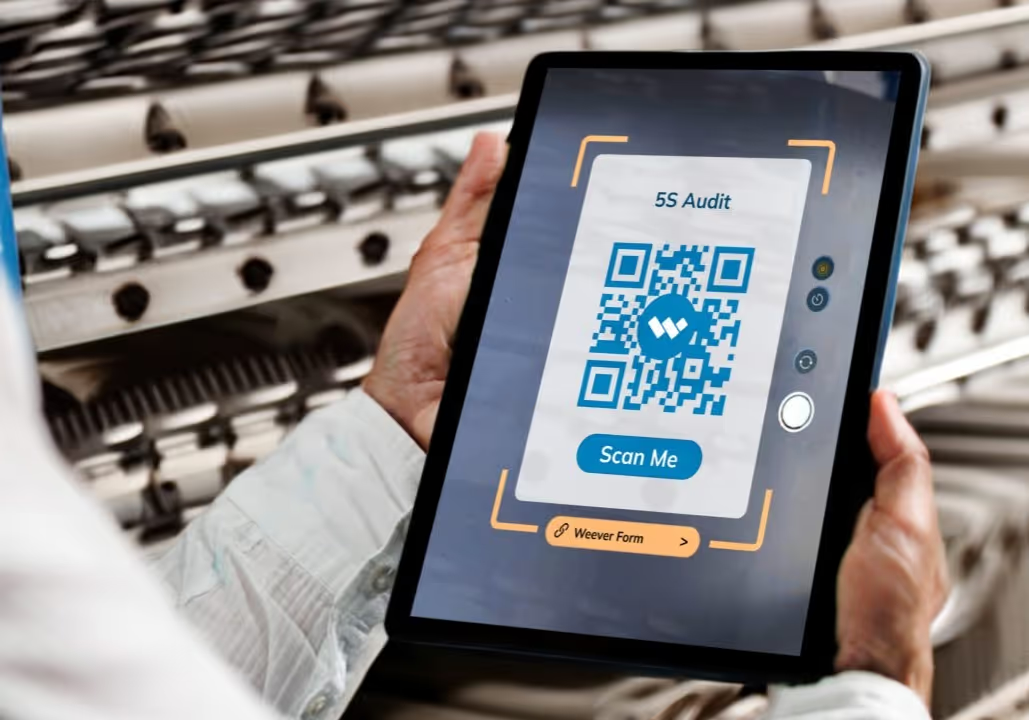
Steps to Mastering Autonomous Maintenance with Weever: A Guide for Industry Professionals
Staying ahead of maintenance trends is crucial for maintaining efficiency and productivity. Autonomous maintenance, a cornerstone of Total Productive Maintenance (TPM), empowers operators to take charge of routine maintenance tasks, reducing downtime and enhancing operational reliability. But mastering autonomous maintenance requires more than just understanding the basic steps; it involves integrating new technologies and methodologies to keep up with emerging industry trends.
Understanding the Key Steps of Autonomous Maintenance
Each of these steps plays a vital role in ensuring that equipment is maintained at optimal levels. However, mastering these steps can be challenging, especially as new trends and technologies continue to evolve. This is where Weever software comes in, offering industry professionals the tools they need to stay ahead.
The steps of autonomous maintenance typically include:
1. Initial Cleaning
The first step in autonomous maintenance is the initial cleaning of equipment. This involves thoroughly cleaning the machinery to remove dust, dirt, oil, and any other contaminants that may have accumulated over time. The goal is not just to make the equipment look clean but to restore it to near-original condition. During this process, operators become familiar with their equipment, identifying areas that may be prone to dirt buildup or other potential issues.
2. Eliminate Contamination Sources
After the initial cleaning, the next step is to identify and eliminate the sources of contamination. This could include fixing leaks, sealing openings, replacing worn seals, and improving workplace cleanliness. The focus here is on preventing contaminants from re-entering the system, which helps maintain the cleanliness achieved in the first step.
3. Establish Cleaning, Inspecting, and Lubrication (CIL) Standards
Once the equipment is clean and contamination sources have been addressed, the next step is to establish Cleaning, Inspecting, and Lubrication (CIL) standards. These standards define the specific procedures, tools, and frequencies for cleaning, inspecting, and lubricating the equipment. The goal is to ensure consistency and thoroughness in maintenance tasks.
4. General Inspections
General inspections involve regular checks of the equipment to identify any abnormalities or potential issues that may arise. These inspections are usually carried out by the operators themselves, who are now familiar with the equipment from previous cleaning and maintenance activities. General inspections typically cover visual checks, noise observations, and temperature readings, among others.
5. Autonomous Inspection
Autonomous inspection builds on the general inspection process by empowering operators to take full responsibility for inspecting their equipment. This step involves more detailed and technical checks, often using specialized tools or sensors. Operators are trained to recognize signs of wear, misalignment, or other issues that could affect performance.
6. Standardization
Standardization involves documenting all the procedures, inspections, and best practices established in the previous steps. This documentation serves as a reference for all operators and ensures that maintenance tasks are performed consistently across shifts and teams. It may also include standardizing the tools and materials used in maintenance activities.
7. Continuous Improvement
The final step in autonomous maintenance is continuous improvement. This involves regularly reviewing and improving the established maintenance procedures based on feedback, new insights, and emerging trends. Continuous improvement may involve adopting new technologies, refining existing practices, or finding more efficient ways to perform maintenance tasks.
How Weever Simplifies the Steps of Autonomous Maintenance
1. Ease of Use: Simplifying the Adoption of New Trends
Weever's intuitive platform is designed with user experience in mind. It simplifies the process of mastering autonomous maintenance by guiding industry professionals through each step. From initial cleaning to continuous improvement, Weever's user-friendly interface ensures that operators can easily follow and adopt the latest maintenance practices. This ease of use is crucial for the successful adoption of new trends, allowing teams to adapt quickly and efficiently.
2. Automated Workflows and Action Items: Focusing on Strategic Improvements
One of the key challenges in autonomous maintenance is the time-consuming nature of routine tasks. Weever addresses this by automating key maintenance workflows and action items, such as CIL (Clean, Inspect, Lubricate) processes. Automation allows professionals to focus on strategic improvements rather than getting bogged down by repetitive tasks. Weever ensures that new trends are seamlessly integrated into daily operations, making it easier for teams to stay ahead of the curve.
3. Insights and Trends: Making Informed Decisions
Staying ahead of emerging trends requires more than just following established steps; it requires insight into what's coming next. Weever's advanced analytics provide industry professionals with actionable insights into emerging maintenance trends. By analyzing data from ongoing maintenance activities, Weever helps professionals make informed decisions that keep their operations competitive and efficient.
4. Real-Time Reporting: Staying Informed and Agile
In the fast-paced world of industrial maintenance, staying informed is crucial. Weever's real-time reporting features provide professionals with up-to-date information on the status of their maintenance efforts. Whether it's tracking the completion of autonomous maintenance steps or monitoring the effectiveness of new strategies, real-time reporting allows for quick adjustments. This agility ensures that maintenance practices remain aligned with the latest industry standards and trends.
5. Rollout Methodology: Implementing New Trends Smoothly
Introducing new autonomous maintenance trends into an established workflow can be challenging. Weever's structured and proven rollout methodology makes this process smooth and efficient. By providing a clear roadmap for implementation, Weever ensures that industry professionals can integrate new trends without disrupting their operations. This methodology is key to maintaining efficiency while staying current with industry developments.
Weever: The Key to Mastering Autonomous Maintenance
Mastering the steps of autonomous maintenance is essential for any industry professional looking to maintain high levels of efficiency and productivity. Weever software not only simplifies these steps but also equips professionals with the tools they need to stay ahead of emerging trends. By offering ease of use, automated workflows, actionable insights, real-time reporting, and a proven rollout methodology, Weever ensures that your maintenance operations remain at the forefront of the industry.
In a world where staying ahead is critical, Weever software provides the solution industry professionals need to master autonomous maintenance and lead in their fields.

What is Autonomous Maintenance in TPM?
At Weever Apps, we understand the importance of efficient maintenance strategies in manufacturing. Autonomous Maintenance, a key pillar of Total Productive Maintenance (TPM), empowers operators to take ownership of their equipment's upkeep.
In this post, we'll explore what Autonomous Maintenance in TPM is and how it can revolutionize your maintenance processes. We'll guide you through its implementation steps and highlight the significant benefits it brings to your operations.
What is Autonomous Maintenance?
Defining Autonomous Maintenance
Autonomous Maintenance represents a systematic approach to equipment maintenance that involves giving machine operators responsibility for basic upkeep tasks. This approach marks a fundamental shift from the traditional "I operate, you fix" mentality to a more collaborative "we maintain" culture.

At its core, Autonomous Maintenance empowers frontline workers to take ownership of their equipment's health. This isn't just a nice-to-have feature; it revolutionizes manufacturing efficiency.
The TPM Connection
Autonomous Maintenance stands as a critical pillar of Total Productive Maintenance (TPM). TPM embodies a holistic approach to equipment maintenance that tries to achieve perfect production: no breakdowns, no small stops or slow running, no defects, and no accidents. Autonomous Maintenance lays the foundation that makes this possible.
In the TPM framework, organizations typically implement Autonomous Maintenance first. This prioritization sets the stage for all other improvements. When operators invest in their equipment's upkeep, they notice and report issues early, which prevents minor problems from escalating into major breakdowns.
Principles and Objectives
The primary goal of Autonomous Maintenance is to maximize Overall Equipment Effectiveness (OEE). Industry benchmarks indicate that world-class OEE stands at 85%, while typical manufacturers without TPM initiatives hover around 40%. This gap represents a massive opportunity for improvement.
To bridge this gap, Autonomous Maintenance focuses on three key objectives:
- Prevent equipment deterioration through proper operation and daily care
- Bring equipment to optimal conditions through restoration and proper management
- Establish and maintain optimal equipment conditions
Organizations achieve these objectives through a structured approach that includes initial cleaning, elimination of contamination sources, and standardization of maintenance procedures.
Practical Implementation
Implementing Autonomous Maintenance requires more than just handing operators a wrench and hoping for the best. It demands a systematic approach and the right tools. This is where digital solutions play a crucial role.
Digital tools streamline Autonomous Maintenance implementation. For instance, Connected Worker platforms provide operators with easy-to-follow digital checklists for maintenance tasks, which ensures consistency and compliance.
Moreover, real-time data capture allows for immediate issue reporting and tracking. This not only speeds up response times but also provides valuable data for continuous improvement efforts. Operators can easily document issues with photos and videos, which facilitates quicker problem resolution and more effective knowledge sharing.
Cultural Shift and Performance Improvement
Autonomous Maintenance transcends a mere maintenance strategy; it represents a cultural shift that dramatically improves equipment reliability, reduces downtime, and boosts overall productivity. Manufacturers can unlock significant improvements in their OEE and move closer to world-class performance when they empower operators and provide them with the right digital tools.
As we move forward, let's explore the specific steps involved in implementing Autonomous Maintenance and how these steps contribute to its success.
How to Implement Autonomous Maintenance
Start with a Clean Slate
The implementation of Autonomous Maintenance begins with a thorough equipment cleaning. This step serves as a critical diagnostic tool. Operators identify and tag abnormalities such as loose bolts, oil leaks, or worn parts as they clean. This process often uncovers issues hidden beneath layers of grime.

Documentation of findings is essential during this phase. Digital forms allow operators to capture and report issues in real-time, ensuring comprehensive problem identification.
Tackle Contamination at the Source
After equipment cleaning, the focus shifts to contamination prevention. This step involves the identification and elimination of dirt, dust, and other contaminant sources that degrade equipment performance.
Practical measures include the installation of covers on exposed parts, sealing of leaks, and improvement of filtration systems. These actions aim to simplify cleaning and reduce its frequency, allowing operators to concentrate on more value-added tasks.
Establish Clear Standards
Consistency forms the cornerstone of Autonomous Maintenance. The creation of standardized procedures for cleaning and lubrication ensures uniform task performance by all operators.
Digital checklists and visual aids play a vital role in this process. They guide operators through each step, minimizing errors and variability. Utilizing technology to recognize and correct issues before they occur is one of the best ways companies can reduce human error in manufacturing facilities.
Empower Through Inspection
As operators familiarize themselves with their equipment, they become ready to undertake more complex inspection tasks. These include checks for loose parts, unusual noises, or temperature anomalies.
Training becomes critical at this stage. Operators need to understand not just how to perform inspections, but why they matter. This knowledge empowers them to make informed decisions about issue escalation to the maintenance team.
Foster a Culture of Continuous Improvement
The final steps involve the standardization of workplace management practices and the encouragement of ongoing self-management among operators. This stage reveals the true power of Autonomous Maintenance.
Operators should receive encouragement to suggest improvements to maintenance procedures.
Digital platforms can facilitate this process effectively. They allow operators to easily submit improvement ideas, which can then undergo review and implementation across the organization.
The implementation of Autonomous Maintenance requires commitment from all organizational levels and the right tools to support operators in their expanded roles. When executed properly, it can lead to significant improvements in equipment reliability and overall operational efficiency. The next section will explore the numerous benefits that result from a well-implemented Autonomous Maintenance program.
How Does Autonomous Maintenance Boost Manufacturing Performance?
Reduction in Downtime and Maintenance Costs
Autonomous Maintenance reduces workforce stress by minimizing the incidence of unplanned downtime, emergency repairs, and reactive maintenance. Operators who take ownership of their equipment's health identify potential issues early, which prevents minor problems from becoming major breakdowns. This proactive approach results in fewer unexpected stoppages and less time spent on reactive maintenance.

A study by McKinsey & Company revealed that predictive maintenance techniques (including Autonomous Maintenance) can cut machine downtime by 30-50% and extend machine life by 20-40%. These improvements directly translate to cost savings and increased productivity.
Improvement in Overall Equipment Effectiveness
Autonomous Maintenance plays a vital role in enhancing Overall Equipment Effectiveness (OEE), a critical metric for manufacturing performance. It addresses the six big losses that impact OEE: equipment failure, setup and adjustments, idling and minor stops, reduced speed, defects in process, and reduced yield. This comprehensive approach helps companies move closer to world-class OEE levels.
For example, a food processing plant implemented Autonomous Maintenance and increased its OEE from 65% to 85% within a year. This improvement led to a 30% increase in production output without additional capital investment.
Enhancement of Product Quality and Defect Reduction
Operators who are intimately familiar with their equipment can spot quality issues before they become widespread problems. This heightened awareness results in fewer defects and improved product quality.
An automotive parts manufacturer reported that after implementing Autonomous Maintenance, their defect rate dropped by 50% in just six months. This improvement not only reduced waste but also enhanced customer satisfaction and brand reputation.
Empowerment of Frontline Workers
Autonomous Maintenance transforms the role of operators from mere machine users to equipment experts. This shift in responsibility increases job satisfaction and engagement. Operators feel more valued and take pride in their work, which often leads to innovative ideas for process improvements.
Optimization of Maintenance Resources
By empowering operators to handle routine maintenance tasks, specialized maintenance teams can focus on more complex issues. This optimization of resources (both human and financial) leads to more efficient operations overall. Companies often report significant reductions in maintenance overtime and spare parts inventory after implementing Autonomous Maintenance.
Final Thoughts
Autonomous Maintenance in TPM transforms manufacturing excellence by empowering operators to take ownership of their equipment. This shift improves efficiency, reduces costs, and enhances product quality while fostering a more engaged workforce. Successful implementation requires commitment from all organizational levels, starting with thorough cleaning and inspection, progressing through procedure standardization, and culminating in a continuous improvement culture.

The future of Autonomous Maintenance in TPM will play a vital role in Industry 4.0, with IoT sensors, AI-driven analytics, and advanced digital platforms enabling more informed decisions about equipment health. These technologies will expand the potential for predictive and prescriptive maintenance, allowing operators to make data-driven choices. Weever Apps' Connected Worker platform supports comprehensive Autonomous Maintenance programs with intuitive digital tools for data capture, real-time dashboards, and automated workflows.
Organizations that embrace Autonomous Maintenance will thrive in the competitive manufacturing landscape. They will unlock new levels of productivity and innovation by fostering a culture of ownership and data-driven decision-making. Empowering frontline workers through Autonomous Maintenance marks the beginning of the journey towards world-class manufacturing performance.

What Types of Safety Observations Should You Make?
Safety observations are the cornerstone of a robust workplace safety program. At Weever Apps, we understand the critical role these observations play in preventing accidents and fostering a culture of safety.
This blog post explores the various types of safety observations that organizations should prioritize, from identifying unsafe acts to recognizing positive safety behaviors. By understanding these key areas, you'll be better equipped to create a safer work environment for everyone.
What Are Common Safety Violations to Watch For?
Safety violations in the workplace can lead to serious accidents and injuries. Identifying and addressing these unsafe acts can significantly reduce workplace incidents. Let's explore some of the most common safety violations that demand immediate attention.
The Dangers of PPE Non-Compliance
Personal Protective Equipment (PPE) is a critical line of defense against workplace hazards. According to the Occupational Safety and Health Administration (OSHA), PPE violations are among the top 10 most frequently cited standards following inspections of worksites by federal OSHA for all industries. Common issues include employees not wearing safety glasses in areas with flying debris or neglecting to use hearing protection in noisy environments. Regular safety checklist audits and ongoing training on the importance and proper use of protective gear can combat this issue effectively.
Misuse of Tools and Equipment
Improper use of tools and equipment is another frequent safety violation. This can range from using a ladder incorrectly to operating machinery without proper training. To mitigate this risk, organizations should establish clear guidelines for equipment use, provide comprehensive training, and conduct regular safety checks on all tools and machinery.
The Perils of Poor Lifting Techniques
Back injuries are among the most common workplace injuries, often resulting from improper lifting techniques. A comprehensive lifting training program that covers proper body mechanics and encourages the use of lifting aids when necessary can help prevent these injuries.
Disregarding Safety Procedures
The most dangerous safety violation is the blatant disregard for established safety procedures. This can manifest in various ways, from skipping safety checks to taking shortcuts in high-risk tasks. To address this, companies should foster a culture of safety where following procedures is not just expected but valued. Digital tools can streamline safety protocols, making them easier to follow and track.
Overcoming Communication Barriers
Effective communication is essential for maintaining a safe work environment. Language barriers, unclear instructions, or a lack of proper signage can lead to misunderstandings and potential accidents. Companies should invest in multilingual safety materials (if necessary), use visual aids, and encourage open dialogue about safety concerns. Regular safety meetings and clear communication channels can help ensure that all employees understand and follow safety protocols.

As we move forward, it's important to recognize that unsafe acts are only one part of the safety equation. The next section will explore unsafe conditions - environmental hazards that can pose significant risks in the workplace.
What Environmental Hazards Lurk in Your Workplace?
Unsafe conditions in the workplace can be as dangerous as unsafe acts. These environmental hazards often remain undetected until an incident occurs. Addressing these issues can dramatically improve workplace safety.
The Hidden Dangers of Clutter
Poor housekeeping is more than an eyesore; it's a serious safety hazard. The National Safety Council reports that 144 workers died due to falls in 2022. Many of these accidents directly relate to cluttered work areas. A 5S program can significantly reduce these risks. Regular audits (using digital tools) help maintain cleanliness and organization, which prevents accidents before they happen.
Shedding Light on Workplace Hazards
Inadequate lighting contributes to workplace accidents. The Illuminating Engineering Society recommends specific light levels for different tasks. General office work requires 300-500 lux, while detailed assembly work may need up to 1000 lux. Poor lighting increases the risk of accidents and can lead to eye strain and reduced productivity. Regular light level assessments and maintenance of lighting fixtures are essential for maintaining a safe work environment.
The Silent Threat of Faulty Equipment
Faulty equipment and machinery pose a significant risk to worker safety. According to the Bureau of Labor Statistics, contact with objects and equipment caused 786 fatal work injuries in 2020. Regular equipment inspections and maintenance are vital. Digital checklists and automated maintenance schedules ensure that no piece of equipment is overlooked. When issues are identified, they should be addressed immediately to prevent accidents.
Proper Storage: A Matter of Life and Death
Improper storage of hazardous materials is a ticking time bomb in many workplaces. The U.S. Chemical Safety and Hazard Investigation Board reports that improper storage and handling of chemicals lead to numerous incidents each year. Proper labeling, segregation of incompatible materials, and regular inventory checks are necessary. Digital inventory management systems (like those offered by Weever Apps) help track hazardous materials and ensure correct storage.
Ventilation: The Invisible Protector
Inadequate ventilation can lead to a buildup of harmful substances in the air, causing respiratory issues and other health problems. The American Society of Heating, Refrigerating and Air-Conditioning Engineers (ASHRAE) provides guidelines for proper ventilation in various workplace settings. Regular air quality testing and maintenance of ventilation systems are essential to maintain a healthy work environment.
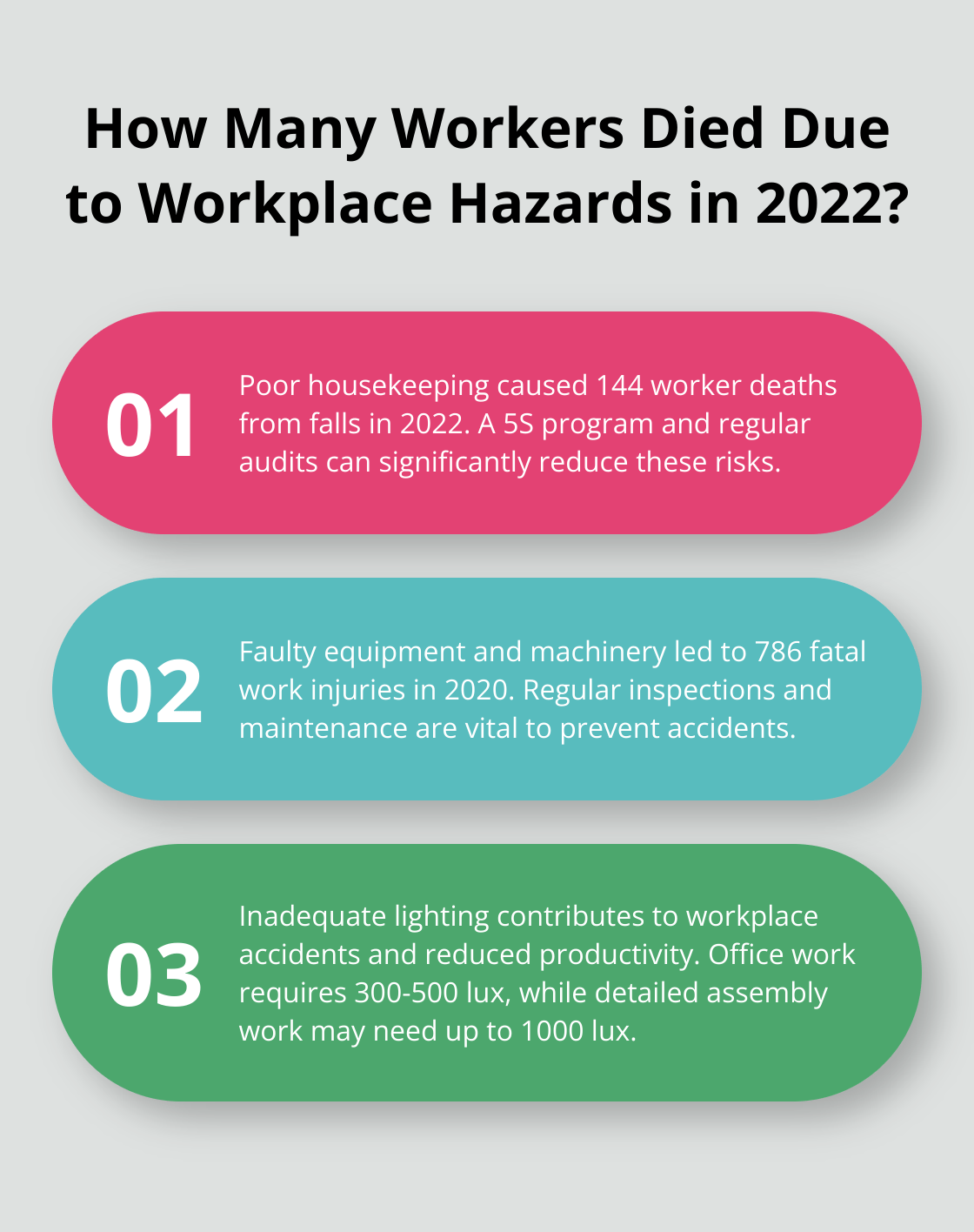
As we shift our focus from environmental hazards, it's important to recognize that safety isn't just about avoiding the negative. The next section will explore positive safety behaviors and how to reinforce them in the workplace. Don't let inefficiencies or safety risks lurk undetected; proactive measures are key to maintaining a safe work environment.
How to Reinforce Positive Safety Behaviors
Celebrate Safety Champions
One effective way to reinforce positive safety behaviors is to implement a recognition program. Create a 'Safety Champion of the Month' award, where employees who consistently demonstrate exemplary safety practices receive public recognition. This Safety Champion of the Month award has been reported to lead to a 40% reduction in workplace incidents and a significant boost in employee morale. This motivates the individual and sets a standard for others to follow.
Use Technology for Safety Compliance
Technology plays a pivotal role in reinforcing safety protocols. Implement digital checklists and automated reminders to improve adherence to safety procedures. A robust platform allows for real-time tracking of safety compliance, making it easier for managers to identify and reinforce positive behaviors.
Empower Employees Through Near-Miss Reporting
Encourage employees to report near-misses and potential hazards. Set up an easy-to-use reporting system to increase the identification of potential hazards before they lead to accidents. Implement a reward system for employees who consistently report near-misses, fostering a culture where safety becomes everyone's responsibility.
Promote Continuous Learning and Engagement
Regular safety training and meetings are essential for maintaining a strong safety culture. Implement gamification elements in your safety training programs or use virtual reality simulations for high-risk scenarios. This makes the training more engaging and provides practical, hands-on experience in a safe environment.
Foster Open Communication
Create an environment where employees feel comfortable discussing safety concerns. Establish regular safety meetings (weekly or monthly) where team members can share observations, suggest improvements, and discuss potential hazards. This open dialogue not only improves safety awareness but also demonstrates that management values employee input on safety matters.

Final Thoughts
Safety observations form the foundation of effective workplace safety programs. Organizations must focus on various types of safety observations, including unsafe acts, environmental hazards, and positive behaviors. These observations provide valuable insights into potential risks and help identify areas for improvement. Digital tools streamline the process of recording, tracking, and analyzing safety data, making it easier to implement targeted improvements.

We at Weever Apps understand the critical role that digital solutions play in modern safety management. Our Connected Worker platform offers a comprehensive suite of tools designed to boost productivity and support robust safety programs. From automated workflows to intuitive digital forms, our platform empowers organizations to enhance their safety observation practices.
The goal is to encourage a proactive safety culture in the workplace. This involves empowering employees to take ownership of their safety and that of their colleagues. It also means fostering open communication about safety concerns and continuously seeking ways to improve (without relying on outdated methods). Organizations can create a work environment where accidents are prevented and employees feel valued and protected.
Spend Less Time on Admin. Get More Insights by Email.
Subscribe to receive practical tips, updates, and ideas to improve operations without the extra admin work.