
-%20smaller.webp)
.webp)
Explore More Blogs
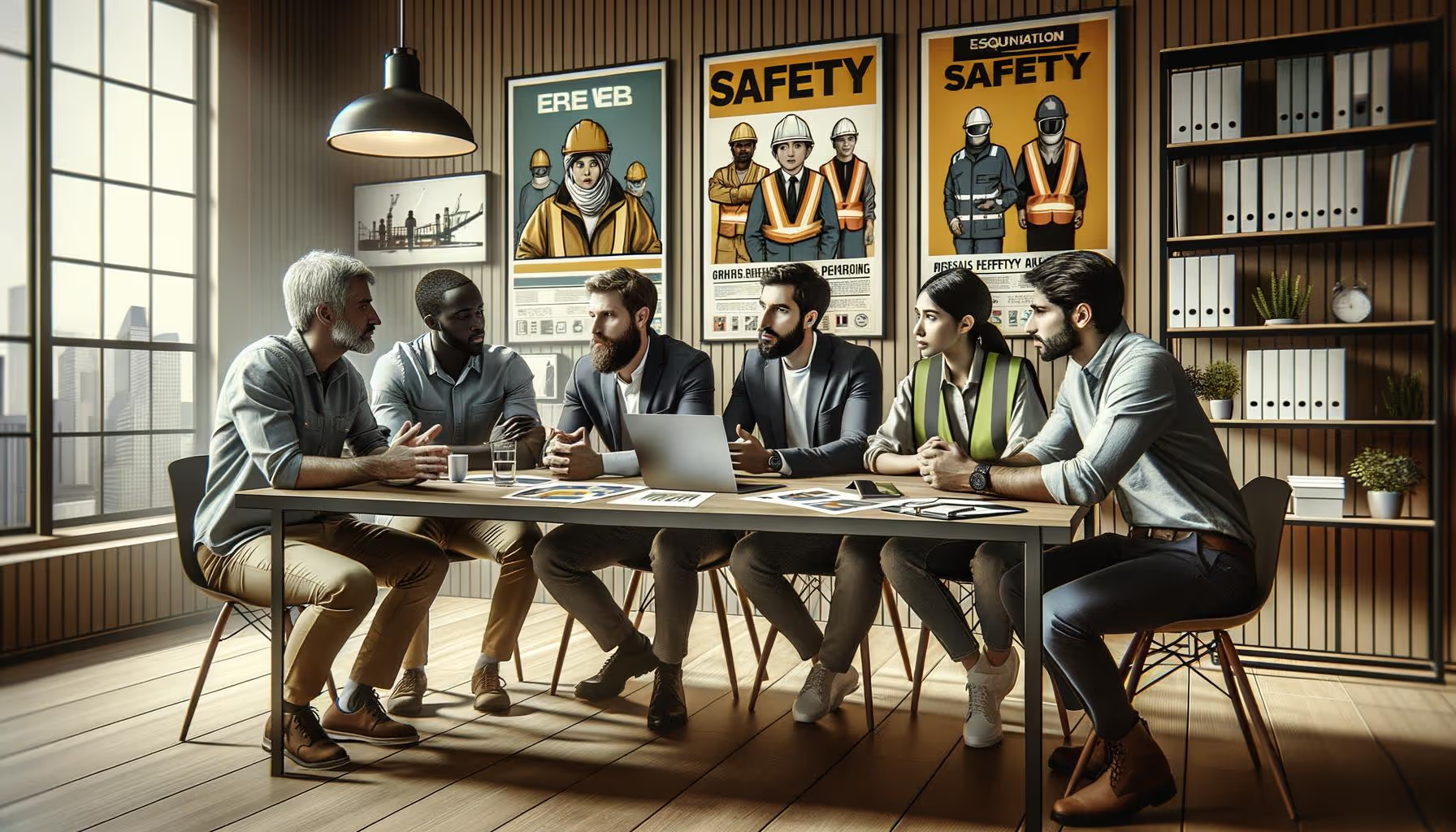
Top Workplace Safety Tips for November
November brings unique workplace safety challenges. At Weever Apps, we understand the importance of adapting to seasonal changes to protect employees.
Our workplace safety tips for November focus on cold weather hazards, indoor safety during colder months, and holiday season considerations. These practical strategies will help you create a safer work environment as winter approaches.
How to Tackle Cold Weather Hazards
As winter approaches, workplace safety takes on new dimensions. Proper preparation can significantly reduce cold-related incidents. Let's explore effective strategies to keep your team safe in chilly conditions.
Combat Slippery Surfaces
Ice and snow create treacherous conditions. The incidence rate of ice, sleet, and snow-related injuries ranged from a low of 1.4 in 2012 to a high of 3.9 in 2014. To mitigate this risk, implement a robust de-icing program. Use salt, sand, or chemical de-icers on walkways, parking lots, and entrances. Install high-traction mats at building entrances to reduce water tracking indoors.

Encourage employees to wear slip-resistant footwear. Many safety shoe manufacturers offer winter-specific models with enhanced traction. Consider providing or subsidizing these for your team.
Equip for Outdoor Work
Proper clothing protects outdoor workers. The Occupational Safety and Health Administration (OSHA) recommends at least three layers: an inner layer to wick moisture, a middle layer for insulation, and an outer layer to block wind and rain.
Invest in high-quality, insulated work gloves to protect hands from frostbite. Provide warm, waterproof boots with good traction. Don't forget about head protection – a significant amount of body heat escapes through the head. Provide insulated hard hats or allow warm hats under hard hats when appropriate.
Prevent Cold Stress
Cold stress occurs when the body can no longer maintain its normal temperature. It can lead to serious conditions like hypothermia and frostbite. The National Institute for Occupational Safety and Health (NIOSH) reports that workers in construction, agriculture, and fishing face the highest risk.
Implement a work/warm-up schedule as recommended by the American Conference of Governmental Industrial Hygienists. This involves alternating work and rest periods based on temperature and wind speed. Provide warm break areas and encourage frequent short breaks to warm up.
Train supervisors and workers to recognize early signs of cold stress (such as shivering, confusion, and loss of coordination). Establish a buddy system so workers can monitor each other for symptoms.
Monitor Weather Conditions
Stay informed about upcoming weather patterns. Use reliable weather forecasting services to anticipate severe cold snaps, snowstorms, or icy conditions. This proactive approach allows you to adjust work schedules, prepare equipment, and communicate with your team effectively.
As we move indoors to escape the cold, new safety challenges arise. Let's explore how to maintain a safe indoor environment during the colder months.
How to Keep Indoor Spaces Safe This Winter
As temperatures drop, employees spend more time indoors. This shift introduces unique safety challenges. Indoor air quality becomes a pressing concern as ventilation decreases. Heating equipment introduces fire risks. Wet floors from tracked-in snow and ice create slip hazards.
Improve Indoor Air Quality
Poor ventilation can lead to a buildup of indoor air pollutants. Americans spend approximately 90 percent of their time indoors, where the concentrations of some pollutants are often 2 to 5 times higher than typical outdoor concentrations. To combat this:
- Inspect and clean HVAC systems regularly
- Replace filters monthly during peak heating season
- Use portable air purifiers in high-traffic areas

Ask employees to report any unusual odors or symptoms that might indicate poor air quality (e.g., headaches, dizziness, or respiratory irritation). Investigate and address these concerns promptly to maintain a healthy work environment.
Mitigate Fire Risks from Heating Equipment
Space heaters pose a common fire hazard in offices during winter. The National Fire Protection Association reports that space heaters cause about 1,700 workplace fires annually. To reduce this risk:
- Establish clear policies for space heater use
- Allow only UL-listed models with automatic shut-off features
- Require a three-foot clearance around heaters
- Prohibit their use near flammable materials
Inspect all heating equipment regularly, including central heating systems. Schedule professional maintenance before the heating season begins. This proactive approach can prevent malfunctions that could lead to fires or carbon monoxide leaks.
Prevent Slips and Falls
Wet floors from melting snow and ice tracked indoors are a major slip hazard. The Bureau of Labor Statistics reports that slips, trips, and falls account for 26% of all nonfatal workplace injuries. To combat this:
- Place absorbent mats at all entrances (ensure these mats are large enough for people to take several steps before reaching bare floors)
- Implement a regular floor-checking and cleaning schedule during wet weather
- Use wet floor signs liberally
- Apply anti-slip treatments to problem areas like tile entryways or stairwells
A proactive approach to these indoor safety concerns will create a safer, more comfortable work environment as winter sets in. As the holiday season approaches, new challenges emerge. Let's explore how to maintain safety during this festive yet potentially hectic time of year.
How to Navigate Holiday Season Safety Challenges
Manage Increased Workloads Safely
The holiday season often brings a surge in demand across industries. Retailers added 147,800 positions in October 2023, a 3% increase from the previous year. This increase can lead to fatigue and a higher risk of accidents.

Implement a fatigue management program to mitigate these risks. Limit overtime hours and provide adequate rest periods between shifts. The National Safety Council recommends at least 10 consecutive hours per day of off-duty time to allow for 7-9 hours of sleep.
Consider hiring temporary workers to handle increased workloads. However, ensure they receive proper safety training. A study by the American Staffing Association found that temporary workers have a higher rate of workplace injuries (emphasizing the need for thorough onboarding and safety education).
Address Holiday-Related Distractions
The holiday season can introduce distractions that impact workplace safety. Personal stress, holiday planning, and increased social activities can reduce focus on the job.
Implement a pre-task safety check system. Before starting any task, employees should assess their surroundings and identify potential hazards. This practice can help refocus attention on the task at hand.
Offer flexible work arrangements where possible. This can help employees manage personal obligations and reduce stress, leading to improved focus when they are at work.
Ensure Safe Holiday Decorating
Holiday decorations can create fire hazards and obstruct walkways. The U.S. Fire Administration reports that December is the peak month for candle fires (many of which occur in the workplace).
Establish clear guidelines for holiday decorations. Prohibit open flames and ensure all electrical decorations are UL-listed. Require that decorations don't block exits, fire extinguishers, or sprinklers.
Designate a safety officer to approve all holiday decorations before installation. This person can ensure decorations meet safety standards and don't create hazards.
Use Technology to Enhance Safety
Leverage digital tools to maintain safety standards during the busy holiday season. A Connected Worker platform (like Weever) can streamline safety processes, automate workflows, and provide real-time visibility into potential issues. This technology can help maintain safety standards even during periods of increased activity.
Conduct Regular Safety Briefings
Schedule short, frequent safety meetings throughout the holiday season. Use these sessions to remind employees of potential holiday-specific hazards and reinforce safe work practices. Encourage open communication about safety concerns and address issues promptly.
Final Thoughts
Workplace safety tips for November focus on adapting to seasonal changes. We address cold weather hazards, indoor safety challenges, and holiday season risks. A proactive approach protects your workforce and creates a safer work environment as winter approaches.

Safety education and training keep these practices at the forefront. Regular safety briefings and open communication about potential hazards reduce the risk of workplace incidents. Implementing fatigue management programs and providing adequate training for temporary workers help manage increased holiday workloads safely.
We at Weever Apps understand the importance of streamlining safety processes. Our Connected Worker platform automates workflows, provides real-time dashboards, and captures data easily (supporting your safety initiatives throughout the year). You can create a work environment where employees feel protected and valued with these workplace safety tips for November.
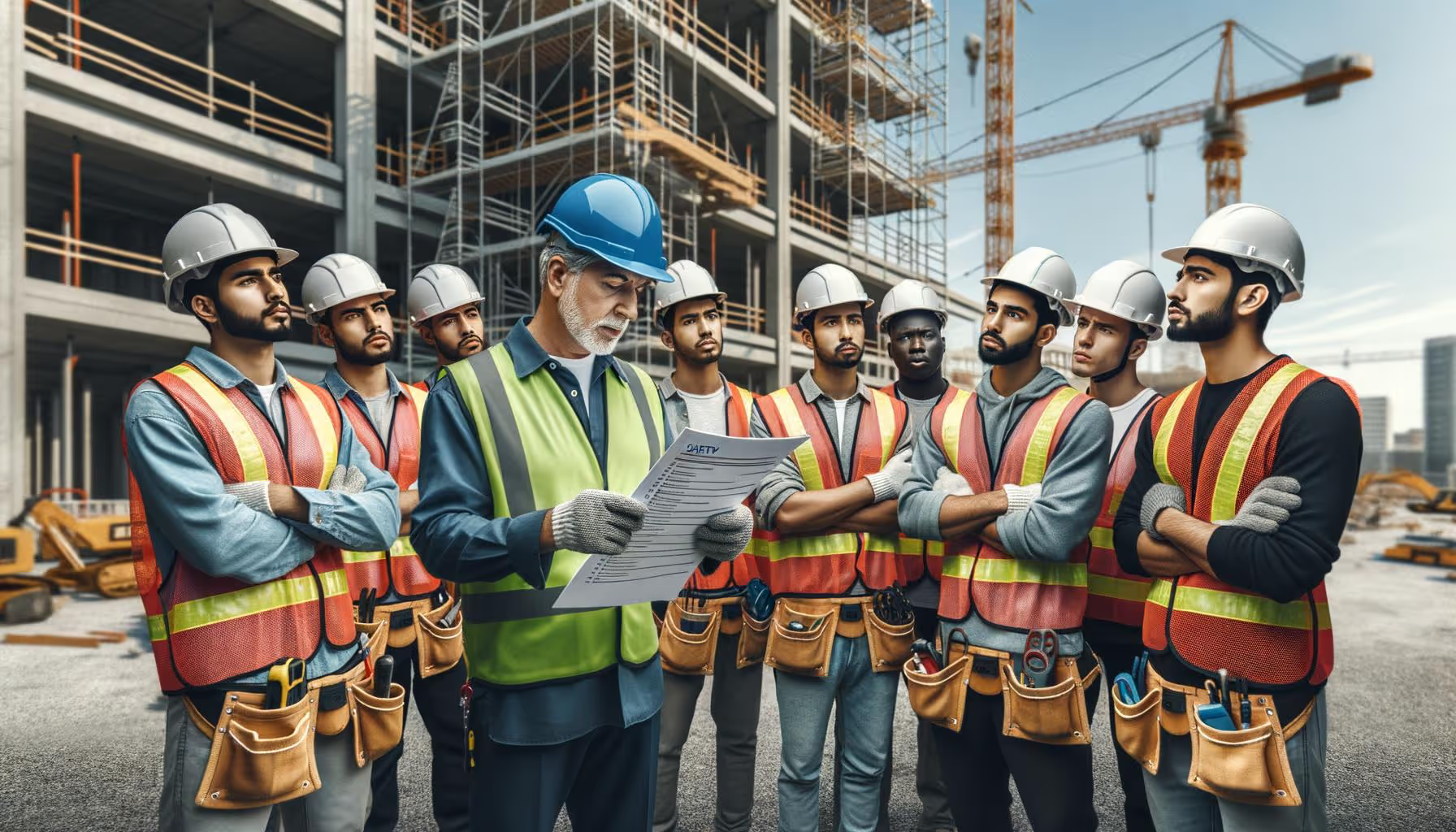
Essential Safety Observations for Construction Sites
Construction sites are hotbeds of potential hazards, making safety observations crucial for preventing accidents and injuries. At Weever Apps, we understand the importance of identifying and addressing these risks promptly.
This blog post explores essential safety observations in construction sites, covering key hazards, effective observation programs, and data-driven strategies for improvement. By implementing these practices, construction companies can create safer work environments and protect their most valuable asset: their workers.
What Are the Top Safety Hazards on Construction Sites?
Construction sites present numerous dangers. Understanding common safety hazards is essential for accident prevention and worker protection. Let's explore the top safety concerns that require constant attention.
Falls: The Leading Cause of Construction Fatalities
Falls top the list of construction site killers. The Bureau of Labor Statistics reports that falls caused 34% of all construction deaths in 2020 (351 fatal falls). To combat this, companies must prioritize proper fall protection equipment use and training. This includes:
- Mandatory harness use for work at heights
- Installation of guardrails on scaffolding
- Secure ladder placement
Electrical Hazards: An Invisible Threat
Electrical hazards pose significant risks on construction sites. The Occupational Safety and Health Administration (OSHA) lists electrocutions as one of the "Fatal Four" leading causes of construction worker deaths. To reduce this risk, workers need training to:
- Identify and avoid exposed wiring
- Use proper lockout/tagout procedures
- Employ ground-fault circuit interrupters (GFCIs) for all portable electric tools
Heavy Machinery: Power and Peril
Heavy machinery accidents concern many in construction. The National Institute for Occupational Safety and Health (NIOSH) stresses the need for careful safety practices when operating equipment like cranes, excavators, and bulldozers. Prevention of crushing injuries and fatalities requires:
- Proper training
- Regular equipment inspections
- Clear communication protocols
Hazardous Materials: Hidden Dangers
Exposure to hazardous materials threatens workers less visibly but equally seriously. The Center for Construction Research and Training estimates that 2 million workers face silica hazards alone. Proper handling, storage, and disposal of chemicals, asbestos, and other toxic substances is vital. This includes:
- Providing appropriate personal protective equipment (PPE)
- Implementing robust hazard communication programs
Companies that focus on these key areas can significantly reduce accident and injury risks. However, hazard identification marks only the first step. A comprehensive safety observation program maintains a safe work environment. The next section will explore how to implement such a program effectively.

How to Build an Effective Safety Observation Program
Train Workers to Spot Hazards
Safety observation programs form the foundation of accident prevention on construction sites. These programs empower workers to identify and report hazards, promoting a proactive approach to safety.

The first step in any safety observation program involves thorough hazard recognition training. Workers must know what to look for. The Construction Industry Institute reports that companies which invest in comprehensive safety training experience up to an 85% reduction in injury rates.
We recommend focusing on the Fatal Four hazards identified by OSHA: falls, struck-by objects, electrocutions, and caught-in/between accidents. Train workers to identify precursors to these incidents, such as missing guardrails, unsecured tools at heights, or damaged electrical cords.
Hands-on training scenarios prove most effective. Companies should set up mock hazards on-site and have workers practice identifying them. This approach improves hazard recognition skills by up to 70% compared to classroom training alone (according to a study by the American Society of Safety Professionals).
Streamline the Reporting Process
A successful safety observation program requires simple and accessible reporting. The easier it is for workers to report hazards, the more likely they are to do so.
Companies should implement a clear, step-by-step reporting procedure. This should include:
- Who to report to (immediate supervisor, safety manager, etc.)
- What information to include (location, type of hazard, potential consequences)
- How to submit the report (in-person, phone, digital form)
Digital tools streamline this process significantly. Mobile apps allow workers to submit reports instantly from the field, complete with photos and GPS location data. This real-time reporting can reduce the time between hazard identification and corrective action by up to 65% (as found in a study by the National Safety Council).
Leverage Technology for Real-Time Insights
Digital tools don't just make reporting easier – they transform how companies analyze and act on safety data. Platforms like Weever Apps offer real-time dashboards that aggregate safety observations across job sites. This bird's-eye view allows safety managers to spot trends and allocate resources more effectively.
For example, if multiple workers report near-misses related to scaffolding at different sites, it may indicate a need for company-wide scaffolding safety training. Without a centralized system, these patterns might go unnoticed until an accident occurs.
The Construction Industry Institute found that companies using digital safety management tools see a 20% higher rate of hazard reporting and a 25% reduction in recordable incidents compared to those relying on paper-based systems.
Foster a Culture of Safety
The most critical element of any safety observation program is buy-in from workers at all levels. A strong safety culture encourages workers to speak up about hazards without fear of reprisal.
To build this culture:
- Lead by example. Managers and supervisors should actively participate in the safety observation program.
- Recognize and reward safe behaviors and hazard reporting.
- Act quickly on reported hazards to show workers their input matters.
- Regularly communicate safety metrics and improvements to the entire team.
Companies with strong safety cultures see up to 50% fewer accidents than those without (according to research from the National Safety Council).
The implementation of these strategies can create robust safety observation programs that significantly reduce accidents and injuries. The next section will explore how to analyze and act on the valuable data collected through these programs, turning observations into actionable insights that drive continuous improvement in construction site safety.
How to Turn Safety Observations into Action
Centralize Your Data
The first step to transform observations into action involves data centralization. Many construction companies face challenges with fragmented information across sites or departments. This fragmentation hinders the identification of broader trends or issues.

Implement a digital system to aggregate all safety observations in one place. The National Safety Council reports that companies using centralized digital safety management systems experience a 20% increase in hazard reporting and a 25% reduction in recordable incidents.
Spot Patterns and Prioritize Risks
Centralized data allows you to identify recurring issues or emerging risks. Use data visualization tools to create heat maps of hazard locations or track the frequency of specific types of incidents over time.
For instance, a spike in near-misses related to ladder use across multiple sites signals a need to reassess ladder safety protocols. The Construction Industry Institute found that companies using data analytics for safety trend identification reduced their incident rates by up to 30%.
Develop Targeted Strategies
After identifying key risk areas, develop targeted improvement strategies. Set specific and actionable objectives. Instead of a general goal like "improve fall protection," opt for concrete objectives such as "increase proper harness usage by 50% within three months."
Include workers in strategy development. They often possess valuable insights into the persistence of certain safety issues. A study by the American Society of Safety Professionals revealed that worker-involved safety programs are 48% more effective at reducing incidents than top-down approaches.
Measure and Adjust
Implement a system to track the effectiveness of your safety initiatives. Set clear metrics and review progress regularly. Prepare to adjust your approach if a particular strategy fails to yield results.
Use leading indicators (such as the number of safety observations submitted) alongside lagging indicators (like incident rates) to obtain a complete picture of your safety performance. The National Safety Council recommends a ratio of at least 10 leading indicators for every lagging indicator tracked.
Safety improvement requires an ongoing process. Continuous analysis and adjustment of your safety strategies based on observation data prove key to creating a safer construction environment. These steps will help you transform safety observations into tangible improvements on your construction sites.
Final Thoughts
Safety observations in construction sites form the foundation of accident prevention and worker protection. Companies can reduce injuries and fatalities by addressing key hazards like falls, electrical risks, heavy machinery dangers, and hazardous materials. A robust safety observation program empowers workers to identify and report risks promptly, creating a proactive safety culture.

Continuous improvement in construction safety adapts to new technologies and work methods. Regular training, clear reporting procedures, and digital tools for real-time observations contribute to a dynamic safety environment. A proactive safety culture boosts worker morale, increases productivity, and leads to cost savings through lower insurance premiums and reduced downtime.
Data-driven approaches to safety management allow construction companies to turn observations into actionable insights. Weever Apps offers tools to centralize data, identify trends, and develop targeted strategies for safer work environments. Companies prioritize safety observations and foster a culture where every worker takes responsibility for hazard identification and reporting.

How to Perform Health and Safety Observations
Health and safety observations are a cornerstone of workplace safety programs. They help identify potential hazards, assess risks, and promote a culture of safety awareness.
At Weever Apps, we understand the critical role these observations play in maintaining a safe work environment. This guide will walk you through the essential steps to perform effective health and safety observations, ensuring your workplace remains secure and compliant.
How to Prepare for Health and Safety Observations
Set Clear Goals and Boundaries
Effective health and safety observations start with thorough preparation. This initial step creates the foundation for successful observations that produce actionable insights and contribute to a safer workplace.

Before you conduct observations, establish specific objectives. Focus on a particular area of concern (e.g., machine guarding in the production area) or aim for a comprehensive review of all safety practices. Define your scope to help observers maintain focus and ensure consistent data collection.
For instance, if you target slip and fall hazards, your observation might cover floor conditions, signage, and footwear compliance. A narrow focus will allow you to gather more detailed and relevant information.
Choose the Right Observation Method
Select an appropriate observation technique to gather accurate data. Common methods include:
- Direct observation: Watch employees perform tasks in real-time.
- Work sampling: Observe activities at random intervals.
- Self-reporting: Ask employees to document their own safety practices.
Each method has its strengths. Direct observation provides the most detailed insights but takes more time. Work sampling offers a broader view of safety practices over time, while self-reporting encourages employee engagement in the safety process.
Equip and Train Your Observers
Proper training ensures consistent and reliable observations. Observers should understand what to look for and how to record findings without disrupting work or making employees uncomfortable.
Provide observers with standardized checklists or digital forms to ensure uniform data collection. If you use a digital platform, familiarize observers with the software to streamline the process and improve data accuracy.
Train observers on communication skills as well. They should know how to approach employees, ask questions, and provide feedback in a constructive manner. This approach fosters a collaborative safety culture rather than a punitive one.
Develop a Systematic Approach
Create a structured plan for conducting observations. This plan should include:
- A schedule for regular observations (daily, weekly, or monthly)
- A rotation of observers to prevent bias
- A system for tracking and analyzing observation data
A systematic approach ensures consistency and allows for meaningful comparisons over time. It also helps identify trends and patterns that might not be apparent from individual observations.
Communicate the Observation Process
Inform all employees about the upcoming health and safety observations. Explain the purpose (to improve safety, not to punish) and the process. This transparency will help reduce anxiety and increase cooperation.
Encourage employees to participate actively in the process. Their input can provide valuable insights that might not be apparent to outside observers. Consider implementing an anonymous suggestion system to capture concerns that employees might be hesitant to voice directly.
As you move forward with your preparations, the next step involves conducting effective observations. This process requires careful attention to detail and a commitment to objectivity, which we'll explore in the following section.
How to Conduct Effective Safety Observations
Implement a Structured Observation Process
A consistent, step-by-step approach for each observation ensures that no critical safety aspects are overlooked. Start with a brief pre-observation meeting to review the focus areas and objectives. Then, move systematically through the workspace, paying close attention to both physical conditions and employee behaviors.

For example, if you observe machine safety, check for proper guarding, lockout/tagout procedures, and employee adherence to safety protocols. Document your findings in real-time using a digital form or checklist to ensure accuracy and completeness.
Capture Detailed and Objective Data
When you record observations, be specific and factual. Instead of noting "poor housekeeping," describe exactly what you see: "Three empty cardboard boxes block the fire exit in the warehouse." This level of detail provides actionable information for follow-up.
Use quantitative measures where possible. For instance, record the decibel level of noisy equipment or the exact distance of a trip hazard from a walkway. These precise measurements help prioritize corrective actions and track improvements over time.
Engage Employees in the Observation Process
Employee involvement is essential for the success of safety observations. Approach workers with a friendly, non-threatening demeanor and explain that your goal is to improve safety, not to find fault.
Ask open-ended questions to gain insights into their safety concerns and experiences. For example, "What challenges do you face in following this safety procedure?" or "Have you noticed any near-misses recently?" These conversations often reveal valuable information that might not be immediately visible to an observer.
Encourage employees to demonstrate their work processes, allowing you to see potential hazards in action. This hands-on approach can uncover risks that might be missed in a static observation.
Provide immediate positive feedback when you observe good safety practices. This reinforces safe behaviors and helps build a positive safety culture.
Utilize Technology for Efficient Observations
Modern technology can streamline the observation process and improve data accuracy. Digital platforms (like Weever Apps) offer intuitive forms for easy data capture and real-time dashboards for immediate insights. These tools allow observers to quickly record findings, attach photos, and generate reports, making the entire process more efficient and effective.
Follow-Up and Communicate Results
After completing the observation, promptly communicate the results to relevant stakeholders. Share both positive findings and areas for improvement. This transparency fosters trust and demonstrates the organization's commitment to safety.
Schedule follow-up actions for any identified hazards or non-compliances. Assign responsibilities and deadlines to ensure that necessary improvements are made in a timely manner.
The data collected during this process forms the foundation for the next crucial step: analyzing and acting on your findings to create a safer workplace. Let's explore how to turn these observations into meaningful improvements in the following section.
How to Turn Safety Observations into Action
Spot Safety Trends
The first step in analyzing observation results is to identify recurring themes or patterns. Look for issues that appear frequently across different departments or time periods. For example, if multiple observers note improper use of personal protective equipment (PPE) in various areas, this indicates a widespread problem that needs addressing.

Use data visualization tools to help spot these trends. Graphs and charts can quickly highlight problem areas that might not be obvious from raw data alone. For instance, a heat map of your facility showing where safety incidents occur most frequently can guide your improvement efforts.
Prioritize Safety Improvements
Once you've identified trends, it's time to prioritize which issues to tackle first. Consider factors such as the severity of potential consequences, frequency of occurrence, and ease of implementation when ranking your action items.
A risk assessment matrix can be a valuable tool here. Plot each identified issue on a grid where one axis represents likelihood of occurrence and the other represents potential impact. Issues falling in the high-likelihood, high-impact quadrant should be your top priorities.
Create Effective Action Plans
With priorities set, develop specific, measurable action plans to address each issue. Each plan should include:
- A clear description of the problem
- Specific steps to resolve it
- Assigned responsibilities
- Deadlines for completion
- Methods to measure success
For example, if observations revealed frequent tripping hazards in walkways, an action plan might include daily housekeeping checks, designating storage areas away from paths, and installing better lighting. Try to reduce tripping incidents by 50% within three months and assign a team lead to oversee implementation.
Implement and Monitor Changes
As you roll out your action plans, continue to monitor their effectiveness through ongoing observations and data collection. This creates a feedback loop that allows for continuous improvement.
Digital tools can streamline this process significantly. Real-time dashboards (like those offered by Weever Apps) track the progress of safety initiatives, allowing you to quickly identify which actions yield results and which may need adjustment.
Regular review meetings with key stakeholders can help ensure accountability and keep safety improvements on track. Use these meetings to celebrate successes, address challenges, and adjust plans as needed based on the latest data.
Final Thoughts
Health and safety observations empower organizations to create safer workplaces. Organizations that set clear objectives, choose appropriate methods, and train observers establish a strong foundation for success. A systematic approach combined with employee engagement yields valuable insights, while detailed, objective data drives meaningful improvements.

The true value of safety observations lies in the actions they inspire. Organizations transform observations into tangible safety enhancements through trend analysis, issue prioritization, and targeted action plans. Regular implementation of safety observations helps organizations stay ahead of potential hazards and refine their safety practices continuously.
Digital tools like Weever Apps streamline the process and maximize its impact. Weever Apps enhances the efficiency of safety observation programs with features such as automated workflows and real-time dashboards. The ultimate goal of health and safety observations extends beyond compliance to create a workplace where every employee feels safe and valued.

Autonomous Maintenance in Clothing Warehouses: Leveraging Weever for Optimal Performance
In high-volume fulfillment clothing warehouses, maintaining optimal performance is crucial. Equipment downtime, poorly maintained systems, and operational inefficiencies can lead to delays in meeting customer demand, increased costs, and reduced overall productivity. To combat these challenges, clothing warehouses can benefit from implementing autonomous maintenance practices. But what exactly is autonomous maintenance, and how can it be applied effectively in clothing warehouses?
In this blog, we'll explore the autonomous maintenance definition, the steps of autonomous maintenance, and how Weever software provides the tools necessary to implement and optimize these practices. With Weever, clothing warehouses can stay ahead of emerging trends while maintaining high efficiency.
Autonomous Maintenance Definition and Its Benefits for Clothing Warehouses
Autonomous maintenance refers to a proactive approach where machine operators take responsibility for routine maintenance tasks, such as cleaning, inspecting, lubricating, and making small repairs. This decentralized maintenance strategy is a key pillar of Total Productive Maintenance (TPM), empowering employees to maintain equipment performance and identify potential issues before they escalate into major problems.
In clothing warehouses, where operations rely heavily on conveyor belts, sorting systems, and other machinery, adopting autonomous maintenance helps reduce unexpected downtime, ensures smoother fulfillment processes, and enhances overall productivity. By empowering operators to manage equipment upkeep, warehouses can prevent delays caused by machinery malfunctions, ensuring continuous and efficient order processing.
Steps of Autonomous Maintenance for Clothing Warehouses
The steps of autonomous maintenance provide a structured framework to ensure that routine maintenance activities are conducted consistently and effectively. These steps are essential for ensuring that warehouse equipment remains operational and reliable. Below are the key steps of autonomous maintenance that clothing warehouses can follow:
- Initial Cleaning: Operators thoroughly clean equipment to remove dust, debris, and other contaminants that may affect performance. For clothing warehouses, this step is critical in preventing fabric fibers and dust from clogging conveyors or automated sorting systems.
- Eliminate Contamination Sources: Identifying and eliminating the sources of contamination is the next step. In a clothing warehouse, this could involve addressing areas where dust and debris accumulate or ensuring that lubrication systems are functioning properly to prevent wear.
- Establish Cleaning, Inspection, and Lubrication (CIL) Standards: Developing standardized schedules and procedures for cleaning, inspecting, and lubricating equipment ensures that maintenance tasks are consistently performed at optimal intervals. These standards reduce the risk of equipment breakdowns during peak order processing periods.
- General Inspections: Routine inspections help operators detect signs of wear or damage before they cause equipment failures. In clothing warehouses, regular inspections of sorting machines and conveyor systems can prevent unplanned downtime.
- Autonomous Inspections: Over time, operators take full ownership of inspecting their equipment. By empowering staff to handle these tasks independently, warehouse operations become more proactive and efficient.
- Standardization of Processes: Documenting all maintenance procedures and standardizing them across teams ensures consistency in maintenance efforts and makes it easier to train new staff.
- Continuous Improvement: Ongoing evaluation of maintenance activities helps identify areas for improvement. By continuously refining maintenance practices, clothing warehouses can stay ahead of emerging trends and technologies in the industry.
How Weever Helps Clothing Warehouses Optimize Autonomous Maintenance
Implementing autonomous maintenance can seem daunting, but Weever software simplifies the process, helping clothing warehouses optimize performance and remain competitive. Here's how Weever addresses the key challenges and opportunities for clothing warehouses.
Simplifying Autonomous Maintenance for Clothing Warehouses
Clothing warehouses often face the challenge of adopting new maintenance practices while keeping operations running smoothly. Weever's user-friendly platform makes it easy to implement and manage autonomous maintenance processes.
With an intuitive interface, Weever allows warehouse teams to create, update, and manage maintenance schedules, tasks, and checklists with minimal effort. Even employees with limited technical experience can quickly learn how to use the platform, reducing the learning curve and helping teams adapt to new trends in autonomous maintenance.
Weever's ease of use ensures that operators can focus on their core responsibilities, such as managing clothing inventory and overseeing fulfillment operations, without being overwhelmed by complex maintenance procedures.
Streamlining Maintenance Tasks
Automation is critical in high-volume fulfillment clothing warehouses, where time is of the essence. Weever automates essential maintenance tasks and workflows, reducing manual intervention and ensuring that maintenance is performed consistently and on schedule.
For example, Weever can automate the scheduling of routine tasks like conveyor belt inspections or lubrication of sorting machines, based on pre-defined intervals or usage metrics. This automation minimizes downtime by ensuring that maintenance is completed proactively, before equipment failure occurs.
By automating these tasks, Weever helps clothing warehouses align with the latest trends in autonomous maintenance, such as predictive maintenance technologies, without requiring significant manual effort from warehouse teams.
Leveraging Data for Continuous Improvement
Data is key to optimizing autonomous maintenance practices. Weever's analytics tools provide deep insights into maintenance operations, allowing clothing warehouses to monitor the effectiveness of their maintenance strategies and identify opportunities for improvement.
For example, Weever tracks the performance of various maintenance activities, helping warehouses identify patterns that may indicate equipment fatigue or areas that need more frequent attention. By leveraging these insights, clothing warehouses can make data-driven decisions that optimize equipment performance and reduce downtime.
Additionally, Weever's ability to track and anticipate emerging trends in the maintenance industry allows warehouses to stay ahead of the curve, ensuring that their operations remain competitive and efficient.
Keeping Teams Informed
Real-time information is critical for keeping warehouse operations running smoothly. Weever's real-time reporting features provide up-to-date insights into maintenance activities, helping warehouse teams stay informed and make timely adjustments as needed.
For instance, if an operator detects an issue during a routine inspection, Weever's real-time alerts ensure that the right team members are notified immediately. This real-time communication prevents minor issues from escalating into costly downtime, keeping warehouse operations on track.
Real-time reporting also enables managers to monitor the overall effectiveness of their maintenance programs, ensuring that maintenance activities are carried out on schedule and in alignment with industry standards.
Efficiently Implementing Autonomous Maintenance
Rolling out a new autonomous maintenance program can be a complex process, especially in large, high-volume warehouses. Weever's structured rollout methodology ensures that clothing warehouses can implement new maintenance practices efficiently and with minimal disruption.
Weever provides a clear framework for rolling out new maintenance programs, from initial planning to full deployment. This structured approach ensures that warehouse teams are properly trained, that all tasks are aligned with business goals, and that new practices are adopted smoothly.
As new trends in maintenance emerge, Weever's flexible platform allows warehouses to quickly adapt, ensuring that their operations remain efficient and competitive.
Meet Customer Demand in High-Volume Clothing Warehouses with Weever
Clothing warehouses rely on efficient, well-maintained equipment to meet customer demand and maintain high levels of productivity. By implementing autonomous maintenance practices, clothing warehouses can minimize downtime, optimize equipment performance, and stay competitive in a fast-paced industry.
Weever software provides the tools necessary for clothing warehouses to implement and optimize autonomous maintenance, from its user-friendly platform and automated workflows to real-time reporting and insights. With Weever, clothing warehouses can stay ahead of emerging trends, ensuring that their maintenance practices are not only effective but also future-ready.

Who Should Report Safety Observations?
At Weever Apps, we believe that workplace safety is everyone's responsibility. Safety observations should be reported by all individuals within an organization, regardless of their role or position.
This inclusive approach to safety reporting not only enhances hazard identification but also fosters a culture of shared accountability. In this post, we'll explore who should be involved in reporting safety observations and why it matters for creating a safer work environment.
What Are Safety Observations?
Definition and Purpose
Safety observations form a cornerstone of effective workplace safety programs. These observations involve a proactive approach to prevent workplace incidents by identifying potential hazards and at-risk behaviors. The primary purpose is to create a proactive safety culture where potential risks are identified before they lead to accidents.
Types of Safety Observations
Organizations can implement several types of safety observations:
- Behavior-Based Observations: These focus on employee actions and work practices, helping to identify unsafe behaviors that might lead to accidents.
- Condition-Based Observations: These target the physical work environment, equipment, and facilities. They're essential for spotting potential hazards like faulty machinery or poor housekeeping.
- Near-Miss Reporting: This involves documenting incidents that could have resulted in injury or damage but didn't. Near-miss reports (often overlooked) provide valuable information for preventing future accidents.
The Impact on Workplace Safety
Safety observations significantly reduce workplace incidents and injuries.
Implementing Effective Safety Observations
To maximize the effectiveness of safety observations, organizations should:
- Provide proper training to all employees on how to conduct and report observations.
- Use user-friendly systems for reporting and tracking (digital solutions can offer intuitive platforms for easy data capture and real-time visibility).
- Regularly analyze the data collected to identify trends and areas for improvement.
- Act on the findings promptly to demonstrate the value of the program to employees.

The success of a safety observation program relies heavily on widespread participation. This leads us to our next topic: who should be responsible for reporting these crucial safety observations?
Who Should Report Safety Observations
Management and Supervisors: Setting the Safety Standard
Management and supervisors must take the lead in safety observation reporting. Their active participation sets a powerful example for the entire organization. Regular safety walk-throughs and open discussions about safety concerns demonstrate the high priority placed on workplace safety.

The National Safety Council reports that companies with visibly committed leadership experience 70% fewer safety incidents compared to those with less engaged management. This statistic highlights the significant impact of leadership involvement in safety practices.
Frontline Workers: The First Line of Defense
Frontline workers possess unique insights into their daily work environment. Their hands-on experience with processes, equipment, and working conditions places them in an ideal position to identify potential hazards that might escape management's notice. Sharing accident data among co-workers can help reduce the number of accidents because workers frequently overestimate their ability to manage risks.
A manufacturing plant saw a 50% reduction in recordable incidents within the first year of implementing a worker-led safety observation program. This success stemmed from workers' ability to spot and report potential issues before they escalated into accidents.
Contractors and Visitors: Fresh Eyes on Safety
External parties, such as contractors and visitors, offer a fresh perspective on safety issues. Their outsider viewpoint can uncover blind spots in safety protocols that have become normalized within the organization.
A construction company reported a 30% increase in identified and addressed potential hazards after encouraging safety observations from all on-site personnel, including temporary workers and visitors. This broader approach to safety reporting contributed to a safer work environment for all.
Safety Professionals: Expertise in Action
Dedicated safety professionals play a vital role in the safety observation process. Their specialized knowledge and training allow them to:
- Identify complex hazards that others might miss
- Provide expert analysis of safety data
- Develop and implement targeted safety improvement strategies
Cross-Functional Teams: Collaborative Safety Efforts
Cross-functional teams bring diverse perspectives to safety observations. By involving employees from different departments, organizations can:
- Uncover interdepartmental safety issues
- Foster a culture of shared responsibility for safety
- Develop more comprehensive safety solutions
The involvement of all these groups in safety observation reporting creates a robust, multi-layered approach to workplace safety. This inclusive strategy not only improves hazard identification but also cultivates a culture of shared accountability. The next section will explore the numerous benefits that arise from this inclusive approach to safety reporting.
Why Inclusive Safety Reporting Matters
More Eyes, More Insights
Inclusive safety reporting transforms workplace safety. When all employees participate in reporting safety observations, the benefits multiply. Companies with high employee participation in safety programs experience significant reductions in safety incidents. According to a 2022 study by the National Safety Council, incident reports dropped by 40% within just six months of implementing such programs.

This increase in hazard identification improves both quantity and quality. Different perspectives lead to a more comprehensive view of potential risks. A maintenance worker might spot a machinery issue that a manager could overlook, while an office employee might notice a tripping hazard in a common area that others have grown accustomed to.
Building a Proactive Safety Culture
Inclusive safety reporting shifts the organizational mindset from reactive to proactive. Safety becomes a shared responsibility rather than just the job of the safety department.
This cultural shift produces tangible results. Organizations with strong safety cultures report significant reductions in fatalities and lost workday injuries.
The implementation of a user-friendly digital reporting system makes it easy for all employees to report observations quickly and from any location. Such solutions allow for real-time reporting and analysis of safety observations across an organization.
Empowering Employees, Boosting Engagement
Encouraging employees to report safety observations makes them feel valued and empowered. This sense of ownership over workplace safety translates into increased overall engagement.
Companies with highly engaged workforces have fewer safety incidents. Involving everyone in safety reporting not only improves safety but also boosts productivity and job satisfaction.
To maximize engagement, provide feedback on reported observations and take visible action. This closes the loop and shows employees that their input matters. The implementation of a system for tracking and communicating the outcomes of safety observations allows everyone to see the impact of their contributions.
Comprehensive Risk Management
Inclusive safety reporting enhances an organization's ability to manage risks effectively. It creates a more holistic view of potential hazards across different departments and levels of the organization.
This comprehensive approach to risk management can lead to:
- Early detection of emerging safety issues
- More accurate risk assessments
- Better-informed decision-making regarding safety investments
Cost Reduction and Efficiency
A robust, inclusive safety reporting system can significantly reduce costs associated with workplace accidents and injuries.
By preventing accidents through proactive reporting, organizations can:
- Reduce workers' compensation costs
- Minimize productivity losses due to injuries
- Avoid potential legal fees and fines related to safety violations
(These cost savings can be substantial, potentially offsetting the investment in safety reporting systems and training programs.)
Final Thoughts
Safety observations should be reported by everyone in an organization, from executives to frontline workers and visitors. This universal approach taps into diverse perspectives, leading to comprehensive hazard identification and risk mitigation. Organizations must foster a culture of openness and accountability, starting with leadership demonstrating genuine commitment to safety and active participation in the reporting process.

Providing user-friendly tools for reporting, such as mobile apps or digital forms, lowers barriers to participation. Regular training sessions and clear communication about the importance of safety observations keep safety at the forefront of everyone's mind. Recognizing and rewarding employees who actively contribute to safety reporting motivates participation and shows that their input makes a tangible difference.
Technology plays a critical role in facilitating effective safety observation programs. Our Connected Worker platform offers intuitive digital forms for easy data capture and real-time dashboards for cross-team visibility. Organizations can streamline their safety processes, ensure compliance, and drive continuous improvement in their safety performance with such tools.

How to Celebrate Safety in Your Workplace
Safety is the cornerstone of a thriving workplace. At Weever Apps, we believe that celebrating safety in the workplace is not just a responsibility, but an opportunity to boost morale and productivity.
This blog post will explore practical ways to recognize and reward safe behaviors, create engaging safety events, and leverage technology to enhance your safety culture. By implementing these strategies, you'll foster an environment where safety is not just a priority, but a cause for celebration.
How to Create an Effective Safety Recognition Program
Set Clear Safety Goals
The first step in developing a robust safety recognition program is to establish clear, measurable safety goals. These goals should be specific to your industry and workplace risks. A manufacturing plant might aim to reduce machine-related incidents by 30% over six months, while an office environment could target a 50% increase in ergonomic assessments completed.

When you set these goals, involve employees from different departments to ensure buy-in and relevance across the organization. The National Safety Council recommends the use of leading indicators (such as near-miss reports or safety training completion rates) alongside lagging indicators like injury rates to provide a comprehensive view of safety performance.
Design an Impactful Reward System
After you establish your safety goals, the next step is to design a reward system that motivates employees to achieve them. The key is to offer incentives that are meaningful to your workforce. This could range from monetary bonuses to extra paid time off, or even company-wide recognition.
A study by the Incentive Research Foundation found that non-cash rewards can enable employees to gain more positive social experiences, potentially because they are mentally associated with leisure and luxury. Consider the implementation of a recognition program for safe behaviors, which could include public acknowledgments, safety awards, or other incentives.
Implement Regular Safety Audits
Regular safety audits maintain the effectiveness of your recognition program. These audits help identify areas of improvement and ensure that safety standards are consistently met. According to the Occupational Safety and Health Administration (OSHA), companies that conduct regular safety audits see a 52% reduction in injury rates compared to those that don't.
Implement a schedule for both announced and unannounced safety inspections. Use digital tools (like Weever's Connected Worker platform) to streamline the audit process and provide real-time feedback to employees. This immediate feedback loop reinforces safe behaviors and allows for quick corrective actions when needed.
Foster a Culture of Safety
A successful safety recognition program goes beyond rewards and audits. It fosters a culture where safety is valued and celebrated by all employees. Encourage open communication about safety concerns and near-misses. Recognize employees who report potential hazards or suggest safety improvements.
Create a safety committee with representatives from various departments to discuss safety issues and propose solutions. This inclusive approach ensures that safety remains a top priority across all levels of the organization.
Measure and Adapt
To ensure the ongoing success of your safety recognition program, regularly measure its effectiveness. Track key performance indicators (KPIs) such as incident rates, participation in safety initiatives, and employee feedback. Use this data to adapt and improve your program over time.
Consider conducting periodic surveys to gauge employee satisfaction with the program and gather suggestions for improvement. This continuous improvement approach will help your safety recognition program evolve with your organization's changing needs.
As we move forward, let's explore how to organize engaging safety-themed events that complement your recognition program and further reinforce a culture of safety in your workplace.
How to Organize Engaging Safety Events
Plan Annual Safety Weeks
Safety-themed events reinforce your safety culture and keep employees engaged with safety initiatives. According to the National Safety Council, this year's National Safety Month topics are safety engagement, roadway safety, risk reduction, and slips, trips and falls.

Choose a theme for your safety week based on industry-specific risks or broader concepts like "Building a Culture of Safety." Plan a mix of activities throughout the week:
- Monday: Kick-off presentation by leadership on safety importance
- Tuesday: Hands-on workshops on proper equipment use
- Wednesday: Safety scavenger hunt to identify potential hazards
- Thursday: Guest speaker presentation on emerging safety technologies
- Friday: Recognition ceremony for safety champions
Schedule events at various times to accommodate different shifts and departments. Use digital platforms to send reminders and collect RSVPs, ensuring maximum participation.
Create Interactive Team Building Activities
Safety-focused team building activities reinforce safety concepts and improve communication and collaboration among employees.
Organize a "Safety Escape Room" where teams solve safety-related puzzles to "escape." This activity reinforces safety knowledge while promoting teamwork. Another idea is a "Safety Innovation Challenge," where teams compete to develop creative solutions to common workplace safety issues.
For a more physical activity, set up a "Safety Obstacle Course" where employees navigate through various stations, each focusing on a different safety skill like proper lifting techniques or emergency response procedures.
Host Expert-Led Lunch and Learn Sessions
Lunch and learn sessions provide a casual setting for employees to gain valuable safety insights from experts.
Invite safety experts from various fields to speak on topics relevant to your workplace:
- An ergonomist discussing proper workstation setup
- A fire safety expert demonstrating the correct use of fire extinguishers
- A mental health professional addressing stress management and its impact on workplace safety
Make these sessions interactive. Encourage questions from the audience and use live polling tools to gather real-time feedback and opinions.
Provide healthy lunch options during these sessions to promote overall employee wellbeing. Use digital platforms to collect meal preferences and dietary restrictions in advance, ensuring everyone can participate comfortably.
These engaging safety events create a dynamic safety culture that keeps employees involved and invested in maintaining a safe workplace. The next chapter will explore how to leverage technology to further enhance safety engagement and create a more comprehensive safety program.
How Technology Enhances Safety Engagement
Digital Platforms for Real-Time Safety Reporting
Technology plays a pivotal role in modern workplace safety engagement. Digital platforms for real-time reporting and feedback stand out as highly effective tools. These systems enable employees to report safety concerns, near-misses, or potential hazards instantly from their smartphones or tablets.

The implementation of digital reporting systems yields impressive results. Companies see a 48% increase in hazard identification and a 35% reduction in incident rates (National Safety Council). To maximize the effectiveness of these platforms:
- Create a user-friendly reporting process with minimal steps.
- Offer anonymous reporting options to encourage open communication.
- Set up a system for quick feedback and follow-up on submitted reports.
- Analyze collected data regularly to identify trends and improvement areas.
Gamification in Safety Training
Gamification elements transform safety training into an interactive and enjoyable learning experience. Points, leaderboards, and rewards boost engagement and knowledge retention. A study in the Journal of Safety Research found that gamified safety training increased knowledge retention by 45% compared to traditional methods.
To implement gamification in safety training:
- Create a points system for safety module or quiz completion.
- Develop leaderboards to foster friendly competition among teams.
- Offer virtual badges or certificates for safety milestone achievements.
- Use scenario-based games that simulate real-world safety situations.
Virtual Reality for Immersive Safety Simulations
Virtual Reality (VR) technology revolutionizes safety training by providing immersive, realistic simulations of potentially dangerous scenarios. This allows employees to practice responses in a safe, controlled environment.
To effectively use VR in your safety program:
- Develop VR scenarios that reflect specific workplace hazards and procedures.
- Use VR to simulate emergency situations difficult to replicate in real life.
- Incorporate haptic feedback devices to enhance simulation realism.
- Track performance metrics in VR training to identify areas for additional support.
AI-Powered Predictive Analytics
Artificial Intelligence (AI) and Machine Learning (ML) analyze vast amounts of safety data to predict potential hazards before they occur. These predictive analytics tools help companies take a proactive approach to safety management.
Hitachi, a manufacturing company, used AI to analyze data from wearable devices, which reduced workplace accidents by 70%. To implement AI-powered predictive analytics:
- Collect comprehensive safety data from various sources (incident reports, equipment sensors).
- Use AI algorithms to identify patterns and predict potential safety issues.
- Integrate predictive analytics with your existing safety management system.
- Update and refine AI models regularly based on new data and outcomes.
These technological advancements create more engaging, effective, and proactive safety programs. The goal focuses on enhancing overall safety culture and protecting employees (a company's most valuable asset).
Final Thoughts
Celebrating safety in the workplace yields tangible benefits for employees and organizations. Companies that prioritize safety experience reduced accident rates, lower insurance costs, and improved employee morale. A strong safety culture often correlates with increased productivity and better overall business performance.

Technology plays a critical role in fostering a safety-first culture. Digital platforms, gamified training modules, and immersive VR simulations make safety more engaging and effective. These tools empower employees to actively participate in maintaining a safe work environment.
Weever Apps supports comprehensive safety programs with our Connected Worker platform. We streamline data capture, automate workflows, and provide real-time visibility across teams. Organizations can transform safety from a compliance requirement into a competitive advantage by leveraging such tools.

Exploring Autonomous Maintenance: Definition and Benefits
At Weever Apps, we've seen firsthand how autonomous maintenance can transform manufacturing operations. This approach empowers operators to take ownership of their equipment's upkeep, leading to significant improvements in efficiency and reliability.
The autonomous maintenance meaning goes beyond basic upkeep tasks; it's a fundamental shift in how organizations view equipment care. In this post, we'll explore the definition, benefits, and implementation steps of this game-changing maintenance strategy.
What is Autonomous Maintenance?
Autonomous Maintenance revolutionizes equipment care by placing it directly in the hands of machine operators. This approach, a cornerstone of Total Productive Maintenance (TPM), originated in the 1970s with Seiichi Nakajima, a Japanese engineer, to boost manufacturing efficiency.
The Core of Autonomous Maintenance
Autonomous Maintenance trains operators to perform routine maintenance tasks on their equipment. These tasks include cleaning, lubricating, and conducting basic inspections. Operators become the first line of defense against equipment breakdowns.
The TPM Connection
TPM, the parent methodology of Autonomous Maintenance, aims to maximize equipment effectiveness throughout its entire lifecycle. It involves all employees in maintenance activities, not just dedicated maintenance staff. This holistic approach reduces equipment downtime.
Objectives and Principles
The main goal of Autonomous Maintenance is to prevent equipment deterioration through daily care. This involves several key principles:
- Operator ownership: Operators take responsibility for their equipment's condition.
- Early detection: Regular inspections help catch issues before they become major problems.
- Continuous improvement: Operators constantly seek ways to enhance equipment performance.
Practical Implementation
Implementing Autonomous Maintenance requires more than just assigning new tasks to operators. It demands a shift in mindset and culture. Many companies struggle with this transition. Connected Worker platforms (like the one offered by Weever Apps) include features specifically designed to support Autonomous Maintenance programs, making it easier for operators to log inspections, report issues, and track improvements.
Measuring Success
Companies often track metrics like Overall Equipment Effectiveness (OEE) to gauge the effectiveness of Autonomous Maintenance.
Autonomous Maintenance empowers frontline workers, improves equipment reliability, and reduces costs. As manufacturing evolves, this approach will likely become even more critical for maintaining competitiveness in the global market. The next section will explore the specific benefits of implementing Autonomous Maintenance in detail.

Why Autonomous Maintenance Matters
Transforming Equipment Performance
Autonomous Maintenance revolutionizes equipment reliability and uptime. Operators who take ownership of their machines identify issues early. This proactive approach prevents small problems from becoming major breakdowns. A study by the Manufacturing Enterprise Solutions Association (MESA) reports that companies implementing Autonomous Maintenance experience a 25-40% decrease in equipment breakdowns. This results in increased production time and fewer costly interruptions.
Reducing Maintenance Costs
The financial impact of Autonomous Maintenance is significant. Companies can substantially reduce their reliance on specialized technicians by empowering operators to handle routine maintenance tasks. This responsibility shift leads to considerable cost savings. Organizations implementing Autonomous Maintenance often report reductions in overall maintenance costs. These savings stem from fewer emergency repairs, reduced downtime, and more efficient use of maintenance resources.
Improving Product Quality
Autonomous Maintenance enhances product quality. Operators who are deeply involved with their equipment's care notice subtle changes that could affect output quality. This heightened awareness results in fewer defects and more consistent production. Many companies report improvements in product quality metrics after implementing Autonomous Maintenance programs.
Empowering the Workforce
Autonomous Maintenance transforms employee engagement and skill development. This approach turns operators into equipment experts, fostering a sense of ownership and pride in their work. As operators take on more responsibility, they acquire new skills and gain a deeper understanding of the manufacturing process. This not only improves job satisfaction but also creates a more versatile and valuable workforce.
Overcoming Implementation Challenges
Implementing Autonomous Maintenance requires a significant cultural shift and ongoing commitment from both management and frontline workers. However, the long-term benefits (efficiency, cost savings, and employee engagement) make it a worthwhile investment for many manufacturing operations. Companies can leverage digital tools (such as Connected Worker platforms) to support their Autonomous Maintenance programs, making it easier for operators to log inspections, report issues, and track improvements.

The next chapter will explore the practical steps to implement Autonomous Maintenance in your organization, providing a roadmap for success.
How to Implement Autonomous Maintenance
Start with a Clean Slate
The first step in Autonomous Maintenance requires a thorough cleaning and inspection of equipment. This process creates a baseline condition. Operators should remove all dirt, grime, and contaminants from their equipment. During this process, they often uncover hidden issues that affect performance.
The Society for Maintenance and Reliability Professionals explores various mechanisms causing hydraulic fluid degradation and suggests methods to detect and avoid premature fluid failure. A deep clean not only improves appearance but also prevents potential breakdowns.
Develop a Defect Detection System
After equipment cleaning, the next step involves creating a system to identify and address defects. This step requires training operators to recognize early signs of wear, loose components, or unusual noises. Many companies use a tagging system, where operators attach colored tags to areas that need attention.

The key is to simplify defect reporting. Digital tools prove particularly effective here. For example, Connected Worker platforms allow operators to quickly log issues using their smartphones, ensuring that no problem goes unreported.
Standardize Maintenance Procedures
Creating clear, standardized procedures for routine maintenance tasks is essential. These procedures should provide enough detail for consistency but remain simple for operators to follow. Include step-by-step instructions, safety precautions, and required tools for each task.
Standardization ensures that all operators perform tasks the same way, which reduces variability and improves overall equipment reliability.
Invest in Operator Training
Effective training forms the backbone of Autonomous Maintenance. Operators need both theoretical knowledge and hands-on practice. Many successful programs use a combination of classroom sessions, on-the-job training, and digital learning modules.
Focus on practical skills like lubrication techniques, basic troubleshooting, and correct use of maintenance tools. Regular refresher courses help maintain sharp skills and introduce new techniques as they develop.
Embrace Continuous Improvement
Autonomous Maintenance requires an ongoing process of refinement and optimization. Encourage operators to suggest improvements to maintenance procedures. Regular team meetings to discuss challenges and successes provide invaluable insights.
Data plays a crucial role in this process. Use metrics like Mean Time Between Failures (MTBF) and Overall Equipment Effectiveness (OEE) to track progress. Many companies find that digital platforms (which can automatically collect and analyze this data) are essential for driving continuous improvement.
Final Thoughts
Autonomous maintenance transforms manufacturing operations. It empowers operators to take ownership of their machines, which reduces downtime, cuts maintenance costs, and improves product quality. The autonomous maintenance meaning encompasses a shift in mindset where frontline workers become the first line of defense against equipment failures.

This approach demands a substantial cultural change and unwavering support from management. Companies that successfully implement autonomous maintenance often see improvements in employee engagement, skill development, and overall operational performance. As manufacturing evolves, autonomous maintenance will play an increasingly important role in maintaining a competitive edge.
Organizations can maximize the benefits of this approach through a culture of continuous improvement and digital tools. Connected Worker platforms support autonomous maintenance programs by simplifying data capture, issue reporting, and performance tracking. Improved equipment reliability, reduced costs, enhanced product quality, and a more engaged workforce are just a few of the benefits companies can expect from autonomous maintenance.

Ensuring Health and Safety in Construction Workplaces
Construction workplace health and safety is a top priority for every project. At Weever Apps, we understand the critical importance of protecting workers from the numerous hazards present on job sites.
This blog post explores the common risks in construction, essential safety measures, and how cutting-edge technology is revolutionizing safety practices. We'll provide practical insights to help you create a safer work environment for your team.
What Are the Top Construction Site Dangers?
Construction sites harbor numerous potential hazards. Understanding these risks is essential for preventing accidents and ensuring worker safety. Let's explore the most common dangers workers face daily.
The Deadly Threat of Falls
Falls remain the leading cause of death in construction. The Bureau of Labor Statistics reports that the fatal work injury rate was 3.7 fatalities per 100,000 full-time equivalent workers in 2022, up from 3.6 per 100,000 FTE in 2021. This alarming statistic highlights the urgent need for robust fall protection measures.

Proper guardrails, safety nets, and personal fall arrest systems are essential. Regular inspections of scaffolding and ladders can prevent many accidents. Digital checklists for equipment inspections have proven effective in reducing fall-related incidents.
Struck-by Accidents: A Hidden Danger
Struck-by hazards are the second most common cause of construction fatalities. These incidents often involve heavy machinery, falling objects, or vehicles. The Occupational Safety and Health Administration (OSHA) reports that nearly 75% of struck-by fatalities involve heavy equipment.
To reduce these risks, construction managers should establish clear traffic routes on site and enforce strict policies on personal protective equipment (PPE) usage. High-visibility clothing is a must in areas with moving vehicles or equipment.
Electrical Hazards: An Invisible Threat
Electrocutions account for a significant portion of construction fatalities. The risk is particularly high when working near overhead power lines or with faulty electrical equipment.
OSHA data shows that contact with electricity causes 8.5% of construction worker deaths. Implementing a comprehensive lockout/tagout program and providing thorough electrical safety training can save lives. Using insulated tools and maintaining a safe distance from power sources are vital practices.
Exposure to Harmful Substances
Exposure to harmful substances is another major concern. Silica dust, asbestos, and lead are common culprits. Long-term exposure can lead to severe respiratory issues and other health problems. The National Institute for Occupational Safety and Health (NIOSH) estimates that about 2 million construction workers are exposed to respirable crystalline silica.
Proper ventilation, dust control measures, and appropriate respiratory protection are essential. Regular air quality monitoring and health screenings for workers can help detect issues early.
The Silent Epidemic of Musculoskeletal Disorders
While not as immediately life-threatening as falls or electrocutions, musculoskeletal disorders (MSDs) are a pervasive issue in construction. These injuries develop over time due to repetitive motions, heavy lifting, and awkward postures.
The Bureau of Labor Statistics reports that MSDs account for 33% of all worker injury and illness cases. Implementing ergonomic solutions, providing proper training on lifting techniques, and encouraging regular breaks can significantly reduce the risk of MSDs.
Understanding these top dangers allows construction managers to take targeted action to create safer work environments. A proactive approach to safety not only protects workers but also improves productivity and reduces costs associated with accidents and injuries.
Now that we've identified the primary risks in construction, let's explore the essential safety measures and best practices that can mitigate these dangers and create a safer workplace for all.
How to Implement Essential Safety Measures
Prioritize Personal Protective Equipment
Personal Protective Equipment (PPE) serves as the first line of defense against workplace hazards. Proper use of PPE can reduce the number and severity of workplace injuries and illnesses, while also reducing costs to employers. This includes hard hats, safety glasses, gloves, and steel-toed boots.

Providing PPE is not enough. You must ensure its correct and consistent use. A digital checklist system for daily PPE inspections can increase compliance rates and quickly identify equipment issues.
Invest in Comprehensive Safety Training
Regular safety training maintains a safe work environment. Make training sessions interactive and engaging. Use real-world scenarios and hands-on demonstrations. Virtual reality (VR) training simulations show promising results in improving safety outcomes.
Maintain Equipment for Peak Safety
Proper equipment maintenance prevents accidents. Implement a rigorous maintenance schedule for all equipment and vehicles. Use digital maintenance logs to track repairs and inspections. This approach improves safety and can extend equipment life, saving costs in the long run.
Improve Hazard Communication
Clear communication about workplace hazards is essential. A digital hazard reporting system allows workers to quickly report potential dangers, leading to faster resolution.
Develop Robust Emergency Response Plans
A well-prepared emergency response plan can save lives in the event of an accident. Practice your emergency procedures regularly through drills and simulations. Use digital tools to distribute and update emergency plans in real-time. This ensures all workers have access to the most current information at all times.
These essential safety measures significantly reduce the risk of accidents and injuries on construction sites. Safety requires constant attention and improvement. The next chapter will explore how technology is revolutionizing safety practices in the construction industry.
How Technology Revolutionizes Construction Safety
Technology transforms construction safety with innovative solutions that protect workers and prevent accidents. These tools are not futuristic concepts but practical applications saving lives on job sites today.
Wearable Tech: Personal Safety Guardians
Smart helmets equipped with sensors detect falls, monitor vital signs, and alert supervisors to potential heat stress. Some models include built-in cameras for remote assistance and augmented reality displays for real-time safety information.

The GuardHat smart hard hat (with GPS location tracking, fall detection, and two-way communication) has shown promising results. One major construction firm reported a 20% reduction in accidents after implementing these devices.
Drones: Eyes in the Sky Enhance Site Safety
Drones perform site inspections quickly, accessing hard-to-reach or dangerous areas without risking worker safety. The Association for Unmanned Vehicle Systems International found that drones reduced workplace accidents by up to 91% in surveyed construction companies.
These aerial assistants identify potential hazards, monitor progress, and deliver safety equipment to workers in need (improving response times and overall site safety).
Virtual Reality: Immersive Safety Training
Virtual Reality (VR) transforms safety training in construction. Workers experience realistic, hazardous scenarios in a safe, controlled environment. This immersive approach improves retention and preparedness.
The American Society of Safety Professionals reported that VR-trained workers were 43% less likely to be involved in safety incidents compared to those who received traditional training. Companies like Bechtel have reported a 75% reduction in safety incidents after implementing VR training programs.
Mobile Apps: Real-Time Safety Management
Mobile apps put safety management in every worker's hand. These tools allow for instant hazard reporting, quick access to safety procedures, and real-time communication with supervisors.
The Weever Connected Worker platform offers digital forms for easy data capture and real-time dashboards for cross-team visibility. This immediate access to critical safety information dramatically reduces response times to potential hazards.
BIM: Predicting and Preventing Risks
Building Information Modeling (BIM) serves as a powerful tool for safety planning. Safety managers create detailed 3D models of construction projects to identify potential hazards before work begins.
Dodge Data & Analytics found that 69% of contractors using BIM reported positive impacts on project safety. This proactive approach to risk assessment prevents accidents and saves lives.
Final Thoughts
Construction workplace health and safety remains a critical concern in our industry. The challenges we've explored underscore the need for constant vigilance and proactive safety management. Implementing essential safety measures can significantly reduce the risk of accidents and injuries on construction sites.

The future of construction safety lies in embracing technological innovations. Wearable devices, drones, virtual reality training, and Building Information Modeling are powerful tools that already save lives and prevent injuries on job sites around the world. As these technologies evolve, we can expect even more sophisticated safety solutions in the coming years.
At Weever Apps, we support construction companies in their safety efforts. Our Connected Worker platform offers digital tools for safety management, including real-time dashboards and intuitive forms for easy data capture. We strive to create safer work environments, improve compliance, and ultimately protect lives in the construction industry.

Is Workplace Safety Everyone's Responsibility?
Workplace safety is everyone's responsibility. This isn't just a catchy phrase; it's a fundamental truth that can save lives and prevent injuries.
At Weever Apps, we've seen firsthand how a collective approach to safety transforms work environments. When every team member, from executives to frontline workers, actively participates in safety initiatives, the results are remarkable.
This blog post explores the roles of management and employees in creating a safer workplace, and highlights effective collaborative strategies to boost overall safety performance.
How Management Drives Workplace Safety
Management plays a pivotal role in shaping workplace safety culture. Their actions and decisions directly impact the safety of every employee. Companies with strong safety records consistently have management teams that prioritize and actively participate in safety initiatives.
Creating Comprehensive Safety Policies
The foundation of a safe workplace starts with well-crafted safety policies. These should be clear, accessible, and regularly updated. A manufacturing company reduced workplace accidents by 30% after it implemented a policy that required daily safety briefings before each shift. This simple change kept safety at the forefront of employees' minds.
Investing in Safety Equipment and Training
Providing proper safety equipment and training is non-negotiable. A construction firm saw a 40% decrease in injuries after it invested in high-quality personal protective equipment (PPE) and conducted monthly safety training sessions. The key was not just providing the equipment, but also ensuring everyone knew how to use it correctly.
Leading by Example
Actions speak louder than words when it comes to safety. OSHA provides safety and health program resources and tools listed alphabetically within each core element area, including Management Leadership and Worker Participation. This visible commitment reinforces the importance of safety to all employees.
Allocating Resources for Safety Initiatives
Managers who prioritize safety in their daily operations create a ripple effect throughout the company. The allocation of resources, time, and attention to safety initiatives sends a clear message that safety is not just a priority, but a core value of the organization.
Implementing Digital Safety Solutions
Forward-thinking management teams recognize the value of digital tools in enhancing workplace safety. Platforms like Weever (which offers a Connected Worker solution with automated workflows and real-time dashboards) can significantly improve safety reporting, incident tracking, and overall safety management efficiency.

As management sets the tone for workplace safety, employees also play a critical role in maintaining a safe work environment. Let's explore how workers contribute to creating a culture of safety in the next section.
How Employees Drive Workplace Safety
Workplace safety depends on active employee participation. Their daily actions and decisions shape the safety culture of an organization. Let's explore how workers contribute to creating a safer work environment.
Consistent Adherence to Safety Protocols
Employees who follow safety procedures prevent accidents. Work-related fatigue, exposure to harmful substances, and musculoskeletal injuries are among the leading causes of workplace accidents. This underscores the importance of employee compliance with safety protocols.

A manufacturing plant cut its injury rate in half when workers committed to wearing proper personal protective equipment (PPE) at all times. This simple act of following established safety procedures made a substantial difference.
Swift Hazard Reporting
Employees often spot potential safety hazards first. Their prompt reporting prevents accidents before they occur. The Occupational Safety and Health Administration (OSHA) states that workplaces with active hazard reporting systems experience 50% fewer injuries compared to those without such systems.
A chemical processing facility introduced a mobile app for hazard reporting. This resulted in a 30% increase in reported near-misses and a subsequent 25% decrease in actual incidents. Such technological solutions (like those offered by Weever) empower employees to contribute effectively to workplace safety.
Active Participation in Safety Training
Regular attendance at safety training keeps employees informed about the latest safety practices and reinforces existing knowledge. The Bureau of Labor Statistics reports that companies with comprehensive safety training programs have 20% fewer workplace injuries than those without.
An oil and gas company reduced workplace accidents by 40% after it implemented monthly safety training sessions with mandatory attendance. This regular engagement kept safety at the forefront of employees' minds and improved overall safety performance.
Promotion of a Safety-First Culture
Employees who champion safety create a positive ripple effect. They encourage their colleagues to prioritize safety and foster an environment where everyone feels responsible for each other's well-being. This peer influence often proves more effective than top-down directives.
A construction company saw a 35% reduction in safety incidents after it implemented a "safety buddy" system. Employees paired up to watch out for each other's safety, creating a culture of mutual care and responsibility.
While individual employee efforts significantly impact workplace safety, collaborative approaches can amplify these effects. The next section will explore how teamwork and open communication further enhance safety outcomes.
How Teams Collaborate for Better Safety
Workplace safety thrives on collaboration. When teams work together, they create a safety net that catches potential hazards before they become incidents. Let's explore effective strategies for fostering a collaborative safety culture.
The Power of Safety Committees
Safety committees bring diverse perspectives to the table. These committees typically include representatives from various departments, ensuring a comprehensive approach to safety.

A manufacturing plant implemented a cross-functional safety committee that met bi-weekly. Within six months, they identified and resolved 75% more safety issues compared to the previous year. The key was to involve employees from different areas (from production floor workers to office staff).
Peer-to-Peer Safety Observations
Peer-to-peer safety observations create a culture of mutual accountability. This approach empowers employees to look out for each other's well-being. A construction company that implemented this system saw a 40% reduction in workplace accidents within the first year.
The process is straightforward: employees observe their colleagues' work practices and provide constructive feedback. It's not about policing but about learning and improving together. Companies should provide training on how to give and receive feedback constructively to make this effective.
Open Communication Channels
Creating an environment where employees feel comfortable discussing safety concerns is essential.
To combat this, companies can implement anonymous reporting systems. This approach led to a 60% increase in reported near-misses at a chemical plant, enabling proactive hazard mitigation.
Regular safety meetings also play a vital role. A food processing facility that introduced weekly 15-minute safety talks saw employee engagement in safety initiatives increase by 80%. These brief, focused discussions kept safety top-of-mind and encouraged open dialogue.
Leveraging Technology for Collaboration
Modern technology offers powerful tools to enhance safety collaboration. Digital platforms (such as Weever's Connected Worker solution) can streamline safety reporting, incident tracking, and communication across teams. These tools make it easier for employees to report concerns, share best practices, and access important safety information from any device.
A manufacturing company that adopted a digital safety platform saw a 45% increase in hazard reporting and a 30% reduction in incident response times. The platform's real-time dashboards allowed managers to identify trends quickly and address potential issues before they escalated.
Final Thoughts
Workplace safety is everyone's responsibility. This truth shapes every aspect of a safe and productive work environment. Management sets policies and leads by example, while employees commit to following procedures and reporting hazards. Each individual contributes to the collective safety of the workplace, resulting in fewer accidents, lower costs, higher productivity, and improved employee morale.

Creating a truly safe workplace requires continuous improvement and adaptation. As work practices evolve, so must our approach to safety. Digital solutions like Weever's Connected Worker platform can streamline safety processes and enhance communication across teams. These tools (along with proper training and implementation) help organizations stay ahead of potential risks.
We must make workplace safety a shared mission. Your actions, whether as a manager or an employee, contribute to the well-being of everyone around you. Together, we can build safer, more productive workplaces where everyone thrives. Take the first step today by evaluating your current safety practices and identifying areas for improvement.

Maximizing Productivity in Food Warehouses with Autonomous Maintenance: How Weever Makes It Possible
The food industry faces unique challenges, from stringent hygiene standards and regulatory compliance to the need for precise inventory management and equipment performance. To meet these demands while minimizing downtime and equipment failures, food warehouses can benefit significantly from implementing autonomous maintenance.
Autonomous maintenance (AM) empowers operators to take ownership of routine maintenance tasks such as cleaning, inspecting, lubricating, and tightening equipment. When executed effectively, this approach not only reduces downtime but also enhances equipment reliability and extends its life. But how can food warehouses maximize productivity with autonomous maintenance, and how does Weever software ensure businesses stay ahead of emerging trends in the food industry?
Understanding Autonomous Maintenance in Food Warehouses
Autonomous maintenance is a key pillar of Total Productive Maintenance (TPM), focusing on empowering machine operators to perform basic maintenance activities rather than relying solely on maintenance teams. This hands-on approach involves a set of predefined steps, ensuring that equipment is kept in optimal condition and minor issues are addressed before they escalate into larger problems. Let's explore some autonomous maintenance steps:
- Initial Cleaning: Operators clean machinery to remove contaminants that could affect performance.
- Source Elimination: Identify and resolve contamination sources to prevent further issues.
- Standardization of Cleaning, Inspecting, and Lubrication (CIL): Set clear schedules and guidelines for cleaning and lubrication tasks.
- Inspection: Regular inspections of equipment to identify early signs of wear or malfunction.
- Autonomous Inspection and Ownership: Operators perform routine checks, taking responsibility for the equipment's performance.
- Standardization and Continuous Improvement: Documenting best practices and refining them based on new data and experiences.
Food warehouses, in particular, must ensure that maintenance practices are aligned with strict hygiene regulations, such as those set by the FDA or other local authorities. Any deviation could lead to contamination, product recalls, or operational shutdowns. Let's explore how autonomous maintenance examples can be implemented in food warehouses with the help of Weever software.
1. Simplifying Autonomous Maintenance for Food Warehouses
One of the biggest challenges food warehouses face is ensuring that autonomous maintenance steps are easy to implement and follow, especially given the complexity of food safety regulations. Weever's intuitive platform makes it simple for food warehouses to adopt these practices.
With Weever, food warehouse operators can easily navigate the system to create maintenance checklists, cleaning schedules, and inspection forms specific to their equipment and regulatory needs. The platform's user-friendly design ensures that even employees with minimal technical skills can quickly adapt, reducing the learning curve and minimizing the risk of errors.
By simplifying the implementation of autonomous maintenance, Weever enables food warehouses to focus on their core activities-efficiently handling perishable products, maintaining proper storage conditions, and ensuring that operations comply with food safety standards.
2. Enhancing Productivity
Automation is crucial in food warehouses, where time and accuracy are key to maintaining productivity. Weever's automated workflows and action items allow businesses to seamlessly integrate autonomous maintenance tasks into their daily operations.
For instance, Weever can automate the scheduling of routine maintenance activities like cleaning and lubrication based on equipment usage and predefined intervals. In a food warehouse setting, this could mean ensuring that equipment used in the handling of sensitive or perishable goods is cleaned and inspected on a strict schedule to avoid contamination.
Automating these workflows not only ensures that maintenance tasks are performed consistently but also reduces the administrative burden on managers. This allows food warehouse teams to focus on more strategic areas, such as optimizing storage conditions, improving inventory turnover, and ensuring compliance with food safety regulations. Moreover, Weever's ability to automate action items ensures that businesses stay aligned with the latest autonomous maintenance trends, such as the adoption of new cleaning technologies or inspection tools.
3. Leveraging Data to Stay Ahead
In the food industry, having data-driven insights into equipment performance is critical for staying ahead of issues that could disrupt operations. Weever's analytics tools provide food warehouses with comprehensive insights into the effectiveness of their autonomous maintenance strategies, enabling them to make informed decisions about their maintenance schedules and practices.
For example, Weever can track the frequency and results of equipment inspections, highlighting patterns that could signal a need for adjustments to cleaning schedules or early interventions before equipment fails. By analyzing this data, food warehouses can stay ahead of emerging maintenance trends, such as the introduction of predictive maintenance technologies or new hygiene standards.
Furthermore, Weever's analytics capabilities allow food warehouses to optimize their autonomous maintenance efforts based on real-time performance data, helping businesses improve productivity and reduce downtime.
4. Keeping Teams Informed and Agile
In a food warehouse, timely information is critical. Equipment failures or hygiene issues can have a direct impact on product safety and shelf life. Weever's real-time reporting features keep food warehouse teams informed about the status of their maintenance activities, allowing for rapid adjustments as needed.
For instance, if an operator detects an anomaly during a routine inspection, such as abnormal vibrations in a conveyor belt, Weever can immediately alert the appropriate team members. This real-time communication enables businesses to take swift corrective action, preventing potential equipment failures and minimizing downtime.
Additionally, Weever's real-time reporting allows warehouse managers to monitor the overall effectiveness of their autonomous maintenance efforts, ensuring that maintenance tasks are performed on time and that any deviations are promptly addressed.
5. Efficient Implementation of Autonomous Maintenance
Rolling out a new maintenance strategy in a food warehouse can be complex, especially when factoring in regulatory compliance and food safety requirements. Weever's structured rollout methodology ensures that food warehouses can efficiently implement autonomous maintenance practices without disrupting operations.
Weever provides a clear, step-by-step approach for rolling out new maintenance initiatives, from initial planning to full deployment. This methodology includes training for warehouse teams, ongoing support, and real-time monitoring to ensure that the new processes are implemented smoothly and effectively.
As new trends emerge, such as advancements in sanitation technologies or changes in food safety regulations, Weever's flexible platform allows food warehouses to quickly adapt their maintenance strategies, ensuring that they remain competitive and compliant with the latest standards.
Maximizing Productivity with Weever's Autonomous Maintenance Tools
Food warehouses face unique challenges in maintaining productivity, meeting hygiene standards, and ensuring regulatory compliance. Implementing effective autonomous maintenance practices can help these businesses optimize equipment performance, minimize downtime, and stay ahead of industry trends.
Weever software is the key to unlocking these benefits, offering an intuitive platform that simplifies maintenance tasks, automated workflows, provides valuable insights, and ensures real-time reporting. With Weever, food warehouses can implement autonomous maintenance efficiently, enabling them to stay competitive in a fast-paced, highly regulated industry.
By leveraging Weever's tools, food warehouses can maximize productivity, ensure compliance with stringent hygiene standards, and stay ahead of emerging trends in the food industry.
What Is Autonomous Maintenance and Why Does It Matter?
At Weever Apps, we've seen firsthand how autonomous maintenance can transform manufacturing operations. But what is autonomous maintenance, and why should you care?
This powerful approach puts equipment care directly in the hands of operators, leading to improved efficiency and reduced downtime. In this post, we'll explore the key principles of autonomous maintenance and show you how to implement it effectively in your organization.
What Is Autonomous Maintenance?
Defining Autonomous Maintenance
Autonomous maintenance revolutionizes equipment care by placing it directly in the hands of operators. This approach empowers frontline workers to take ownership of their machines, perform basic maintenance tasks, and identify potential issues before they escalate.
The Origins in Total Productive Maintenance (TPM)
This concept didn't appear out of thin air. It's a key pillar of Total Productive Maintenance (TPM), a system developed by Seiichi Nakajima in Japan. TPM aims to maximize equipment effectiveness by involving all employees in maintenance activities. Autonomous maintenance emerged as a critical component of this system, focusing on operator-led care.
Key Components of Autonomous Maintenance
Autonomous maintenance consists of several key components:
- Operator Empowerment: Operators receive training to perform basic maintenance tasks, expanding beyond their traditional role of just running the equipment.
- Proactive Care: Instead of waiting for breakdowns, operators regularly clean, inspect, and maintain their machines.
- Standardization: Clear procedures establish consistency for maintenance tasks across shifts and operators.
The Impact of Technology
While autonomous maintenance doesn't inherently require technology, digital tools can significantly enhance its effectiveness. Modern Connected Worker platforms support comprehensive autonomous maintenance programs. These platforms provide intuitive digital forms for easy data capture during inspections and real-time dashboards for cross-team visibility, making it easier to track maintenance activities and identify trends.
Real-World Results
The impact of autonomous maintenance on operations can be substantial. Manufacturing companies often report significant reductions in unplanned downtime within months of implementing an autonomous maintenance program.

Autonomous maintenance isn't just a buzzword - it's a practical approach that drives significant improvements in equipment reliability and overall operational efficiency. Understanding its principles and components sets the stage for transforming maintenance practices. But what specific benefits can businesses expect from implementing autonomous maintenance? Let's explore this in the next section.
Why Autonomous Maintenance Pays Off
Slashing Downtime and Boosting Reliability
Unplanned downtime destroys productivity. Autonomous maintenance tackles this head-on. A study by McKinsey & Company found that predictive maintenance techniques (including autonomous maintenance) can reduce machine downtime by up to 50%. This translates to more consistent output and increased customer satisfaction.

A food processing plant implemented autonomous maintenance and saw a 30% reduction in unexpected equipment failures within six months. Their operators, now trained to spot early warning signs, prevented numerous potential breakdowns.
Cutting Costs While Improving Performance
Autonomous maintenance isn't just about preventing issues - it's a cost-saving powerhouse. The McKinsey study revealed that predictive maintenance can cut overall maintenance costs by 10 to 40%. Empowering operators to handle routine tasks frees up specialized maintenance staff for more complex issues.
An automotive parts manufacturer reported a 25% decrease in maintenance-related expenses after implementing autonomous maintenance. They achieved this by reducing the frequency of major repairs and optimizing their maintenance schedule.
Supercharging Employee Skills and Engagement
When operators take ownership of their equipment, something remarkable happens. They become more invested in their work and develop a deeper understanding of the machines they use daily. This leads to increased job satisfaction and reduced turnover.
Companies with highly engaged employees seemed to have an advantage in regaining and growing EPS at a faster rate than their industry equivalents. Autonomous maintenance directly contributes to this engagement by giving operators more responsibility and opportunities for skill development.
Creating a Safer Work Environment
Safety is paramount in any manufacturing setting. Autonomous maintenance plays a key role in identifying and addressing potential hazards before they cause accidents. Regular equipment inspections by operators catch issues that might otherwise go unnoticed.
The U.S. Bureau of Labor Statistics reports that proactive safety measures (including those associated with autonomous maintenance) can reduce workplace injuries by up to 35%. This not only protects your workforce but also reduces costs associated with accidents and lost work time.
Implementing Autonomous Maintenance: The Next Step
The benefits of autonomous maintenance span from financial gains to improved safety and employee satisfaction. But how do you actually implement this powerful approach in your organization? In the next section, we'll explore the practical steps to introduce autonomous maintenance and transform your operations.
How to Implement Autonomous Maintenance
Start with a Deep Clean
Begin your autonomous maintenance journey with a thorough equipment cleaning. This step goes beyond aesthetics; it serves as a critical opportunity to identify hidden issues. Start disassembling the sub-components of the equipment to discover even more hidden issues. A paper mill in Wisconsin discovered over 100 minor issues during their initial cleaning phase (these small problems could have led to major breakdowns if left unchecked).
Eliminate Contamination Sources
After cleaning your equipment, focus on removing contamination sources. This step may involve installing better seals, improving ventilation, or upgrading filtration systems. Your goal is to reduce the rate at which equipment gets dirty or worn. A food processing plant reduced their cleaning time by 40% after installing improved guards and seals on their conveyor systems (this not only saved time but also extended equipment life).
Create Clear Standards
Develop detailed standards for cleaning and lubrication. These standards should be clear enough for any operator to follow consistently. Use visual aids where possible - photos or diagrams can significantly enhance understanding. Digital forms and interactive checklists can ensure consistency across shifts and provide valuable data for continuous improvement.
Empower Your Operators
Invest time in operator training. They need to understand not just how to perform maintenance tasks, but why these tasks matter. This is also the time to introduce regular inspection routines. An automotive parts manufacturer saw a 25% reduction in minor stoppages within three months of implementing a comprehensive operator training program. Their operators became skilled at spotting and addressing small issues before they escalated.
Organize Your Workspace
Apply 5S principles to organize your work areas. This organization makes it easier for operators to maintain equipment and quickly spot abnormalities. "A place for everything and everything in its place" isn't just a saying - it's a cornerstone of effective autonomous maintenance.

Final Thoughts
Autonomous maintenance transforms equipment care by empowering operators to take ownership of their machines. This approach reduces downtime, cuts costs, and boosts overall efficiency in manufacturing operations. The long-term impact extends beyond the shop floor, fostering a culture of continuous improvement and employee engagement.
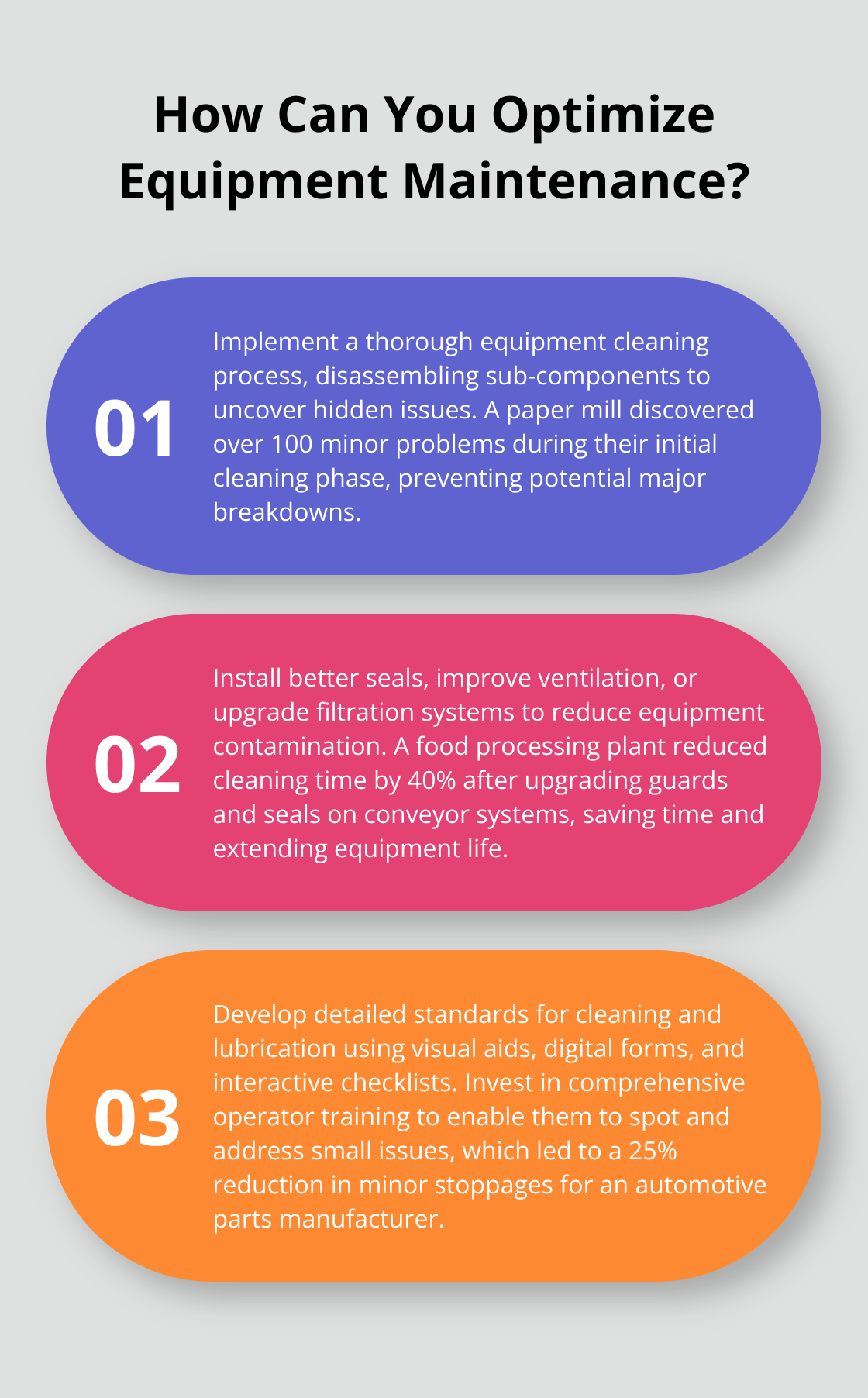
What is autonomous maintenance? It's a fundamental shift in how organizations view equipment care, leading to increased reliability, improved safety, and substantial cost savings. These benefits compound over time, creating a more resilient and competitive organization in today's fast-paced manufacturing environment.
Weever Apps supports comprehensive autonomous maintenance programs through our Connected Worker platform. Our technology enhances the effectiveness of these initiatives with intuitive digital forms and real-time dashboards. As you implement autonomous maintenance, remember that success comes from commitment, consistency, and the right tools.

Improving Safety with Behavioral Observations
Make MSS Is One of Your Most Powerful Tools
Your master sanitation schedule (MSS) might just be your facility's silent protector. A hidden foundation of operations, the MSS isn't just about cleanliness; it defends your facility against contamination, preserves product integrity, maintains regulatory compliance, and upholds public trust. Behind every sanitized surface lies this simple truth: if you want to provide a safe food product, you must begin with rigorous planning and execution and the best way to do that is through your MSS.
Unfortunately, foodborne illness isn't rare. The U.S. Center for Disease Control and Prevention (CDC) estimates that each year in the United States, some 48 million people fall ill due to contaminated food, resulting in 128,000 hospitalizations and approximately 3,000 deaths. On a global scale, the World Health Organization reports that 600 million people suffer from foodborne diseases annually, resulting in 420,000 deaths from ingesting contaminated food. These staggering numbers reinforce why a robust MSS is vital, not only as a tool to make your plant more efficient, but as a necessary defense against foodborne illness.
An MSS Is More than a Schedule
An MSS must go beyond the scheduling of tasks. It needs to reflect the layout and risk profile of your facility: Do you have a grinding line, a packaging room, or cold storage? Precision matters in this case. Some equipment requires frequent sanitization, while low-risk zones in your facility might follow a different maintenance cadence. Without a detailed and enforced MSS, it is more likely your company could experience an outbreak of foodborne illness that (worst-case scenario) results in deaths, massive recalls, citations and fines from regulatory agencies, and lawsuits. We've all seen those worst-case scenarios in the news.
Neil Marshall, former global Director of Quality & Food Safety at Coca-Cola and now managing director of Guv Consulting International, reflects on this in his industry talks. During his tenure at Coca-Cola, Marshall was responsible for setting the global strategy, policies, and programs for quality and food safety across the company's supply chain. His three decades of experience in food safety attest to the role of a MSS as a foundation of operational integrity, not just administrative window-dressing.
In a Q&A with Quality Assurance & Food Safety, Marshall noted that the important thing to remember about the food industry and food safety is that, "Everything that you're producing could be fed to you. Are you going to be comfortable with what you made being eaten by your kids, friends, family?"
MSS: Streamline Processes, Maintain Quality
By following best practices for a MSS and leveraging technology like Weever software, manufacturers can streamline sanitation processes, reduce risks, and maintain high standards.
Creating an effective MSS means crafting and maintaining a living document that:
- Maps all equipment and areas
- Identifies critical clean zones
- Institutes rigorously clear protocols
- Assigns responsibilities, and
- Builds review checkpoints.
Targeted software can transform your MSS from boxes on a checklist into strategic insights about the effectiveness of your food safety protocols and the quality of your product. Platforms like Weever now allow teams to design facility-specific cleaning routines, adapt on the fly, and monitor task completion in real time. Instead of chasing missing records, supervisors gain real-time visibility and mobile access, which is perfect when you must ensure compliance and consistency across shifts and sites.
Make the MSS Is One of Your Most Powerful Tools
The real power of an MSS lies not just in executing tasks, but in learning from the information (data) it provides. There is tremendous value in having dashboards that point out whether certain zones are chronically behind schedule, and in identifying thresholds where contamination risks resurface.
Kyle Willfahrt, a sanitary process and maintenance specialist at Nelson-Jameson, a leader in sanitary equipment, underscores this mindset in an interview with Food Manufacturing. "Sanitation and hygiene are not merely regulatory checkboxes… A truly effective program … fosters a strong culture of safety throughout the entire facility," he said, adding a warning manufacturers should take to heart: "Plan your maintenance, or it will plan you."
This proactive stance isn't theoretical. Software tools elevate compliance and efficiency. When your MSS is powered by such tools, it becomes transformational. Staff don't just perform tasks; they understand their importance.
Weever software is part of this new era of sanitation management
Dynamic, area-specific scheduling that flexes with regulatory shifts or production changes has replaced static spreadsheets and checklists. Imagine structured task organization that clarifies intent, automated assignments that cut confusion, instant notifications that prevent skipped steps, and real-time progress tracking that keeps operations transparent!
When issues arise, whether it's a spill or equipment damage, Weever sequences corrective follow-ups immediately. Comprehensive digital records ensure readiness at audit time and fuel data that continuously optimizes your MSS.
Weever software makes it easy for you to create, update, and manage a food plant master sanitation schedule utilizing an intuitive and user-friendly design. The platform allows manufacturers to:
- Configure cleaning schedules tailored to facility needs, including area-specific and equipment-specific cleaning requirements.
- Quickly adjust the planned cleaning tasks to accommodate changes in operations or regulatory updates.
- Organize cleaning activities in a structured format, ensuring clarity for staff at all levels.
Your MSS should eliminate the guesswork and empower your teams to focus on execution rather than administrative tasks. Your end goals should be clear: uphold high safety standards, reduce contamination risk, optimize workflow, and create confidence the facility is in compliance with all food safety regulations. Don't treat sanitation as a hurdle; make it your competitive edge.
The most important thing to remember is that the cost of poor sanitation isn't just regulatory, it's human. Tens of thousands of people around the world die each year from foodborne illnesses. And whether voluntary or mandated, recalls can cost millions of dollars and destroy your brand. A thoughtfully built MSS, backed by modern, digital tools like Weever, doesn't just manage sanitation. It turns what many perceive as routine and necessary tasks into your strategic advantage.
Food safety is more than a list of cleaning and sanitation tasks to be checked off. It is the heart of consumer trust, brand resilience, and operational excellence. Most consumers think that it's a given that food is safe. "[They] assume it's safe going out of the supermarket," said Neil Marshall, but that's not always the case.
Connect with Weever to uncover how transforming your sanitation scheduling can elevate safety, efficiency, and compliance, all at the same time.
Best Practices for an Effective Master Sanitation Schedule
- Categorize cleaning tasks clearly:Identify all areas and equipment that require cleaning and categorize them by priority, cleaning frequency, and complexity. This ensures a structured approach and prevents critical tasks from being overlooked.
- Define cleaning frequencies:Specify how often each task needs to be performed: daily, weekly, monthly, or as needed. Align these frequencies with regulatory requirements and operational needs.
- Use detailed cleaning protocols:Develop clear, step-by-step instructions for each cleaning activity, including the tools, chemicals, and techniques to be used. This promotes consistency and ensures tasks are performed correctly, regardless of who is performing them. All workers will know what is expected of them.
- Assign responsibilities:Designate specific personnel or teams for each cleaning task to improve accountability and prevent confusion.
- Regularly review and update the MSS:Your MSS should be evergreen, and should adapt and change as your company needs change. Conduct periodic reviews to ensure the schedule reflects changes in operations, equipment, or compliance standards.
- Document all activities:Maintain detailed records of completed tasks to support audits, identify trends, and ensure compliance readiness.
Ready to Transform Your Operations?
Discover how the Smart Connected Worker Platform can revolutionize your manufacturing operations. Our team of experts is ready to help you implement intelligent solutions that drive safety, efficiency, and operational excellence. Schedule Your MSS Demo Today Download the Food Processing Plant Cleaning & Sanitation Ultimate Guide
Mars Fort Smith: Transforming Autonomous Maintenance with Weever
Transforming Autonomous Maintenance with Weever: A Success Story from Mars Fort Smith
Streamlining Data Collection and Improving Compliance through Digital Transformation
Key Results:
- Mars Fort Smith has completed 18,000+ safety observations to date.
- The team has achieved a 100% completion rate for all sanitation tasks.
- Reportable site metrics for various departments provided deeper insight into key issues.
- Real-time visibility and improved communication within the team have significantly enhanced their operational efficiency.
The Challenge
Mars Fort Smith faced significant challenges in their Autonomous Maintenance (AM) journey. They relied on paper calendars for Clean, Inspect, and Lubricate (CIL) tasks, Microsoft Forms for Behavior Based Safety (BBS) and Behavior Based Quality (BBQ) observations, and documented abnormalities across SharePoint and public drives. This fragmented approach led to inefficiencies, with staff often uncertain about document locations and their current status.
The team struggled with maintaining compliance, tracking performance metrics, and deciphering handwritten notes. The manual processes caused delays and lag in tracking compliance and results, making it difficult to gather accurate metrics. The software systems in place did not communicate with each other, leaving the team feeling scattered and unheard.
The Implementation
Mars Fort Smith began using Weever in August 2021 documenting their safety observations. With a core group of staff leading the soft launch, the entire site was highly receptive to the change, embracing the new technology. The user-friendly interface of Weever was a significant improvement, with staff finding it easy to navigate and appreciating its intuitive design.
Within six months, the team expanded their digital footprint by integrating all of their existing AM forms into Weever. The introduction of iPads and QR codes further streamlined the form submission process, creating a one-stop shop for all forms and necessary information.
The highlight of the implementation for Fort Smith was the ability to generate insightful Power BI reports. These metrics played a crucial role in identifying gaps, addressing key issues, and enhancing overall site performance.
The Results
The implementation of Weever brought several key benefits to Mars Fort Smith. To begin, the user-friendly interface of Weever led to increased engagement as well as communication, and ensured that forms were completed promptly. Streamlined safety observations have skyrocketed their submissions to over 18,000 to date. Connection Point forms made operating staff feel heard and encouraged them to speak openly as a team.
Weever's ability to automate workflows and action items greatly enhanced the efficiency of the AM program. Automated notifications and task assignments ensured that all CIL tasks were completed without delay. The sanitation department also saw a benefit from this automation, resulting in a 100% completion rate for all tasks site-wide.
Finally, Weever provided invaluable insights and real-time reporting capabilities that were previously unavailable. The ability to track abnormality trends and compliance rates in real time allowed for faster response times and helped mitigate extended downtime. Proof of their success is the 89% completion rate for the total number of abnormalities addressed and corrected to date, demonstrating the impact of using Power BI reports in tracking and resolving issues.
Proven Rollout Methodology
Mars Fort Smith's successful implementation of Weever can be attributed to their strategic rollout methodology. By initially focusing on a core group of lead staff, they ensured a smooth transition and provided a foundation for further digitization efforts. The support from Weever's Customer Success Team, particularly with Power BI integration and ongoing assistance, further solidified the success of the rollout.
Conclusion
Mars Fort Smith's journey with Weever has transformed their Autonomous Maintenance program, providing a streamlined, efficient, and cohesive system for data collection and management. The positive impact on compliance, real-time visibility, and team engagement underscores the value of digital transformation in operational processes. Moving forward, the team plans to utilize Weever's Process feature to capture quality data for FDA compliance, further expanding the scope of their digital transformation efforts.
Streamline data collection and enhance compliance-learn how.
Request more information Preview modal-
Request more information
Please tell us a bit about yourself so we can tailor our response and get you the information you need.
Explore Our Case Studies
"Having cloud-based forms on devices around the facility makes them so much more accessible, which makes it painless for operators to quickly provide a report."
Johanna Velez, VP Quality Assurance


"Weever is really user friendly and will have a massive positive impact on our operations and training team."
Mel Cadle - Op Ex Lead Process Engineer


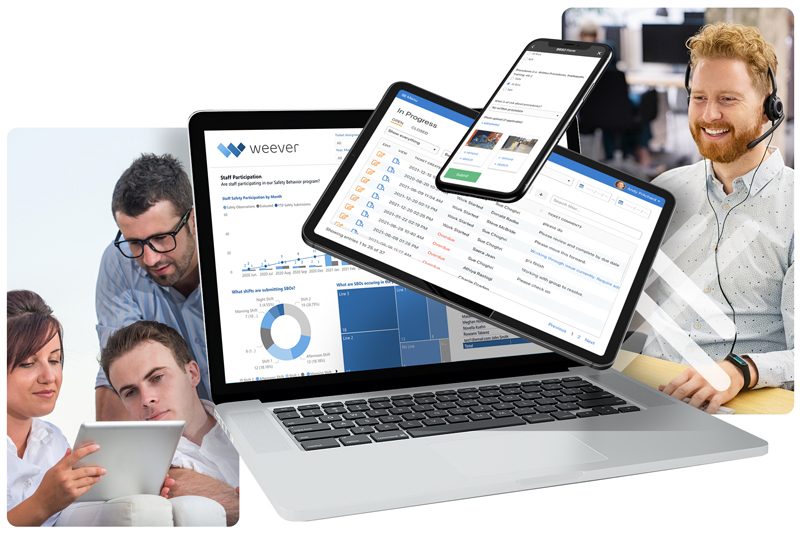
Take a Guided Tour.

Conducting Effective Safety Walk Observations
Safety walk observations are a powerful tool for identifying and mitigating workplace hazards. At Weever Apps, we've seen firsthand how these structured inspections can dramatically improve safety culture and reduce incidents.
This blog post will guide you through the process of conducting effective safety walk observations, from preparation to analysis and reporting. By following these steps, you'll be well-equipped to enhance your organization's safety practices and protect your most valuable asset: your employees.
How to Prepare for Safety Walk Observations
Define Purpose and Scope
Effective safety walk observations start with a clear purpose. Outline what you want to achieve. Focus on a specific area or process, or conduct a general safety assessment. A narrow scope often leads to more actionable insights. For example, a manufacturing plant might focus solely on machine guarding one week, and ergonomics the next.
Build Your Observation Team
Assemble a diverse team for your safety walk. Include representatives from different departments and organizational levels. This variety brings multiple perspectives and expertise to the table.
Create an Effective Checklist
A well-designed checklist serves as your roadmap for the safety walk. Tailor it to your specific workplace and the focus of your observation. Include both physical hazards and behavioral aspects.
Choose the Right Timing
Schedule your safety walk strategically. Try to conduct walks when normal operations are in full swing to get an accurate picture of typical working conditions. Avoid shift changes or lunch breaks when areas might be unusually quiet or busy.
Prepare Necessary Equipment
Ensure you have all the tools needed for an effective walk. This might include (but is not limited to):
- Personal protective equipment (PPE)
- Camera or smartphone for documentation
- Notebook or digital device for recording observations
- Relevant safety standards or regulations for reference

With these preparation steps complete, you'll be ready to conduct a thorough and insightful safety observation. The next section will guide you through the process of actually conducting the walk.
How to Conduct an Effective Safety Walk
Set Clear Objectives
Before you start the walk, brief your team on the specific goals and expectations. If you focus on machine guarding, ensure everyone understands what to look for and how to assess compliance. This clarity helps maintain focus and ensures consistent observations across team members.
Observe and Document
As you move through the workplace, pay close attention to both physical conditions and employee behaviors. Look for potential hazards like tripping risks, improper use of personal protective equipment (PPE), or unsafe work practices. Overexertion and bodily reactions accounted for 521,350 days away from work cases in 2021-2022, so pay special attention to ergonomics and manual handling techniques.

Use your prepared checklist as a guide, but remain open to unexpected issues. Take detailed notes and photos (where permitted) to support your findings. Digital forms can enable easy, real-time data capture during safety walks, which ensures you don't miss important details.
Engage Employees
Interaction with frontline workers provides insights into daily safety challenges. Ask open-ended questions about their work processes, any safety concerns they have, and suggestions for improvements.
Approach conversations with a positive-first approach. Your goal is to gather information and promote safety, not to criticize or punish. This approach encourages honest feedback and fosters a collaborative safety culture.
Take Immediate Action for Critical Issues
If you encounter any immediate safety threats during the walk, act right away. This might involve stopping unsafe work practices, cordoning off hazardous areas, or alerting supervisors to equipment failures. Swift response to critical issues demonstrates the importance of safety and can prevent accidents before they occur.
The goal of a safety walk is not just to identify problems, but to actively improve workplace safety. Efficient data collection and analysis tools (like those offered by Weever Apps) can help you conduct more effective safety walks that drive real improvements in your organization's safety performance.
Now that you understand how to conduct an effective safety walk, let's explore how to analyze and report your findings to maximize the impact of your observations.
How to Turn Safety Walk Data into Action
Organize and Categorize Findings
Start by consolidating all observations from your safety walk. Group similar issues to get a clear picture of recurring problems. You might find multiple instances of improper PPE usage or several areas with poor lighting. This categorization helps identify systemic issues rather than isolated incidents.

A digital platform can streamline this process, allowing you to input and categorize data in real-time during the walk. This approach saves time and reduces the risk of overlooking important details.
Spot Trends and Patterns
Look beyond individual observations to identify broader trends. Are certain types of hazards more prevalent in specific departments? Do safety issues spike during particular shifts or seasons?
For example, a manufacturing plant might notice that machine guarding violations occur more often during night shifts. This insight could point to a need for additional training or supervision during these hours.
Trend analysis is where digital tools excel. Advanced analytics can reveal patterns that manual review might miss, providing deeper insights into your safety landscape.
Assess and Prioritize Risks
Not all safety issues carry equal weight. Prioritize your findings based on the potential severity and likelihood of incidents. Use a risk assessment matrix to guide this process.
For instance, a trip hazard in a high-traffic area might take high priority, while a minor housekeeping issue in a rarely-used storage room could rank lower on the list.
The goal is to address the most critical risks first. This approach ensures that your limited resources have the greatest impact on overall safety.
Develop an Action Plan
Transform your prioritized list of issues into a concrete action plan. For each identified hazard, outline specific steps for mitigation or elimination. Assign responsibilities, set deadlines, and allocate necessary resources.
Try to involve frontline workers in this process. They often have valuable insights into practical solutions that might not be apparent to management.
A digital platform can prove invaluable here, allowing you to create, assign, and track corrective actions all in one place. This visibility ensures that nothing falls through the cracks and that you can monitor progress in real-time. Establishing an effective health and safety management system can help mitigate risks and streamline your health and safety monitoring procedure.
Final Thoughts
Safety walk observations form the foundation of effective workplace safety management. Organizations set the stage for insightful observations through thorough preparation, active engagement, and diligent follow-up. The true value of these observations emerges in the analysis and action phases, where companies develop targeted strategies to address critical safety issues.

Safety walk observations should not be viewed as isolated events, but as part of an ongoing improvement process. Each observation builds upon previous findings, creating a comprehensive picture of an organization's safety landscape over time. This cumulative knowledge allows for more refined risk assessments and increasingly effective preventive measures.
To harness the power of safety walk observations, organizations should consider leveraging digital tools designed for this purpose. Weever Apps' Connected Worker platform offers intuitive digital forms for easy data capture during walks, real-time dashboards, and automated workflows to streamline issue resolution. This digitization enhances efficiency, improves data accuracy, and drives meaningful safety improvements across operations.
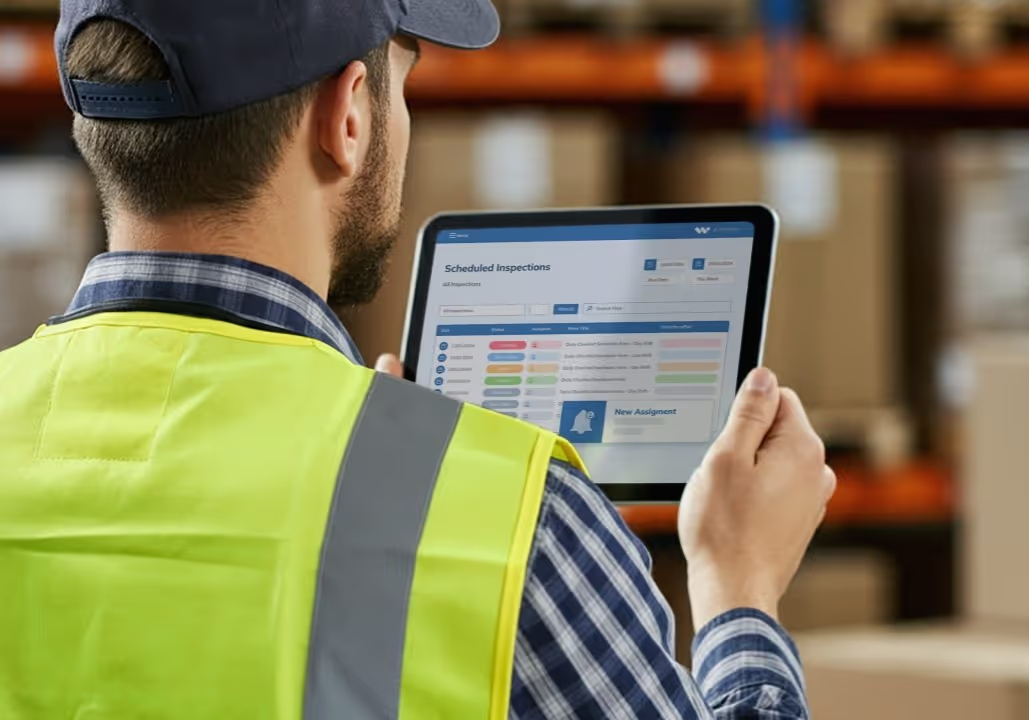
Weever as a Game Changer in Autonomous Maintenance for Non-Manufacturing Sectors
When people hear the term "autonomous maintenance," it's often associated with manufacturing environments. But what is autonomous maintenance, and how can it apply to non-manufacturing sectors like logistics, retail, and healthcare? Autonomous maintenance refers to empowering frontline employees to take responsibility for basic maintenance tasks like cleaning, inspecting, lubricating, and minor repairs. By doing so, equipment uptime is improved, operational efficiency is maximized, and unexpected downtime is minimized.
For non-manufacturing sectors, this concept can be equally transformative. The ability to keep critical systems and machinery in optimal condition is crucial for operational success. Weever software extends the benefits of autonomous maintenance beyond the manufacturing floor, offering tailored solutions for industries such as logistics, retail, and healthcare.
Autonomous Maintenance Meaning in Non-Manufacturing Sectors
In logistics, retail, and healthcare, autonomous maintenance may look slightly different from its application in manufacturing, but the core principles remain the same:
- Logistics: Employees ensure that conveyors, automated sorting systems, and barcode scanners are regularly inspected and maintained to avoid bottlenecks.
- Retail: Store associates maintain point-of-sale systems, refrigeration units, and other equipment critical to retail operations.
- Healthcare: Medical equipment, HVAC systems, and refrigeration units are maintained by healthcare staff to ensure safety, compliance, and operational continuity.
So, how does Weever transform autonomous maintenance in these industries? Let's dive into the key benefits.
Weever Software: A Game Changer for Non-Manufacturing Sectors
Weever helps businesses across logistics, retail, and healthcare leverage autonomous maintenance practices to stay ahead of industry trends and ensure optimal performance.
1. Tailored for Non-Manufacturing Sectors
Weever's platform is designed with simplicity in mind, making it accessible to industries where employees may not have a deep technical background.
- User-friendly design: Weever's interface is intuitive, allowing employees to easily navigate and implement maintenance tasks without a steep learning curve. This is especially useful in sectors like retail and healthcare, where the primary focus is not typically on machinery.
- Customized workflows: In logistics, for example, employees can quickly access maintenance checklists for conveyor systems and barcode scanners, while in healthcare, staff can use pre-configured templates for maintaining refrigeration and medical equipment.
- Quick adaptation to trends: As new trends and regulations emerge, Weever makes it easy for businesses to update their maintenance processes. Whether it's a new guideline in healthcare for cleaning medical devices or an updated regulation for food storage in retail, Weever helps teams stay compliant and efficient.
This simplicity ensures that teams in non-manufacturing sectors can focus on their core responsibilities while still ensuring that vital equipment stays operational.
2. Automated Workflows and Action Items: Enhancing Efficiency
One of the most powerful features of Weever is its ability to automate workflows and action items, which is especially beneficial in non-manufacturing industries where maintenance isn't always top-of-mind.
- In logistics: Weever can automate tasks such as scheduling routine inspections for conveyor systems or notifying employees when barcode scanners need maintenance, reducing the risk of operational downtime.
- In retail: Automated workflows ensure refrigeration units are regularly checked and point-of-sale systems are cleaned and inspected, helping avoid costly breakdowns during peak hours.
- In healthcare: Equipment critical to patient care, such as sterilizers or diagnostic machines, can be automatically tracked for maintenance, ensuring compliance with strict healthcare regulations.
By automating these tasks, Weever reduces the need for manual oversight, allowing businesses to focus on their main operations while ensuring that essential equipment is properly maintained.
3. Anticipating Industry Shifts
Weever's advanced analytics provide businesses with insights that go beyond basic maintenance tracking. These insights are key to anticipating industry trends and staying ahead of competitors.
- Data-driven decisions: For logistics companies, Weever can analyze how frequently equipment like sorting machines experience issues, helping identify patterns and areas that may need more frequent attention. For example, if certain machines experience frequent malfunctions during peak shipping periods, maintenance can be scheduled more frequently during those times.
- Trend analysis: In healthcare, where technology evolves rapidly, Weever's analytics help businesses keep up with the latest trends in equipment maintenance. By understanding equipment usage patterns, healthcare facilities can adapt to new industry standards or requirements, ensuring patient safety and compliance.
- Retail performance insights: Retail businesses can use Weever's analytics to understand the health of their equipment, like refrigeration units or checkout systems, and adjust their maintenance schedules accordingly. This helps prevent equipment failures during high-traffic periods, such as the holiday season.
These insights help non-manufacturing businesses stay proactive, rather than reactive, in maintaining equipment and meeting industry standards.
4. Real-Time Reporting: Keeping Businesses Informed
Real-time reporting is critical for industries that rely on consistent, up-to-the-minute information to maintain operations. Weever's real-time reporting tools ensure that businesses in logistics, retail, and healthcare stay informed about their maintenance efforts.
- Instant updates: Logistics companies can receive immediate alerts if there's an issue with a conveyor system, allowing for swift action to prevent fulfillment delays.
- Ongoing visibility: In healthcare, real-time reports on the status of medical devices or refrigeration units help maintain compliance with healthcare standards, reducing the risk of costly fines or operational disruptions.
- Preventative alerts: Retail businesses can use Weever's real-time alerts to address maintenance issues before they become bigger problems, ensuring systems stay operational during critical sales periods.
Real-time reporting not only helps address issues as they arise but also enables businesses to maintain a proactive approach to equipment maintenance.
5. Seamless Implementation and Adaptation
Implementing new maintenance strategies can be a challenge, especially in industries where the primary focus isn't on equipment maintenance. Weever's structured rollout methodology ensures that businesses can implement and adapt to new trends without disruption.
- Clear roadmap: Whether it's integrating new maintenance practices for healthcare equipment or optimizing workflows for logistics operations, Weever provides a step-by-step plan for rollout, ensuring minimal downtime and maximum efficiency.
- Ongoing support: As new trends and technologies emerge, Weever's team offers support to ensure businesses can seamlessly integrate new processes into their operations.
- Industry-specific flexibility: Weever's methodology is flexible enough to adapt to the unique needs of different industries. For example, healthcare facilities may need to quickly adapt to new medical equipment or hygiene standards, while retail businesses may require new maintenance protocols to comply with changing regulations.
This flexibility and support help businesses in non-manufacturing sectors stay ahead of emerging trends and maintain a competitive edge.
Autonomous Maintenance with Weever Isn't Just For Manufacturing
Autonomous maintenance can be a game changer for non-manufacturing sectors like logistics, retail, and healthcare. By implementing autonomous maintenance practices, these industries can improve equipment uptime, reduce operational disruptions, and adapt to new trends in real time.
Weever software extends the benefits of autonomous maintenance to non-manufacturing businesses with its intuitive platform, automated workflows, powerful insights, real-time reporting, and structured rollout methodology. With Weever, businesses can stay ahead of emerging trends and ensure that their operations run smoothly and efficiently.
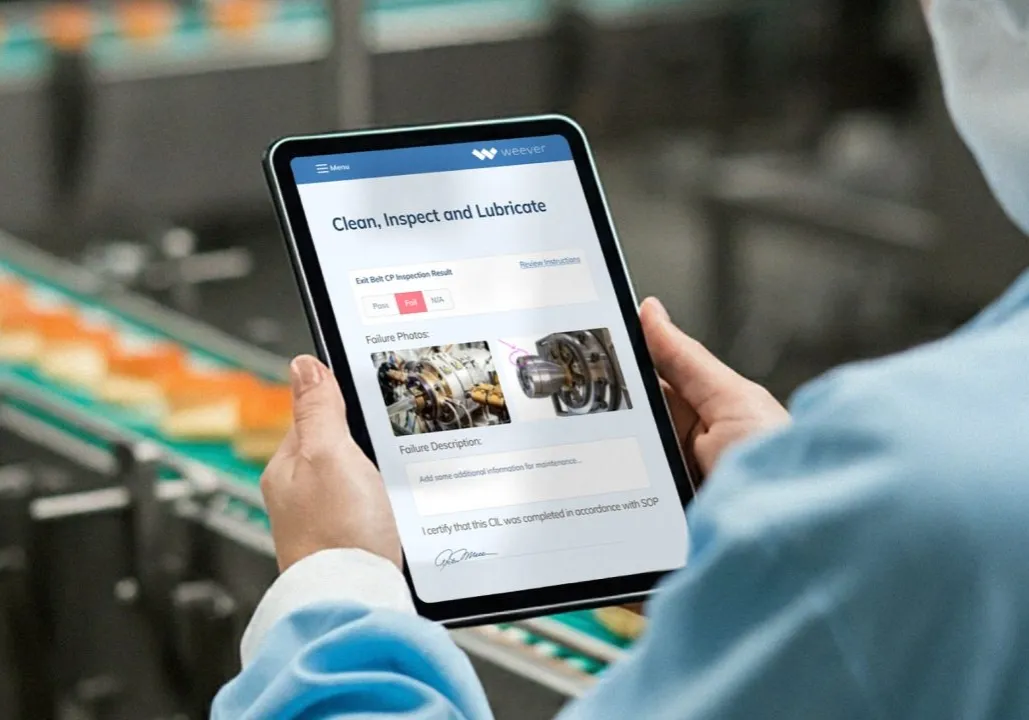
How Does Weever Software Streamline Planned Cleaning in Food Production?
In the food production and related industries, maintaining cleanliness is a non-negotiable priority. Effective sanitation ensures compliance with regulatory requirements, safeguards product quality, and upholds consumer trust. However, managing the planned cleaning of food manufacturing processes can be a complex challenge, involving multiple areas, equipment, and personnel. Traditional methods of tracking and scheduling cleaning activities often lead to inefficiencies, missed tasks, and inconsistent execution, making it harder to sustain high standards. Weever software transforms this landscape by providing a streamlined, technology-driven approach to managing sanitation. By integrating a robust master sanitation schedule (MSS) into its platform, Weever simplifies planning, execution, and monitoring of cleaning activities in food production facilities. This blog explores how Weever software supports manufacturers in structuring and monitoring their master sanitation program, driving efficiency and ensuring compliance in every aspect of their operations.
Simplifying Sanitation Management with an Intuitive Interface
One of the most common challenges in managing a master sanitation schedule food manufacturing process is its inherent complexity. Assigning tasks, setting frequencies, and ensuring clarity across teams can be a daunting undertaking. Weever software addresses this issue by offering an intuitive interface designed specifically for the needs of food production facilities. With Weever, manufacturers can easily define the frequency of cleaning and sanitizing activities for different areas and equipment in the plant. The platform allows users to configure cleaning schedules based on their specific requirements, whether it's a high-contact surface that requires daily cleaning or equipment that needs periodic deep cleaning. Each activity can be labeled and organized logically, ensuring that teams have a clear understanding of what needs to be done and when. This user-friendly design reduces confusion, minimizes errors, and promotes seamless collaboration between operators, supervisors, and quality control staff.
Automating Workflows for Consistency and Efficiency
In food production, consistency is critical, particularly when it comes to cleaning and sanitation. A missed cleaning task or delayed schedule can compromise food safety and lead to regulatory penalties. Weever software ensures consistency through automated workflows that make managing the planned cleaning of food manufacturing activities effortless. The software automates the assignment of tasks, scheduling activities in advance and sending timely reminders to the relevant personnel. This ensures that no task is overlooked and that cleaning routines are performed on time. For example, a food plant master sanitation schedule can include specific instructions for cleaning production lines, storage areas, and other critical zones. Weever tracks these schedules in real time, ensuring that tasks are logged, monitored, and completed without manual intervention. Additionally, the platform enables supervisors to assign action items for any deviations discovered during cleaning. If an inspection reveals a cleanliness issue or equipment abnormality, Weever generates a corrective action plan and assigns it to the appropriate team members, ensuring swift resolution.
Leveraging Insights and Real-Time Reporting for Continuous Improvement
Effective sanitation management isn't just about completing tasks-it's also about improving processes over time. Weever software provides manufacturers with powerful insights into the performance of their master sanitation program, allowing them to identify opportunities for optimization. By analyzing cleaning activity data, Weever uncovers trends and patterns that can help manufacturers refine their processes. For instance, the platform might reveal that certain equipment requires more frequent cleaning due to high usage or that specific areas are consistently prone to delays. Armed with these insights, manufacturers can make informed decisions about adjusting their MSS cleaning in food safety practices to better align with operational needs. Real-time reporting is another critical feature of Weever software, providing instant visibility into the status of cleaning activities. Supervisors can monitor progress in real time, identifying incomplete or delayed tasks and addressing them proactively. This transparency not only ensures compliance with cleaning schedules but also builds a culture of accountability and attention to detail within the organization.
Ensuring Seamless and Structured Integration for Food Manufacturers
Implementing a new system for managing a master sanitation schedule food manufacturing process can be a complex undertaking, particularly for large facilities with diverse cleaning requirements. To address this challenge, Weever software offers a structured rollout methodology that ensures seamless integration into existing operations. The platform provides manufacturers with pre-configured templates and workflows aligned with industry best practices, allowing them to start using the system immediately. At the same time, Weever's flexible design is configurable, enabling facilities to adapt the platform to their unique needs. During the rollout process, Weever provides comprehensive support to ensure a smooth transition. Training materials, user guides, and dedicated onboarding resources help teams quickly become proficient with the platform, minimizing disruption to daily operations. Once implemented, Weever software standardizes cleaning practices across the facility, ensuring consistency and efficiency in every aspect of sanitation management.
Transforming Food Production Through Smarter Cleaning Practices
Weever's software isn't just a tool for managing cleaning schedules-it's a solution for transforming the food and beverage manufacturing industry. By simplifying sanitation management, automating workflows, providing actionable insights, and ensuring smooth implementation, Weever helps manufacturers maintain the highest standards of food safety and maintenance management. The platform's ability to adapt to the specific needs of food production facilities ensures that every area and piece of equipment is cleaned and sanitized effectively, minimizing contamination risks and ensuring compliance with industry regulations. Additionally, by leveraging data-driven insights and real-time reporting, manufacturers can continuously refine their master sanitation program, achieving greater efficiency and accountability over time.
Achieve Sanitation Excellence with Weever Software
Managing a food plant master sanitation schedule doesn't have to be a time-consuming, error-prone process. Weever software simplifies every aspect of sanitation management, from structuring cleaning schedules to tracking and optimizing performance. Whether you're looking to streamline the planned cleaning of food manufacturing activities or ensure consistent compliance with your master sanitation schedule, Weever is the solution you've been searching for.
Ready to see how Weever can revolutionize your approach to sanitation? Contact Weever today for a demo and discover the future of food safety and maintenance management.

Implementing Safety Observations at Work: Best Practices
Safety observations at work are a powerful tool for preventing accidents and creating a safer workplace. At Weever Apps, we've seen firsthand how these practices can transform safety cultures.
This blog post will explore the best practices for implementing effective safety observation programs. We'll cover techniques, implementation strategies, and the role of technology in streamlining these crucial processes.
Why Safety Observations Matter
Preventing Accidents Before They Happen
Safety observations act as an early warning system for potential workplace hazards. Companies that regularly conduct these observations can spot and address risks before they lead to accidents. The U.S. Bureau of Labor Statistics reported 2.7 million nonfatal workplace injuries and illnesses in private industry in 2020, down from 2.8 million in 2019, a decrease of 5.7 percent.
Uncovering Hidden Hazards
Not all workplace dangers stand out. Safety observations help uncover less apparent risks that might otherwise go unnoticed. A seemingly harmless puddle of water on the factory floor could lead to a slip and fall accident. Regular observations identify such hazards, allowing for prompt corrective action.
Building a Safety-Conscious Workforce
The most significant impact of safety observations lies in their role in fostering a culture of safety awareness. When employees actively participate in the observation process, they become more attuned to potential risks in their work environment. This heightened awareness extends beyond formal observation periods, creating a workforce that constantly looks out for safety issues.
Improving Operational Efficiency
Safety observations often reveal inefficiencies in work processes. Addressing these issues not only enhances safety but also streamlines operations. For example, observations might identify unnecessary movement of heavy materials, leading to both safer and more efficient workflows.
Enhancing Regulatory Compliance
Regular safety observations help organizations stay ahead of regulatory requirements. They provide documented evidence of ongoing safety efforts (which can prove invaluable during inspections or audits). This proactive approach often results in smoother regulatory processes and reduced risk of non-compliance penalties.

The implementation of a robust safety observation program requires the right tools. Digital platforms (like Weever Apps) offer intuitive forms for easy data capture and real-time dashboards for cross-team visibility. These features enable organizations to implement and maintain comprehensive safety observation practices efficiently.
As we move forward, let's explore the specific techniques that make safety observations effective in practice.
How to Conduct Effective Safety Observations
Balance Structure and Flexibility
Effective safety observations require a balance between structure and flexibility. A standardized checklist ensures consistency and thoroughness, while flexibility allows observers to adapt to unique situations. For instance, a manufacturing plant might use a structured checklist for machine guarding and PPE use, but also encourage observers to report unexpected issues like unusual equipment noises or vibrations.
Leverage Digital Tools for Enhanced Insights
Digital tools have transformed safety observations. Mobile apps and cloud-based platforms enable real-time data collection and analysis, providing immediate insights into safety trends. Lone worker monitoring technologies in environment, health and safety (EHS) can help reduce workplace incidents.

These digital tools also simplify the tracking of corrective actions. An observer can immediately assign a task to maintenance and monitor its completion, all within the same system, when they notice a tripping hazard.
Empower Employees Through Comprehensive Training
The effectiveness of safety observations depends on the skills of the observers. A comprehensive training program should cover not just what to look for, but how to approach observations in a non-threatening manner.
The "Stop, Look, Analyze, Manage" (SLAM) method proves effective in training employees. This approach teaches employees to:
- Stop before starting a task
- Look for potential hazards
- Analyze how to proceed safely
- Manage the task safely or seek help if needed
Incorporating this method into regular work processes helps employees become more adept at spotting and addressing potential hazards, even outside of formal observation periods.
Foster a Culture of Open Communication
Effective safety observations rely on open and honest communication. Employees should feel comfortable reporting hazards without fear of reprisal. A "near-miss" reporting system can encourage this openness. Encouraging the reporting of these near-misses can provide valuable data for preventing future incidents.
Utilize Technology for Streamlined Processes
Technology plays a pivotal role in streamlining safety observation processes. Digital platforms (like Weever Apps) offer intuitive forms for easy data capture and real-time dashboards for cross-team visibility. These features enable organizations to implement and maintain comprehensive safety observation practices efficiently.
With these effective techniques in place, the next step involves implementing a robust safety observation program. Let's explore how to establish clear goals, create efficient reporting systems, and encourage employee participation in the next section.
How to Build an Effective Safety Observation Program
Set Measurable Goals
The first step in building an effective safety observation program requires the establishment of clear, measurable goals. These goals should align with your organization's overall safety objectives. You might aim to increase the number of safety observations in the next quarter or reduce workplace accidents within the first year of implementing the program.

To track progress, define specific metrics. These could include the number of observations conducted, the percentage of hazards corrected within 24 hours, or the reduction in incident rates.
Create an Efficient Reporting System
A streamlined reporting system forms the backbone of any successful safety observation program. This system should allow employees to report observations quickly and enable management to analyze the data effectively.
Many organizations now prefer digital platforms over paper-based systems. These digital tools offer real-time data collection and analysis, which makes it easier to spot trends and take prompt action.
When you set up your reporting system, include features like:
- Easy-to-use mobile forms for on-the-spot reporting
- Automatic notifications to relevant personnel when hazards are identified
- A dashboard for tracking the status of corrective actions
Foster Employee Participation
The success of a safety observation program depends on active employee participation. Employees often notice potential hazards first, which makes their involvement essential.
One effective strategy involves the implementation of a peer-to-peer observation program. This approach (where employees observe and provide feedback to their colleagues) can increase engagement and create a sense of shared responsibility for safety.
To encourage participation, implement a recognition program for employees who consistently contribute high-quality observations. This could include public acknowledgment, small rewards, or even tying safety performance to career advancement opportunities.
Provide Regular Training
Regular training sessions prove essential for an effective safety observation program. These should cover not only how to conduct observations but also how to provide constructive feedback. Try to create a culture where safety observations serve as a tool for improvement, not punishment.
The "Stop, Look, Analyze, Manage" (SLAM) method works well in training employees. This approach teaches employees to:
- Stop before starting a task
- Look for potential hazards
- Analyze how to proceed safely
- Manage the task safely or seek help if needed
Incorporating this method into regular work processes helps employees become more adept at spotting and addressing potential hazards, even outside of formal observation periods.
Leverage Technology
Technology plays a pivotal role in streamlining safety observation processes. Digital platforms offer intuitive forms for easy data capture and real-time dashboards for cross-team visibility. These features enable organizations to implement and maintain comprehensive safety observation practices efficiently.
Final Thoughts
Safety observations at work form the foundation of effective workplace safety programs. Organizations that implement these practices reduce accidents, uncover hidden hazards, and foster a safety-aware culture among employees. The benefits extend beyond safety improvements to enhance operational efficiency and ensure regulatory compliance.

Best practices for safety observations include structured approaches with flexibility, digital tools for data collection and analysis, and comprehensive training to empower employees. An efficient reporting system, clear goals, and active participation from all organizational levels build a robust safety observation program.
Technology streamlines these processes. Digital platforms like Weever Apps offer intuitive forms, real-time dashboards, and automated workflows for faster issue resolution. We encourage all organizations to take a proactive approach to workplace safety through safety observation programs. This approach protects employees and paves the way for efficient, compliant, and successful business operations.

Workplace Safety Audits: Ensuring a Secure Environment
Workplace audits and inspections are powerful tools for improving safety, efficiency, and compliance in any organization. At Weever Apps, we've seen firsthand how these assessments can transform work environments and boost overall performance.
Regular audits help identify potential hazards, streamline processes, and ensure adherence to regulations. This blog post will explore the different types of workplace audits, their benefits, and best practices for conducting them effectively.
Types of Workplace Audits
Workplace audits come in various forms, each serving a specific purpose in improving organizational performance. The most effective companies utilize a combination of these audit types to maintain a comprehensive overview of their operations.
Safety Audits: Protecting Your Most Valuable Asset
Safety audits identify and mitigate workplace hazards. These audits typically involve a thorough inspection of physical work environments, equipment, and safety protocols. Safety audits should involve employees from all levels of the organization, as they often have unique insights into daily safety challenges.
Quality Audits: Ensuring Consistent Excellence
Quality audits evaluate an organization's processes, products, or services against established standards. These audits maintain customer satisfaction and reduce waste. To maximize the effectiveness of quality audits, organizations should implement a digital audit tool that allows for real-time data collection and analysis.
Environmental Audits: Sustainability in Action
Environmental audits assess an organization's impact on the environment and compliance with environmental regulations. These audits have become increasingly important as consumers and investors prioritize sustainability. Environmental audits can save 15 to 30 percent on energy consumption in water and wastewater plants. Environmental audits should focus on areas such as waste management, energy efficiency, and resource conservation.
Compliance Audits: Navigating the Regulatory Landscape
Compliance audits ensure that an organization adheres to relevant laws, regulations, and industry standards. These audits are particularly important in highly regulated industries such as healthcare and finance. To streamline compliance audits, organizations should use a platform that offers customizable digital forms and automated workflows to ensure all regulatory requirements are met (Weever Apps stands out as a top choice in this regard).

The implementation of a comprehensive audit program that encompasses these four key areas can significantly improve overall performance, reduce risks, and drive continuous improvement. The goal of these audits isn't just to identify problems but to create actionable solutions that enhance workplace safety, quality, environmental sustainability, and regulatory compliance.
Now that we've explored the main types of workplace audits, let's examine the numerous benefits that regular auditing can bring to an organization.
Why Regular Workplace Audits Matter
Regular workplace audits are not just a box-ticking exercise; they're a powerful tool for driving real improvements across your organization. We've observed how consistent auditing practices can transform businesses, boosting safety, efficiency, and employee satisfaction.
Spotting and Fixing Issues Before They Escalate
One of the primary benefits of regular audits is their ability to identify potential problems before they become serious. For instance, a safety audit might reveal that 15% of employees are not wearing proper protective equipment, allowing management to address this issue before it leads to accidents. This proactive approach can significantly reduce workplace incidents. The National Safety Council reports that companies with comprehensive safety programs see fewer injuries and illnesses, which can lead to greater profits as workers' compensation premiums and other costs decrease.
Streamlining Operations for Better Performance
Audits don't just improve safety; they also enhance operational efficiency. Organizations can identify bottlenecks and inefficiencies by systematically reviewing processes. For example, a quality audit might reveal that a particular production step causes delays 30% of the time. Armed with this information, companies can implement targeted improvements.
Staying Ahead of Regulatory Changes
In today's rapidly evolving regulatory landscape, staying compliant is more challenging than ever. Regular compliance audits help organizations stay ahead of the curve. For instance, in the healthcare sector (where regulations change frequently), organizations that conduct quarterly compliance audits are 40% less likely to face penalties during official inspections, according to a study by the Health Care Compliance Association.
Boosting Employee Morale and Engagement
Perhaps surprisingly, regular audits can significantly improve employee morale and engagement. When employees see that their organization commits to continuous improvement, they feel more valued and invested in their work. Organizations can foster a culture of continuous improvement and boost overall job satisfaction by involving employees in the audit process and acting on their feedback.

The benefits of regular workplace audits are clear, but how can organizations effectively implement these audits? The next section will explore best practices for conducting workplace audits, ensuring that your organization can maximize the value of these essential assessments.
How to Conduct Effective Workplace Audits
Conducting effective workplace audits requires a strategic approach and the right tools. We have observed how proper planning and execution can make all the difference in audit outcomes. Here's how to maximize the impact of your workplace audits:
Create a Robust Audit Plan
Start by developing a comprehensive audit plan. This plan should outline the scope, frequency, and objectives of each audit type. For example, you might conduct safety audits monthly, while compliance audits could occur quarterly. Your plan should also identify key stakeholders and their roles in the audit process.

A well-structured plan ensures consistency and helps track progress over time.
Leverage Digital Tools for Efficiency
Paper-based audits and manual data entry are outdated methods. Digital tools streamline the audit process, improve accuracy, and save time. For instance, modern audit platforms allow for real-time data collection and analysis.
Digital tools also enable trend analysis across multiple audits, providing valuable insights for continuous improvement.
Invest in Auditor Training
Proper auditor training is essential for effective audits. Auditors should know relevant standards, regulations, and best practices. They should also possess strong communication and analytical skills.
This investment pays off: companies with well-trained auditors can identify more improvement opportunities compared to those with untrained staff.
Foster Employee Engagement
Preparing for a workplace safety audit involves several key steps:
- Review Safety Policies and Procedures
- Conduct a Thorough Safety Inspection
- Provide Safety Training
- Maintain Records
- Implement necessary changes
Involving employees at all levels in the audit process can yield surprising benefits. Frontline workers often have unique insights into daily operations that management might miss. Encourage open communication and create channels for employees to provide feedback during audits.
Act on Audit Findings
The true value of an audit lies in the actions taken afterward. Develop a system for tracking and implementing improvements based on audit findings. Assign clear responsibilities and deadlines for each action item.
These practices can transform audit processes from a compliance exercise into a powerful tool for continuous improvement. The goal isn't just to identify issues, but to drive meaningful change that enhances safety, efficiency, and overall performance.
Final Thoughts
Workplace audits and inspections are essential tools for organizations to enhance safety, efficiency, and compliance. These practices allow companies to identify potential issues, streamline operations, and foster a culture of continuous improvement. The benefits extend beyond regulatory compliance, improving employee morale, reducing incidents, and increasing operational efficiency.

We expect future trends in workplace auditing to include the integration of artificial intelligence and machine learning for enhanced predictive capabilities. The use of wearable technology and Internet of Things (IoT) devices may provide real-time data for more dynamic auditing processes. Organizations that embrace these practices and leverage innovative tools will create safer, more efficient, and compliant work environments.
Weever Apps offers a powerful Connected Worker platform to streamline audit processes and drive continuous improvement. Our features include automated workflows, real-time dashboards, and intuitive digital forms to enhance productivity and support comprehensive programs. Companies can transform their audit processes from routine checks into powerful drivers of organizational excellence with these tools.
.webp)
The Future of Autonomous Maintenance: How Weever Is Transforming Industry Practices
Autonomous maintenance, a key pillar of Total Productive Maintenance (TPM), is quickly evolving as new technologies, data-driven insights, and industry trends emerge. This evolution is reshaping how businesses approach equipment maintenance, making it more proactive, predictive, and efficient. Autonomous maintenance empowers operators to take ownership of routine tasks such as cleaning, inspecting, and lubricating machinery, which helps prevent unexpected equipment failures, minimize downtime, and increase productivity.
The Future of Autonomous Maintenance
But what does the future hold for autonomous maintenance, and how can businesses stay ahead of these emerging trends? This is where Weever software comes in, offering solutions that enable businesses to not only keep up with these changes but also lead the way in adopting new industry practices.
The future of autonomous maintenance will likely involve:
- Increased reliance on automation: More tasks will be automated, reducing manual intervention.
- Data-driven decision-making: Advanced analytics will provide deeper insights into equipment health and performance.
- Predictive maintenance: Instead of reactive maintenance, businesses will predict when maintenance is needed based on real-time data.
- Integration with emerging technologies: AI, IoT sensors, and machine learning will enhance autonomous maintenance capabilities.
These advancements will revolutionize how businesses maintain their equipment, making it easier to prevent breakdowns, reduce costs, and improve operational efficiency.
How Weever Software Helps Businesses Stay Ahead of Autonomous Maintenance Trends
As autonomous maintenance evolves, businesses need tools that can help them adapt quickly and seamlessly. Weever software is designed to meet these needs by offering an intuitive platform, automated workflows, real-time reporting, and advanced analytics, all of which help businesses incorporate the latest trends in autonomous maintenance. Here's how:
1. Simplifying the Adoption of Emerging Practices
Weever's intuitive platform is designed to keep businesses at the forefront of autonomous maintenance trends. As the industry evolves, new practices and technologies emerge, and Weever makes it easy for teams to adapt and implement these changes.
- User-friendly interface: Weever's platform is easy to navigate, allowing operators and managers to quickly create, modify, and manage maintenance schedules and tasks.
- Configurable templates: Businesses can configure their maintenance workflows based on specific equipment and operational needs, ensuring a smooth transition as new trends emerge.
- Minimal learning curve: Weever's design ensures that even those with limited technical experience can easily understand and use the platform, making it accessible to all team members.
By simplifying the implementation of new practices, Weever helps businesses stay ahead of industry trends without the burden of complex software systems or steep learning curves.
2. Streamlining Maintenance Processes
One of the biggest challenges in autonomous maintenance is ensuring that tasks are performed consistently and on time. Weever addresses this challenge by automating workflows and action items, allowing businesses to efficiently incorporate the latest trends in maintenance.
- Automated task scheduling: Weever can automatically schedule routine maintenance tasks such as inspections, cleaning, and lubrication based on predefined intervals or equipment usage.
- Real-time notifications: Operators and managers receive automated alerts when tasks are due, ensuring that no maintenance activity is missed.
- Seamless integration with emerging trends: As new maintenance practices emerge, such as predictive maintenance, Weever can easily integrate these practices into existing workflows without disrupting operations.
By automating key maintenance processes, Weever ensures that businesses can adopt the latest innovations in autonomous maintenance while improving operational efficiency.
3. Data-Driven Decision-Making
The future of autonomous maintenance is data-driven, and Weever's advanced analytics tools provide businesses with deep insights into their maintenance operations. This data enables businesses to anticipate future trends and make informed decisions that keep them competitive.
- Performance tracking: Weever collects and analyzes data on equipment performance, helping businesses identify patterns that could indicate potential issues before they escalate.
- Predictive insights: Using real-time data, Weever helps businesses shift from reactive to predictive maintenance, allowing them to schedule maintenance tasks based on actual equipment conditions rather than arbitrary schedules.
- Emerging trend analysis: Weever's analytics tools track the latest trends in maintenance and provide actionable insights on how to incorporate these trends into existing workflows.
With these insights, businesses can stay ahead of the curve, adapting their maintenance strategies to meet the demands of a rapidly changing industry.
4. Staying Agile in a Changing Landscape
In a fast-paced industry, having access to real-time information is essential for making quick decisions and adjustments. Weever's real-time reporting features keep businesses informed about their maintenance activities, helping them stay agile and responsive to new trends.
- Instant data access: Weever provides real-time reports on maintenance tasks, equipment performance, and operational efficiency, allowing managers to make quick decisions based on the most up-to-date information.
- Immediate issue detection: If an anomaly is detected during a maintenance check, Weever can alert the appropriate team members in real-time, enabling immediate corrective action.
- Reporting on emerging practices: Weever tracks the adoption of new maintenance practices and provides reports on their effectiveness, helping businesses determine whether new trends are delivering the expected benefits.
By keeping businesses informed in real-time, Weever ensures that maintenance strategies remain aligned with the latest industry developments and that businesses can make adjustments as needed.
5. Seamlessly Integrating Future Trends
As autonomous maintenance evolves, businesses need to be able to implement new practices quickly and efficiently. Weever's structured rollout methodology ensures that businesses can seamlessly integrate future trends into their operations without causing disruptions.
- Step-by-step implementation: Weever provides a clear roadmap for rolling out new maintenance practices, from initial planning to full deployment.
- Ongoing support: Weever's team offers ongoing support during the rollout process, ensuring that businesses can adapt to new trends with confidence.
- Minimal disruption: By following Weever's structured methodology, businesses can integrate new autonomous maintenance practices without disrupting daily operations.
This structured approach allows businesses to continuously adapt to the latest maintenance trends, ensuring that they remain competitive in an ever-evolving industry.
Automation, Data-Driven Decision-Making, and Deeper Business Integrations with Weever
The future of autonomous maintenance is marked by automation, data-driven decision-making, and the integration of emerging technologies. As a critical autonomous maintenance pillar of Total Productive Maintenance (TPM), it empowers businesses to maintain equipment reliability, reduce downtime, and optimize operational efficiency.
Weever is at the forefront of this transformation, offering businesses the tools they need to stay ahead of the curve. With its ease of use, automated workflows, advanced analytics, real-time reporting, and structured rollout methodology, Weever helps businesses seamlessly adopt new maintenance trends and ensure that their operations remain competitive and future-ready.
By partnering with Weever, businesses can confidently navigate the future of autonomous maintenance, knowing they have the right tools and insights to lead the industry.
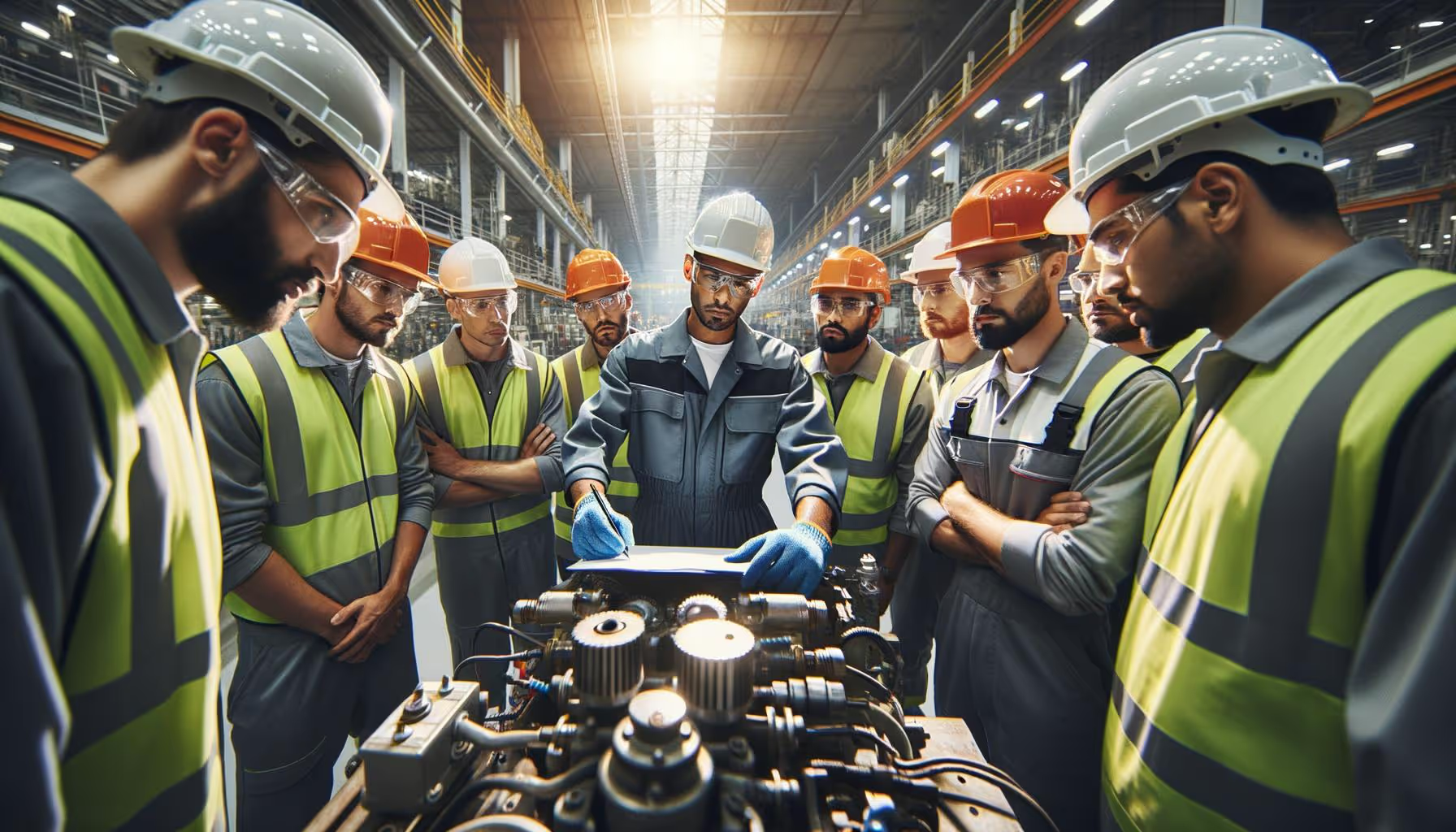
How to Implement Autonomous Maintenance Step 3
At Weever Apps, we understand the critical role of Autonomous Maintenance Step 3 in enhancing equipment reliability and efficiency. This step, focusing on initial cleaning and inspection, forms the foundation for effective maintenance practices.
By mastering this phase, organizations can significantly reduce breakdowns and extend machinery lifespan. In this post, we'll guide you through implementing Step 3, overcoming common challenges, and setting the stage for long-term maintenance success.
What is Step 3 of Autonomous Maintenance?
The Foundation of Equipment Reliability
Initial Cleaning and Inspection, Step 2 of Autonomous Maintenance, sets the stage for equipment reliability and efficiency. This phase involves a thorough cleaning of machinery and a detailed inspection to identify potential issues.
Clean Equipment: A Powerful Detection Tool
A clean machine serves as more than just an aesthetic improvement. It becomes a powerful tool for abnormality detection. When equipment is free from dirt, grime, and debris, even minor issues become obvious. This visibility allows operators to spot potential problems before they escalate into costly breakdowns.
Inspection: Proactive Maintenance in Action
Inspection works in tandem with cleaning. As operators clean their equipment, they simultaneously conduct a detailed examination. This dual approach helps identify wear and tear, loose parts, or any other signs of impending failure. Companies can schedule repairs during planned downtime, avoiding unexpected production halts.
Operator Empowerment
This step transforms machine operators from button-pushers to equipment experts. Their direct involvement in the cleaning and inspection process deepens their understanding of the machinery. This knowledge enables them to identify (and often resolve) minor issues independently.
Tools and Training for Success
The implementation of this step requires the right tools and training for operators. Digital platforms can streamline this process by offering interactive checklists and easy-to-follow inspection guides. This approach ensures consistency across shifts and simplifies data collection.

This step aims to create a culture of ownership and continuous improvement on the shop floor. When executed effectively, it lays the groundwork for a more reliable, efficient, and productive manufacturing environment. The next chapter will explore the practical steps to implement this critical phase of Autonomous Maintenance.
How to Implement Initial Cleaning and Inspection
Create a Detailed Cleaning Schedule
The first step in implementing initial cleaning and inspection involves the creation of a comprehensive cleaning schedule. This schedule should outline specific tasks, frequencies, and responsible parties for each piece of equipment. For instance, a CNC machine might require daily wipedowns, weekly deep cleans, and monthly inspections of hard-to-reach areas.

Operators should participate in the creation of this schedule. Their hands-on experience with the equipment provides invaluable insights. A recent study addressed the current state-of-the-art role of maintenance operators in manufacturing systems, providing an overview of the main studies in this area.
Train Operators on Proper Techniques
Effective training plays a key role in successful implementation. A robust training program should cover:
- Proper cleaning techniques for different types of equipment
- Safe handling of cleaning materials and tools
- Identification of common equipment issues
- Basic troubleshooting skills
The program should combine classroom sessions with hands-on practice.
Perform Thorough Equipment Inspections
Operators must learn to conduct detailed inspections during the cleaning process. This includes checking for:
- Loose bolts or fittings
- Signs of wear on moving parts
- Unusual noises or vibrations
- Leaks or damage to hoses and seals
Clear inspection checklists help ensure consistency and guide less experienced staff on what to look for.
Document Findings Effectively
Proper documentation allows for tracking of equipment health over time. An effective system for recording and reporting findings from cleaning and inspection activities should include:
- Digital forms for quick data entry
- Photo documentation of issues
- Trend analysis of recurring problems
A digital platform can streamline this process. Such systems allow for real-time data entry, automatic report generation, and easy access to historical data.
The implementation of initial cleaning and inspection forms the foundation for proactive maintenance. However, this process often faces resistance and challenges. The next chapter will explore common obstacles and strategies to overcome them, ensuring a smooth transition to this new maintenance approach.
Tackling Challenges in Autonomous Maintenance Step 3
Overcoming Operator Resistance
Resistance from operators often blocks the implementation of Step 3. Many operators view additional cleaning and inspection tasks as extra work outside their job description. To address this, companies should involve operators in the planning process. Asking for their input on cleaning schedules and inspection checklists fosters a sense of ownership and increases the likelihood of embracing new responsibilities.

Implementation of a reward system for operators who consistently perform thorough cleanings and inspections can help. This could range from public recognition to small bonuses. A study by the Society for Human Resource Management found that 79% of employees work harder when they feel recognized.
Balancing Time and Production Demands
Time constraints and production pressures often lead to rushed or skipped maintenance tasks. To combat this, companies should integrate cleaning and inspection into the daily production schedule. Allocation of specific time slots for these activities treats them as non-negotiable parts of the workday.
Use of data to demonstrate the long-term benefits of consistent maintenance can be effective. For example, a food processing plant that implemented rigorous cleaning and inspection routines saw a 15% reduction in unexpected downtime within six months. Sharing such success stories with the team reinforces the importance of these tasks.
Maintaining Consistency Across Shifts
Ensuring consistent cleaning and inspection across different shifts can challenge many organizations. Standardized digital checklists and clear visual aids at workstations help maintain uniformity. Digital platforms excel in this area, providing real-time updates and ensuring all shifts have access to the same, up-to-date information.
Regular cross-shift meetings can also promote consistency. These meetings allow operators from different shifts to share observations, discuss challenges, and align on best practices. A manufacturing plant in Ohio reported a 30% improvement in equipment reliability after implementing monthly cross-shift alignment meetings.
Prioritizing Safety During Cleaning
Safety concerns during cleaning and inspection activities are paramount. Companies should develop comprehensive safety protocols specific to each piece of equipment. All operators should receive thorough safety training before undertaking new maintenance tasks.
Investment in proper personal protective equipment (PPE) for cleaning activities is essential. This might include safety glasses, gloves, and in some cases, respirators. A survey by the National Safety Council found that 70% of workers believe proper PPE significantly reduces workplace injuries.
Companies should implement a system for reporting and addressing safety concerns immediately. Quick response to safety concerns not only prevents accidents but also builds trust with the team.
Final Thoughts
Autonomous Maintenance Step 3 establishes the foundation for improved equipment reliability and efficiency. This step transforms operators into equipment experts and fosters a culture of ownership on the shop floor. Organizations must create detailed cleaning schedules, provide comprehensive training, and establish effective documentation processes to implement this critical step successfully.

Companies face challenges such as operator resistance, time constraints, and safety concerns when implementing this step. They can overcome these hurdles through operator involvement in planning, integration of maintenance tasks into daily schedules, and prioritization of safety measures. Consistency and continuous improvement remain top priorities as organizations progress in their Autonomous Maintenance journey.
Many organizations streamline the implementation of Autonomous Maintenance Step 3 with digital solutions. Weever's Connected Worker platform offers tools for workflow automation, data capture, and real-time visibility across teams. This technology enhances compliance, boosts productivity, and accelerates digital transformation efforts in frontline operations.

Safety Observations in Manufacturing: A Practical Guide
TL;DR — Labor turnover creates a training gap. The training gap creates execution failure. Execution failure creates compliance risk. Paper-based sanitation programs make this chain reaction worse because the procedure lives in someone’s memory, not in the system. Digital sanitation platforms break that chain by storing procedures in the system and putting on-demand instructions, video SSOPs, visual guides, and multilingual resources near the point of work.
In This Guide
- Why labor turnover is a direct threat to sanitation compliance
- How paper-based programs amplify the impact of turnover
- What the shift toward autonomous sanitation means for training
- How video SSOPs help new hires execute correctly from day one
- What effective sanitation training programs include
- How digital sanitation platforms break the turnover-to-compliance failure chain
- FAQ
How Bad Is the Labor Shortage in Food Manufacturing Right Now?
It is not easing. As of January 2024, there were 622,000 unfilled manufacturing positions in the U.S. The manufacturing sector will need an estimated 3.8 million new workers by 2033, and nearly half of those roles could go unfilled.
Food manufacturing has been hit especially hard. The industry has lost 15% of its workforce since 2020. Unit labor costs rose 7.5% in 2024. And 47% of industry respondents cite the inability to attract and retain employees as their biggest challenge.
For sanitation leaders, these numbers are not industry trends. They are the reason the new hire on third shift does not know the cleaning sequence for Line 4, and the supervisor who trained the last crew left two months ago.
622,000 unfilled manufacturing positions in the U.S. as of January 2024
Why Does Turnover Hit Plant Sanitation Teams Harder Than Other Functions?
When experienced staff leave, the knowledge they carry walks out with them. In production or maintenance, that knowledge is often captured in ERP systems, CMMS platforms, or digital work instructions. In sanitation, it is captured in handwritten notes, physical binders, and the memory of the person who just quit.
Paper-based sanitation programs are the hardest systems to hand off to someone new. There is no searchable database of procedures. There is no on-demand instruction set that a new operator can pull up near the point of work. There is a binder on a shelf, and the new hire either finds the right page or guesses.
The connection between turnover and compliance failure is direct. Industry surveys show that 61% of food and beverage end users cite labor shortages and turnover as their top operational trend, and 65% say getting employees to consistently follow SSOPs is their top sanitation challenge. Those two figures describe the same issue.
Turnover creates a training gap. The training gap leads to execution failures. Execution failures increase compliance risk. And paper makes every link in that chain worse.
How Do Video SSOPs Help Break the Turnover-to-Compliance Chain?
A digital sanitation platform stores procedures in the system, not in someone’s memory. But the most impactful addition for high-turnover environments is video SSOPs, short instructional videos embedded directly in the digital work instruction that show the operator exactly how to perform each task.
By adding video SSOPs to a digital sanitation platform, you ensure that, regardless of turnover, new hires are properly trained and follow the correct procedures. The video does not show the person calling in sick. It does not transfer to another plant. It delivers the same instruction, the same way, every time, on every shift.
This is especially valuable for PIC/PEC tasks where equipment is fully disassembled. These are complex, infrequent procedures that even experienced operators may not remember step-by-step. A video SSOP at the point of work eliminates the guesswork.
What Is Autonomous Sanitation and Why Does It Require Digital Tools?
Survey data shows a split in how sanitation work is executed across plants. Some facilities rely entirely on dedicated sanitation crews. Others are moving toward operator-led or autonomous sanitation strategies, in which production operators assume responsibility for cleaning their own lines and equipment.
Plants making that shift report gains in efficiency, productivity, and engagement. But without the right digital tools, autonomous sanitation creates more training burden, not less. Instead of training a dedicated crew, you are now training every operator on every line to execute sanitation procedures they may not have performed before.
Sanitors need better access to instructions, visual guides, and multilingual resources to execute sanitation tasks consistently, without having to search for a sanitation leader. Paper cannot deliver that. A binder on a shelf does not help the operator standing at the machine at 2 AM on a Saturday shift.
What Does Effective Plant Sanitation Training Actually Look Like?
Training employees on regulatory requirements is the top compliance challenge reported by food manufacturers, cited by 54% of end users in a 2025 industry survey. That is not a knowledge problem at the corporate level. It is a delivery issue on the plant floor. Most plants have the regulations. They lack a reliable way to communicate them effectively to the workers.
Effective sanitation training programs share common elements:
- Standardized programs tailored to different job roles, delivered consistently across shifts
- Hands-on training with supervised exercises and practical demonstrations
- Specialized training with subject matter experts (SMEs)
- Ongoing reinforcement with regular refreshers as regulations and SSOPs evolve
- Multilingual and visual materials that work for diverse frontline teams
- On-demand access to instructions and resources near the point of work
The last three elements are where paper programs fail most visibly. A printed SSOP packet that only exists in English does not help a multilingual workforce. A binder that lives in the supervisor’s office does not help the sanitor on the floor. And paper cannot deliver video. Digital tools close all three gaps by delivering the right instruction, in the right language, with the right visual support, directly on the device the operator is already using.
How Does Digital Master Sanitation Break the Turnover Chain for Good?
When a new operator or sanitor starts, the instructions are already there: step-by-step, visual, multilingual, with video SSOPs, and available on-demand near the point of work. The cleaning routine does not change. The documentation is automatic. And the manager has real-time visibility into whether the task was completed correctly, without having to walk the floor to check.
- Mars Fort Smith achieved a 100% MSS task completion rate with digital work instructions
- Monin saved 3 to 4 hours per day on sanitation administration, time that went back to training and oversight
- Plants report adoption that is faster than expected, because the tool mirrors how crews already work
Frequently Asked Questions
How do video SSOPs work inside a digital sanitation platform?
Video SSOPs are short instructional clips embedded directly in the digital work instruction for each task. When an operator opens a task on their device, the video is right there showing exactly how to perform it. No searching for a binder, no asking a supervisor, no guessing. The video delivers the same instruction on every shift, regardless of who is working.
How does a digital sanitation platform help with multilingual teams?
Digital platforms can deliver instructions with visual guides, video SSOPs, and multilingual content near the point of work. Instead of a printed SSOP in one language, operators see step-by-step instructions in their preferred language on the device they are already using.
Does autonomous sanitation work for every plant?
Not necessarily. The shift toward operator-led sanitation depends on plant culture, crew structure, and production schedules. But the trend is clear: plants that empower operators to own their sanitation tasks see gains in efficiency and engagement. The key is giving operators the digital tools they need to execute consistently without having to search for a sanitation leader.
How long does it take a new hire to get up to speed on a digital sanitation system?
Most plants report that new operators are productive within days, not weeks. The digital system provides step-by-step instructions with video SSOPs near the point of work, so the new hire does not need to memorize procedures or rely on a coworker. The learning curve is significantly shorter than paper-based onboarding.
What happens to sanitation compliance when a key person leaves?
In a paper-based program, it deteriorates. Institutional knowledge walks out the door. In a digital sanitation platform, the procedures, schedules, video SSOPs, and instructions live in the system. When someone leaves, the program continues without interruption because it is not dependent on any individual’s memory.
Conclusion
The labor crisis in food manufacturing is not temporary and it is not easing. Every experienced crew member who leaves takes institutional knowledge with them. Paper-based sanitation programs are the most vulnerable to that knowledge loss because the procedures live in people’s memories, not in the system.
Digital sanitation platforms break the chain that links turnover, training gaps, execution failure, and compliance risk. Video SSOPs ensure new hires are properly trained regardless of who left. On-demand instructions near the point of work, in the right language, with visual guides, help operators execute correctly from day one.
The plants that have made the shift are not running transformation projects. They are replacing the binder with a digital tool that mirrors how their teams already work. The cleaning routine stays the same. The knowledge stays in the system. And the next time someone leaves, the program keeps running.
Ready to see what digital sanitation looks like for your plant? Talk to Weever → CLICK HERE

Jera Americas: Transforming Safety Observations with Weever
Transforming Safety Observations at JERA Americas with Weever
How JERA Americas Enhanced Efficiency and Real-Time Visibility in Its Safety Observation Program using Weever.
Key Benefits:
- Automated data entry and processing eliminated the time-consuming manual re-entry of observations.
- Immediate access to safety observation data allowed for prompt identification and resolution of issues.
- Enhanced integration with PowerBI Reports provided clear and comprehensive data during monthly health and safety meetings.
- Exceptional support from Weever's Customer Success team ensured smooth implementation and ongoing success.
The Challenge
JERA Americas faced a significant challenge in managing its safety observation program due to its reliance on the Dupont system, which involved manual data entry using handwritten cards. This method was extremely time-consuming and labor-intensive, requiring staff to re-enter data digitally, which not only slowed down the process but also increased the risk of errors.
Additionally, the Dupont system lacked the flexibility and real-time visibility needed to promptly address safety issues as they arose, making it difficult for JERA to gain comprehensive insights into troubled areas within their operations.
Despite the process, the Canal station managed to achieve a 98% completion rate for its Behavior-Based Safety Observations (BBSO) program. This metric indicates a high level of engagement and thoroughness in recording observations. However, the manual nature of the system also highlighted the gap between the number of observations conducted and those that remained open, underscoring the need for a more streamlined and faster solution to close this loop and enhance overall safety performance.

The Implementation
The implementation of Weever's software at JERA Americas began with researching the best tools for the job, and realizing that Weever was the best solution for their safety observation needs.
The initial phase involved onboarding and training provided by Weever, which included instructional videos that demonstrated the program's straightforward nature.
The rollout commenced gradually, starting with the management team at the Canal station to ensure a thorough understanding of the features and functions. This step-by-step approach allowed the team to familiarize themselves with the robust capabilities of the program, facilitating a smooth transition from the previous manual system.
Following the successful initial rollout, JERA Americas began expanding the use of Weever to new applications in August 2023. Over the next nine months, they introduced a new use case called "Good Catch," although they faced some challenges with the Bucksport BBSO form. Despite these hurdles, the team remained committed to refining the implementation and planned to gain traction with the Good Catch form, demonstrating their ongoing efforts to enhance safety observation practices across the organization.
The Solution
JERA Americas' team experienced significant improvements with Weever's implementation. The program has, however, evolved from its original launch base-package to allow for additional insights, including monthly data evaluation and other necessary adjustments based on management feedback.
The support provided in getting the system up and running was tremendous; despite the challenges faced, the solution simply required user-friendly report tweaks.
The ability to send observation notes with positive reinforcements helps foster a healthy work environment, making the Weever software a great fit with no negative feedback. The Weever Customer Success Team was particularly helpful and responsive, ensuring complete satisfaction with the customer support provided.
The Results
The implementation of the Weever solution at JERA Americas has significantly improved information sharing across the organization.
The integration of PowerBI Reports for monthly Health and Safety (H&S) meetings has been extremely beneficial, providing clear and comprehensive data to support decision-making. The enhanced ability to share information efficiently has been highly valued, contributing to better visibility and management of safety observations. These improvements have not only streamlined operations but also fostered a culture of continuous safety enhancement within the organization.
The Conclusion
The adoption of Weever has had a profoundly positive impact on JERA Americas' safety observation program, transforming a previously labor-intensive and inefficient process into a streamlined and effective system.
The enhanced real-time visibility, improved information sharing, and robust support have significantly contributed to better safety management and compliance. The ongoing partnership between JERA and Weever promises further advancements, with plans to expand the use of the software and integrate additional features to drive continuous improvement.

Interested in learning more about Weever's ability to enhance production efficiency?
Request more information Preview modal-
Request more information
Please tell us a bit about yourself so we can tailor our response and get you the information you need.
Explore Our Case Studies
Transforming Autonomous Maintenance with Weever: A Success Story from Mars Fort Smith
Digital Transformation in Associate Recognition: Mars Wrigley's Success with Weever

Mars Wrigleys' Waco Plant's Digital Transformation with Weever
Transforming Safety Reporting with Weever's Digital Solution
How Adient Streamlined Their 5S Auditing Process

Proactive Safety: How Walmart Utilizes Weever to Drive Safety Excellence
"Having cloud-based forms on devices around the facility makes them so much more accessible, which makes it painless for operators to quickly provide a report."
Johanna Velez, VP Quality Assurance
"Weever is really user friendly and will have a massive positive impact on our operations and training team."
Mel Cadle - Op Ex Lead Process Engineer
Take a Guided Tour.
What is Autonomous Maintenance? A Comprehensive Guide
At Weever Apps, we've seen firsthand how Autonomous Maintenance can revolutionize industrial operations.
The definition of Autonomous Maintenance encompasses a proactive approach where operators take ownership of their equipment's upkeep. This strategy, rooted in Total Productive Maintenance (TPM), aims to boost efficiency and reduce downtime.
In this guide, we'll explore the key principles, implementation steps, and challenges of Autonomous Maintenance, equipping you with the knowledge to transform your maintenance practices.
What is Autonomous Maintenance?
Empowering Operators for Equipment Care
Total Productive Maintenance (TPM) is a holistic approach to equipment maintenance that strives to achieve perfect production. This strategy transforms frontline workers into the primary caretakers of their equipment, instilling a sense of ownership and pride in their work.
The Birth of a Maintenance Revolution
Autonomous Maintenance didn't emerge in isolation. It's a crucial element of Total Productive Maintenance (TPM), a comprehensive system developed in Japan during the 1970s. TPM aimed to maximize equipment effectiveness by involving all employees in maintenance activities. Autonomous Maintenance took this concept further, establishing operators as the first line of defense against equipment deterioration.
Redefining Operator Responsibilities
Traditional maintenance setups often relegated operators to bystander roles while specialized technicians handled all tasks. This approach led to delays, communication gaps, and a disconnect between equipment users and maintainers. Autonomous Maintenance flips this script. Operators now clean, inspect, lubricate, and perform basic repairs on their equipment. This shift not only accelerates maintenance processes but also capitalizes on the operators' intimate knowledge of their machines.
Quantifiable Business Advantages
The impact of Autonomous Maintenance extends beyond theory. Companies implementing this approach report significant improvements. A study by the Manufacturing Enterprise Solutions Association (MESA) found that organizations adopting Autonomous Maintenance practices experienced a 10-30% reduction in maintenance costs. These companies also saw a 25-40% decrease in equipment breakdowns.
Cultivating a Culture of Improvement
While financial benefits are evident, Autonomous Maintenance offers more than cost reduction. It fosters a culture of continuous improvement and problem-solving. Operators become more engaged, developing a deeper understanding of their equipment. This engagement leads to earlier detection of issues, preventing minor problems from escalating into major breakdowns.

Autonomous Maintenance sets businesses up for long-term success by creating a proactive workforce. As industries continue to evolve, this approach to maintenance will distinguish companies aiming to stay competitive in an increasingly challenging market. The next section will explore the practical steps to implement an effective Autonomous Maintenance program in your organization.
How to Implement Autonomous Maintenance
Establish a Strong Foundation
The first step to implement Autonomous Maintenance involves a thorough assessment of current maintenance practices. This assessment includes analysis of equipment performance data, maintenance logs, and operator feedback.

The next step requires a clear definition of roles and responsibilities. Operators must understand their new duties, while maintenance technicians need preparation to shift into more specialized roles. Create detailed standard operating procedures (SOPs) for each piece of equipment, which outline specific tasks operators will perform.
Equip Your Team with the Right Tools
Implementation of Autonomous Maintenance requires both physical tools and digital solutions. Ensure operators have easy access to basic maintenance tools (cleaning supplies, lubricants, and simple diagnostic equipment).
Digital tools play an equally important role. A robust Computerized Maintenance Management System (CMMS) is essential for tracking maintenance activities, scheduling tasks, and analyzing performance data.
Connected Worker platforms (like Weever Apps) prove particularly effective in this regard. Their intuitive interfaces allow operators to easily log maintenance activities, access SOPs, and report issues in real-time. This seamless flow of information is critical for the success of Autonomous Maintenance programs.
Comprehensive Training is Key
Training forms the backbone of successful Autonomous Maintenance implementation. Start with basic equipment knowledge, teaching operators about the components and functions of their machines. Progress to hands-on training for specific maintenance tasks.
Incorporate both theoretical and practical elements in your training. Use a mix of classroom sessions, hands-on workshops, and on-the-job training. Leverage digital learning platforms to provide ongoing support and refresher courses.
Training isn't a one-time event. Regular refresher courses and skill assessments should be part of your long-term strategy. This ongoing education ensures that operators stay up-to-date with best practices and new technologies.
Monitor and Adjust
As you implement Autonomous Maintenance, continuous monitoring and adjustment become essential. Track key performance indicators (KPIs) such as equipment uptime, maintenance costs, and operator efficiency. Use this data to identify areas for improvement and refine your approach.
Regular feedback sessions with operators and maintenance teams provide valuable insights into the program's effectiveness. These sessions also help identify any challenges or roadblocks that need addressing.
The implementation of Autonomous Maintenance is an ongoing process that requires commitment and flexibility. As you move forward, you'll likely encounter challenges along the way. In the next section, we'll explore common obstacles organizations face when implementing Autonomous Maintenance and strategies to overcome them.
Overcoming Autonomous Maintenance Hurdles
Resistance to Change
Organizations often face significant challenges when they shift to Autonomous Maintenance. One of the biggest obstacles is resistance from both operators and maintenance technicians. Operators might feel overwhelmed by additional responsibilities, while technicians may fear job insecurity.

Clear communication addresses this issue. Explain the benefits of Autonomous Maintenance not just for the company, but for individual employees. Highlight how this approach can lead to skill development and career growth. Operators who excel in Autonomous Maintenance often become prime candidates for supervisory roles.
Involve employees in the planning process. This gives them a sense of ownership and helps address concerns early. Create a feedback system where employees can voice their thoughts and suggestions. This not only improves the implementation process but also boosts employee buy-in.
Skill Gaps and Training Challenges
Another common hurdle is the skill gap between current operator capabilities and the requirements of Autonomous Maintenance. Bridging this gap requires comprehensive training, which can be time-consuming and costly.
To tackle this, start with a skills assessment to identify specific areas that need improvement. This allows for targeted training programs, saving time and resources. Utilize a mix of training methods - classroom sessions for theoretical knowledge, hands-on workshops for practical skills, and e-learning modules for flexibility.
Consider implementing a mentorship program where experienced operators or technicians guide others. This not only aids in skill transfer but also fosters a culture of continuous learning.
Sustaining the Program
Many organizations struggle to maintain momentum after the initial implementation of Autonomous Maintenance. The enthusiasm wanes, and old habits creep back in.
Establish clear metrics to measure the success of your Autonomous Maintenance program. These could include equipment uptime, maintenance costs, or the number of operator-identified issues. Regularly share these metrics with the team to demonstrate the program's impact.
Implement a recognition system that rewards operators for their contributions to maintenance. This could be as simple as a 'Maintenance Star of the Month' award or more substantial incentives tied to performance improvements.
Use digital tools to streamline and simplify Autonomous Maintenance tasks. Platforms like Weever Apps can make it easier for operators to log maintenance activities, access SOPs, and report issues. This reduces the perceived burden of additional responsibilities and increases compliance with the new processes.
Regular Audits and Adjustments
Autonomous Maintenance is not a set-it-and-forget-it solution. It requires ongoing effort and adjustment. Regular audits of your Autonomous Maintenance processes can help identify areas for improvement and keep the program fresh and relevant.
Try to conduct these audits quarterly (or more frequently if needed). Involve both operators and maintenance technicians in the audit process. This ensures a comprehensive view of the program's effectiveness and helps identify any gaps or challenges that may have been overlooked.
Use the results of these audits to make data-driven decisions about your Autonomous Maintenance program. This might involve adjusting training programs, updating SOPs, or empowering operators to take more ownership of their equipment.
Final Thoughts
Autonomous Maintenance revolutionizes industrial operations. The definition of autonomous maintenance empowers operators to take ownership of equipment upkeep, which reduces downtime and cuts costs. This proactive approach addresses issues before they escalate into major problems, fostering a culture of continuous improvement.

The future of maintenance strategies will integrate artificial intelligence and machine learning. These advancements will enhance Autonomous Maintenance programs, making them indispensable for forward-thinking organizations. Companies that implement these practices will see improved equipment reliability, increased operator engagement, and substantial cost savings.
Organizations need robust tools to leverage the benefits of Autonomous Maintenance fully. Connected Worker platforms offer intuitive interfaces for operators to log activities, access procedures, and report issues in real-time. These digital solutions streamline the transition to Autonomous Maintenance, equipping companies to face the challenges of tomorrow's industrial landscape.

Peer-to-Peer Safety Observations: Fostering a Safety Culture
Workplace safety is a top priority for every organization, but how can we make it a shared responsibility? At Weever Apps, we believe peer-to-peer safety observations are the answer.
This powerful approach empowers employees to actively participate in identifying and addressing potential hazards. By fostering a culture of open communication and continuous improvement, companies can significantly reduce accidents and injuries.
Why Peer Safety Observations Matter
Redefining Workplace Safety
Peer-to-peer safety observations transform workplace safety. They serve as a proactive tool for hazard identification, foster a safety-first culture, and reduce accident rates and costs. This approach encourages employees to actively monitor each other's well-being, identify potential hazards, and provide constructive feedback. It surpasses traditional top-down safety protocols, creating a collaborative environment where every team member becomes a safety advocate.
Proactive Safety Culture
Employees who participate in peer safety observations develop a keen awareness of their surroundings. This awareness extends beyond their own tasks to include their colleagues' activities, fostering a culture of collective responsibility.
Employees as Safety Leaders
Peer observations empower frontline workers to take ownership of safety initiatives. This responsibility shift from management to all employees creates a more engaged workforce.
Continuous Improvement Driver
Regular peer observations provide valuable data that drives continuous improvement in safety practices. Organizations can identify recurring issues and implement targeted solutions by analyzing trends and patterns in observation reports.
Technology's Role
Digital tools streamline the peer observation process. Platforms allow for real-time data collection and analysis, making it easier for organizations to act on safety insights quickly and effectively. Companies can transform peer observations from a manual task into a powerful driver of safety culture and operational excellence by leveraging technology.

The implementation of an effective peer-to-peer safety observation program requires careful planning and execution. The next section will explore the key steps organizations should take to establish a successful program, including employee training, guideline development, and the use of digital tools.
How to Build a Robust Peer Safety Program
Comprehensive Training: The Foundation
Start with thorough training for all employees. This training should focus on cultivating a safety-first mindset. Teach workers to identify potential hazards, conduct respectful observations, and provide constructive feedback. Interactive training sessions, such as role-playing exercises, prove particularly effective. A manufacturing company reported a 30% increase in hazard identification after implementing such sessions.
Clear, Actionable Guidelines
Develop straightforward guidelines that outline the observation process, reporting procedures, and follow-up actions. Make these guidelines easily accessible to all employees. A construction firm experienced a 40% increase in observation participation after simplifying their guidelines and making them available through a mobile app.
Open Communication Culture
Promote open dialogue about safety concerns. Create multiple feedback channels, including anonymous reporting options. This approach can significantly boost reporting rates. For example, a chemical plant noted a 50% rise in near-miss reports after implementing an anonymous digital reporting system.
Technology for Efficiency
Digital tools streamline the entire process, from observation to analysis. Mobile apps allow real-time reporting, instant data aggregation, and quick dissemination of safety alerts. These technologies can reduce administrative tasks by up to 70%, allowing more focus on actual safety improvements. (Weever's Connected Worker platform offers intuitive digital forms for easy data capture and real-time dashboards for cross-team visibility.)
Recognition and Rewards
Implement a program that acknowledges active participants in the peer observation process. This encourages ongoing safety discussions and improvements. Employees are more likely to share their insights and suggestions when recognized for their contributions. A food processing plant saw a 60% increase in observation submissions after introducing a monthly safety champion award.

The success of a peer-to-peer safety observation program hinges on these key elements. However, implementing such a program is not without its challenges. The next section will address common obstacles organizations face and provide strategies to overcome them.
Navigating Peer Safety Observation Hurdles
Breaking Down Reporting Barriers
Employee reluctance to report safety concerns often stems from fear of retaliation or being labeled a snitch. Organizations must foster a blame-free environment to combat this issue. A systematic review identified and examined the barriers hindering nurses from reporting medication administration errors in hospital settings.

Practical steps to encourage reporting include:
- Implement an anonymous reporting system
- Publicly recognize employees who report safety concerns
- Demonstrate swift action on reported issues
Maintaining Observation Quality
Consistent, high-quality observations can challenge organizations, especially as programs mature. Regular refresher training proves essential.
To boost observation quality:
- Use standardized observation forms
- Conduct periodic audits of submitted observations
- Provide real-time feedback on observation quality
Balancing Safety and Productivity
Some worry that frequent safety observations might hamper productivity. However, data suggests otherwise.
To strike the right balance:
- Integrate observations into daily routines
- Set realistic observation targets
- Use mobile apps for quick, on-the-go reporting (Weever's Connected Worker platform offers intuitive digital forms for easy data capture)
Sustaining Long-Term Engagement
Maintaining enthusiasm for peer observations over time can challenge organizations. The key is to keep the program fresh and relevant.
Strategies for long-term engagement include:
- Regularly update observation criteria based on recent incidents or near-misses
- Gamify the process with leaderboards or safety challenges
- Share success stories and improvements resulting from observations
Organizations can create a robust peer-to-peer safety observation program that stands the test of time through these strategies. The goal is to foster a culture where safety becomes everyone's responsibility.
Final Thoughts
Peer-to-peer safety observations empower employees to identify and address potential hazards, reducing accidents and fostering a robust safety culture. Organizations must provide thorough training, clear guidelines, and open communication channels to implement successful programs. Technology enhances the effectiveness of these observations, streamlining data collection, analysis, and action.
Weever's Connected Worker platform offers digital forms for easy data capture, real-time dashboards, and automated workflows to simplify the observation process. These features enable organizations to identify trends, implement targeted solutions, and track improvements efficiently. Prioritizing safety culture through peer-to-peer safety observations creates a framework for continuous improvement in increasingly complex work environments.

Organizations that invest in this approach and leverage the right technological tools create safer, more productive workplaces where employees feel valued and empowered. The time to act is now – transform your safety culture with peer-to-peer safety observations. Embrace this powerful tool and witness the positive impact on your organization's safety performance and overall success.
Spend Less Time on Admin. Get More Insights by Email.
Subscribe to receive practical tips, updates, and ideas to improve operations without the extra admin work.