
-%20smaller.webp)
.webp)
Explore More Blogs
Essential Safety and Compliance Strategies for Your Business
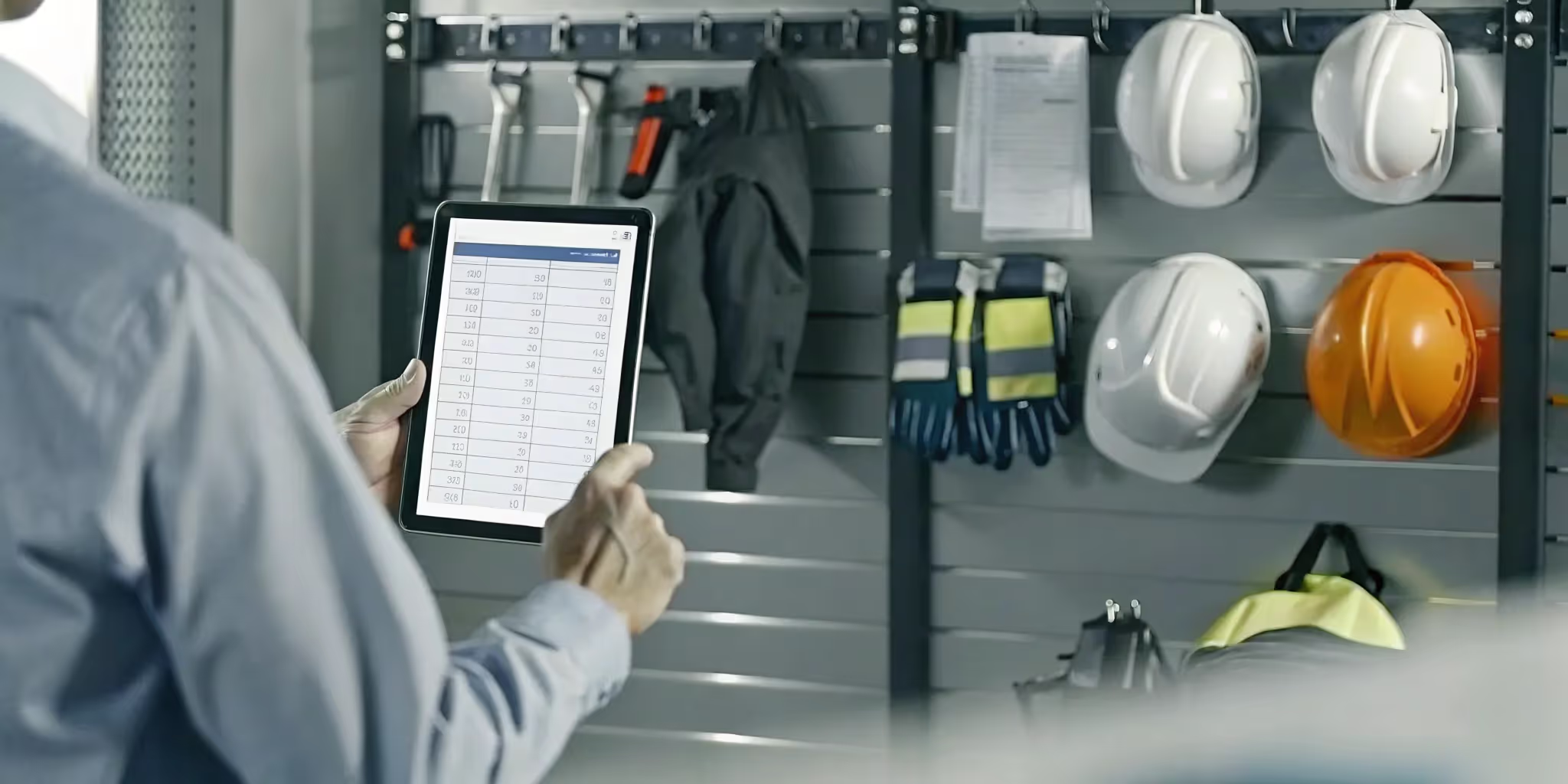
Safety and compliance aren't just boxes to check; they're the foundation of a thriving workplace. They protect your most valuable asset—your employees—and safeguard your business from costly fines, legal battles, and reputational damage. But building a truly effective safety and compliance program requires more than just following the rules. It demands a proactive approach, a commitment to continuous improvement, and a culture where safety is everyone's responsibility. This guide will equip you with the knowledge and tools to create a workplace where safety and compliance are seamlessly integrated into daily operations, fostering a culture of well-being and productivity.
Key Takeaways
- Invest in a safe and compliant workplace: Building a strong safety culture and adhering to regulations protects your employees, reduces risks, and positively impacts your bottom line.
- Use technology to streamline safety management: The right tools empower you to manage safety and compliance efficiently, simplifying processes and providing valuable insights.
- Proactive safety measures are essential: Regularly assess risks, provide ongoing training, and encourage employee feedback to create a culture of continuous improvement.
What is Workplace Safety and Compliance?
Workplace safety and compliance work together to create a protected and productive work environment. Safety compliance essentially means following the health and safety rules set by governing bodies. It's an ongoing process, not a one-time task, requiring companies to stay updated on safety standards and adapt their practices. Failing to maintain these standards can result in legal issues and fines. Ultimately, ensuring a safe workplace is the employer's responsibility.
Why is compliance so important? Legally, it's required. Ethically, it's simply the right thing to do. Workplace safety compliance protects both employees and the business. Employers must provide safe working conditions, proper equipment, comprehensive training, and clear hazard communication. Employees have the right to a safe workplace and should feel comfortable reporting safety concerns.
A truly safe workplace goes beyond checking off compliance requirements. It involves building a strong safety culture where everyone prioritizes and actively contributes to safety. This means exceeding minimum requirements, obtaining necessary permits, establishing thorough safety procedures, and fostering open communication about safety. When safety is ingrained in the company culture, compliance becomes a shared commitment. This proactive approach minimizes risks and fosters a more positive and productive work environment. Weever can help your company establish and maintain robust safety and compliance programs. Request a demo to see how our platform can transform your workplace safety efforts.
What Do Safety and Compliance Consulting Firms Offer?
Working with a safety and compliance consulting firm offers valuable expertise and support, helping you build a safer, more compliant workplace. These firms provide a range of services to strengthen your safety practices and ensure you meet regulatory requirements. Let's explore what they can do for your business.
Assess Risks and Identify Hazards
Safety consultants perform comprehensive hazard assessments to identify potential dangers in your workplace. They examine machinery, personal protective equipment (PPE), and work processes, ensuring they align with local, state, and federal regulations. This proactive approach helps mitigate risks before incidents occur. For some industries, like construction and manufacturing, consultants address the unique challenges of high-risk environments and complex regulations.
Train Employees
Effective safety training is essential for a safe work environment. Consulting firms develop training programs and create clear safety manuals. They can also conduct the training directly, ensuring your team understands safety procedures and best practices. This empowers employees to take ownership of their safety and contribute to a safer workplace.
Audit Regulatory Compliance
Staying current with evolving regulations can be difficult. Safety and compliance consultants conduct regular compliance audits, evaluating your practices against industry standards and legal requirements. They identify gaps and help you implement corrective actions to maintain compliance and avoid penalties. This ongoing monitoring ensures you remain up-to-date and prepared for any regulatory changes.
Develop and Implement Safety Protocols
Well-defined safety protocols are fundamental to any business. Consultants collaborate with you to develop and implement customized safety procedures specific to your industry and operations. This includes establishing clear guidelines for handling hazardous materials, operating machinery, emergency response, and more. These tailored protocols provide a framework for consistent safety practices.
Investigate and Report Incidents
Even with the best safety measures, incidents can still occur. Safety and compliance consultants offer objective incident investigations and detailed reports. They analyze root causes, identify contributing factors, and recommend corrective actions to prevent future incidents. This expertise is crucial for managing risk and protecting your workforce. Their insights help you learn from incidents and continuously improve your safety program.
How to Choose the Right Safety and Compliance Partner
Finding the right safety and compliance partner is crucial for your business's success. It's a decision that requires careful consideration. Here's a breakdown of key aspects to evaluate:
Evaluate Industry Expertise and Experience
Look for a partner with a deep understanding of your specific industry. Industries like construction, manufacturing, and chemical processing often have higher safety risks and more complex regulations. A partner familiar with these nuances can tailor solutions to your unique needs. Review their case studies to see how they've helped similar businesses. This gives you a sense of their practical experience and success in comparable situations.
Determine Service Range and Customization Options
A good safety and compliance partner should offer a comprehensive range of services, from risk assessments and safety training programs to compliance audits and incident investigation. However, a one-size-fits-all approach rarely works. Ensure your chosen partner can customize services to fit your specific needs and scale as your business grows. This flexibility is essential for an effective partnership. Explore Weever's ultimate guides for more insights into building a robust safety program.
Check Reputation and Track Record
Before committing, research the partner's reputation. Look for online reviews, industry awards, and certifications. A strong track record demonstrates their commitment to quality and results. Don't hesitate to ask for references and speak with their current clients for firsthand insights.
Consider Technology Integration and Innovation
Technology plays a vital role in safety and compliance. A forward-thinking partner should embrace technology to streamline processes, improve data analysis, and enhance program effectiveness. Look for solutions that integrate with your existing systems and offer features like real-time reporting and data-driven insights. Weever's platform offers such features, designed to improve frontline operations. Request a demo to see how our technology can benefit your business.
Analyze Cost-Effectiveness and ROI
While cost is a factor, focus on the long-term value and return on investment (ROI). A comprehensive safety and compliance program can significantly reduce the risk of fines, legal issues, and workplace incidents. Consider the potential cost savings from reduced downtime, lower insurance premiums, and improved productivity. Use our ROI calculator to estimate the potential financial benefits of partnering with Weever. A valuable partner will help you achieve both compliance and a positive impact on your bottom line. Learn more about how Weever helps businesses achieve their safety goals on our customer success page.
Benefits of Investing in Safety and Compliance Services
Investing in robust safety and compliance services offers significant advantages, impacting your bottom line and fostering a positive work environment. Let's explore some key benefits:
Reduce Risk of Fines and Legal Issues
Staying compliant with safety regulations is a legal requirement for businesses. Neglecting these responsibilities can lead to hefty fines and legal battles, draining your resources and damaging your reputation. Proactive safety measures and compliance programs help mitigate these risks, ensuring your operations remain within legal boundaries. Partnering with a safety and compliance consultant gives you access to expert advice and support, helping you avoid costly penalties.
Enhance Workplace Safety and Employee Well-being
Prioritizing safety creates a healthier and more secure work environment for your employees. When your team feels safe, their morale and productivity increase. A safe workplace also leads to lower employee turnover and reduced absenteeism, saving you recruitment and training costs. Investing in employee well-being demonstrates your commitment to their health and safety, fostering a more engaged and productive workforce. Weever's platform can help you streamline safety protocols and empower your employees to actively participate in maintaining a safe work environment. Request a demo to see how Weever can improve your workplace safety.
Improve Company Reputation and Brand Image
A strong commitment to safety and compliance enhances your company's reputation. Customers, investors, and potential employees are more likely to trust and support businesses known for their ethical practices and commitment to safety. Building a positive reputation attracts top talent and strengthens your brand, giving you a competitive edge. Check out Weever's case studies to see how our platform has helped businesses improve their safety performance.
Increase Operational Efficiency and Productivity
While some view safety measures as an added expense, they actually contribute to increased operational efficiency and productivity. By preventing accidents and minimizing downtime, you maintain a smooth workflow and maximize output. A safe and compliant workplace fosters a culture of efficiency, where employees can focus on their tasks without worrying about potential hazards. Explore Weever's Ultimate Guides for practical tips on optimizing your operations through effective safety management.
Lower Insurance Premiums and Workers' Compensation Costs
Investing in safety and compliance can lead to lower insurance premiums and workers' compensation costs. By demonstrating a commitment to reducing workplace incidents, you present a lower risk profile to insurance providers. This can translate into significant cost savings over time, freeing up resources for other business priorities. A safer workplace means fewer accidents, resulting in lower medical expenses and related costs. Use our ROI calculator to estimate potential cost savings.
Consequences of Non-Compliance
Ignoring safety and compliance regulations isn't just risky—it can be devastating to your business. The consequences extend far beyond simple fines, impacting your operations, reputation, and even your ability to attract and retain employees. Let's break down the potential fallout:
Face Financial Penalties and Fines
Non-compliance can lead to hefty fines, especially as regulations become stricter and penalties increase. Organizations like OSHA collect millions of dollars annually from employers who fail to meet safety standards. These financial penalties can significantly impact your bottom line and divert resources away from growth initiatives. For a clearer picture of the potential return on investment of robust safety and compliance programs, check out our ROI calculator.
Risk Operational Shutdowns and Business Disruptions
Failing to comply with regulations like those from OSHA and DOT can result in more than just fines. You could face temporary or even permanent business closure. Such disruptions can severely damage your revenue stream, customer relationships, and overall market standing. Explore our case studies to see how Weever helps businesses maintain uninterrupted operations.
Suffer Reputational Damage and Loss of Customer Trust
In today's interconnected world, news of safety violations travels fast. A company known for neglecting safety protocols can quickly lose public trust and damage its brand reputation. Prioritizing safety not only protects your employees but also safeguards your company's image and attracts top talent.
Encounter Legal Liabilities and Lawsuits
Non-compliance opens the door to legal action. Companies that fail to adhere to safety laws can face costly lawsuits and protracted legal battles. These legal challenges can drain your resources and create a negative public perception. Our ultimate guides offer valuable resources for building a comprehensive safety and compliance program.
Experience Employee Turnover and Recruitment Challenges
A safe work environment is crucial for employee satisfaction and retention. When employees feel unsafe, they're more likely to seek employment elsewhere, leading to increased employee turnover and difficulty attracting new hires. Creating a culture of safety fosters a positive work environment, boosts morale, and reduces costly turnover. Investing in safety and compliance demonstrates a commitment to your employees' well-being, which translates to a more productive and engaged workforce. Learn more about how Weever can help you build a safer and more compliant workplace by requesting a demo.
Implement Effective Safety and Compliance Strategies
Want to create a safer, more compliant workplace? Here's how to get started:
Create a Safety-First Culture
Building a strong safety culture takes more than just writing a policy. It requires genuine commitment from leadership and consistent reinforcement at every level. One of the biggest hurdles is getting buy-in from management. When leaders prioritize safety, it sets the tone for the entire organization. Make sure safety goals are clearly communicated and integrated into performance reviews. Address any resource or training gaps to demonstrate your commitment. For more insights on common challenges and solutions, check out this helpful article on building a strong safety culture. Weever's case studies showcase how companies have successfully implemented these strategies.
Leverage Technology for Compliance Management
Technology can be a game-changer for managing safety and compliance. Automated reminders, digital documentation, and real-time data analysis can streamline processes and reduce human error. A platform like Weever can help you centralize safety data, track training, and manage audits, freeing up your team to focus on continuous improvement. Request a demo to see how Weever can improve your safety and compliance programs. Explore Weever's ultimate guides for practical tips and best practices.
Conduct Continuous Training and Education Programs
Regular training is essential for maintaining a safe and compliant workplace. It's not enough to train employees once. Provide ongoing training and refreshers to keep safety top of mind. Incorporate different training methods, like online modules, hands-on workshops, and toolbox talks, to keep employees engaged. Regular reminders and monitoring of employee behavior are also crucial for reinforcing safe work practices, as highlighted in this article on overcoming safety culture challenges.
Perform Regular Audits and Assessments
Regular audits are your way of checking in and making sure everything is running smoothly. They help you identify potential hazards, track compliance, and spot areas for improvement. Don't think of audits as a punitive measure; instead, frame them as opportunities for learning and growth. SecureTrust emphasizes the importance of regular audits for maintaining compliance and proactively addressing potential issues. Weever can help you streamline your audit process with its mobile-first platform. Learn more about how Weever helps businesses achieve their safety goals by visiting our customer success page.
Encourage Employee Involvement and Feedback
Creating a safe workplace is a team effort. Encourage employees to actively participate in safety initiatives and provide feedback. Make it easy for them to report hazards and near misses without fear of reprisal. When employees feel heard and valued, they're more likely to take ownership of safety. This article underscores the importance of employee involvement in successful safety programs. Consider implementing a safety committee or suggestion box to facilitate open communication. Use Weever's platform to empower your employees and foster a culture of safety. Calculate your potential ROI with Weever's ROI calculator.
Industries That Benefit Most from Safety and Compliance Services
Some industries face higher risks and more stringent regulations than others. This means that strong safety and compliance programs are not just a good idea—they're essential for protecting employees, avoiding costly penalties, and maintaining a positive brand image. Let's explore a few sectors where investing in these services offers significant advantages.
Manufacturing and Construction
Manufacturing and construction are known for their inherent safety risks. Heavy machinery, working at heights, and exposure to hazardous materials are just a few potential dangers. Robust safety and compliance programs are crucial for mitigating these risks. For example, safety consulting services can help create safer work environments and ensure adherence to OSHA regulations.
Healthcare and Pharmaceuticals
Healthcare and pharmaceutical organizations operate under strict regulations to ensure patient safety and product quality. From HIPAA compliance to drug manufacturing protocols, there's little room for error. Partnering with a compliance firm helps these organizations manage complex regulations and maintain accurate documentation, ultimately protecting patient well-being. Learn more about healthcare compliance.
Energy and Utilities
The energy and utilities sector deals with high-voltage equipment, hazardous materials, and often remote work locations. These factors contribute to a high-risk work environment where safety and compliance are paramount. Specialized EHS consulting services can provide tailored solutions for regulatory compliance, incident management, and employee training, ensuring worker safety and operational integrity.
Transportation and Logistics
Transportation and logistics involve the constant movement of goods and people, creating potential hazards on roads, railways, and in the air. Driver fatigue, vehicle maintenance, and hazardous material transport are just a few safety concerns. Compliance services can help transportation companies develop robust safety programs, manage driver qualifications, and ensure adherence to transportation regulations.
Mining and Natural Resources
Mining and natural resource extraction are physically demanding and often performed in challenging environments. Cave-ins, equipment malfunctions, and exposure to harmful substances are constant threats. Safety consultations can help mining companies develop comprehensive safety protocols, provide effective employee training, and minimize environmental impact. A focus on safety and compliance is essential for protecting workers in this high-risk industry.
Measure the Success of Safety and Compliance Initiatives
Successfully implementing safety and compliance initiatives requires ongoing measurement and analysis. How else will you know if your programs are truly effective? By tracking the right metrics, you can pinpoint areas for improvement and demonstrate the value of your efforts.
Track Key Performance Indicators (KPIs) for Safety
Key Performance Indicators (KPIs) provide quantifiable data to assess the effectiveness of your safety programs. These metrics offer insights into leading indicators (predictive measures) and lagging indicators (outcomes). For example, leading indicators might include the number of safety training sessions completed and the frequency of safety inspections. Lagging indicators could include the number of incidents or near misses. Choosing relevant KPIs, like those suggested by EHS Momentum, allows you to understand what's working, what's not, and where to focus your resources. Tools like Weever can help you easily track and visualize these KPIs, providing a clear picture of your safety performance. Learn more about Weever's capabilities through a personalized demo.
Monitor Incident Rate and Lost Time Injury Rate (LTIR)
Two critical safety metrics are your incident rate and Lost Time Injury Rate (LTIR). Your incident rate measures the frequency of workplace incidents, while LTIR specifically tracks incidents resulting in lost work time. Dakota Software discusses the importance of these metrics in evaluating the success of your safety programs. Decreasing these rates demonstrates a safer work environment and can contribute to lower insurance premiums and improved employee morale. Weever's reporting dashboards can help you monitor these rates and identify trends, allowing for proactive intervention and continuous improvement. Explore Weever's customer success stories to see how other companies have used Weever to improve safety.
Analyze Compliance Audit Results and Improvement Trends
Regular compliance audits are essential for identifying vulnerabilities and ensuring adherence to regulations. Analyzing audit results helps you understand where your organization stands in relation to compliance requirements. SecureTrust emphasizes the importance of regular audits in maintaining regulatory compliance. By tracking trends in audit findings, you can measure the effectiveness of corrective actions and demonstrate continuous improvement. Weever's document management features can streamline your audit processes and provide a centralized repository for audit data, making analysis and reporting more efficient. Learn more about optimizing your compliance efforts with Weever's resources.
Overcome Common Safety and Compliance Challenges
Even with the best intentions, implementing and maintaining robust safety and compliance programs can be tricky. Let's break down some common hurdles and how to address them.
Address Limited Resources and Budget Constraints
Smaller businesses often face tighter budgets and limited personnel. This can make investing in safety programs seem daunting. However, remember that prioritizing safety now saves money on costly incidents, fines, and potential legal issues down the road. Look for cost-effective solutions like Weever, which streamlines processes and consolidates tools, ultimately reducing administrative overhead. You can also explore free resources like the HSE Study Guide for valuable insights and guidance on occupational health and safety challenges. For a clearer picture of the financial benefits, use Weever's ROI calculator.
Improve Employee Engagement and Overcome Resistance to Change
Getting everyone on board with new safety procedures is crucial. Resistance to change is normal, so address it head-on. Clearly communicate the why behind new initiatives and how they directly benefit employees. Involve your team in the process, soliciting feedback and suggestions. When employees feel heard and understand the value, they're more likely to embrace change. See how other companies have fostered a culture of safety and engagement with Weever's customer success stories.
Stay Current with Evolving Regulations
Regulations change, and keeping up can feel like a full-time job. Subscribe to industry newsletters, attend webinars, and partner with a compliance consultant if needed. Leveraging technology can also simplify this process. Weever helps you stay informed and adapt to new requirements efficiently, ensuring you're always compliant. For more information on navigating regulatory changes, explore Weever's Ultimate Guides.
Manage Complex Work Environments
Many industries deal with intricate processes and hazardous environments. Simplify safety management by implementing clear, standardized procedures. Digital tools like Weever can help you manage documentation, track training, and conduct audits, even in the most complex settings. Request a Weever demo to see how the platform can adapt to your specific needs.
Balance Safety with Productivity
Sometimes, there's a misconception that safety protocols slow things down. In reality, a safe work environment is a productive work environment. When employees feel safe, they're more focused and efficient. Weever helps you seamlessly integrate safety practices into daily workflows, so you can improve both safety and productivity. Explore Weever's case studies to see how other businesses have achieved this balance.
The Future of Safety and Compliance: Trends and Innovations
The landscape of safety and compliance is constantly evolving, driven by technological advancements and a growing emphasis on proactive risk management. Staying ahead of these trends is crucial for businesses to maintain a safe work environment, minimize risks, and ensure long-term success.
Explore Emerging Technologies in Safety Management
New technologies are transforming how organizations approach safety management. Wearable devices, for example, can monitor worker vital signs and environmental conditions, providing real-time alerts for potential hazards. Specialized consultants can help your business integrate these emerging technologies, developing customized solutions to enhance safety protocols and compliance measures. Real-time data analysis can identify patterns and predict potential incidents before they occur, allowing for timely interventions. This shift towards predictive safety management empowers businesses to move beyond reactive measures and create a truly proactive safety culture. Explore resources like Weever's Ultimate Guides to learn more about leveraging technology for improved safety outcomes.
Use Predictive Analytics for Risk Management
Predictive analytics plays a vital role in identifying and mitigating compliance risks. By analyzing historical data, organizations can identify trends and patterns that may indicate potential future issues. This allows for proactive interventions, addressing potential problems before they escalate. This proactive approach, aided by strategies for businesses, minimizes the risk of fines, legal issues, and reputational damage, contributing to a more stable and secure business environment. Request a Weever demo to see how our platform can help you leverage data for proactive risk management.
Integrate AI and Machine Learning in Compliance
Artificial intelligence (AI) and machine learning are rapidly changing the compliance landscape. These technologies can automate tedious tasks, analyze vast amounts of data, and identify potential compliance violations with greater accuracy and speed than traditional methods. AI and machine learning are particularly valuable in high-risk industries like construction and manufacturing, where complex regulations and potential hazards require constant vigilance. Working with safety consultants can streamline these processes. By streamlining compliance processes, AI and machine learning free up valuable time and resources, allowing safety professionals to focus on strategic initiatives and continuous improvement. Explore Weever's customer success stories to see how businesses are using our platform to integrate AI and machine learning for enhanced compliance management.
Related Articles
- Is Workplace Safety Everyone's Responsibility? | Weever
- 2024 Workplace Health and Safety Regulations Update | Weever
- Workplace Safety Audits: Ensuring a Secure Environment | Weever
- How to Celebrate Safety in Your Workplace | Weever
- Boost Your Manufacturing Safety with Proactive Measures
Frequently Asked Questions
How can I create a safety-first culture in my company if management doesn't seem interested?
It can be tough to build momentum when management isn't on board. Start by showcasing the tangible benefits of safety improvements, like reduced incidents and lower insurance costs. Present a clear plan with achievable goals and highlight how a safer workplace contributes to a more productive and positive work environment. Sometimes, demonstrating a small, successful safety initiative can be more persuasive than abstract arguments.
Our company has limited resources. How can we afford to invest in safety and compliance?
Think of safety and compliance as an investment, not an expense. Prioritizing safety now can prevent costly incidents, fines, and legal issues later. Start small, focusing on high-impact areas. Look for cost-effective solutions that streamline processes and consolidate tools, reducing administrative overhead. There are also many free resources available, such as online guides and templates, that can help you get started.
We struggle to keep up with constantly changing regulations. What's the best way to stay informed?
Staying updated is definitely a challenge. Subscribe to industry newsletters and set up Google Alerts for relevant keywords. Attend webinars and conferences, even free online ones, to stay abreast of regulatory changes. Partnering with a compliance consultant, even for a short-term engagement, can also provide valuable support.
How can we ensure our safety initiatives are actually making a difference?
You need to measure your progress. Identify key performance indicators (KPIs) relevant to your industry and track them consistently. Monitor incident rates, lost time injury rates, and the results of compliance audits. Regularly review your data to identify trends, pinpoint areas for improvement, and demonstrate the value of your safety efforts.
Our employees resist new safety procedures. How can we improve buy-in?
Resistance to change is common. Clearly explain the why behind new procedures and how they benefit employees directly. Involve your team in the process, soliciting feedback and addressing concerns. Provide thorough training and make it easy for employees to follow new procedures. Recognize and reward employees who actively participate in safety initiatives.
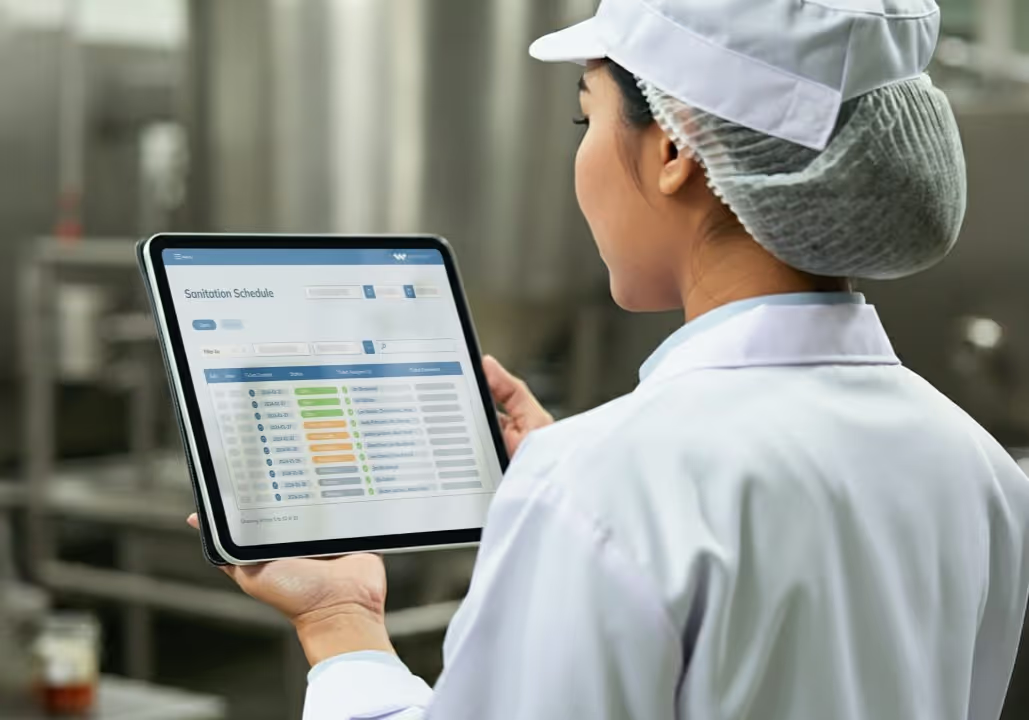
Why is Weever Software Essential for Aligning Sanitation Scheduling with Autonomous Maintenance in Manufacturing?
Aligning sanitation scheduling with autonomous maintenance is critical for maintaining efficiency and compliance. Autonomous maintenance empowers operators to take ownership of routine equipment upkeep, while sanitation schedules ensure a clean and safe environment. However, coordinating these processes can be a logistical challenge, especially in food and beverage manufacturing, where adherence to a Master Sanitation Schedule (MSS) is paramount.
Weever software bridges this gap, providing manufacturers with a solution to seamlessly align their master sanitation program with autonomous maintenance. By simplifying scheduling, automating workflows, and offering actionable insights, Weever supports manufacturing industries, including food and beverage manufacturing sector and ensures sanitation and autonomous maintenance goals are met efficiently.
Simplifying Coordination with Weever's User-Friendly Platform
The foundation of aligning sanitation scheduling with autonomous maintenance is clear communication and effective organization. Weever software provides an intuitive platform that allows manufacturers to manage both processes effortlessly.
Key features include:
- A centralized dashboard to track the frequency of cleaning and sanitizing activities for different areas and equipment.
- Easy-to-configure templates for creating MSS schedules tailored to specific plant requirements.
- A seamless interface that enables operators to quickly access and update sanitation and autonomous maintenance tasks.
By making the process straightforward, Weever eliminates the confusion that often arises when managing overlapping activities, ensuring both sanitation and autonomous maintenance are prioritized effectively.
Automating Workflows for Streamlined Operations
Manual coordination between cleaning and autonomous maintenance tasks can lead to inefficiencies, delays, or even compliance issues. Weever software automates workflows to synchronize planned cleaning of food manufacturing areas with autonomous maintenance schedules, ensuring optimal use of time and resources.
Here's how automation enhances alignment:
- Task Scheduling: The software automatically schedules MSS cleaning in food safety and autonomous maintenance activities, avoiding conflicts and ensuring smooth transitions between tasks.
- Dynamic Assignments: Tasks are assigned to the appropriate personnel based on availability and role, ensuring no overlap or missed responsibilities.
- Compliance Alerts: Automated notifications remind teams of upcoming tasks and flag overdue actions, reducing the risk of non-compliance.
This synchronization helps manufacturers meet both sanitation and autonomous maintenance goals without compromising productivity.
Driving Smarter Decisions with Real-Time Insights and Reporting
Effective alignment of sanitation scheduling and autonomous maintenance requires access to actionable data. Weever software delivers real-time insights and trends, enabling manufacturers to make informed decisions and optimize processes.
Benefits of Weever's reporting tools include:
- Trend Analysis: The software tracks patterns in cleaning and autonomous maintenance data, helping manufacturers refine their master sanitation schedule and autonomous maintenance strategies for food manufacturing.
- Operational Visibility: Real-time updates provide a clear view of completed and pending tasks, ensuring alignment between MSS and autonomous maintenance activities.
- Proactive Problem-Solving: Insights into sanitation and autonomous maintenance records allow teams to identify gaps and address issues before they escalate.
These tools ensure that manufacturers stay ahead of potential challenges, maintaining alignment and efficiency across all operations.
Simplifying Adoption with a Step-by-Step Rollout Approach
Introducing new software into manufacturing processes can sometimes be disruptive, but Weever software mitigates this with a structured rollout methodology. This approach ensures that sanitation scheduling and autonomous maintenance processes are seamlessly integrated from the start.
Rollout highlights include:
- Phased Implementation: A step-by-step approach minimizes disruptions, allowing teams to adapt gradually to the new system.
- Comprehensive Training: Training modules empower staff to use the software confidently, reducing resistance and improving adoption rates.
- Continuous Support: Ongoing assistance ensures the software is fully utilized and continues to meet the plant's evolving needs.
This method allows manufacturers to quickly benefit from Weever's capabilities, achieving alignment with minimal downtime.
Revolutionizing Manufacturing with Weever's Unified Sanitation and Autonomous Maintenance Processes
The ability to align sanitation scheduling with autonomous maintenance is essential for transforming the food and beverage manufacturing industry. By integrating cleaning and autonomous maintenance processes, manufacturers can achieve higher levels of efficiency, compliance, and safety.
Weever software is the key to making this alignment possible. With its ease of use, automated workflows, insightful reporting, and smooth rollout, Weever ensures that every manufacturer can synchronize their master sanitation program with autonomous maintenance seamlessly. This alignment supports not only regulatory compliance but also the broader goals of food safety and autonomous maintenance management.
Ready to Take the Next Step Toward Productivity Optimization?
Achieving alignment between sanitation scheduling and autonomous maintenance doesn't have to be complicated. Weever software provides the solutions you need to simplify processes, ensure compliance, and enhance operational efficiency. Contact Weever today for a demo and discover how this innovative solution can transform your manufacturing operations.
Kamishibai Lean: A Practical Guide
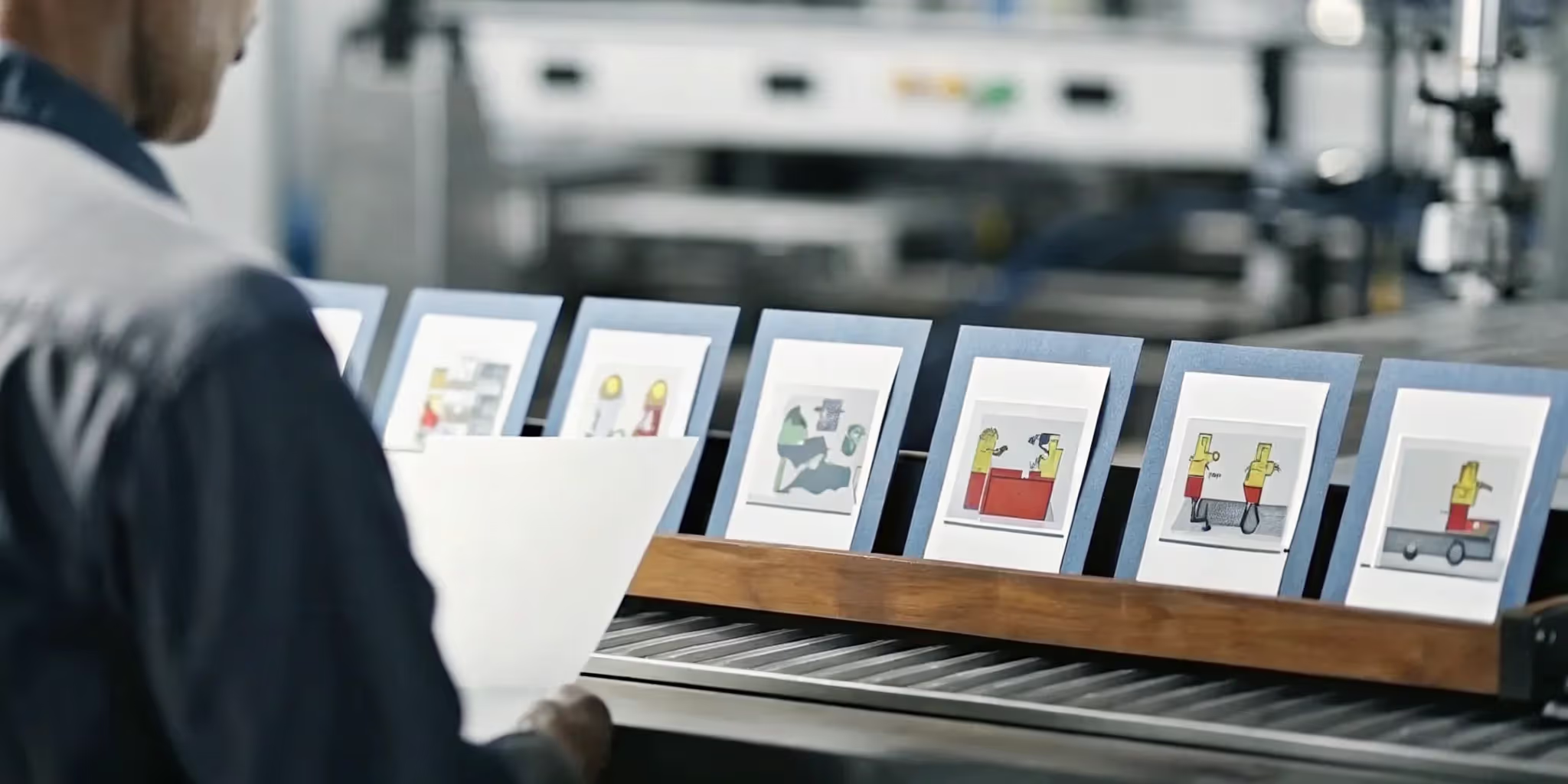
Are you looking for a practical, visual way to manage tasks, track progress, and foster a culture of continuous improvement within your team? Kamishibai boards, a key element of kamishibai lean, offer a powerful solution. This time-tested method, originating in Japan, provides a structured framework for managing routine checks, audits, and standard work processes. By visualizing workflows and using a simple red-green card system, Kamishibai boards make it easy to identify bottlenecks, deviations from standard procedures, and areas for improvement. In this comprehensive guide, we'll explore the origins and principles of Kamishibai, provide a step-by-step guide for implementation, and share best practices for conducting effective audits. We'll also discuss how digital Kamishibai solutions are revolutionizing lean manufacturing, offering enhanced functionality and broader applications across various industries.
Key Takeaways
- Visualize and manage tasks effectively with Kamishibai boards: This simple system helps teams track progress, maintain accountability, and ensure adherence to standard procedures, especially for routine checks and audits.
- Implement Kamishibai strategically for optimal results: A structured approach, from planning and training to consistent use and regular review, is key. Address deviations promptly and integrate Gemba walks to maximize effectiveness. Consider digital solutions for enhanced functionality.
- Extend Kamishibai's benefits across your organization: The principles of visual management and continuous improvement apply to various industries and processes. Foster team engagement and address implementation challenges to streamline operations and drive efficiency.
What is Kamishibai in Lean Manufacturing?
Kamishibai is a visual management tool used in Lean manufacturing to communicate important processes and performance metrics. Think of it as a scheduling and tracking system that helps teams stay organized and ensures everyone is on the same page. It’s a simple but powerful way to manage tasks, track progress, and drive continuous improvement.
Origins and Purpose
Originating in Japan, Kamishibai boards were initially used to schedule and track key work routines and tasks within the Toyota Production System (TPS). These boards quickly became a vital tool for manufacturers looking to implement lean principles. The purpose of Kamishibai is to provide a clear, visual representation of work processes, making it easy to identify potential bottlenecks, deviations from standard work, and areas for improvement. This visual approach helps teams quickly understand their responsibilities and track progress towards goals.
Key Components
Kamishibai boards are visual control systems designed to manage tasks and ensure standard work processes are followed. They offer a straightforward way to track progress using a simple red-green card system. The red side of the card indicates an incomplete task, while the green side signals completion. This visual system makes it easy for team members to see what needs to be done and quickly assess the status of each task. By structuring task allocation and sequencing, Kamishibai boards support the principles of lean manufacturing by minimizing waste and improving workflow. This ultimately contributes to a more efficient and productive work environment.
How Kamishibai Boards Work
Kamishibai boards act as a visual control center for your team's tasks and processes, ensuring everyone stays informed and aligned. Think of it as a dynamic schedule, clearly showing what needs to be done, who's responsible, and associated deadlines. This visual clarity makes it easy to spot potential bottlenecks or areas for improvement.
Set Up a Kamishibai Board
Setting up a kamishibai board is straightforward. You'll need a physical board—a whiteboard, magnetic board, or even a designated wall space. Organize the board with clear headings for different areas, shifts, or teams. This structure makes it easy to see the workflow at a glance. Each task or process is represented by a card placed in a designated spot on the board. This physical layout supports lean principles by minimizing wasted time and improving the overall flow of work.
Types of Cards
The cards themselves are the core of the kamishibai system. Typically, they're double-sided, with one side red and the other green. Red indicates an incomplete task, while green signals completion. This simple visual cue makes it easy to track progress and identify any roadblocks. Beyond the basic red-green system, you can customize cards to include more detailed information, such as task descriptions, deadlines, and assigned personnel.
Visual Management Techniques
Kamishibai boards leverage visual management techniques to make complex processes easily understandable. The red-green card system provides an immediate overview of task status, allowing managers to quickly assess progress during their Gemba walks. This visual system enhances accountability and ensures that standard work processes are followed, reducing compliance issues. By visualizing data in this way, kamishibai boards help workers quickly identify variations in the production process, enabling timely intervention and continuous improvement.
Benefits of Kamishibai in Lean
Kamishibai boards offer several advantages for lean manufacturing, boosting efficiency, transparency, and continuous improvement efforts. Let's explore some key benefits:
Improve Operational Efficiency
Kamishibai boards are visual control tools designed to streamline processes and improve operational efficiency. By clearly structuring task allocation and sequencing, these boards minimize waste and improve workflow. They provide a visual representation of the standard work process, ensuring everyone understands their responsibilities and the order of operations. This structured approach helps reduce errors, prevent delays, and optimize resource utilization, ultimately leading to smoother, more efficient operations. Think of it as a visual checklist that keeps everyone on the same page and helps identify bottlenecks quickly. This visual management system contributes significantly to minimizing waste, a core principle of lean manufacturing.
Enhance Communication and Transparency
Kamishibai boards significantly enhance communication and transparency within a team. The simple red-green card system provides a clear, visual indicator of task status. A red card signals an incomplete task, while a green card indicates completion. This visual cue makes it easy for everyone, from team members to managers, to understand the progress of work at a glance. This visual management system fosters accountability by making task ownership and completion status transparent to the entire team. Managers can easily monitor progress during Gemba walks, quickly identifying any roadblocks or areas needing attention.
Support Continuous Improvement
Kamishibai boards are powerful tools for driving continuous improvement. By visualizing different processes along the production line, managers can identify areas for optimization. The regular review process inherent in the Kamishibai system encourages ongoing evaluation and refinement of standard work. This focus on continuous improvement helps teams identify and eliminate waste, streamline processes, and enhance overall productivity. Kamishibai boards provide a framework for identifying and addressing deviations from the standard, leading to incremental improvements over time. Regularly reviewing the effectiveness of your Kamishibai board and seeking opportunities for improvement is crucial for long-term success. For a deeper dive into how Kamishibai supports visualization in production, explore this resource.
Implement Kamishibai Boards: A Step-by-Step Guide
This section provides a practical, step-by-step guide to implementing Kamishibai boards in your workplace. By following these steps, you can ensure a smooth and successful integration of this valuable lean tool.
Plan Your Kamishibai System
Start by defining the scope of your Kamishibai system. Ask yourself which processes you want to monitor and what specific checks or audits you'll perform. Clearly outlining your objectives and the problems you’re trying to solve will guide your implementation. Consider factors like team size, the frequency of checks, and the type of data you'll collect. This initial planning phase ensures your Kamishibai board aligns with your overall operational goals, equipping your team with the tools they need for success. Just like any successful project, a well-defined plan sets the stage for a successful Kamishibai implementation. Explore Weever's Ultimate Guides for more insights into planning and implementing process improvements.
Design and Create the Board
The design of your Kamishibai board should be clear, visual, and easy to understand. Think about the physical location of the board—it should be highly visible and accessible to everyone involved. Organize the board logically to reflect the workflow you’re monitoring. Use clear labels, color-coding, and visual cues to represent different stages, tasks, or metrics. The goal is to create a visual management tool that quickly communicates the status of each check or audit. Consider a digital Kamishibai board for added flexibility and real-time updates, which can streamline communication and data collection.
Train Team Members
Proper training is essential for the successful adoption of any new system. Explain the purpose of the Kamishibai board, how it works, and the roles and responsibilities of each team member. Provide clear instructions on how to perform checks, record data, and escalate issues. Hands-on training and practice sessions can help team members become comfortable using the board and understand its value. Weever's customer success resources offer support and training materials to help your team effectively use digital tools for continuous improvement.
Conduct Effective Audits
Kamishibai boards are highly effective for conducting regular audits and checks. Establish a clear audit schedule and assign responsibility for each check. Use the board to track the completion of audits, identify any deviations from standard procedures, and document corrective actions. Regularly review the data collected to identify trends, areas for improvement, and opportunities to streamline processes. Learn how other businesses have improved their audit processes and driven continuous improvement with Kamishibai boards through Weever's case studies.
Best Practices for Kamishibai Audits
Effective Kamishibai audits depend on a structured approach, prompt action, and regular checks. These best practices will help you maximize the impact of your Kamishibai system.
Structure Your Audit Process
A well-structured audit process is the foundation of a successful Kamishibai system. Clearly defined roles and responsibilities ensure accountability. Documenting the audit process, including the frequency, scope, and metrics, creates a standardized approach. This structured approach, as highlighted in resources like SixSigma's guide on Kamishibai boards, minimizes waste and improves the flow of information. Consider using a checklist to guide auditors and ensure all key areas are covered during each check. This promotes consistency and thoroughness.
Take Immediate Action on Deviations
Kamishibai audits provide real-time insights into process adherence. When deviations occur, swift action is crucial. Address them immediately to prevent larger issues. Lean Transition Solutions explains how using Kamishibai cards for audits allows teams to quickly identify areas for improvement and address deviations. Assign responsibility for corrective actions and establish a clear follow-up process to ensure issues are resolved effectively and prevent recurrence. This proactive approach helps maintain process control.
Conduct Regular Gemba Walks
Regular Gemba walks are essential for a thriving Kamishibai system. These walks, conducted at the actual place of work, provide firsthand insights into processes and potential issues. Combine Gemba walks with your Kamishibai audits to visually verify adherence to standards. SixSigma emphasizes how Kamishibai boards support Gemba walks by visualizing workflows. Use these walks to engage with team members and gather feedback. Regular Gemba walks ensure your Kamishibai system remains relevant and effective.
Foster Team Engagement with Kamishibai
Kamishibai isn’t just about cards and boards; it’s about people. To fully realize its benefits, you need to foster a culture of engagement and ownership within your team. This ensures the system thrives and contributes to continuous improvement.
Create a Culture of Participation
Kamishibai boards work best when everyone participates. These visual control tools streamline processes and improve operational efficiency by clearly outlining task allocation and sequencing. This structured approach minimizes waste and ensures consistent monitoring and execution of necessary processes, aligning with the core principles of lean manufacturing. When team members understand the “why” behind the system and see their role in its success, they’re more likely to embrace it. Involve your team in the initial setup of the Kamishibai board, including defining the audit process, designing the cards, and establishing the audit schedule. This collaborative approach creates a sense of ownership from the start.
Encourage Input and Feedback
Regularly review the effectiveness of your Kamishibai system and look for ways to improve it. Create a feedback loop where team members can share their observations, suggest changes, and highlight any challenges. This open communication ensures the Kamishibai board remains relevant and adapts to evolving needs. Consider a suggestion box near the board or regular team meetings to discuss the process. Weever’s platform can also facilitate this feedback process by enabling real-time communication and data collection.
Celebrate Improvements
Recognizing and celebrating successes is crucial for maintaining team morale and motivation. When you see positive changes from the Kamishibai system, acknowledge the team’s efforts. This could be a simple verbal acknowledgment or a team celebration. Highlighting improvements, no matter how small, reinforces the system’s value and encourages continued participation. Share success stories and data-driven results during team meetings or company newsletters. Use Weever’s reporting dashboards to track progress and visualize the impact of your Kamishibai implementation. Celebrating wins together builds momentum and fosters a culture of continuous improvement.
Overcome Challenges in Kamishibai Implementation
Implementing a Kamishibai system offers significant advantages, but like any new process, it can present challenges. Proactively addressing these hurdles is key to a successful rollout and long-term effectiveness.
Address Resistance to Change
People are naturally resistant to change. Introducing a new system like Kamishibai can trigger uncertainty and apprehension among team members. Clearly communicating the benefits of Kamishibai, such as increased process visibility and improved teamwork, is crucial. Highlight how it simplifies tasks and reduces errors, ultimately making their jobs easier. Actively involve your team in the planning and implementation phases to foster a sense of ownership and reduce pushback. Weever's platform can streamline communication and provide a centralized hub for feedback, making it easier to address concerns and demonstrate the system's value. See how other companies have successfully managed change with Weever.
Ensure Consistent Use
A well-designed Kamishibai board is only effective if used consistently. Establish clear guidelines and procedures for using the board, including card handling, audit frequency, and follow-up actions. Regularly review the system's effectiveness and make adjustments as needed. Integrating Kamishibai with a digital platform like Weever can automate reminders, track progress, and provide real-time data, ensuring consistent execution and accountability.
Manage Information Overload
While Kamishibai promotes transparency, too much information can become overwhelming. Focus on the most critical information and avoid cluttering the board with unnecessary details. Use clear and concise visuals and organize cards logically to facilitate quick understanding. Weever's document management features can help streamline information flow and ensure teams access only the most relevant data, preventing information overload and promoting efficient audits. See how our ROI calculator can demonstrate the value of streamlined processes.
Kamishibai vs. Other Lean Tools
Compare Kamishibai and Kanban
While both valuable tools in Lean manufacturing, Kamishibai boards and Kanban boards serve distinct purposes. Kanban boards visualize workflow, highlighting bottlenecks and promoting transparency. They track work items from beginning to end, providing a clear picture of project status. Think of a Kanban board as a project management tool, showing the flow of tasks. In contrast, a Kamishibai board, using its color-coded card system, focuses on ensuring routine tasks—like quality checks or safety audits—are performed consistently. Kamishibai boards act as a checklist to verify essential activities are completed. The red-green card system clearly signals whether a task is pending or finished, providing immediate visual confirmation. This distinction makes Kamishibai particularly effective for managing recurring checks and procedures, while Kanban excels at managing project workflows. Learning more about Kamishibai boards will help you choose the right tool.
Integrate Kamishibai with Existing Lean Practices
Kamishibai boards aren't meant to replace your existing Lean tools; they enhance them. They seamlessly integrate with other Lean practices, contributing to a more robust and effective system. For example, you can use Kamishibai to support 5S audits, ensuring workplaces are organized and standardized. Similarly, they can reinforce Behavior Based Safety programs by providing a visual checklist for safety procedures. By incorporating Kamishibai into your current Lean manufacturing strategy, you create a multi-layered approach to continuous improvement. Regularly review the effectiveness of your Kamishibai system and look for ways to refine it. Continuous improvement is key to maximizing the benefits of any Lean tool. Consider using a digital solution like Tulip to streamline data collection and further automate your processes, connecting your Kamishibai board with real-time information from your operations. Weever can also help digitize and automate your Kamishibai checks, providing real-time insights and facilitating team collaboration. Learn more about how Weever supports continuous improvement initiatives and explore our customer success stories.
The Future of Kamishibai in Lean
While the traditional Kamishibai board with its physical cards remains a valuable tool, the future of Kamishibai leans toward digital solutions. These digital tools offer enhanced functionality and broader applications across various industries.
Digital Kamishibai Solutions
Traditional Kamishibai boards, while effective, have limitations. Managing physical cards can be cumbersome, especially for large organizations or complex processes. Recognizing these limitations, many manufacturers are adopting digital solutions. Software platforms designed for layered process audits offer greater efficiency and scalability compared to manual methods. A digital system streamlines everything from scheduling audits and tracking progress to documenting findings and generating reports. This shift to digital not only simplifies administration but also improves process visibility and allows for real-time data analysis. Platforms like Tulip enable manufacturers to create an ecosystem of applications, automating data collection across various shop floor activities. This integration of data empowers businesses to make more informed decisions and drive continuous improvement efforts. Weever, with its focus on connecting frontline workers and automating tasks, offers a robust platform for managing digital Kamishibai audits, including features for photo and video capture, eSignatures, and real-time reporting dashboards.
Expand Applications Across Industries
Kamishibai's principles of visual management and process control extend beyond manufacturing. While its roots lie in the Toyota Production System, the core concepts of Kamishibai—standardized work, regular audits, and continuous improvement—are applicable across diverse sectors. From healthcare and hospitality to construction and education, any industry that relies on structured processes can benefit from implementing Kamishibai methodologies. In healthcare, for example, Kamishibai boards can be used to manage safety checklists or track patient rounds. In construction, they can help ensure adherence to building codes and safety regulations. The flexibility of Kamishibai allows it to adapt to various needs, making it a versatile tool for improving operational efficiency and communication. For more insights into how Weever supports various industries, check out our customer success stories.
Related Articles
- What is Lean Manufacturing? | Weever
- 5S Audits: Boosting Efficiency in Lean Manufacturing | Weever
- Top 5S benefits for manufacturing companies | Weever
- Autonomous Maintenance in World Class Manufacturing | Weever
- Exploring Autonomous Maintenance: A Comprehensive Guide | Weever
Frequently Asked Questions
What exactly is a Kamishibai board? It's a visual scheduling and tracking system used in Lean manufacturing to manage tasks and ensure standard work processes are followed. It's a simple way to see what needs to be done, who's responsible, and when it's due, using a red-green card system to show progress. Red means incomplete, green means done.
Why should I use Kamishibai boards instead of a to-do list or software? Kamishibai boards offer a highly visual and collaborative approach to task management. The physical board, with its color-coded cards, provides an at-a-glance overview of work status, making it easier to spot potential bottlenecks and keep everyone on the same page. This visual aspect is especially helpful in busy work environments where quick communication is key. While software and to-do lists can be useful, they often lack the immediate visual impact and collaborative nature of a Kamishibai board.
How do I get my team on board with using a Kamishibai system? Start by clearly explaining the purpose and benefits of the system, emphasizing how it can simplify their work and improve team communication. Involve your team in setting up the board and defining the audit process. This creates a sense of ownership and encourages active participation. Early successes with the system, even small ones, should be acknowledged and celebrated to build momentum and reinforce its value.
Is Kamishibai only for manufacturing companies? Not at all! While it originated in manufacturing, the principles of Kamishibai – standardized work, regular checks, and continuous improvement – can be applied to any industry that relies on structured processes. Think healthcare, hospitality, construction, even education. Anywhere you have routine tasks or procedures that need to be consistently performed, Kamishibai can be a valuable tool.
Are physical Kamishibai boards outdated? Should I go digital? Physical boards are still useful, especially for smaller teams or simpler processes. However, digital Kamishibai solutions offer several advantages, including automated reminders, real-time data analysis, and easier reporting. Digital platforms can also integrate with other systems, streamlining information flow and enhancing overall efficiency. Consider your specific needs and resources when deciding whether a physical or digital system is right for you.

T-Card Racks: A Simple Guide to Visual Management
Tired of complex project management software and endless spreadsheets? Sometimes, the most effective solutions are the simplest. The t-card rack system, a time-tested visual management tool, offers a refreshing alternative to digital complexity. This post delves into the world of t-card racks, exploring their benefits, functionalities, and applications across various industries. We'll cover everything from the basic components of a t-card system to the different types of racks available, helping you choose the right one for your specific needs. We'll also compare t-card racks to digital tracking systems, discuss the pros and cons of each, and offer practical tips for implementation and maintenance. Whether you're managing a production line, overseeing a construction project, or coordinating a team, this post will provide valuable insights into the power and simplicity of the t-card rack.
Key Takeaways
- Visualize your workflow: T-card racks provide a clear, visual overview of tasks and projects, simplifying management across various industries. Consider factors like size, material, and customization options when choosing a rack.
- Choose the right system: Physical T-card racks offer simplicity and reliability, while digital systems provide flexibility and real-time data. Select the system that best aligns with your team's needs and technical capabilities.
- Plan for success: Clearly define what each card represents, train your team effectively, and regularly update the information to ensure your T-card system remains accurate and valuable. Integrate the system with your existing processes for optimal results.
What is a T-Card Rack?
T-Card System Basics
The T-card system is a straightforward, visual method for tracking and managing tasks, projects, or even people. Think of it as a physical, low-tech version of project management software. Each T-shaped card holds key information about a specific item or task. These cards slot into a rack, creating a visual overview of your workflow. Originally used to track personnel in industries like offshore oil and gas (source), T-card systems have evolved and now offer a tangible way to see the status of different parts of a project, making it easy to identify bottlenecks or areas needing attention. For a deeper look at T-card system workflows, check out this helpful article.
T-Card Rack Components
The core component of any T-card system is the rack itself. These racks provide the "visual control" that makes the system so effective. They typically consist of rows and columns of slots designed to hold the T-cards. The size and configuration of the rack vary depending on the number and size of the T-cards you need. You can find racks designed for different T-card sizes (#2, #3, or #4), allowing you to customize the system. For example, a heavy-duty canvas rack might be perfect for a busy manufacturing floor, while a smaller, wall-mounted rack could suit a smaller office. The flexibility of these racks contributes to their widespread use.
Key T-Card Rack Features and Specs
When choosing a T-card rack system, consider these key features to ensure it fits your team’s needs. From capacity and material to customization options, the right rack can make all the difference in your visual management success.
Size and Capacity
T-card racks come in various sizes and capacities. A smaller rack might work for a team of five managing a few dozen tasks, while larger teams or more complex projects may need a higher capacity system. For example, some heavy-duty canvas T-card racks can hold almost 200 T-cards across six columns. If you need even more capacity, metal racks are available in configurations that hold up to 400 cards. Consider the number of tasks, projects, or team members you need to track when deciding on the right size.
Material and Durability
Durability is key, especially in busy environments. Look for racks made from sturdy materials like metal with a durable powder coat finish. These metal T-card racks are built to withstand daily wear and tear and are available in various colors to match your workspace. If portability is important, consider a lighter-weight option like a canvas rack, offering the flexibility to fold and store when not in use.
Customization
A good T-card rack system should be adaptable to your specific workflow. Look for features like customizable column lengths. Some T-card holders offer add-on sections, allowing you to expand your system as your needs evolve. If your team prefers a digital-first approach, consider a digital T-card system for features like automated reporting and real-time updates.
Benefits of T-Card Racks for Visual Management
T-card racks offer a straightforward, visual way to manage tasks, track progress, and improve communication. Their simplicity makes them a powerful tool in many settings. Let's explore some key benefits:
Simplicity and Ease of Use
One of the biggest advantages of T-card racks is their user-friendliness. The system is incredibly simple: a card represents a task, project, or individual, and its position on the rack indicates its status. This visual clarity eliminates confusion and requires minimal training. As Identec Solutions points out, the T-card system is "a simple manual system...It gets its name from the cards in a T-shape used in the system." This simplicity makes it easy to implement and maintain, even in busy environments. Anyone can quickly glance at the rack and get an immediate understanding of the current situation.
Immediate Visual Feedback
T-card racks provide instant visual feedback on the status of various tasks or projects. This real-time information is invaluable for identifying bottlenecks, tracking progress, and making quick decisions. The clear visual cues allow team members to see what needs attention, who is responsible, and what the next steps are. This immediate overview, as highlighted by Identec Solutions, is "crucial during emergencies," but its value extends to everyday operations as well, promoting efficiency and accountability.
Reliable Tech-Free Tracking
In a world increasingly reliant on technology, T-card racks offer a refreshing alternative. They require no software, servers, or internet connectivity, making them a reliable solution even in environments with limited technology or harsh conditions. This tech-free approach also eliminates the risk of data loss due to software glitches or power outages. Identec Solutions notes the system's popularity stems from its "simplicity, reliability in harsh conditions, and independence from electronics and internet connectivity." This inherent simplicity also makes T-card systems remarkably cost-effective, requiring minimal investment.
T-Card Racks vs. Digital Tracking: Which is Right for You?
Choosing between a physical T-card rack and a digital tracking system depends entirely on your specific needs and work context. Both systems have unique advantages, and understanding these will help you make the informed decision for your team.
Advantages of Physical T-Cards
Sometimes, simple is best. Physical T-card racks offer a straightforward, visual approach to tracking. Their simplicity makes them incredibly easy to implement and understand, requiring minimal training. This ease of use is especially valuable in fast-paced environments demanding quick decisions. T-card systems are also famously reliable, even in challenging conditions. Because they don't rely on internet connectivity or power, they're a dependable choice for remote locations or situations where technology might fail. This robustness is a key reason T-cards remain popular in industries like offshore oil and gas, where reliable tracking is paramount. The low cost and portability of physical T-card racks also make them attractive for smaller businesses or those with limited budgets. For simple tracking needs, a physical T-card system can be a practical and effective solution.
When to Choose Digital
While physical T-card racks offer simplicity and reliability, digital tracking systems provide flexibility and scalability that traditional methods can't match. Digital systems allow for real-time updates and automated reporting, streamlining workflows and providing immediate operational insights. This real-time data is invaluable for identifying bottlenecks, optimizing processes, and making data-driven decisions. Digital T-card systems also offer greater customization, allowing you to tailor the system to your specific workflow and integrate with other business tools. If your business requires complex tracking, detailed reporting, or integration with existing project management software, a digital T-card system is likely the better choice. Weever, for example, offers a robust digital platform designed to streamline frontline tasks, improve communication, and drive continuous improvement. Explore Weever's features and see how they can benefit your business.
Where T-Card Racks Shine
T-Card racks offer a straightforward, visual way to manage tasks and workflows. Their flexibility makes them a valuable tool across diverse industries. Let's explore some specific areas where T-Card racks truly excel.
Manufacturing and Production
In manufacturing, T-card systems provide a powerful visual management solution for production lines. Teams can easily allocate tasks, track real-time progress, and manage overall workflows with a quick glance at the T-card rack. This visual clarity keeps everyone on the same page and helps identify potential bottlenecks or delays.
Construction and Project Management
Construction and project management often involve many moving parts. T-card racks bring order to this complexity by offering a flexible system for organizing tasks and tracking progress. Teams can visualize project workflows, ensuring every task is accounted for and deadlines are met. This visual approach simplifies project oversight and improves overall project efficiency.
Healthcare and Patient Tracking
Even healthcare settings benefit from the simplicity and reliability of T-Card systems. They offer a low-cost solution for tracking patient flow and managing personnel, particularly in environments where real-time visibility is crucial. The system's adaptability makes it suitable for various healthcare applications, from managing staff schedules to tracking patient progress.
Logistics and Supply Chain
In the fast-paced world of logistics and supply chain management, efficiency is key. Digital T-Card systems offer enhanced visibility and smarter task management, leading to improved operational efficiency and greater accountability. By streamlining workflows and providing real-time updates, these systems help keep supply chains moving smoothly and minimize disruptions.
Choosing the Right T-Card Rack
Picking the right T-Card rack comes down to understanding your needs and how the rack will fit into your existing processes. Here’s what to consider:
Assess Your Workflow
Before you start browsing T-Card racks, map out your current workflow. How do tasks flow through your team? Where are the bottlenecks? Visualize how a physical representation of your workflow would improve visibility and efficiency. A T-Card system acts as a visual workflow management tool, allowing teams to manage tasks using cards on a board. Consider the number of tasks or items you need to track and how often those change. This helps determine the size and capacity of the rack you need. If your team uses a specific project management method like Kanban, look for racks that complement that style.
Consider Space and Scalability
Space is a practical matter. Measure the area where you’ll place the rack. T-Card racks come in various sizes to accommodate different T-cards, so factor in those dimensions. Think about future growth, too. Will you need to track more items later? Choose a rack with flexibility for expansion or consider a modular system that lets you add sections as needed.
Evaluate Existing Process Integration
Think about how your new T-Card rack will work with your existing tools and processes. If you already use a digital project management system, a digital T-Card system might offer better coordination with your task lists and documents. Consider whether you need a simple, standalone rack or one that integrates with software. This is especially important for reporting or data analysis. Think about how information will flow between the physical rack and any digital tools you use.
Popular T-Card Rack Brands
Several established brands offer a variety of T-Card racks and systems, each with its own strengths. Understanding their offerings can help you choose the best fit for your specific needs.
Magnatag
Magnatag offers a robust selection of T-Card systems, including their signature T-Scan® Visible Card Display System. This system cleverly combines the immediate visibility of a magnetic board with the detailed information provided by a card file. The slotted panels and die-cut T-Cards make for a highly organized and efficient system. Magnatag offers a range of sizes to accommodate various card capacities, from smaller systems holding 58 cards up to larger ones capable of managing 1160 cards. You can explore their T-Card systems to find the perfect fit for your workplace.
Nobo
Known for high-quality visual communication products, Nobo provides whiteboards and notice boards adaptable for T-Card use. Their boards are designed for dynamic environments, allowing for easy writing and erasing as information changes. While not specifically designed as T-Card racks, their versatile boards offer a flexible solution for teams looking to incorporate T-Cards into their existing visual management setup. This adaptability can be particularly useful for teams already using Nobo products.
Bi-Office
Bi-Office offers a practical range of visual management tools, including cork boards and magnetic boards that can easily be incorporated into a T-Card system. This focus on versatility and ease of use makes their product line a good option for teams looking for straightforward solutions to organize and display information effectively using T-Cards. Their simplicity can be a real asset for smaller teams or those new to visual management.
Quartet
Quartet specializes in presentation and display products, and their durable dry-erase boards can be adapted for T-Card applications. Known for their ease of use and durability, Quartet boards are a popular choice for various settings, from offices to educational environments, offering a reliable surface for T-Card displays. Their durability makes them a good investment for high-traffic areas.
Ghent
Ghent provides a variety of visually appealing display products, including fabric boards and whiteboards suitable for adapting to T-Card systems. Their focus on quality and aesthetics makes their boards a good fit for professional environments where presentation matters, offering a polished way to incorporate T-Cards into your visual management strategy. Consider Ghent if a clean, professional look is a priority.
T-Card Rack Pricing and Where to Buy
Finding the right T-card rack means balancing features, quality, and price. Luckily, options are available for every budget and need, from simple, economical solutions to more robust, premium systems.
Budget-Friendly Options
If you're just starting with visual management or need a basic, portable solution, several budget-friendly T-card racks are available. These racks offer a straightforward, cost-effective way to track resources and tasks. For smaller teams or projects where simplicity is key, a basic rack from a supplier like IMT Gear might be the perfect fit.
Premium Systems
For larger operations or those requiring more advanced features, investing in a premium T-card rack might be worthwhile. These systems often offer higher capacity, more durable construction, and additional features. For example, the Better Way, Inc. Portable T-Card Rack on Amazon includes a large quantity of cards in various colors, offering a complete solution right out of the box.
Online and Physical Retailers
T-card racks are readily available from various online and physical retailers. Online marketplaces like Amazon offer a wide selection and customer reviews. Specialty suppliers like T-Card Supplies offer a comprehensive range of racks, strips, and accessories. For a portable option, consider their canvas T-card rack, designed for easy transport and storage. Checking with local office supply stores can also be helpful for seeing options in person.
Implementing and Maintaining Your T-Card Rack
Getting your T-card system up and running smoothly involves a few key steps. From initial setup and staff training to ongoing maintenance, a proactive approach ensures your T-card rack remains a valuable tool for visual management.
Set Up Your System
Start by clearly defining what each T-card represents. Whether it's a specific task, work order, or item, clarity is key. Think of your T-card system as a visual workflow management tool. Each card becomes a virtual representation of a real-world process, moving across the board as progress is made. This allows teams to manage tasks and track progress in real time. Organize your T-card rack logically, grouping similar tasks or projects together for easy access and visibility. Establish clear procedures for how and when team members update the cards, ensuring everyone is on the same page. For a helpful overview of how this system works, Lean Transition Solutions offers more information on their T-Card software blog.
Train Your Staff
Introducing any new system requires proper training. Provide your team with comprehensive training on how to use the T-card rack effectively. Explain the purpose of the system, how to interpret the cards, and the steps for updating them. Addressing any questions or concerns upfront will mitigate resistance and encourage adoption. Hands-on practice with the system will build confidence and ensure everyone understands their role in maintaining its accuracy. For more insights into successful T-card system implementation, check out this helpful LinkedIn article.
Audit and Update Regularly
Regular audits are essential to keep your T-card system aligned with your actual workflow. Review the cards, ensuring they accurately reflect current processes and priorities. A misaligned system can hinder your ability to gain crucial insights and drive continuous improvement. Regular updates also ensure the system remains relevant and useful as your business evolves. Consider incorporating feedback from your team to identify areas for improvement and streamline the process further. Lean Transition Solutions explains how a misaligned system can disrupt workflow and hinder progress.
Overcoming T-Card Rack Challenges
While T-card racks offer a straightforward approach to visual management, some common challenges can arise. Let's explore these hurdles and how to address them effectively.
Optimize Your Space
T-card systems, especially large ones, can occupy significant wall or floor space. If your facility has limited space, maximizing vertical space with vertical racking systems is key. This allows you to store more inventory or manage more projects without expanding your physical footprint. Consider tiered racks or wall-mounted systems to keep your T-cards organized and accessible without sacrificing valuable workspace. Smart layouts and clearly labeled sections will further improve efficiency and workflow.
Manage Data and Updates
Keeping your T-card information current requires a consistent process. Establish a clear system for updating cards, whether it's daily, weekly, or after each project phase. Assign responsibility for data entry and verification to specific team members to maintain accuracy and accountability. Regularly audit your T-card system to identify outdated or inaccurate information. This prevents miscommunication and ensures your visual management system reflects the current status of your operations. If you find manual updates cumbersome, consider whether a digital T-card system might be a better fit. A misaligned system without advanced KPI monitoring can hinder insights and continuous improvement. For more on choosing the right digital system, check out this helpful guide.
Integrate with Existing Workflows
For a T-card system to be truly effective, it needs to seamlessly integrate with your existing processes. Think about how your team currently manages tasks and projects. Digital T-card systems often integrate with other project management and workflow tools, enabling seamless coordination with task lists, calendars, and document repositories. If you're using physical T-cards, ensure they complement your existing documentation and communication channels. This might involve cross-referencing T-card information with digital project management software or establishing a clear process for transferring data between systems. The goal is to create a unified workflow where your T-card rack becomes a valuable component of your overall management strategy. Learn more about how T-card systems work in this overview.
Frequently Asked Questions
What's the main advantage of using a T-card rack system? It gives you a clear, visual overview of your workflow, making it easy to spot bottlenecks and see which tasks need attention. It's like a physical, low-tech project management board.
Are T-card racks only for manufacturing settings? Not at all! While they're common in manufacturing, T-card racks can be useful in many areas, from construction and project management to healthcare and even office settings. Their adaptability makes them a versatile tool for any team that needs a simple, visual way to track progress.
What if I need to track a large number of tasks or projects? T-card racks come in various sizes and configurations. You can find larger racks, wall-mounted systems, or even combine multiple racks to accommodate a higher volume of cards. If you anticipate significant growth, consider a modular system that allows you to add sections as needed.
How do I choose between a physical T-card rack and a digital system? Physical T-card racks are great for simple, visual tracking in environments where technology might be unreliable. Digital systems offer more features like real-time updates and reporting, making them a better fit for complex projects or integration with existing software. Consider your specific needs and workflow when deciding.
What are some good brands to consider when looking for T-card racks? Several reputable brands offer T-card racks and related systems. Magnatag offers a wide selection of dedicated T-card systems. Nobo, Bi-Office, Quartet, and Ghent provide boards that can be adapted for T-card use, offering flexibility and integration with their other product lines. Consider your budget, desired features, and existing office setup when choosing a brand.

The Bradley Curve (DuPont): A Guide to Workplace Safety
Safety isn't just a set of rules; it's a culture. The Bradley Curve DuPont, developed by Berlin Bradley while at DuPont, provides a powerful lens for understanding how safety cultures mature and how this maturity directly impacts accident rates. This model outlines four distinct stages, from reactive to interdependent, each with its own set of characteristics and challenges. Where does your organization fall on the Bradley Curve DuPont? This post will explore each stage in detail, providing actionable insights to help you assess your current safety culture and develop a roadmap for improvement. We'll also discuss the role of technology in implementing the Bradley Curve DuPont and how platforms like Weever can empower your team to build a safer, more productive workplace. Join us as we explore the power of the Bradley Curve DuPont and discover how you can create a safety culture that thrives.
Key Takeaways
- Assess your safety culture maturity: The Bradley Curve helps you understand your organization's current safety level by outlining four distinct stages, from Reactive to Interdependent. Identifying your current stage is the first step toward building a safer workplace.
- Drive meaningful change with practical steps: Progressing through the Bradley Curve involves fostering leadership commitment, implementing effective training, encouraging employee participation, and using data to inform decisions. These actionable steps create a culture where safety is everyone's responsibility.
- Recognize the value of a strong safety culture: A proactive approach to safety creates a ripple effect, reducing accidents and costs, boosting employee morale, and strengthening your organization's reputation. It's an investment that pays dividends across the board.
What is the Bradley Curve?
The Bradley Curve, sometimes called the DuPont Bradley Curve, helps us understand how a company's safety culture affects its accident rates. It’s a visual model showing the relationship between how mature a company's safety practices are and how often accidents happen. Think of it as a graph plotting accident severity against the number of incidents. As a company’s safety culture improves, you’ll typically see the number of accidents decrease. This model provides a framework for understanding and improving workplace safety, ultimately aiming to minimize incidents and create a safer environment.
How DuPont Developed the Bradley Curve
The Bradley Curve, also known as the DuPont Bradley Curve, helps visualize the relationship between a company's safety culture and its accident rates. Developed by Berlin Bradley in 1995 while at DuPont, the model illustrates how improving safety culture can lead to fewer and less severe accidents. It’s a valuable tool for organizations looking to improve their safety performance, much like the tools offered by Weever to enhance frontline productivity.
Bradley's Vision
Berlin Bradley recognized that human behavior plays a crucial role in workplace accidents. His vision was to create a model that not only showed the connection between safety culture and accidents but also offered a pathway for improvement. The Bradley Curve reflects this by outlining stages of safety culture maturity, each correlating to a predictable level of safety performance. The model emphasizes that a strong safety culture isn't just about following rules but about fostering a shared commitment to safety at all levels of an organization. As corporate culture shifts, so too does the frequency and severity of accidents. This aligns with Weever's focus on empowering employees and fostering collaboration for continuous improvement, as seen in their customer success stories.
DuPont's Influence on Workplace Safety
DuPont, a company with a long history of prioritizing safety, played a significant role in developing and popularizing the Bradley Curve. They recognized the model's potential to drive meaningful change in workplace safety and integrated it into their own safety programs. DuPont's success using the Bradley Curve encouraged other organizations to adopt it, solidifying its place as a leading indicator of safety culture maturity. The company's commitment to measuring and strengthening safety culture helped establish the Bradley Curve as a valuable tool for companies across various industries. The aim is to progress from a reactive approach, where safety is addressed only after incidents occur, to a proactive and interdependent culture where safety is everyone's responsibility. This proactive approach is mirrored in Weever's platform, which provides real-time insights to prevent potential issues. DuPont's influence on safety leadership is further discussed by Reliable Plant, emphasizing the importance of a strong safety culture.
The Four Stages of the Bradley Curve
The Bradley Curve illustrates how workplace safety cultures mature. Understanding these stages helps organizations assess their current safety level and plan for improvements. Let's explore each stage:
Stage 1: Reactive Safety
In a reactive safety culture, organizations primarily react to incidents after they happen. A safety manager implements changes only after an incident, an OSHA citation, or a new regulation. Workers in this environment often resist compliance, creating a negative atmosphere with high stress for everyone. Think of it as constantly putting out fires instead of preventing them. This reactive approach is costly and doesn't address the root causes of safety issues. For more insights, check out this article on measuring and strengthening your safety culture.
Stage 2: Dependent Safety
At the dependent safety stage, safety practices rely on management rules and training. Employees follow safety protocols because their supervisors tell them to, not because they genuinely value safety. While some structure exists, incident rates remain high, indicating the culture isn't fully engaged in proactive safety measures. Essentially, safety becomes a box-ticking exercise rather than an ingrained value. This article on the Bradley Curve as a roadmap offers a helpful perspective.
Stage 3: Independent Safety
In the independent safety stage, a shift occurs. Employees begin to take personal responsibility for their own safety and understand the value of safe work practices. This personal responsibility leads to a noticeable decrease in incident rates. This stage marks a move toward proactive safety, where individuals make safe choices because they want to, not just because they're told to.
Stage 4: Interdependent Safety
The interdependent safety stage represents the pinnacle of safety culture. Teams share responsibility for safety, and everyone looks out for each other. This creates a sustainable safety culture where incident rates are very low, often approaching zero. Organizations in this stage often experience additional benefits like higher quality and productivity. This article on using the Bradley Curve emphasizes how this collaborative approach creates a truly safe and productive work environment.
How the Bradley Curve Links Safety Culture and Accident Rates
The Bradley Curve, also known as the DuPont Bradley Curve, visually represents the relationship between a company's safety culture and its accident rates. It demonstrates how improvements in safety culture generally correlate with fewer incidents. This powerful model highlights how human behavior influences workplace safety and provides a roadmap for creating a safer work environment.
The Relationship Between Culture and Incidents
The Bradley Curve illustrates a strong negative correlation between incident rates and safety culture maturity. As a company's safety culture matures, accident rates tend to decline. The model emphasizes that human behavior is at the root of most workplace accidents, suggesting that by addressing cultural factors, organizations can significantly improve safety outcomes. Reaching a state of zero injuries requires a highly mature safety culture, as represented by the Interdependent stage of the curve. For more in-depth information on safety culture maturity, check out SafetyQube's insights.
Indicators at Each Stage
The Bradley Curve is divided into four distinct stages, each reflecting a different level of safety culture maturity. These stages offer clear indicators of where a company stands in its safety journey:
- Reactive: At this stage, accidents are considered inevitable, and safety practices are often reactive rather than proactive. There's a lack of a defined safety system, and incidents are addressed only after they occur. Quentic offers valuable resources on using the Bradley Curve to improve occupational safety.
- Dependent: In the Dependent stage, safety relies heavily on rules and supervision. Employees follow safety procedures primarily to avoid penalties, rather than out of genuine concern for their well-being or the well-being of others.
- Independent: This stage marks a shift towards personal responsibility. Employees begin to understand the importance of safety and actively take steps to protect themselves, recognizing that safety is their own responsibility.
- Interdependent: The Interdependent stage represents the highest level of safety culture maturity. Safety becomes a shared value, with everyone looking out for each other's well-being. This proactive approach creates a truly safe and collaborative work environment. EcoOnline provides a helpful definition of the Bradley Curve and its stages.
Advance Through the Bradley Curve Stages
Moving through the Bradley Curve’s stages takes dedicated effort and a shift in mindset. Here’s how to guide your organization toward a proactive safety culture:
Build Leadership Commitment
Leadership commitment is the bedrock of a strong safety culture. Leaders who actively champion safety initiatives and demonstrate their commitment through visible actions inspire employees to prioritize safety. This commitment goes beyond simply setting safety goals; it involves actively participating in safety programs, regularly communicating the importance of safety, and holding everyone accountable for safe practices. Learn more about how leadership involvement builds a safety culture.
Implement Effective Training
Training provides employees with the skills and knowledge they need to perform their jobs safely. Effective training programs should go beyond basic compliance requirements and address specific workplace hazards and safe work practices. Regular refresher courses and opportunities for skill development reinforce safe behaviors and keep employees up-to-date on the latest safety procedures. Explore additional resources on effective workplace training.
Encourage Employee Participation
A truly robust safety culture requires the active participation of all employees. When employees feel empowered to voice safety concerns, suggest improvements, and participate in safety committees, they become invested in creating a safer work environment. Encourage open communication and feedback, and recognize and reward employees who contribute to safety initiatives. This article discusses how to foster employee participation in safety.
Establish Clear Communication
Open and honest communication is essential for a thriving safety culture. Regular safety meetings, toolbox talks, and clear communication channels ensure that safety information is readily available to all employees. Transparency in incident reporting and investigation builds trust and helps identify areas for improvement. This article offers insights into strengthening your safety culture through communication.
Use Data-Driven Decisions
Analyzing safety data, such as incident reports, near misses, and safety audits, provides valuable insights into areas of weakness and helps track progress. Using data to identify trends and inform safety decisions allows for targeted interventions and more effective resource allocation. The DuPont Bradley Curve itself emphasizes the importance of data analysis in understanding and improving safety culture. Weever's platform can help you collect and analyze this crucial safety data, enabling you to make informed decisions and drive continuous improvement. Request a demo to see how Weever can support your safety journey.
Measure Progress Along the Bradley Curve
As you implement the Bradley Curve, regularly measuring progress is essential. This involves tracking key performance indicators (KPIs) and comparing your performance against industry benchmarks. This data-driven approach helps you understand your current safety culture stage and identify areas for improvement.
Key Performance Indicators (KPIs)
KPIs provide quantifiable metrics to track your safety performance. These metrics should align with your overall safety goals and the specific stage of the Bradley Curve you're working toward. For example, if you're in the Reactive stage, you might focus on lagging indicators like the number of accidents and lost-time injuries. As you progress to the Interdependent stage, leading indicators like employee participation in safety programs and near-miss reporting become more critical. Accurate data collection is the foundation of effective KPI tracking. Weever's reporting dashboards can help you collect and analyze this data efficiently.
Industry Benchmarking
Benchmarking involves comparing your safety performance against other organizations in your industry. This helps you understand where you stand relative to your peers and identify best practices. Several resources offer industry benchmarks for safety metrics. You can also find valuable insights through industry associations and publications. Regularly reviewing your safety performance, conducting employee surveys, performing safety audits, and benchmarking against best practices are essential for continuous improvement and advancing along the Bradley Curve. By combining internal KPIs with external benchmarks, you gain a comprehensive view of your safety program's effectiveness and identify opportunities to enhance your safety culture.
Use Technology to Implement the Bradley Curve
Technology plays a crucial role in advancing through the stages of the Bradley Curve. The right tools empower your organization to collect data, track progress, and foster a proactive safety culture. Let's explore some key technologies that can help:
Safety Management Software
Robust safety management software acts as a central hub for all your safety data. It helps track safety performance, manage incidents, and identify trends. This software facilitates a proactive approach by enabling you to spot potential hazards before they escalate into accidents. Features like incident reporting, risk assessments, and audit management streamline safety processes and provide valuable insights into your organization's safety performance.
Mobile Reporting Apps
Mobile reporting apps put the power of safety reporting directly into the hands of your employees. They can quickly and easily report hazards, near misses, and incidents in real-time, using their mobile devices. This immediacy improves hazard identification and fosters a culture of safety where employees feel empowered to actively participate. Real-time reporting also enables faster response times, mitigating potential risks more effectively.
Data Analytics Tools
Data analytics tools are essential for measuring your progress along the Bradley Curve. By collecting and analyzing data on injury rates, incident rates, and near misses, you can gain a clear understanding of your current safety standing. These tools help identify areas for improvement and measure the effectiveness of your safety initiatives. Data-driven insights enable you to make informed decisions, allocate resources efficiently, and demonstrate the return on investment of your safety program.
E-Learning Platforms
E-learning platforms offer a flexible and efficient way to deliver safety training and education to your workforce. Regular training reinforces safe practices and ensures that employees stay up-to-date on the latest safety protocols. These platforms can also track employee progress and comprehension, helping you verify that your team has the knowledge necessary to maintain a safe work environment. Consider incorporating e-learning into your safety program to build a stronger safety culture and support your journey along the Bradley Curve.
Overcome Challenges Implementing the Bradley Curve
Shifting your safety culture takes time and effort. It's normal to encounter roadblocks as you implement the Bradley Curve. Understanding these challenges upfront helps you prepare and develop strategies to overcome them.
Address Resistance to Change
People naturally resist change, especially when it involves established routines. When implementing a new safety framework like the Bradley Curve, you might encounter pushback from employees. Some may be skeptical, while others might feel the new procedures are unnecessary or cumbersome. Open communication is key to addressing this resistance. Clearly explain the reasons behind the change, the benefits it will bring, and how it will impact their daily work. Provide comprehensive training on the Bradley Curve principles and ensure everyone understands their roles and responsibilities. Focus on continuous improvement and demonstrate how the new approach makes their jobs safer and more efficient. Weever’s platform can streamline communication and training, ensuring consistent messaging and easy access to resources.
Manage Resource Constraints
Implementing the Bradley Curve effectively may require resources like funding for new equipment, technology, or training programs. You might also face limitations in staffing, especially if you need dedicated safety personnel. Prioritize safety initiatives based on their potential impact and look for innovative solutions to maximize the use of available resources. For example, Weever’s ROI calculator can help you demonstrate the financial benefits of a strong safety culture, justifying investments in safety programs. Leveraging technology can also optimize resource allocation by automating tasks and reducing administrative overhead. Explore Weever's case studies to see how other companies have successfully managed resource constraints while improving safety.
Maintain Momentum
Sustaining a positive safety culture requires ongoing effort. After the initial enthusiasm of implementing the Bradley Curve fades, it's easy for progress to stall. Regularly review safety performance, conduct employee surveys, and perform audits to identify areas for improvement. Benchmark your performance against industry best practices to stay informed about the latest safety advancements. Continuous engagement with employees is crucial. Encourage feedback, recognize achievements, and celebrate milestones to reinforce the importance of safety and maintain momentum. Weever’s reporting dashboards provide real-time insights into safety performance, making it easier to track progress, identify trends, and make data-driven decisions. This data visibility helps keep safety top of mind and demonstrates the ongoing value of the program. Connect with Weever's customer success team for guidance and support in maintaining long-term momentum.
Long-Term Benefits of a Strong Safety Culture
Building a robust safety culture isn't just about checking boxes—it's an investment with significant long-term returns. A proactive approach to safety creates a ripple effect, positively impacting everything from your bottom line to employee morale. Let's explore some of these key benefits:
Reduce Accidents and Costs
The link between a strong safety culture and fewer accidents is well-established, as visualized by the Bradley Curve. As your organization progresses through the stages of safety maturity, accident rates tend to decline. This decrease directly translates to lower costs associated with incident investigations, workers' compensation claims, medical expenses, and potential legal issues. Fewer accidents also mean less downtime and disruption, keeping your productivity on track.
Improve Employee Morale and Productivity
When employees feel safe and valued, their morale and productivity soar. A workplace that prioritizes safety demonstrates a commitment to employee well-being, fostering trust and respect. This positive environment encourages greater engagement, collaboration, and a sense of ownership, ultimately leading to improved overall business performance. Employees who feel secure in their work environment are more likely to focus on their tasks and contribute effectively. Check out some of Weever's customer success stories to see how improved safety has benefited other organizations.
Enhance Organizational Reputation
A strong safety record speaks volumes about your organization's values. It enhances your reputation among customers, partners, investors, and the wider community. Demonstrating a genuine concern for employee well-being builds trust and credibility, attracting top talent and strengthening your brand image. In a competitive landscape, a positive safety reputation can be a significant differentiator.
Improve Overall Business Performance
Ultimately, a strong safety culture contributes to a healthier bottom line. By reducing accident-related costs, improving productivity, and enhancing your reputation, you create a more efficient, resilient, and profitable organization. Investing in safety isn't just a cost—it's a strategic move that strengthens your entire operation. A culture of safety fosters a more engaged and productive workforce, leading to higher quality work and increased efficiency. Consider exploring Weever's Ultimate Guides for more insights into optimizing your operations. Request a demo to see how Weever can help you achieve these benefits.
The Future of Safety Culture
Emerging Trends in Workplace Safety
As companies prioritize a strong safety culture, we see a growing trend of integrating technology into safety practices. This includes using data analytics, wearable safety devices, and mobile applications that improve real-time communication and incident reporting. These tools empower employees to actively participate in safety initiatives and provide valuable data for proactive risk management. The shift toward a more proactive safety culture is also evident, with organizations focusing on employee engagement and empowerment as key components of their safety strategies. This approach emphasizes creating an environment where employees feel responsible for their own safety and that of their colleagues. For more on how to leverage technology to improve safety outcomes, explore Weever's features designed for the connected worker.
Adapt the Model for Modern Workplaces
To effectively adapt the Bradley Curve model for the modern workplace, organizations should focus on integrating technology and employee engagement strategies that foster a proactive safety culture. This includes leveraging digital tools to facilitate communication, deliver engaging training, and promote a sense of shared responsibility. The future of safety culture will likely involve a blend of traditional safety practices with innovative approaches that prioritize mental health and well-being, recognizing that a holistic view of safety is essential for overall workplace health. Platforms like Weever can play a crucial role in this evolution by providing the tools and insights needed to create a truly interdependent safety culture. See how Weever helps companies transform their safety culture in these case studies.
Related Articles
- Essential Safety Observations for Construction Sites | Weever
- Behavior-Based Safety: A Brief History | Weever
- How to Celebrate Safety in Your Workplace | Weever
- The Power of Positive Safety Observations | Weever
- Peer-to-Peer Safety Observations: Fostering a Safety Culture | Weever
Frequently Asked Questions
How can I tell what stage of the Bradley Curve my company is currently in? Look at how your company handles safety. If you mostly react to accidents after they happen, you're likely in the Reactive stage. If safety depends mainly on managers enforcing rules, you're probably in the Dependent stage. If your employees actively participate in safety because they understand its value, you're likely in the Independent stage. Finally, if everyone looks out for each other's safety and it's a shared responsibility, you're likely in the Interdependent stage. Consider which description best fits your organization's current approach to safety.
What's the biggest difference between the Independent and Interdependent stages of the Bradley Curve? While both stages involve employees taking ownership of safety, the key difference lies in the level of teamwork. In the Independent stage, individuals focus on their own safety. In the Interdependent stage, everyone works together, actively looking out for each other's well-being. Think of it as the difference between being a safe individual versus being part of a safe team.
Our company is stuck in the Reactive stage. Where should we start to improve? Begin by fostering a commitment to safety from the top down. Leaders need to actively champion safety initiatives and demonstrate their commitment through visible actions. This creates a trickle-down effect, encouraging employees to prioritize safety. Next, implement effective training programs that go beyond basic compliance and address specific workplace hazards. Finally, encourage open communication and employee participation in safety programs. These steps create a foundation for a more proactive safety culture.
What are some practical ways to encourage employee participation in safety? Create opportunities for employees to share their safety concerns and suggestions. This could involve regular safety meetings, suggestion boxes, or even anonymous reporting systems. Recognize and reward employees who actively contribute to safety improvements. When employees feel heard and valued, they're more likely to engage in safety initiatives. Making safety a shared responsibility empowers everyone to contribute to a safer work environment.
How can technology help us implement and track our progress on the Bradley Curve? Technology offers several tools to support your safety journey. Safety management software can centralize incident reporting and track key metrics. Mobile apps empower employees to report hazards and near misses in real-time. Data analytics tools help you identify trends and measure the effectiveness of your safety programs. Finally, e-learning platforms provide flexible and engaging safety training. These tools can streamline processes, improve communication, and provide valuable insights into your safety performance.
Incident and Accident Prevention: A Practical Guide
A safe workplace isn't built on luck; it's built on a foundation of understanding and proactive measures. One of the cornerstones of a strong safety program is understanding the difference between an incident and an accident. This post will provide clear definitions of these crucial terms and explore why using them correctly is essential for building a safety-conscious culture. We'll examine the impact of accurate terminology on reporting, response, and prevention efforts, and provide actionable steps to create a robust incident and accident management system. Get ready to empower your team and create a safer workplace by mastering the fundamentals of incident and accident management.
Key Takeaways
- Clear definitions of incidents and accidents are essential for effective safety management. Knowing the difference helps create a proactive safety culture and ensures proper reporting and response.
- A strong safety program relies on a robust incident and accident management system, comprehensive employee training, and the right technology. Digital tools and data analysis can significantly improve hazard identification and prevention.
- Regularly analyze incident and accident data to identify trends and develop targeted prevention strategies. This continuous improvement approach strengthens your safety culture and protects your employees.
What are Incidents and Accidents?
Understanding the difference between incidents and accidents is the first step toward building a safer workplace. An incident is any unplanned event that happens on the job. It might involve a near miss, property damage, or even a minor injury. Picture a slippery spill on the floor—someone could slip and fall, but if they don't, it's still an incident. An accident, however, is a specific type of incident that does result in an injury or illness. So, all accidents are incidents, but not all incidents are accidents. Someone actually falling and hurting themselves on that wet floor would be considered an accident.
OSHA offers a helpful distinction: an accident involves harm or damage, while an incident is any noteworthy event, regardless of whether harm occurs. This difference highlights the varying degrees of severity. A near miss, for example, is an incident that could have caused an accident but luckily didn't. Reviewing these close calls, along with other incidents, is crucial for preventing future accidents. By understanding these definitions, you can create a more proactive safety program and train your employees to respond effectively. A clear understanding of these terms helps everyone work together to create a safer environment.
Key Differences Between Incidents and Accidents
Understanding the difference between an incident and an accident is crucial for effective safety management. While the terms are often used interchangeably, they have distinct meanings with important implications for reporting, response, and prevention.
Severity and Outcomes
The primary difference between an incident and an accident lies in the severity of the outcome. An incident is any unplanned event that could cause harm, but doesn't actually result in injury or damage. Think of a near miss, like a falling object that narrowly misses a worker, or a small chemical spill that's quickly contained. These are incidents—unwanted events, but without serious consequences. An accident, on the other hand, does result in actual harm, such as a worker injury, illness, or property damage. A slip and fall resulting in a broken leg, a chemical exposure leading to respiratory problems, or equipment malfunction causing significant property damage—these are all accidents. As OSHA explains, all accidents are incidents, but not all incidents are accidents. The key is the outcome. For more information on these definitions, check out this helpful OSHA guide.
Reporting and Response Requirements
Because incidents and accidents differ in severity, they also trigger different reporting and response procedures. While you should document both, the urgency and required actions vary. Incident reporting often involves internal documentation and analysis to identify potential hazards and prevent future occurrences. This guide for employers offers helpful advice on incident reporting. Accidents, due to their more serious nature, typically require immediate and comprehensive reporting, especially those involving significant injuries or fatalities. In the US, OSHA mandates reporting within 24 hours for incidents resulting in death, hospitalization, amputation, or loss of an eye. Understanding these reporting requirements is essential for maintaining compliance and ensuring worker safety. Effective incident and accident management relies on accurate and timely reporting, which provides valuable data for improving safety protocols.
Why Accurate Terminology Matters
Using precise language when discussing workplace safety is essential for a strong safety culture and legal compliance. Understanding the difference between "incident" and "accident"—and using these terms correctly—can significantly impact how your organization approaches and manages safety.
Impact on Safety Culture
Clearly defining "incident" and "accident" strengthens your company's safety practices. OSHA notes that accidents require immediate investigation, while incidents and near misses (almost-accidents) need regular review to prevent future problems. This distinction encourages a proactive approach, addressing potential hazards before they escalate. Furthermore, using "incident" can remove the emotional bias often associated with "accident," allowing for more objective analysis. Even minor incidents offer valuable learning opportunities. Investigating these events, as NASP points out, helps "identify and correct underlying causes to prevent future, more serious events." This proactive approach empowers employees to report safety concerns without fear of blame, fostering a safer work environment.
Legal and Compliance Implications
Accurate terminology isn't just about safety culture; it's crucial for legal compliance. Incident reporting is often required under various regulations, including OSHA. Incident reports provide valuable data that can be analyzed to improve workplace safety protocols. The urgency and method of reporting often depend on the severity. For example, Veriforce highlights that "In the US, OSHA mandates immediate reporting (within 24 hours) for accidents resulting in death, hospitalization, amputation, or eye loss." Understanding these distinctions ensures your organization meets legal requirements while prioritizing employee safety. Using consistent and accurate terminology across your safety management system will also streamline communication and reporting.
Build a Robust Incident and Accident Management System
A robust incident and accident management system is the backbone of any successful safety program. It provides a structured approach to identifying, reporting, investigating, and preventing workplace incidents and accidents. This not only protects your employees but also safeguards your company from potential legal and financial repercussions. A solid system empowers your team and strengthens your overall safety culture.
Key Components
A well-designed system starts with clear, accessible incident reporting procedures. This is often a legal requirement, like the Occupational Safety and Health Act (OSHA) in the United States. Ensure your reporting process is easy to understand and accessible to all employees, with clear instructions on how to report incidents, what information to include, and who to contact. Incident reports provide valuable data you can analyze to improve workplace safety protocols and drive continuous improvement. Regular training is essential to reinforce the importance of incident reporting and ensure everyone understands the procedures.
Integrate with Existing Safety Processes
Your incident and accident management system shouldn’t exist in a vacuum. Integrate it with your existing safety processes, including safety audits, inspections, and risk assessments, for a comprehensive approach to incident management. Incorporating technology, like AI and IoT-enabled devices, can enhance safety measures and foster a culture of accountability. For example, these technologies can improve predictive analytics and offer real-time monitoring to support proactive risk management. A good incident investigation program, tied into your existing safety framework, is critical for preventing accidents, strengthening your safety culture, and reducing costs related to injuries and illnesses. Learn more about how Weever can help streamline your safety processes by requesting a demo.
Train Employees to Recognize and Report Incidents
Training your team to identify and report incidents is crucial for maintaining a safe work environment. When everyone understands how to spot potential hazards and knows the proper reporting procedures, you can address issues before they escalate into accidents. This proactive approach protects your employees and minimizes disruptions and costs associated with workplace incidents.
Comprehensive Training Programs
Regular training reinforces the importance of incident reporting and ensures everyone understands the process. A good training program covers how to identify potential hazards, the different types of incidents that can occur, and the specific steps to follow when reporting them. Make sure your training is accessible to all employees and presented clearly and simply. Consider incorporating real-world examples and scenarios to make the training more engaging and relevant. Effective incident reporting is a cornerstone of a strong safety culture. It empowers employees to actively participate in creating a safer workplace.
Regular Drills and Simulations
Regular drills and simulations are essential for reinforcing training and ensuring employees can effectively respond to incidents. These exercises provide practical experience in a controlled environment, allowing employees to practice their skills without the pressure of a real incident. Simulations can range from simple tabletop exercises to more complex scenarios involving role-playing and simulated equipment. By conducting regular drills, you can identify gaps in your training program and make improvements to your incident response protocols. This hands-on approach builds confidence and competence, leading to a more prepared and responsive workforce. Weever’s platform can help you streamline incident reporting and track data from drills and simulations, allowing you to identify areas for improvement and demonstrate the effectiveness of your safety program. A well-designed incident investigation program, incorporating regular drills and simulations, can significantly reduce accidents and strengthen your overall safety culture, as highlighted by BLR.
Use Technology to Manage Incidents and Accidents
Technology plays a crucial role in improving how we manage workplace incidents and accidents. From simplifying reporting to predicting potential hazards, the right tools empower your team to create a safer work environment. Check out our Ultimate Guides for more information on building a safer workplace.
Digital Reporting Tools
Forget cumbersome paperwork and slow processes. Digital reporting tools streamline incident and accident documentation. These systems make it easier for employees to report incidents quickly and accurately, which is essential for timely intervention and follow-up. As Gosselin Consulting points out in their article on incident reporting systems, these systems are key for learning from accidents and near misses. This immediate access to information allows safety managers to identify trends and address potential hazards before they escalate. Effective incident reporting is also a cornerstone of workplace safety and compliance, as highlighted by Ethena, helping companies protect their employees and foster a culture of continuous improvement. Weever's mobile-first platform makes reporting simple, with features like photo and video capture to provide detailed context and support faster resolutions. Request a demo to see how Weever can help your business.
Predictive Analytics for Risk Assessment
Predictive analytics takes safety management a step further by using data to anticipate potential risks. By integrating technologies like AI and IoT, businesses can identify patterns and predict potential incidents before they occur. Occupational Health & Safety discusses how these advancements are transforming workplace safety through proactive risk management. This data-driven approach allows for targeted interventions and preventative measures, reducing the likelihood of accidents and creating a safer workplace. SEEN Safety emphasizes the importance of leveraging technology to enhance safety measures and protect employees. Weever's reporting dashboards and analytics provide the insights you need to understand trends and implement effective preventative strategies. Learn more about our customer success stories.
Measure the Effectiveness of Your Safety Protocols
After implementing safety protocols and training your team, how do you know if they’re working? Measuring the effectiveness of your safety program is crucial for ongoing improvement and demonstrating a commitment to a safe work environment. This involves tracking key performance indicators (KPIs) and implementing continuous improvement strategies.
Key Performance Indicators
KPIs provide quantifiable data to assess the success of your safety initiatives. Start by tracking the frequency and types of reported incidents. A decrease in incident reports over time suggests your safety measures are having a positive impact. Conversely, a rise in incidents may signal the need for adjustments. Pay close attention to the types of incidents occurring. Are they related to specific equipment, processes, or locations? This information helps pinpoint areas needing immediate attention. Beyond incident reports, consider tracking near misses. Near misses are events that could have resulted in an injury or accident but didn’t. They offer valuable insights into potential hazards and allow you to address them proactively. Veriforce highlights the importance of analyzing incident reports to identify risks and improve safety measures, ultimately creating a safer workplace. Learn more about the nuances of incident reporting in Ethena’s guide for employers.
Continuous Improvement Strategies
Safety isn’t a one-and-done initiative. It requires continuous evaluation and adaptation. Regularly review your safety protocols and KPIs. Are your current measures effectively addressing the identified hazards? Are there new risks emerging that require attention? Seek feedback from your team. Frontline workers often have valuable insights into potential hazards and can offer practical suggestions for improvement. 360 OSHA 30 emphasizes the importance of prioritizing safety and creating a culture of safety to protect worker well-being and promote a productive work environment. Remember, fostering a culture of continuous improvement is key. When employees feel empowered to report incidents and suggest improvements, you create a safer and more engaged workforce. Regularly analyzing incident reports, as suggested by Veriforce, helps identify and mitigate workplace hazards, contributing to this culture of continuous improvement. Weever can help you streamline incident reporting and analysis, providing the data-driven insights you need to make informed decisions about your safety program. Request a demo to see how Weever can support your safety goals.
Overcome Challenges When Implementing New Safety Measures
Rolling out new safety measures can sometimes feel like an uphill battle. Even with the best intentions, you might encounter resistance or find it difficult to provide the support needed to make the changes stick. Let's explore some common hurdles and how to address them effectively.
Address Resistance to Change
People naturally resist change, especially when it impacts their daily routines. To successfully implement new safety protocols, it's crucial to address this resistance head-on. Start by clearly communicating the "why" behind the changes. Explain how the new measures will protect employees' well-being and create a safer work environment. When people understand the rationale and see the value, they're more likely to embrace the changes. A safety-first culture, where safety protocols are prioritized, can significantly reduce pushback and foster a sense of shared responsibility. Open communication and opportunities for feedback can also help alleviate concerns and build buy-in. Consider implementing a behavior-based safety program that focuses on observation and feedback. This approach can be incredibly effective in shifting mindsets and improving compliance with safety procedures.
Ensure Adequate Resources and Support
Even with the best-laid plans, new safety measures can falter without sufficient resources and support. Investing in comprehensive safety training is essential. Make sure your team has the knowledge and skills to implement the new procedures correctly. This might involve hands-on training, online modules, or refresher courses. Beyond training, consider what other resources might be necessary. Do you need new equipment? Updated software? Clear documentation? A robust incident reporting system is also vital. It allows you to track incidents, identify trends, and make data-driven decisions to improve safety performance. Remember, adequate resources and support aren't just about ticking boxes; they're about empowering your team to embrace and maintain the new safety measures effectively. This ensures your team has the tools they need to create a safe work environment.
Leverage Incident and Accident Data to Enhance Safety
Once you have a system for reporting incidents and accidents, you can use that data to improve your safety program. This data offers more than just numbers; it provides a roadmap to understanding where risks exist and how to mitigate them. By analyzing trends and patterns, you can create targeted prevention strategies that protect your employees and strengthen your overall safety culture.
Analyze Trends and Patterns
Effective incident reporting provides valuable data you can analyze to improve workplace safety protocols. Look for recurring events, common contributing factors, and high-risk areas. Are there certain shifts, departments, or job roles that experience more incidents? Is specific equipment frequently involved? These patterns can reveal underlying issues that might otherwise go unnoticed. For example, a spike in slips and falls during the winter months might highlight a need for improved snow and ice removal procedures. Investigating workplace incidents allows you and your employees to identify hazards in your operations and shortcomings in your workplace safety programs. Weever's reporting dashboards can help you visualize this data, making it easier to spot these trends and take action.
Develop Targeted Prevention Strategies
After identifying trends and patterns, develop targeted prevention strategies. These strategies should address the root causes of incidents, not just the symptoms. For example, if a lack of proper training contributes to a high number of near misses, you can implement a more comprehensive training program. Prioritizing safety protocols and creating a culture of safety safeguards workers’ well-being and promotes a productive work environment. The goal is to prevent similar incidents from occurring. This might involve updating safety procedures, investing in new equipment, or providing additional training. Weever's platform can support these strategies by providing a central hub for safety information, facilitating communication between teams, and automating key tasks. Explore Weever’s ultimate guides for more insights into building a safer workplace.
Create a Proactive Safety Culture
Moving beyond simply reacting to incidents and accidents, a proactive safety culture seeks to prevent them altogether. This approach prioritizes employee well-being and fosters a work environment where everyone feels responsible for safety. It's about shifting from a reactive "what went wrong?" mindset to a proactive "what can we do better?" approach. Building this type of culture requires a multi-faceted strategy.
Start by prioritizing safety protocols and weaving them into the fabric of your organization. Make sure safety isn't just a box to check, but a value that guides all decisions. Regular training is essential. Employees need to understand not only what the safety procedures are, but also why they're important. When everyone understands the reasoning behind the rules, they're more likely to follow them. Access helpful resources and training materials through Weever's Ultimate Guides.
A truly proactive safety culture goes beyond training. It involves actively anticipating and preventing accidents before they happen. Regularly analyze incident reports to identify potential hazards and areas for improvement. Don't just look at what caused a specific incident; consider the underlying factors that contributed to it. Were there communication breakdowns? Was equipment malfunctioning? By understanding the root causes of incidents, you can develop targeted strategies to prevent similar events from occurring. Thorough incident investigations are crucial for learning from past mistakes and preventing future ones. Understanding the difference between accidents and incidents is crucial for accurate reporting.
Remember, a proactive safety culture is a continuous journey of improvement, not a destination. By consistently evaluating your safety practices and making adjustments as needed, you can create a workplace where everyone feels safe, valued, and empowered to contribute to a safer environment. See how Weever helps companies create proactive safety cultures by checking out our customer success stories.
Related Articles
- Examples of Impactful Safety Observations in the Workplace | Weever
- Incident & Near Miss | Weever
- How to Celebrate Safety in Your Workplace | Weever
- Essential Safety Observations for Construction Sites | Weever
- How to Perform Health and Safety Observations | Weever
Frequently Asked Questions
What's the simplest way to explain the difference between an incident and an accident?
Think of it this way: an incident is something unplanned that could cause harm, while an accident does cause harm. A near miss is an incident, but if someone gets hurt, it becomes an accident.
Why is it so important to report even minor incidents?
Reporting even small incidents helps you spot hidden hazards before they cause real accidents. It's like noticing a loose step on a staircase—fixing it prevents someone from tripping and falling later. Plus, tracking these incidents helps you see patterns and make bigger safety improvements.
Our current reporting system is complicated. How can we make it easier for employees to report incidents?
Simplify the process! Use a clear, easy-to-understand form, and make it readily available—whether it's a digital form on their phones or a simple paper form. Make sure everyone knows how to report and who to report to. The easier it is, the more likely people are to report. Tools like Weever can streamline this with mobile-first reporting and automated workflows.
How can we use technology to improve our incident and accident management?
Technology can be a game-changer. Digital reporting tools make it faster and easier to document incidents, and data analytics can help you spot trends and predict potential problems. Imagine being able to see which areas of your facility have the most near misses—that kind of insight allows you to focus your safety efforts where they're needed most.
What's the key to creating a truly proactive safety culture?
It's about making safety everyone's responsibility. That means clear communication, regular training, and empowering employees to speak up about potential hazards. When everyone feels comfortable reporting incidents—big or small—you create a culture where safety is truly valued.
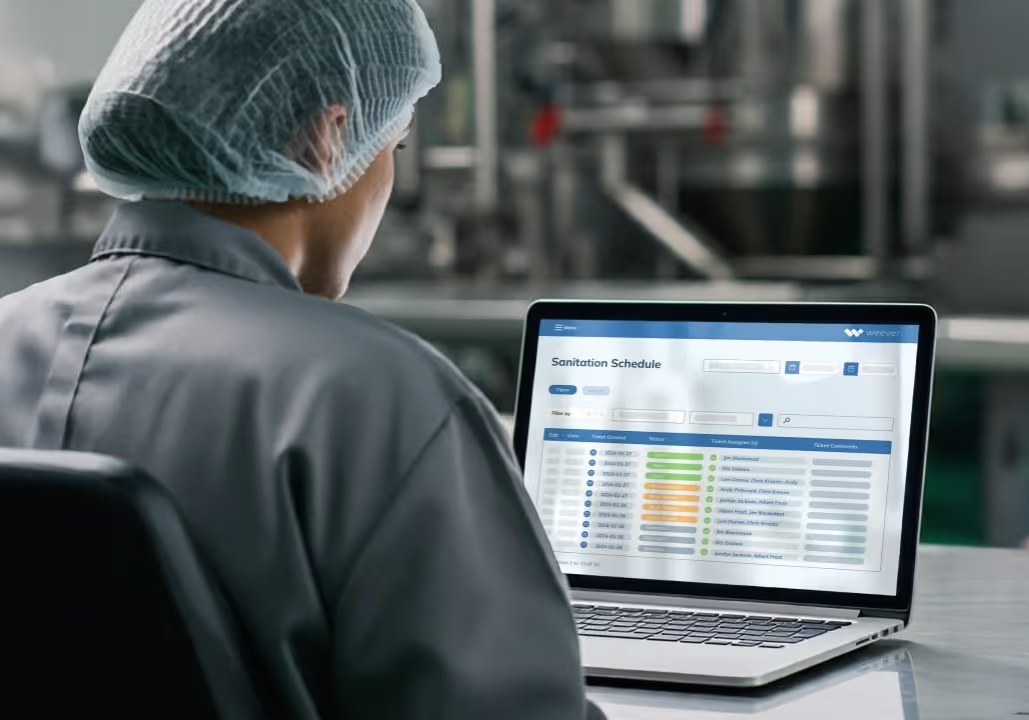
How a Smart Sanitation Schedule Transforms Food Manufacturing
Food manufacturers operate in a high-stakes environment, where a single misstep in sanitation can lead to severe consequences. From costly product recalls and damaged brand reputations to potential health risks for consumers, the cost of non-compliance is immense.
To mitigate these risks and maintain operational efficiency, food processors need a reliable and effective solution. A configurable Master Sanitation Schedule (MSS), powered by advanced software like Weever, provides the answer. By automating task assignments, scheduling, and documentation, an MSS streamlines sanitation processes, reduces labor costs, and ensures consistent adherence to rigorous hygiene standards.
In this post, we'll explore the specific benefits of implementing a configurable MSS and how Weever software can help your business achieve operational efficiency while safeguarding consumer health.
Simplifying MSS Management With:
A Simplified User Interface
Weever software's intuitive user interface is designed with the end-user in mind, making it accessible to professionals regardless of how tech-savvy they may be. The straightforward layout allows users to easily create, update, and manage their Master Sanitation Schedules. This reduces the learning curve and operational downtime, enabling staff to quickly adapt without extensive training.
Configurability at Your Fingertips
Flexibility is crucial in food manufacturing. Each facility has unique needs based on the types of foods processed, the scale of operations, and specific regulatory requirements. Weever software's MSS is highly configurable, allowing manufacturers to tailor cleaning and sanitizing schedules to their specific needs. This configurability extends to setting frequency of cleaning, specific areas of the plant, and different equipment, ensuring that all aspects of your sanitation needs are covered comprehensively.
Ensuring No Task Goes Unnoticed By:
Streamlining Task Assignment
Automation in Weever software means that once the MSS is set up, the system automatically assigns tasks to the appropriate team members. This includes scheduling all necessary cleaning and sanitizing activities, which are critical for maintaining food safety standards. Automation helps eliminate human error and ensures that every task is completed on time.
Tracking and Compliance
Each task within the MSS is tracked from assignment to completion. Weever software provides managers with a dashboard where they can monitor ongoing activities, check off completed tasks, and ensure compliance with all sanitation protocols. This level of detail is crucial for internal audits and inspections by regulatory bodies, as it provides a clear trail of accountability.
Data-Driven Sanitation Management For:
Leveraging Data for Continuous Improvement
Weever software doesn't just manage tasks-it also collects data on every aspect of your sanitation processes. This data is analyzed to provide insights into the effectiveness of your sanitation efforts. Trends and patterns are identified, helping you understand where adjustments are needed to improve both compliance and efficiency.
Proactive Management
With detailed analytics, Weever software helps manufacturers be proactive rather than reactive. By understanding trends, you can anticipate potential issues before they become compliance risks or operational disruptions. This proactive approach is vital in the fast paced food manufacturing sector, where the cost of downtime or non-compliance can be substantial.
Keeping Your Finger on the Pulse With:
Immediate Audit Readiness
Real-time reporting means that at any moment, your facility is ready for both internal and external audits. Weever software's real-time updates provide a current view of all sanitation activities, making it easy to demonstrate compliance and operational integrity without scrambling to prepare.
Transparency Across the Board
This instant access to data not only keeps management informed but also fosters a culture of transparency and accountability among team members. Everyone from the floor manager to the quality control officer can see the status of sanitation tasks, fostering a collaborative environment focused on maintaining the highest standards of cleanliness.
Why Wait? Smooth Integration into Your Operations
New software can often be disruptive. Weever software's rollout methodology is designed to integrate smoothly into your existing operations. The phased rollout process allows your team to gradually adapt to the new system, minimizing disruption and ensuring that your production processes continue uninterrupted.
Get Support Every Step of the Way
Weever provides comprehensive support during the rollout process, from initial setup and configuration to training and troubleshooting. This hands-on approach ensures that you maximize the benefits of the software from day one.
Transforming Master Sanitation Schedules with Weever
Implementing a configurable Master Sanitation Schedule with Weever software transforms more than just your sanitation processes-it revolutionizes how you manage compliance and efficiency in food manufacturing. By enhancing ease of use, automating crucial workflows, delivering actionable insights, and providing real-time compliance tracking, Weever software sets a new standard in the industry.
Are you ready to elevate your food and beverage manufacturing operations with a configurable Master Sanitation Schedule? Schedule a demo with Weever today and discover how seamless compliance and enhanced efficiency can coexist in your plant.

Royal Canin reinvigorates faltering Abnormality Reporting Program with Weever.
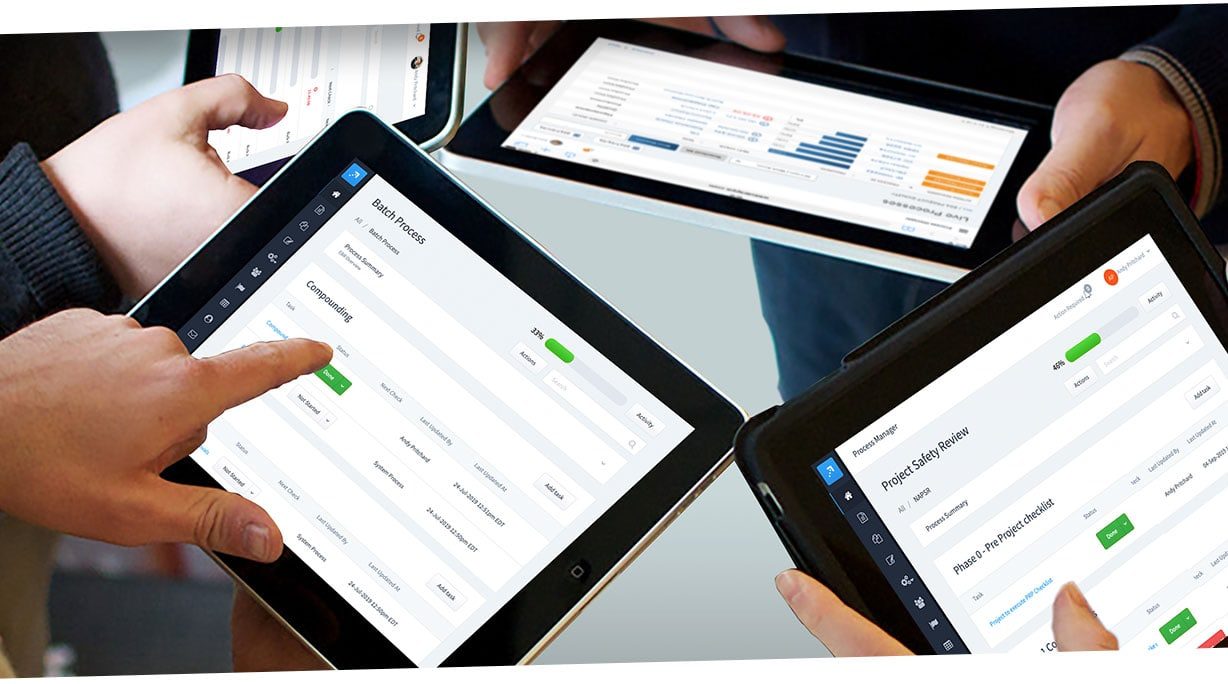
Compliance for manufacturing organizations is comprised of technical, legal and corporate requirements, regulations and practices manufacturers must comply with in order to produce and market products.
Numerous areas of compliance can come to bear on manufacturers directly or indirectly, including:
- Product safety
- Health, safety, and environmental impact
- Data protection
- Export controls
- Anti-corruption
- IT safety and security
- Fair competition
- Employment law
The strategic goal of most manufacturers is to produce competitive products, operate profitably, and grow their business in an environment of increasing globalization and elevated product development costs. This can be challenging enough in itself without adding the 3rd Dimension of Compliance, which is less concerned with what is produced and more concerned with how it is produced.
Risks of Non-Compliance
The risk of non-compliance has become an increasingly major concern in recent years, particularly for manufacturers with operations in multiple countries and jurisdictions. Simply put, if you're not compliant you can't play. This development has been further heightened by the increasing role of governmental regulatory bodies in certain industry sectors, along with the emergence of global standards to address the increasingly global nature of manufacturing. Regulatory compliance has become a major milestone not only in product development but also in guiding how manufacturers go to market.
If management fails to create an environment that ensures manufacturing compliance-or lacks documentation to prove all necessary steps have been taken to achieve it-it can be held accountable for compliance breaches. With this in mind, compliance must be an ingrained part of day-to-day business operations, and therefore part of the organizational culture. Employee involvement in and acceptance of compliance tasks, including a complete understanding of requirements and objectives, are integral aspects of a sound compliance practice for manufacturing.
Compliance Requirements for Food Companies include:
1. FDA Regulations
CFR (Code of Federal Regulations) 21 Part 11 and Part 820
The core mandate guiding FDA regulatory oversight is consumer safety. In response to this, the FDA has defined Good Manufacturing Practices (GMP) that dictate the necessary measures that must be taken to ensure that quality systems and processes are in place to consistently produce safe, quality products. Therefore, manufacturers in these sectors seek a manufacturing certificate of compliance indicating that they meet GMP. According to David Nettleton at computersystemvalidation.com, manufacturing Execution Systems (MES), including Electronic Batch Record (EBR) management systems, must be compliant with 21 CFR Part 11 and Part 820. These controls include audits, system validations, audit trails, electronic signatures, and documentation for software and systems involved in processing electronic data that are (a) required to be maintained by the FDA predicate rules or (b) used to demonstrate compliance to a predicate rule.
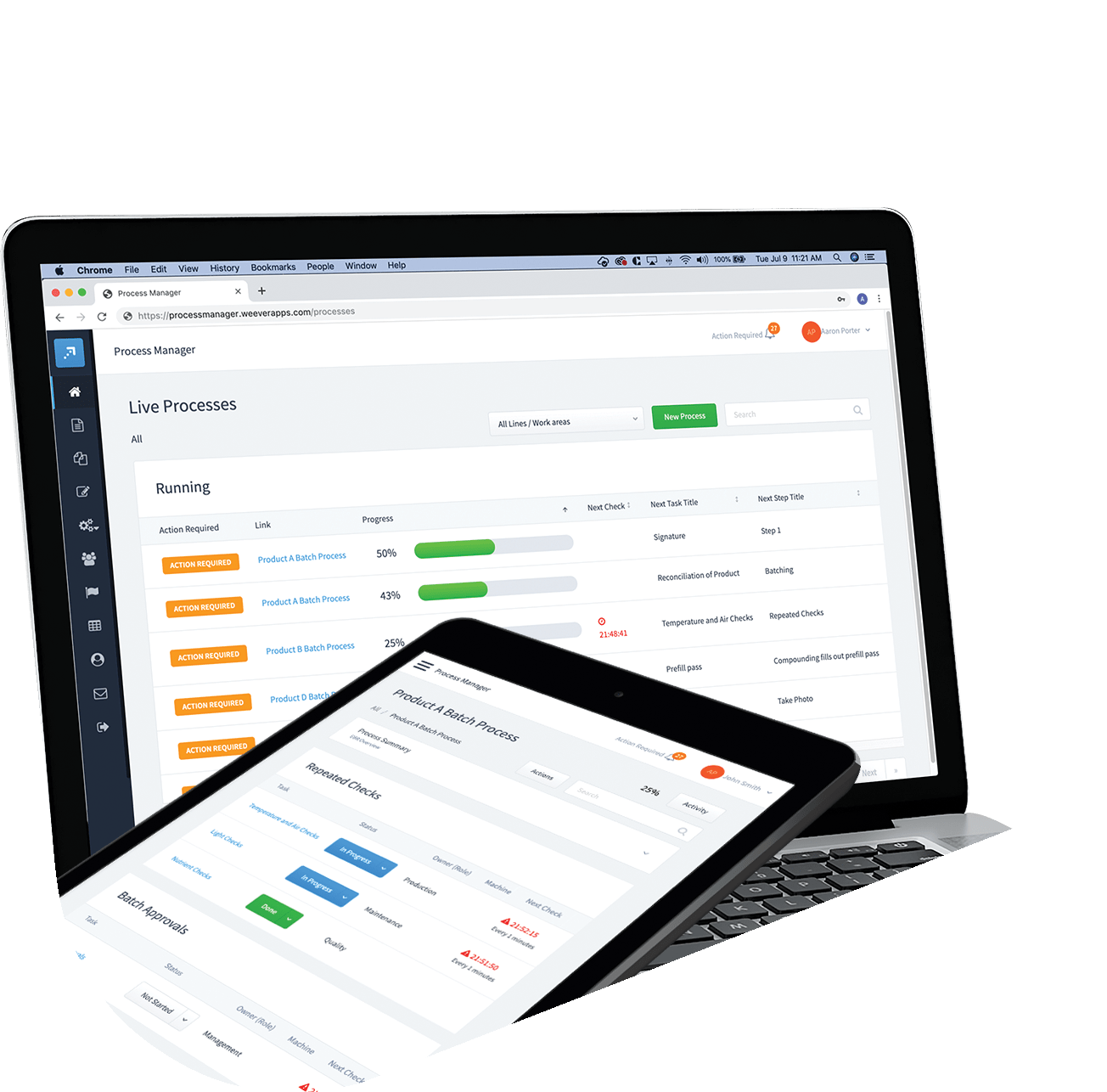
2. HACCP
Hazard Analysis Critical Control Points
HACCP is a management system in which risk-based preventive controls are conducted to avoid the contamination of biological, chemical, and physical hazards in the final food product. HACCP when applied correctly as a control process, will aid the prevention, elimination or reduction of critical levels of known and expected food contaminants. HACCP regulations include the Safe Food for Canadians Act (SFCA) and the FDA Food Safety Modernization Act (FSMA). HACCP certification is a global defining requirement for effective control of biological, chemical and physical food hazards. Compliance to HACCP, will transform brands, enable an effective entry-to-market means, and bring about new business opportunities. Inspection and validation by third-party certification bodies reaffirms an organization's commitment to food safety.
3. OSHA
Occupational Safety & Health Administration
OSHA is responsible for protecting worker health and safety in the United States. OSHA coverage extends to most private sector employers and their workers. OSHA determines which standards and requirements apply to which workplace environments and then enforces employer adherence to those standards and requirements. To comply with OSHA requirements, employers must take a number of specific actions; those include inspecting the workplace for potential hazards, eliminating or minimizing hazards, keeping records of workplace injuries and illness, training employees to recognize safety and health hazards, and educating employees on precautions to prevent accidents.
4. EPA
Environmental Protection Agency
The EPA seeks to protect and conserve the natural environment and improve the health of humans by researching the effects of and mandating limits on the use of pollutants. The EPA is charged with determining safe tolerance levels for chemicals and other pollutants in food, animal feed, and water. The EPA oversees a number of programs intended to promote energy efficiency, environmental stewardship, sustainable growth, air and water quality, and pollution prevention. The EPA enforces its findings through fines, sanctions, and other procedures.
5. International Standards
With the advent of globalization, international standards have become increasingly important to manufacturers looking to be compliant across international markets. With the implementation of the EMC Directive and similar regulations in other countries, regulatory compliance has become a major milestone in product development and marketing for most manufacturers. New and harmonized standards for manufacturing compliance continue to be developed.Key international industry standards for manufacturing compliance include:
- ISO 9001
- ISO 13845
- IEC 61215
- IEC 61646
Weever Process is an effective workflow automation tool to collect data and automate compliance regulations workflows. Process Manager includes features that can be configured to your specific business practices while ensuring the high levels of traceability and data integrity required by governing agencies.
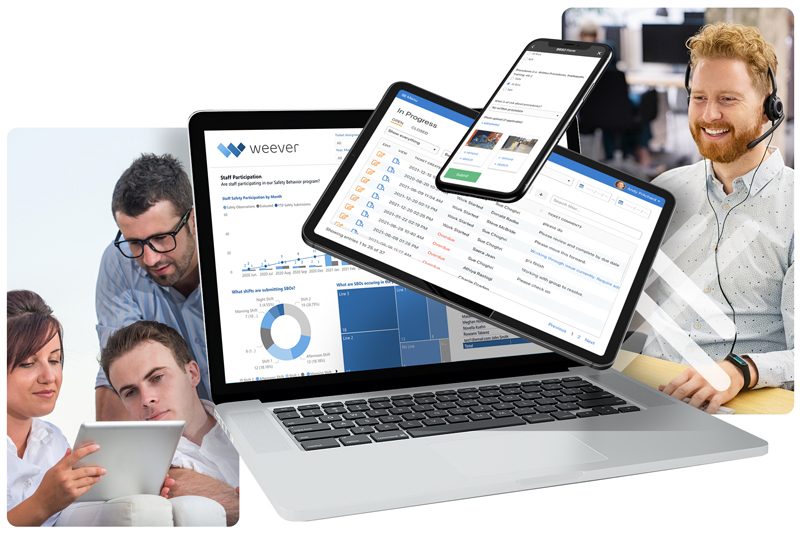
Take a Guided Tour.
Millions of jobs completed worldwide. View Testimonials

Essential Autonomous Maintenance Checklist Components
Autonomous maintenance is a game-changer for modern manufacturing. At Weever, we've seen firsthand how it empowers operators to take ownership of equipment care, reducing downtime and boosting productivity.
This blog post breaks down the key components of an effective autonomous maintenance checklist. Whether you're looking to create an autonomous maintenance checklist PDF or improve your existing processes, these essential elements will set you on the path to operational excellence.
How to Conduct Effective Equipment Inspections and Cleaning
The Power of Visual Inspections
Visual inspections are crucial for quality assessment in industrial applications, often performed or supported by human domain experts. Operators who perform regular visual checks identify up to 80% of potential equipment issues before they escalate. Train your team to spot common abnormalities such as unusual noises, vibrations, or leaks. Create a standardized checklist that guides operators through each inspection point, which ensures consistency across shifts.
Tailoring Cleaning Procedures to Equipment Types
Different machines require specific cleaning approaches. CNC machines need careful removal of metal shavings and coolant residue, while food processing equipment demands sanitization to meet strict hygiene standards. Develop detailed, equipment-specific cleaning protocols and make them easily accessible through digital platforms. This ensures that every operator follows the same high standards, regardless of experience level.
The Critical Role of Documentation
Proper documentation transforms good maintenance practices into great ones. A study by Plant Engineering found that companies which implement rigorous documentation see a 28% reduction in unplanned downtime. Use digital forms to capture inspection results (including photos of potential issues). This creates a searchable database of equipment history, which enables trend analysis and predictive maintenance.
Leveraging Technology for Efficiency
Digital tools streamline the inspection and cleaning process. Mobile apps allow operators to access checklists, submit reports, and receive real-time guidance on the shop floor. These platforms (such as Weever Apps) make the documentation process seamless, allow for real-time reporting, and provide instant notification of critical issues to maintenance teams.
Training and Continuous Improvement
Effective equipment inspection and cleaning require ongoing training and refinement. Implement regular training sessions to keep operators up-to-date on best practices. Encourage feedback from your team to continuously improve your inspection and cleaning procedures. This proactive approach creates a culture where every operator feels responsible for equipment health.
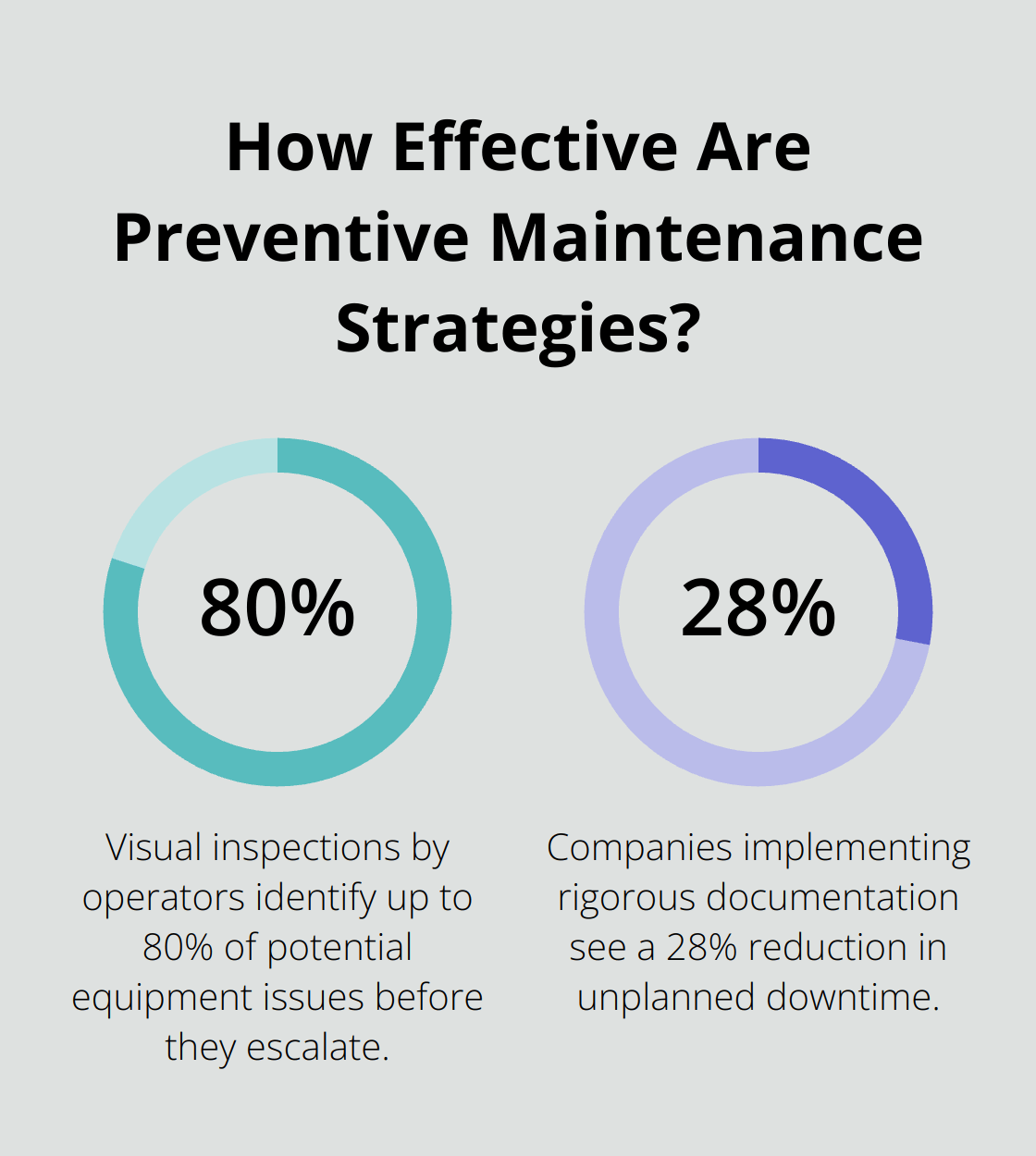
As we move forward, let's explore how proper lubrication and tightening practices complement these inspection and cleaning procedures to further enhance equipment reliability.
How to Master Lubrication and Tightening
Map Your Lubrication Points
Create a comprehensive lubrication map for each piece of equipment. This visual guide should clearly mark every lubrication point, specifying the type and quantity of lubricant required. A well-designed map reduces errors and ensures no critical points are missed during maintenance rounds.
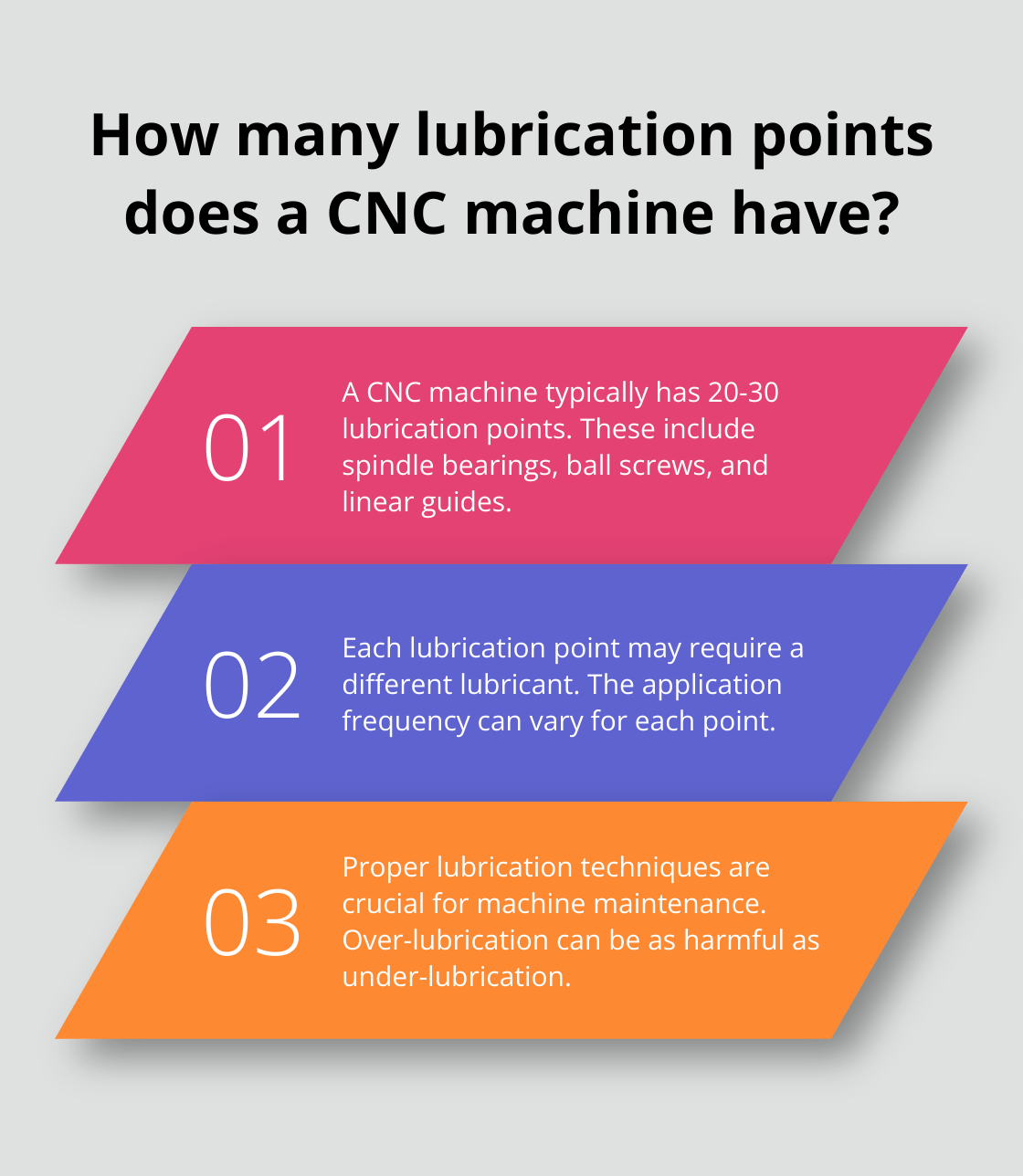
A CNC machine typically has 20-30 lubrication points (including spindle bearings, ball screws, and linear guides). Each point may require a different lubricant and application frequency. Your map should detail these specifics, making it easy for operators to follow.
Optimize Lubrication Techniques and Schedules
Develop a lubrication schedule based on manufacturer recommendations and your specific operating conditions. Factors like temperature, humidity, and production volume can all impact lubrication needs. Use digital tools to set up automated reminders for lubrication tasks, ensuring nothing falls through the cracks.
Precision is key when it comes to application techniques. Over-lubrication can be just as harmful as under-lubrication. Train your operators on proper methods, such as using grease guns with metered output for consistent application. For hard-to-reach areas, consider installing automatic lubrication systems, which can reduce labor costs and improve accuracy.
Master the Art of Tightening
Loose fasteners are a leading cause of equipment failure. Implement a systematic approach to checking and tightening bolts, nuts, and other fasteners. Use torque wrenches calibrated to manufacturer specifications to ensure proper tightening without damaging components.
Create a tightening schedule that aligns with your equipment's vibration levels and operating conditions. High-vibration environments may require more frequent checks. Document each tightening session, noting any patterns of loosening that could indicate underlying issues.
Leverage Technology for Precision
Modern technology offers powerful tools to enhance lubrication and tightening practices. Ultrasonic sensors can monitor bearings during lubrication until they sound normal, eliminating guesswork. Similarly, electronic torque wrenches with data logging capabilities ensure precise tightening and create an auditable trail of maintenance activities.
Digital platforms streamline these processes further. For instance, connected worker platforms (such as Weever Apps) allow operators to access lubrication maps and tightening specifications directly from their mobile devices. This instant access to critical information reduces errors and improves efficiency.
The next step in your autonomous maintenance journey involves effective performance monitoring and data collection. These practices will help you identify trends, predict potential issues, and continuously improve your maintenance strategies.
How to Measure and Improve Equipment Performance
Select the Right Performance Indicators
Choose KPIs that align with your operational goals. Overall Equipment Effectiveness (OEE) combines availability, performance, and quality. Top-performing manufacturers achieve an average OEE of 89%, compared to 69% for laggards (according to a study by Aberdeen Group). Other important metrics include Mean Time Between Failures (MTBF) and Mean Time To Repair (MTTR).
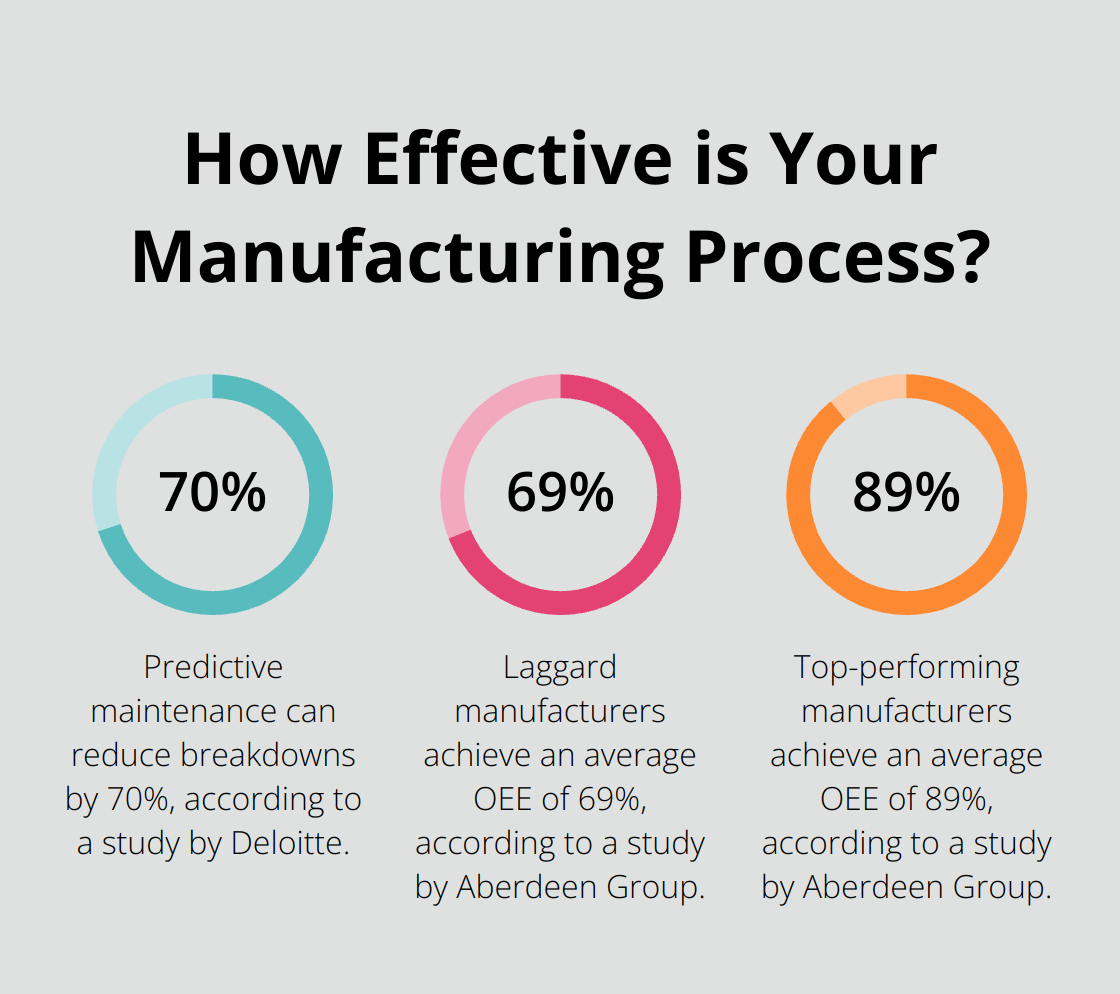
Track energy consumption per unit produced to identify efficiency opportunities. The U.S. Department of Energy reports that implementing energy management systems can reduce industrial energy costs by 3-10% annually.
Implement Effective Data Collection Methods
Use IoT sensors and connected devices to gather real-time performance data. These tools monitor vibration, temperature, and other critical parameters 24/7. A survey by PwC revealed that 35% of U.S. manufacturers already collect and use data from smart sensors to enhance manufacturing and operating processes.
Employ digital forms and mobile apps for operator-driven data collection. This approach ensures that human observations complement machine-generated data. Platforms like Weever Apps allow operators to easily log inspections, maintenance activities, and equipment issues on the go.
Turn Data into Action
Set up a centralized data management system to consolidate information from various sources. This enables comprehensive analysis and trend identification. Companies that extensively use employee-driven, real-time data collection see productivity improvements of 25% or more (according to McKinsey).
Apply predictive analytics to forecast potential equipment failures. Machine learning algorithms analyze historical data to identify patterns that precede breakdowns. A study by Deloitte found that predictive maintenance can reduce breakdowns by 70% and lower maintenance costs by 25%.
Establish a regular review process to analyze performance data and adjust maintenance strategies. This could involve weekly team meetings to discuss trends and brainstorm improvements. Encourage operators to contribute insights, as they often have valuable hands-on experience with the equipment.
Leverage Technology for Data-Driven Decisions
Invest in software solutions that integrate data collection, analysis, and reporting. Connected Worker platforms (such as Weever Apps) offer real-time dashboards and automated alerts, enabling quick responses to emerging issues. These tools also support the creation of custom reports, which help identify long-term trends and opportunities for improvement.
Try to implement mobile solutions that allow technicians to access and input data directly from the shop floor. This real-time data flow ensures that decision-makers always have the most up-to-date information (improving response times and overall equipment effectiveness).
Wrapping Up
Implementing a robust autonomous maintenance program transforms manufacturing efficiency. Companies that adopt these practices often experience a 30-50% reduction in equipment breakdowns and a 20-30% increase in machine availability. These improvements translate directly to enhanced operational efficiency and substantial cost savings over time.
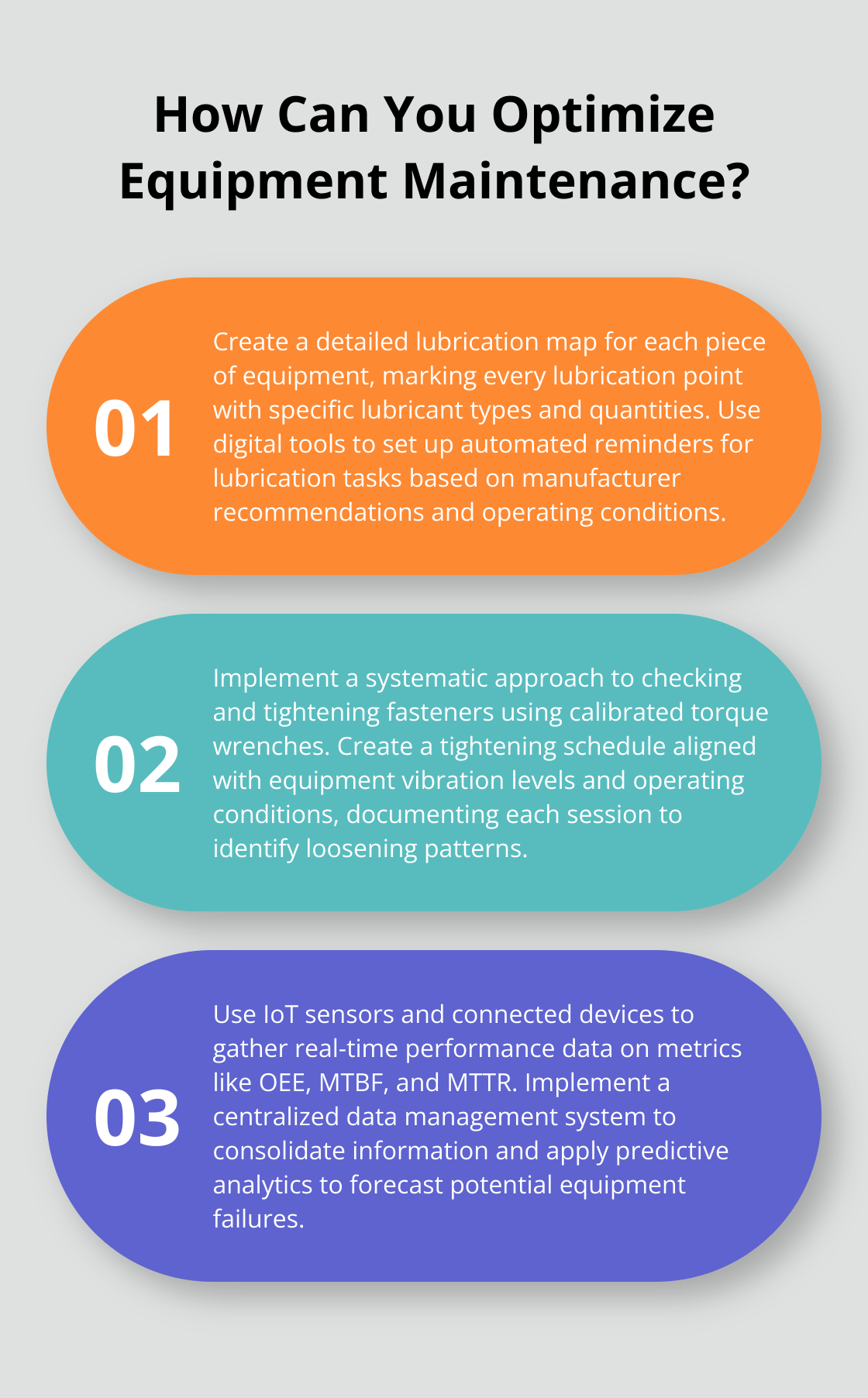
Regular use of comprehensive autonomous maintenance checklists (which can be distributed as PDFs) yields tangible benefits. Organizations should focus on ongoing training and engagement, encouraging operators to provide feedback and suggestions for improvement. Consistent review and updates of checklists ensure they remain relevant and effective in driving long-term success and operational excellence.
Weever's Connected Worker platform offers a powerful solution for streamlining autonomous maintenance workflows. With features like digital forms for easy data capture and real-time dashboards for instant visibility, Weever helps organizations transform their maintenance operations. This platform supports the creation of digital checklists, which can replace traditional autonomous maintenance checklist PDFs, further enhancing accessibility and efficiency.

Designing an Autonomous Maintenance Activity Board
Autonomous maintenance activity boards are revolutionizing how manufacturing facilities manage their maintenance tasks. These powerful tools streamline operations, boost efficiency, and empower frontline workers to take ownership of equipment upkeep.
At Weever Apps, we've seen firsthand how well-designed activity boards can transform maintenance processes. In this post, we'll explore the key components of effective boards and share best practices for implementation.
What Makes an Effective Autonomous Maintenance Activity Board?
An effective autonomous maintenance activity board serves as the cornerstone of a successful maintenance program. It's not just a visual tool; it's a dynamic system that drives action, accountability, and continuous improvement.
The Power of Visual Organization
The layout of your activity board can determine its effectiveness. A cluttered or confusing board will be ignored, while a well-organized one becomes a focal point for daily operations. The most successful boards use a grid system, with clear sections for different task categories. This allows workers to quickly locate relevant information and updates.
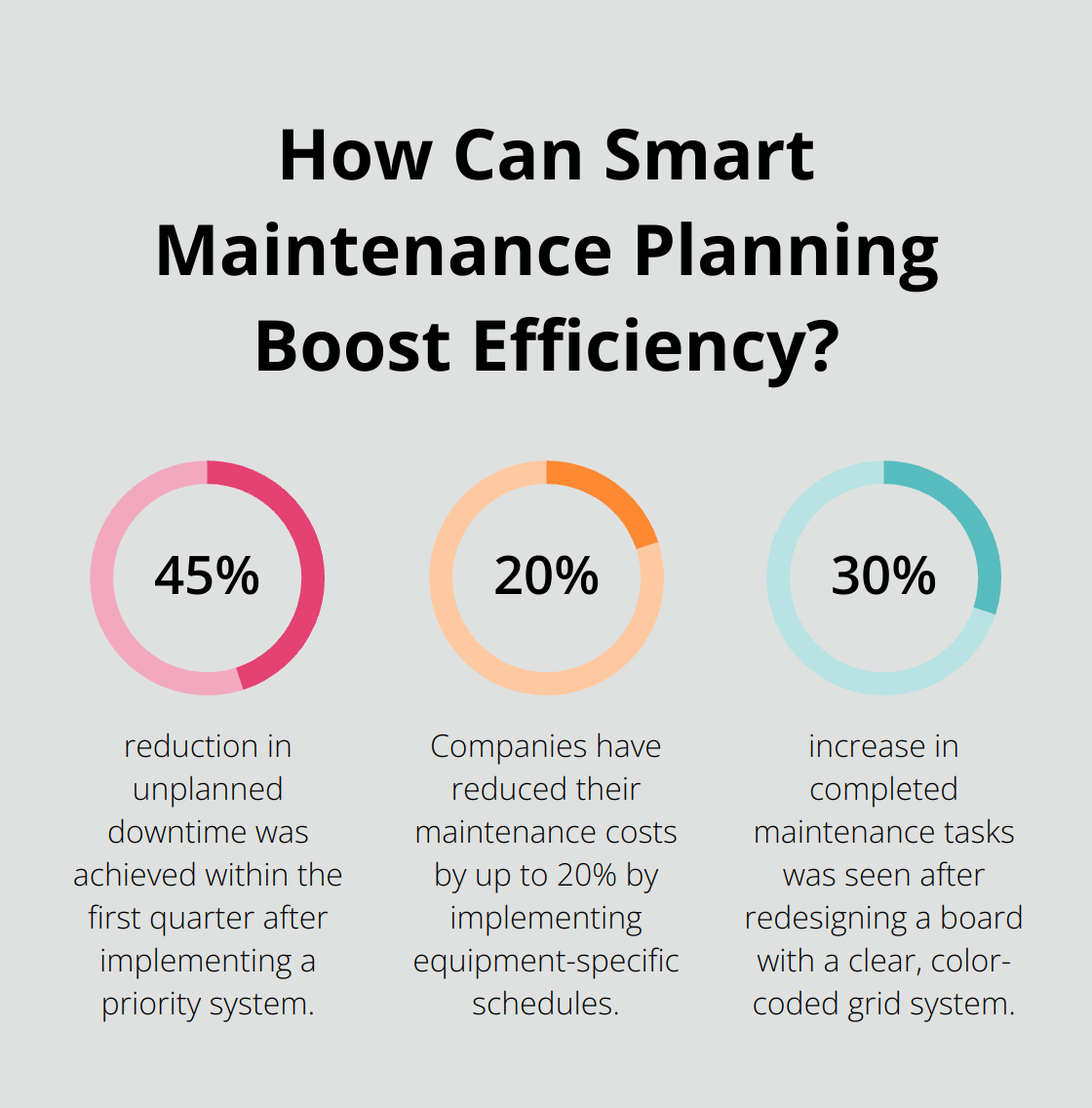
One manufacturing plant saw a 30% increase in completed maintenance tasks after redesigning their board with a clear, color-coded grid system. The key was to make information accessible at a glance, which reduced the time spent searching for tasks or updates.
Prioritizing Tasks for Maximum Impact
Not all maintenance tasks hold equal importance. Your activity board should reflect this reality by clearly indicating task priorities. We recommend using a simple system: red for urgent, yellow for important, and green for routine tasks. This visual cue helps workers focus on critical issues first, which prevents small problems from escalating into major breakdowns.
A food processing facility implemented this priority system and saw a 45% reduction in unplanned downtime within the first quarter. Workers addressed potential issues before they became critical, which led to smoother operations overall.
Tailoring Schedules to Equipment Needs
Generic maintenance schedules belong in the past. Modern activity boards should display equipment-specific maintenance schedules, which take into account the unique needs and quirks of each machine. This level of detail ensures that no critical maintenance task falls through the cracks.
Companies have reduced their maintenance costs by up to 20% by implementing equipment-specific schedules. The key is to involve operators in creating these schedules, as they often have invaluable insights into the day-to-day performance of the machines they work with.
Measuring What Matters
Performance metrics and KPIs (Key Performance Indicators) are the pulse of your maintenance program. Your activity board should prominently display these metrics, updated in real-time if possible. Key metrics to consider include Overall Equipment Effectiveness (OEE), Mean Time Between Failures (MTBF), and maintenance task completion rates.
One automotive parts manufacturer saw a 15% improvement in OEE after incorporating real-time performance metrics into their activity board. The visibility of these numbers created a sense of healthy competition among shifts and drove continuous improvement efforts.
The most effective boards evolve with your needs, so don't hesitate to iterate and improve your design over time. As we move forward, we'll explore how digital solutions can further enhance the functionality and impact of autonomous maintenance activity boards.
How Digital Solutions Enhance Activity Boards
Digital solutions transform traditional autonomous maintenance activity boards into powerful, interactive tools. These platforms offer significant advantages over physical boards, streamline processes, and boost overall efficiency in today's fast-paced manufacturing environment.
Real-Time Updates Drive Proactive Maintenance
Digital activity boards provide real-time updates that result in greater equipment reliability, reduction of failures, extended lifespan, decreased downtime, and overall improvement in operational performance. This feature potentially prevents costly breakdowns. A large automotive manufacturer reported a 40% reduction in unplanned downtime after implementing a digital activity board with real-time alerts. The system flagged potential issues before they escalated, allowing for timely interventions.
Mobile Accessibility Empowers Frontline Workers
Digital activity boards accessible via mobile devices put critical information directly in the hands of frontline workers. This accessibility leads to faster decision-making and more efficient task completion. A food processing plant saw a 25% increase in maintenance task completion rates after providing workers with mobile access to their digital activity board. Workers updated task statuses on the spot, eliminating the need for manual data entry and reducing the risk of information loss.
Data-Driven Insights Fuel Improvement
Digital platforms offer robust data collection and analysis capabilities, providing valuable insights for improvement. These systems track key performance indicators (KPIs) over time, identify trends, and highlight areas for optimization. A chemical manufacturing facility used data from their digital activity board to identify recurring issues with a specific piece of equipment. This insight led to a targeted improvement project that increased the equipment's uptime by 15%.
Selecting the Right Digital Solution
When selecting a digital solution for your activity board, choose a platform that offers comprehensive features tailored to maintenance needs. Look for solutions that provide automated workflows, real-time dashboards, and intuitive digital forms. These features not only digitize your activity board but also integrate it seamlessly into your broader maintenance strategy.
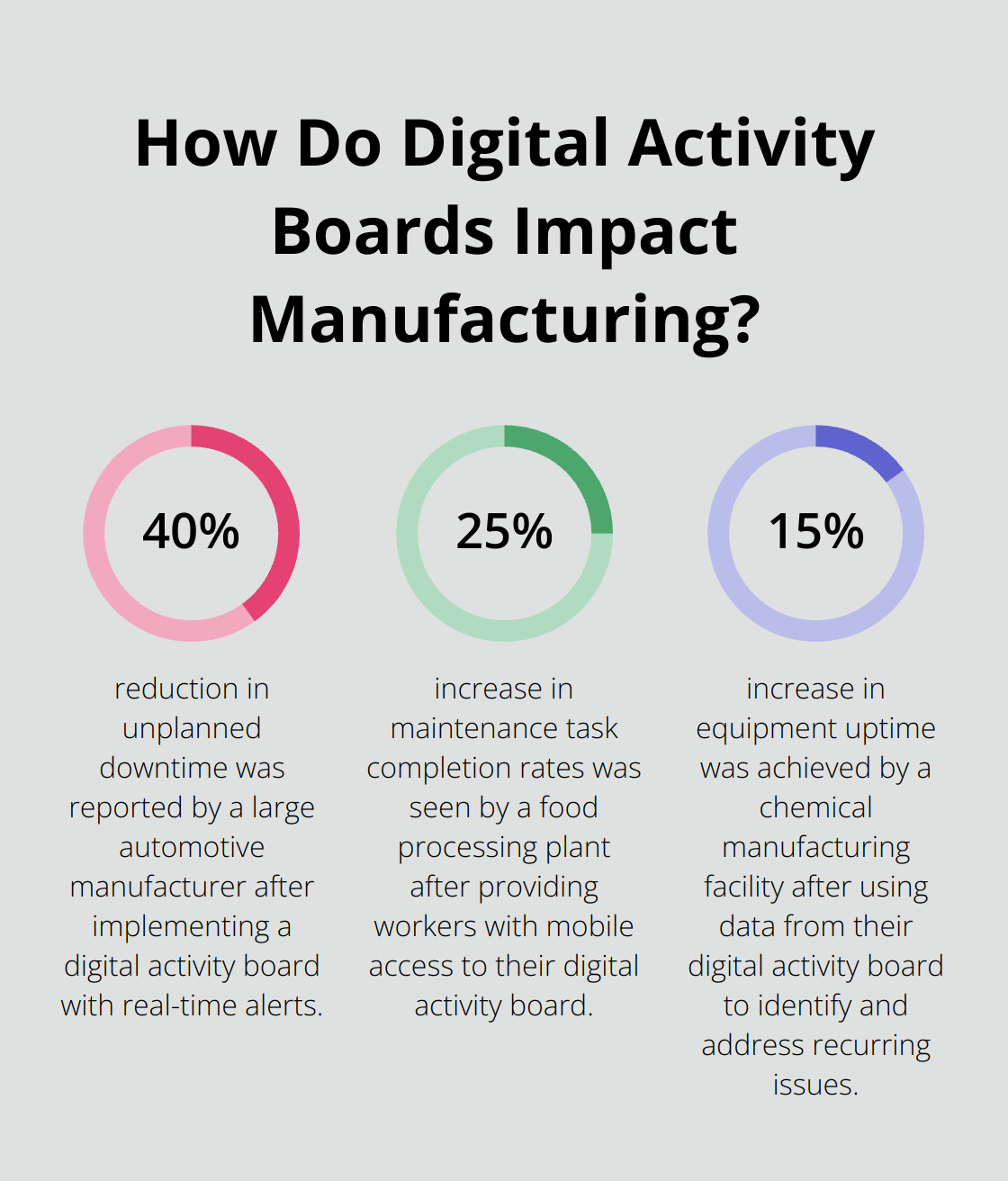
The shift to digital activity boards represents a significant step forward in autonomous maintenance. Real-time data, mobile accessibility, and advanced analytics create more responsive, efficient, and proactive maintenance programs. As we explore best practices for activity board design in the next section, consider how these digital capabilities can enhance your maintenance operations and drive continuous improvement.
How to Design an Effective Autonomous Maintenance Activity Board
Collaborate with Frontline Workers
The most successful activity boards result from input from the people who use them daily. Frontline workers possess invaluable insights into the practical aspects of maintenance tasks and equipment quirks. Their involvement in the design process creates a board that meets their needs and encourages engagement.
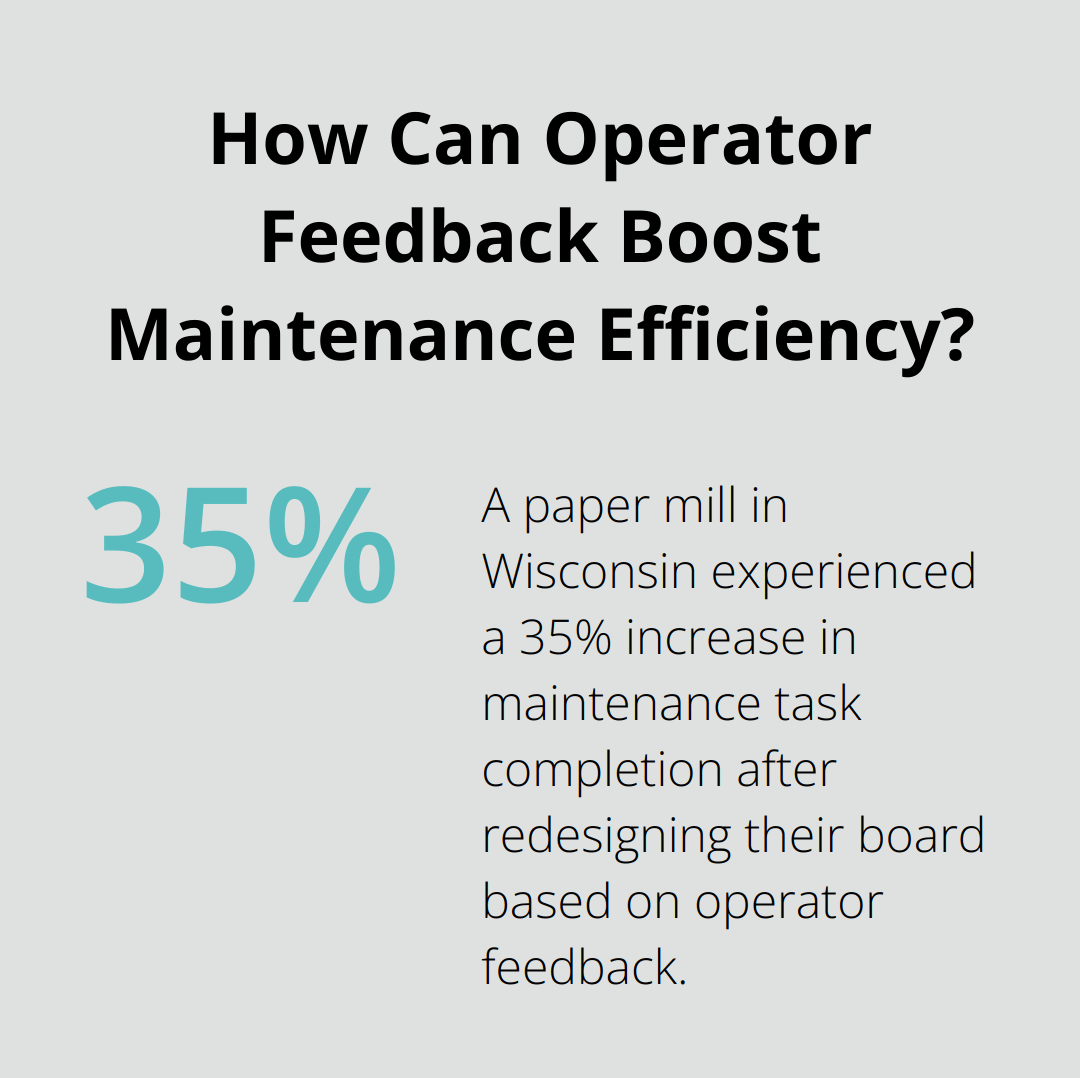
A paper mill in Wisconsin experienced a 35% increase in maintenance task completion after redesigning their board based on operator feedback. The key was the inclusion of specific sections for common issues that operators had previously struggled to report efficiently.
Leverage Visual Communication
Color-coding and visual cues serve as powerful tools for quick information processing. Use consistent colors across your board to denote task priorities, equipment status, or maintenance categories. For example, red indicates urgent tasks, yellow for ongoing work, and green for completed items.
A manufacturing plant in Michigan reduced response time to critical issues by 40% after implementing a color-coded system on their activity board. The visual cues allowed workers to quickly identify and prioritize urgent tasks without reading detailed descriptions.
Integrate Standard Operating Procedures
Your activity board should function as more than just a task list - it should become a central hub for maintenance knowledge. Incorporate links or QR codes to relevant Standard Operating Procedures (SOPs) directly on the board. This integration ensures that workers always have access to the most up-to-date procedures and can quickly reference them when needed.
A food processing facility in California observed a 25% reduction in maintenance errors after adding QR codes (linking to SOPs) on their activity board. Workers could easily access detailed instructions for complex tasks, which improved accuracy and efficiency.
Regular Review and Updates
The most effective activity boards evolve over time. Implement a process to regularly review and update your board design based on feedback and changing needs. A chemical plant in Texas implemented a monthly review process for their activity board and saw continuous improvements in maintenance efficiency, with a 15% year-over-year increase in preventive maintenance completion rates.
Choose the Right Digital Solution
When selecting a digital solution for your activity board, opt for a platform that offers comprehensive features tailored to maintenance needs. Try to find solutions that provide automated workflows, real-time dashboards, and intuitive digital forms. These features not only digitize your activity board but also integrate it seamlessly into your broader maintenance strategy.
For companies seeking a top-tier solution, Weever Apps offers a powerful Connected Worker platform. It boasts features like automated workflows, real-time dashboards, and intuitive digital forms, making it an excellent choice for optimizing frontline operations and enhancing maintenance activities.
Final Thoughts
An effective autonomous maintenance activity board optimizes maintenance operations through clear layouts, prioritized tasks, and key performance metrics. Frontline worker involvement and visual cues create a user-friendly tool that drives action and accountability. Digital solutions enhance these boards with real-time updates, mobile access, and data-driven insights, propelling maintenance programs to new efficiency levels.
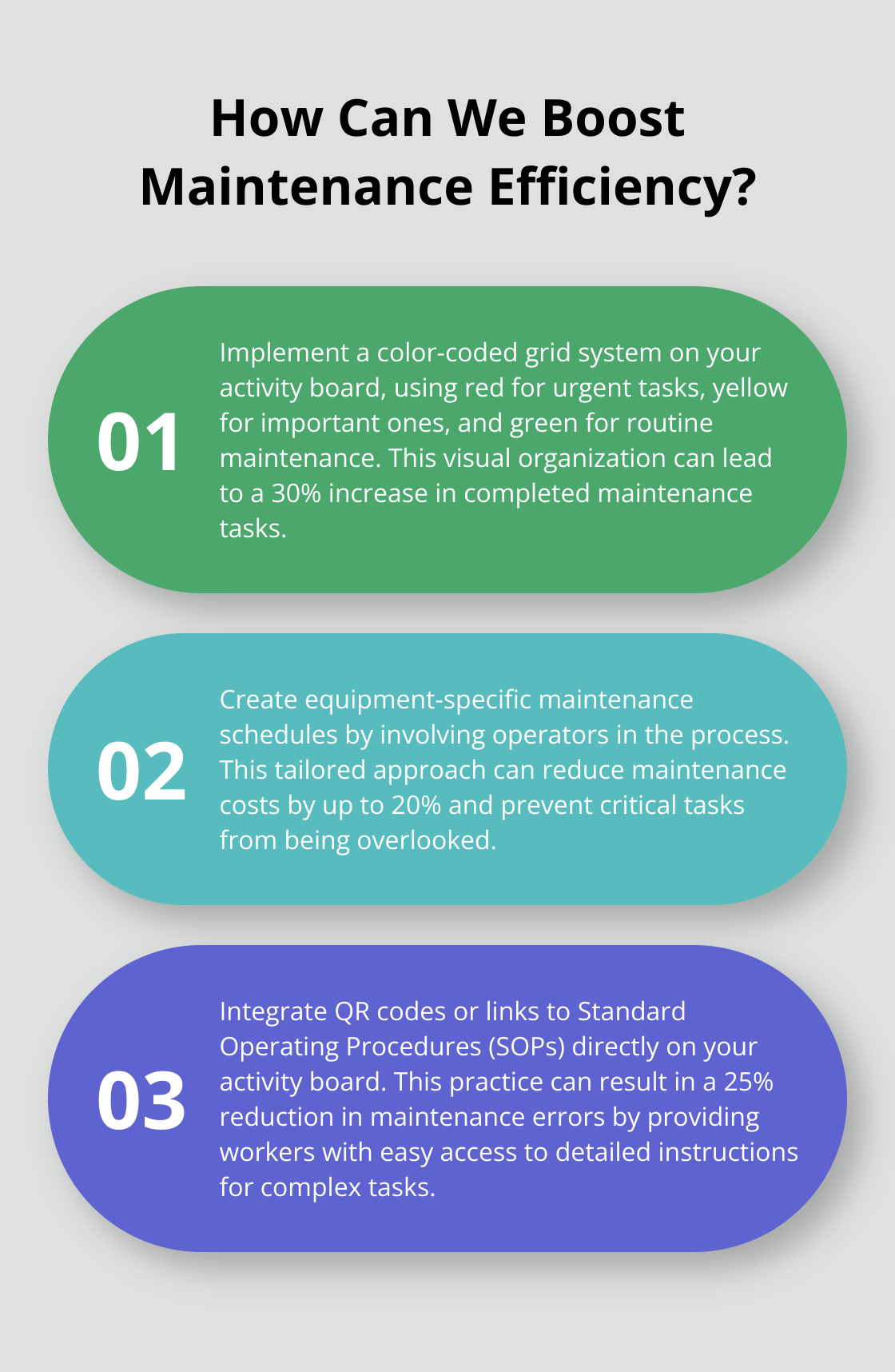
Modern manufacturing demands digital solutions for responsive and proactive equipment care. Weever Apps offers a comprehensive Connected Worker platform that can transform maintenance operations. Its features include automated workflows, real-time dashboards, and intuitive digital forms.
Implementing a well-designed autonomous maintenance activity board lays the foundation for excellence in modern manufacturing. It equips teams to face challenges and revolutionize maintenance processes (without relying on outdated methods). Take the first step today to unlock new levels of operational efficiency with an optimized activity board.

Why Weever Software is the Optimal Tool for Your Master Sanitation Program
Workplace safety is everyone's responsibility. This isn't just a catchy phrase; it's a fundamental truth that can save lives and prevent injuries.
At Weever Apps, we've seen firsthand how a collective approach to safety transforms work environments. When every team member, from executives to frontline workers, actively participates in safety initiatives, the results are remarkable.
This blog post explores the roles of management and employees in creating a safer workplace, and highlights effective collaborative strategies to boost overall safety performance.
How Management Drives Workplace Safety
Management plays a pivotal role in shaping workplace safety culture. Their actions and decisions directly impact the safety of every employee. Companies with strong safety records consistently have management teams that prioritize and actively participate in safety initiatives.
Creating Comprehensive Safety Policies
The foundation of a safe workplace starts with well-crafted safety policies. These should be clear, accessible, and regularly updated. A manufacturing company reduced workplace accidents by 30% after it implemented a policy that required daily safety briefings before each shift. This simple change kept safety at the forefront of employees' minds.
Investing in Safety Equipment and Training
Providing proper safety equipment and training is non-negotiable. A construction firm saw a 40% decrease in injuries after it invested in high-quality personal protective equipment (PPE) and conducted monthly safety training sessions. The key was not just providing the equipment, but also ensuring everyone knew how to use it correctly.
Leading by Example
Actions speak louder than words when it comes to safety. OSHA provides safety and health program resources and tools listed alphabetically within each core element area, including Management Leadership and Worker Participation. This visible commitment reinforces the importance of safety to all employees.
Allocating Resources for Safety Initiatives
Managers who prioritize safety in their daily operations create a ripple effect throughout the company. The allocation of resources, time, and attention to safety initiatives sends a clear message that safety is not just a priority, but a core value of the organization.
Implementing Digital Safety Solutions
Forward-thinking management teams recognize the value of digital tools in enhancing workplace safety. Platforms like Weever (which offers a Connected Worker solution with automated workflows and real-time dashboards) can significantly improve safety reporting, incident tracking, and overall safety management efficiency.

As management sets the tone for workplace safety, employees also play a critical role in maintaining a safe work environment. Let's explore how workers contribute to creating a culture of safety in the next section.
How Employees Drive Workplace Safety
Workplace safety depends on active employee participation. Their daily actions and decisions shape the safety culture of an organization. Let's explore how workers contribute to creating a safer work environment.
Consistent Adherence to Safety Protocols
Employees who follow safety procedures prevent accidents. Work-related fatigue, exposure to harmful substances, and musculoskeletal injuries are among the leading causes of workplace accidents. This underscores the importance of employee compliance with safety protocols.

A manufacturing plant cut its injury rate in half when workers committed to wearing proper personal protective equipment (PPE) at all times. This simple act of following established safety procedures made a substantial difference.
Swift Hazard Reporting
Employees often spot potential safety hazards first. Their prompt reporting prevents accidents before they occur. The Occupational Safety and Health Administration (OSHA) states that workplaces with active hazard reporting systems experience 50% fewer injuries compared to those without such systems.
A chemical processing facility introduced a mobile app for hazard reporting. This resulted in a 30% increase in reported near-misses and a subsequent 25% decrease in actual incidents. Such technological solutions (like those offered by Weever) empower employees to contribute effectively to workplace safety.
Active Participation in Safety Training
Regular attendance at safety training keeps employees informed about the latest safety practices and reinforces existing knowledge. The Bureau of Labor Statistics reports that companies with comprehensive safety training programs have 20% fewer workplace injuries than those without.
An oil and gas company reduced workplace accidents by 40% after it implemented monthly safety training sessions with mandatory attendance. This regular engagement kept safety at the forefront of employees' minds and improved overall safety performance.
Promotion of a Safety-First Culture
Employees who champion safety create a positive ripple effect. They encourage their colleagues to prioritize safety and foster an environment where everyone feels responsible for each other's well-being. This peer influence often proves more effective than top-down directives.
A construction company saw a 35% reduction in safety incidents after it implemented a "safety buddy" system. Employees paired up to watch out for each other's safety, creating a culture of mutual care and responsibility.
While individual employee efforts significantly impact workplace safety, collaborative approaches can amplify these effects. The next section will explore how teamwork and open communication further enhance safety outcomes.
How Teams Collaborate for Better Safety
Workplace safety thrives on collaboration. When teams work together, they create a safety net that catches potential hazards before they become incidents. Let's explore effective strategies for fostering a collaborative safety culture.
The Power of Safety Committees
Safety committees bring diverse perspectives to the table. These committees typically include representatives from various departments, ensuring a comprehensive approach to safety.

A manufacturing plant implemented a cross-functional safety committee that met bi-weekly. Within six months, they identified and resolved 75% more safety issues compared to the previous year. The key was to involve employees from different areas (from production floor workers to office staff).
Peer-to-Peer Safety Observations
Peer-to-peer safety observations create a culture of mutual accountability. This approach empowers employees to look out for each other's well-being. A construction company that implemented this system saw a 40% reduction in workplace accidents within the first year.
The process is straightforward: employees observe their colleagues' work practices and provide constructive feedback. It's not about policing but about learning and improving together. Companies should provide training on how to give and receive feedback constructively to make this effective.
Open Communication Channels
Creating an environment where employees feel comfortable discussing safety concerns is essential.
To combat this, companies can implement anonymous reporting systems. This approach led to a 60% increase in reported near-misses at a chemical plant, enabling proactive hazard mitigation.
Regular safety meetings also play a vital role. A food processing facility that introduced weekly 15-minute safety talks saw employee engagement in safety initiatives increase by 80%. These brief, focused discussions kept safety top-of-mind and encouraged open dialogue.
Leveraging Technology for Collaboration
Modern technology offers powerful tools to enhance safety collaboration. Digital platforms (such as Weever's Connected Worker solution) can streamline safety reporting, incident tracking, and communication across teams. These tools make it easier for employees to report concerns, share best practices, and access important safety information from any device.
A manufacturing company that adopted a digital safety platform saw a 45% increase in hazard reporting and a 30% reduction in incident response times. The platform's real-time dashboards allowed managers to identify trends quickly and address potential issues before they escalated.
Final Thoughts
Workplace safety is everyone's responsibility. This truth shapes every aspect of a safe and productive work environment. Management sets policies and leads by example, while employees commit to following procedures and reporting hazards. Each individual contributes to the collective safety of the workplace, resulting in fewer accidents, lower costs, higher productivity, and improved employee morale.

Creating a truly safe workplace requires continuous improvement and adaptation. As work practices evolve, so must our approach to safety. Digital solutions like Weever's Connected Worker platform can streamline safety processes and enhance communication across teams. These tools (along with proper training and implementation) help organizations stay ahead of potential risks.
We must make workplace safety a shared mission. Your actions, whether as a manager or an employee, contribute to the well-being of everyone around you. Together, we can build safer, more productive workplaces where everyone thrives. Take the first step today by evaluating your current safety practices and identifying areas for improvement.

Implementing Step 2 of Autonomous Maintenance
At Weever Apps, we understand the critical role of Autonomous Maintenance in optimizing manufacturing processes. Step 2 of Autonomous Maintenance focuses on implementing thorough cleaning and inspection routines.
This phase is essential for identifying and addressing equipment abnormalities before they escalate into major issues. In this blog post, we'll explore the key components of Autonomous Maintenance Step 2 and how they contribute to improved equipment reliability and performance.
How to Conduct Initial Cleaning and Inspection
The Power of Thorough Cleaning
Initial cleaning and inspection form the foundation of effective Autonomous Maintenance. This critical step involves a deep clean of equipment, which allows operators to spot and address abnormalities that might otherwise remain hidden.
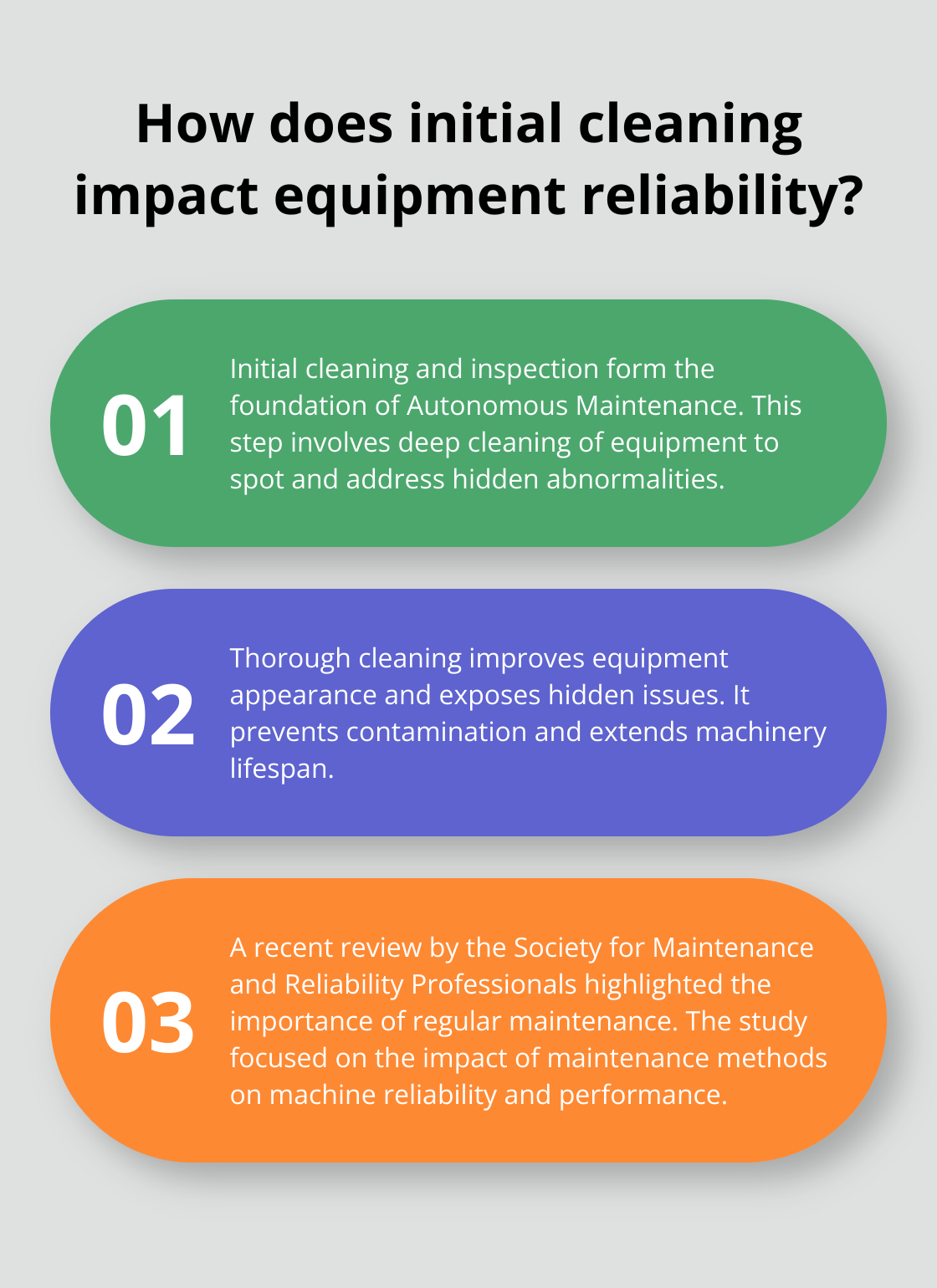
A thorough cleaning process does more than improve equipment appearance. It exposes hidden issues, prevents contamination, and extends machinery lifespan. A recent review by the Society for Maintenance and Reliability Professionals investigated the impact of maintenance methods on machine reliability, focusing on their relationship with overall performance and durability. This research highlights the importance of regular maintenance practices in improving equipment reliability.
When cleaning, operators should focus on hard-to-reach areas, as these often become hotspots for contamination and wear. The use of appropriate cleaning tools and techniques for each part of the equipment is essential. For example, compressed air suits dust removal from electrical components, while degreasing agents work best for oily surfaces.
Spotting and Addressing Abnormalities
The cleaning process often reveals various abnormalities. These range from loose bolts and worn belts to oil leaks and unusual noises. Operators need training on what to look for and how to distinguish between normal wear and potential problems.
A "tagging" system proves effective for this purpose. When an operator identifies an issue, they attach a color-coded tag to the specific area. For instance, red tags could indicate safety concerns, while yellow tags might signify performance issues. This visual system helps prioritize maintenance tasks and ensures that no problem goes unaddressed.
Creating Actionable Documentation
Documentation of findings is essential for tracking equipment health over time and creating effective action plans. Digital tools work best for this purpose, as they allow for real-time updates and easy access to historical data.
When documenting, operators should include:
- Detailed descriptions of abnormalities
- Photos or videos of the issues
- Date and time of discovery
- Severity assessment
- Recommended actions
This comprehensive approach enables maintenance teams to prioritize tasks, allocate resources efficiently, and track the effectiveness of their interventions over time.
Many organizations use specialized software to streamline this process. For instance, connected worker platforms (like Weever) offer intuitive digital forms for easy data capture and real-time dashboards for cross-team visibility. This ensures that all stakeholders have access to up-to-date information, which facilitates quick decision-making and proactive maintenance.
The implementation of thorough cleaning and inspection routines sets the stage for the next crucial step in Autonomous Maintenance: the development of cleaning and inspection standards. These standards will build upon the insights gained during the initial cleaning process, creating a systematic approach to equipment maintenance.
How to Develop Effective Cleaning and Inspection Standards
Create Detailed Cleaning Procedures
Detailed cleaning procedures form the backbone of effective Autonomous Maintenance. These procedures should outline specific steps for each piece of equipment.
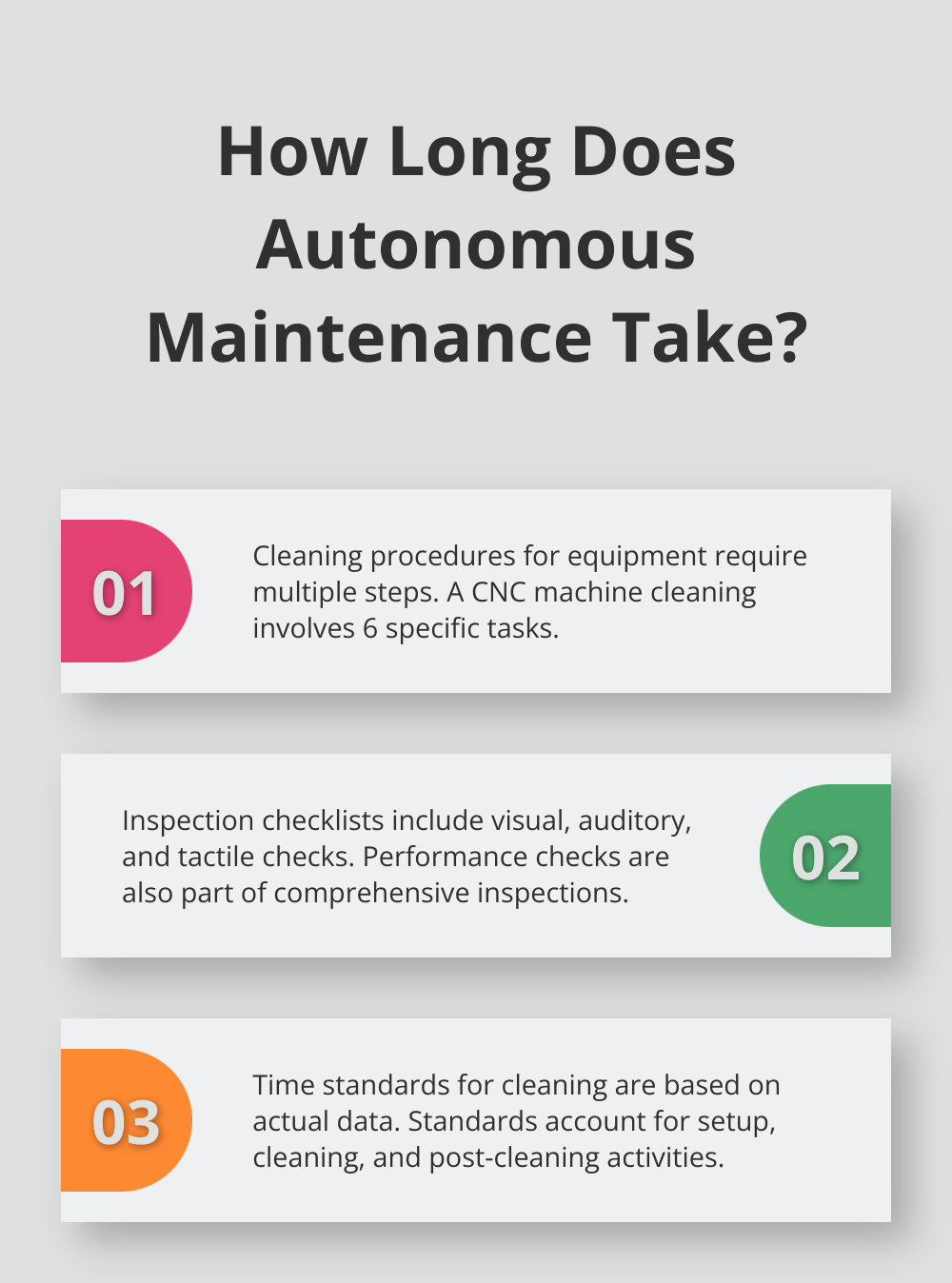
To create these procedures:
- Increase worker knowledge and skills
- Perform preliminary cleanup and examination of equipment
- Get rid of contamination sources
For example, a cleaning procedure for a CNC machine might include:
- Power down and lock out the machine
- Remove and clean chip conveyors
- Clean coolant tanks and filters
- Wipe down external surfaces with appropriate cleaning agents
- Clean and lubricate guide ways and ball screws
- Inspect and clean electrical cabinets (if qualified)
Establish Comprehensive Inspection Checklists
Inspection checklists complement cleaning procedures by guiding operators on what to look for during routine checks.
Effective checklists should include:
- Visual inspections (checking for wear, leaks, or damage)
- Auditory inspections (listening for unusual noises)
- Tactile inspections (feeling for excessive vibrations or heat)
- Performance checks (verifying proper operation of controls and displays)
Customize checklists for different equipment types and include clear pass/fail criteria for each item. This approach helps operators quickly identify when intervention is needed.
Set Realistic Time Standards
Time standards for cleaning activities are essential for scheduling and resource allocation. These standards should be realistic and based on actual data.
To set effective time standards:
- Time several operators performing the cleaning tasks
- Account for variations in equipment condition and operator skill
- Include time for setup, actual cleaning, and post-cleaning activities
- Review and adjust standards regularly based on feedback and changing conditions
The goal is to set achievable standards that maintain equipment cleanliness without compromising production schedules.
Implement Digital Tools for Standard Management
Robust systems for tracking and managing maintenance activities are essential. Digital platforms offer intuitive tools for creating, distributing, and monitoring cleaning and inspection standards across organizations. With real-time data capture and analysis capabilities, such platforms enable continuous improvement of Autonomous Maintenance programs.
When selecting a digital tool, consider features like:
- User-friendly interfaces for easy adoption
- Real-time data synchronization across devices
- Customizable forms and checklists
- Analytics and reporting capabilities
The next step in the Autonomous Maintenance journey involves training operators on these newly developed standards and procedures. This training ensures that all team members understand and can effectively implement the cleaning and inspection routines.
How to Train Operators for Effective Cleaning and Inspection
Master Cleaning Tools and Techniques
Effective training starts with operator familiarity of the right cleaning tools and materials for each equipment piece. This includes an understanding of which solvents or cleaning agents are safe for different surfaces and components. For instance, harsh chemicals can damage sensitive electronic parts, while mild cleaners might prove ineffective on heavily soiled mechanical components.
Hands-on practice sessions are essential. The program should combine classroom sessions with hands-on practice. Operators must learn to conduct thorough equipment inspections. This practical approach allows operators to experience the proper techniques for cleaning various equipment parts firsthand.
Develop a Keen Eye for Abnormalities
Training operators to detect equipment abnormalities prevents major breakdowns. This involves teaching them to use their senses – sight, sound, smell, and touch – to detect abnormalities during inspections. Visual inspections can reveal issues like cracks, corrosion, or misalignments. Auditory checks help identify unusual noises that might indicate bearing wear or loose components. Tactile inspections can detect excessive vibrations or heat, which often precede equipment failure.
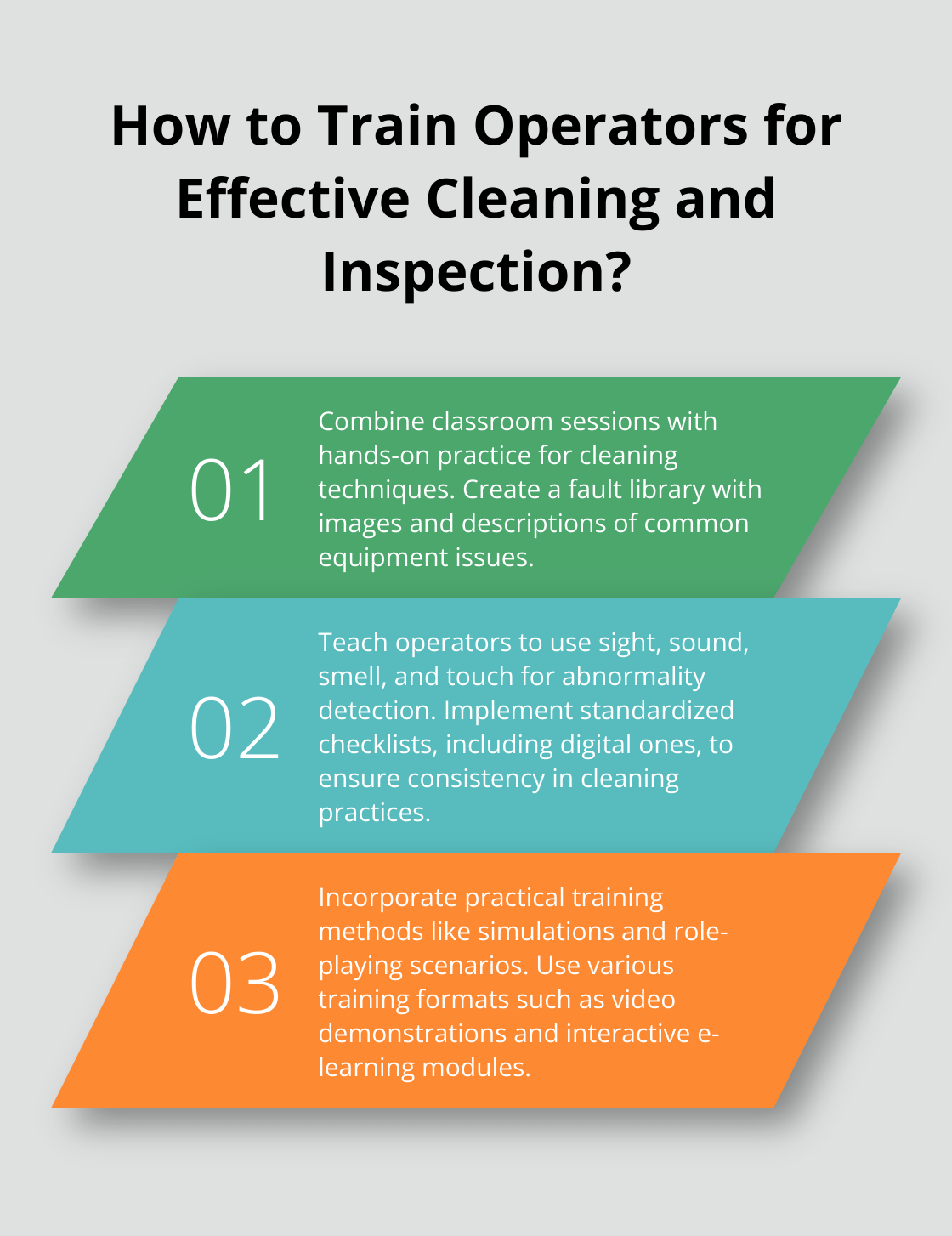
One effective training method involves the creation of a "fault library" - a collection of images and descriptions of common equipment issues. This resource helps operators recognize problems quickly and accurately. For instance, a fault library for a hydraulic system might include images of oil leaks, worn seals, and contaminated fluid samples.
Ensure Consistency in Cleaning Practices
Consistency in cleaning practices is key to the success of Autonomous Maintenance. Training should emphasize the importance of following established procedures every time. This not only ensures thorough cleaning but also helps in early detection of developing issues.
One way to promote consistency is through the use of standardized checklists. These guides ensure that operators don't miss steps during the cleaning and inspection process. Digital checklists can be particularly effective (available through platforms like Weever). They allow for real-time tracking of completed tasks and can include embedded photos or videos demonstrating proper techniques.
Regular refresher training sessions address any new challenges that have arisen and reinforce best practices. These sessions also provide an opportunity for operators to share their experiences and insights, fostering a culture of continuous improvement.
Implement Practical Training Methods
Try to incorporate practical, hands-on training methods to reinforce learning. This can include simulations of common equipment issues, role-playing scenarios for troubleshooting, and supervised practice sessions on actual equipment (when safe and feasible).
Use a mix of training formats to cater to different learning styles. This might include video demonstrations, interactive e-learning modules, and small group workshops. The variety helps maintain engagement and improves retention of important information.
Measure and Improve Training Effectiveness
Regularly assess the effectiveness of your training program. Use practical tests and on-the-job observations to evaluate how well operators apply their training in real-world situations. Collect feedback from both trainers and trainees to identify areas for improvement.
Track key performance indicators (KPIs) related to equipment reliability and maintenance efficiency. These metrics can help you gauge the impact of your training efforts and make data-driven decisions about future training needs.
Wrapping Up
Autonomous Maintenance Step 2 establishes a robust foundation for equipment reliability and longevity. Organizations uncover hidden issues, prevent contamination, and extend machinery lifespan through thorough cleaning and inspection routines. The development of detailed procedures, checklists, and time standards ensures consistency and efficiency in maintenance activities.
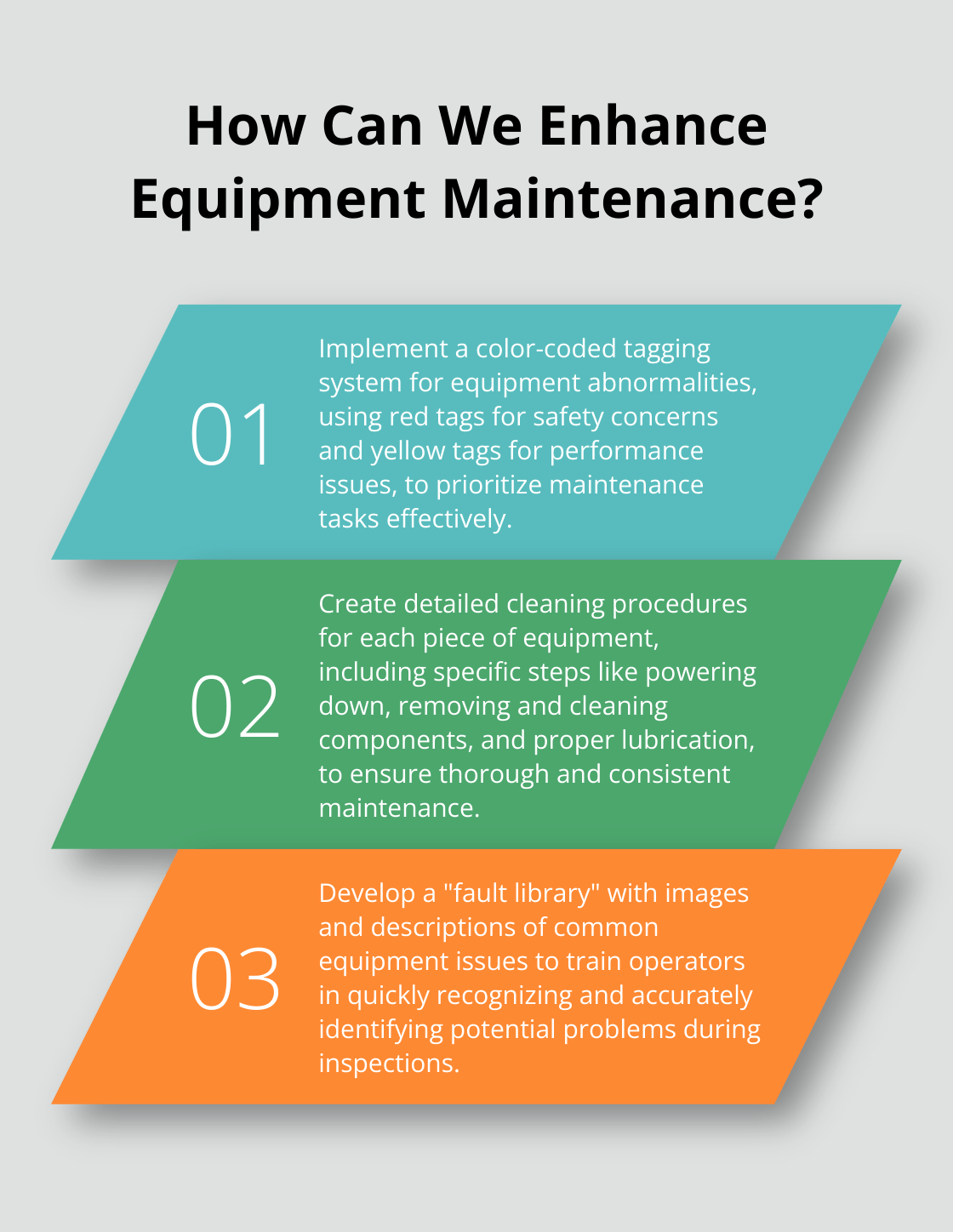
Operator training on proper cleaning techniques and abnormality detection empowers staff to take ownership of equipment health. This shift in responsibility improves equipment performance and fosters a culture of proactive maintenance throughout the organization. The benefits include reduced downtime, improved product quality, and significant cost savings through early detection and prevention of equipment failures.
Many organizations streamline the implementation of Autonomous Maintenance Step 2 with digital solutions. Connected Worker platforms offer intuitive tools for creating digital checklists, capturing real-time data, and providing cross-team visibility. These platforms support comprehensive programs (such as 5S Audits and Autonomous Maintenance), making them valuable assets in the journey towards operational excellence.

Understanding Safety Risk Management
Safety Risk Management is a critical process for protecting workers and businesses from potential hazards. At Weever Apps, we understand the importance of implementing robust safety measures to prevent accidents and minimize risks in the workplace.
This blog post will explore the key components of Safety Risk Management, effective implementation strategies, and essential tools and techniques. We'll also discuss the meaning of Safety Risk Management and its long-term benefits for organizations and employees.
Key Components of Safety Risk Management
Identifying Workplace Hazards
Safety Risk Management starts with the identification of potential sources of harm in the workplace. The Occupational Safety and Health Administration (OSHA) lists common workplace hazards, including physical hazards (e.g., machinery), chemical hazards (e.g., toxic substances), and ergonomic hazards. These include repetition, awkward posture, forceful motion, stationary position, direct pressure, vibration, extreme temperature, noise, and work stress.
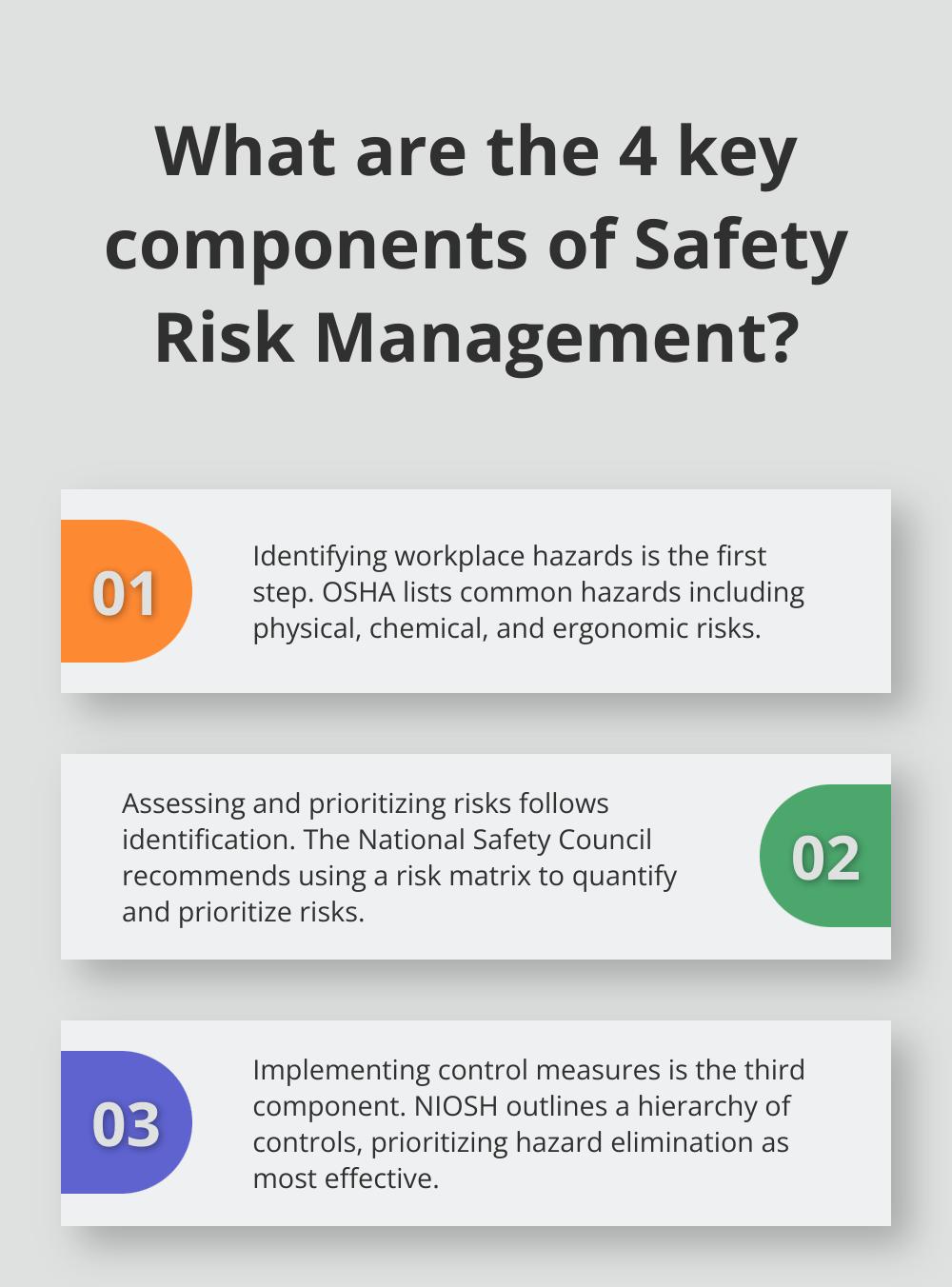
Organizations should conduct regular workplace inspections, review incident reports, and encourage employee feedback to identify hazards effectively. A manufacturing company might use a daily checklist to inspect machinery, while a construction firm could implement an anonymous system for workers to report near-misses.
Assessing and Prioritizing Risks
After hazard identification, organizations must assess and prioritize the associated risks. This step involves evaluating the likelihood of an incident and the potential severity of its consequences. The National Safety Council recommends the use of a risk matrix to quantify and prioritize risks based on these factors.
For instance, a chemical spill in a laboratory might have a low likelihood but high severity, while a trip hazard in an office might have a high likelihood but lower severity. Assigning numerical values to these factors allows organizations to prioritize their risk mitigation efforts effectively.
Implementing Control Measures
The next component involves the implementation of control measures to eliminate or reduce identified hazards. The National Institute for Occupational Safety and Health (NIOSH) outlines the hierarchy of controls, which provides a framework for selecting the most effective control measures.
This hierarchy prioritizes hazard elimination as the most effective measure, followed by substitution, engineering controls, administrative controls, and personal protective equipment as a last resort. A company might replace a toxic cleaning agent with a safer alternative (substitution) or install machine guards to prevent access to moving parts (engineering control).
Continuous Monitoring and Review
The final component of Safety Risk Management requires ongoing monitoring and review. Organizations must regularly evaluate the effectiveness of implemented control measures and adjust them as necessary. The American Society of Safety Professionals recommends formal reviews at least annually, with more frequent checks for high-risk areas.
Monitoring can include the analysis of incident data, safety audits, and employee feedback. A construction company might track the number of near-misses reported each month to identify trends and areas for improvement.
These four components form the foundation of a robust Safety Risk Management system. Organizations that integrate these elements into their safety programs can proactively address workplace hazards and promote a culture of safety. Digital tools (such as Weever's Connected Worker platform) can streamline this process by providing real-time data capture and analysis capabilities, making it easier for companies to implement and maintain effective Safety Risk Management practices.
The next chapter will explore strategies for implementing an effective Safety Risk Management process, including the development of a safety culture and the importance of training and education.
Implementing an Effective Safety Risk Management Process
Fostering Leadership Commitment
The implementation of an effective safety management program requires a fundamental shift in organizational culture. It starts with unwavering commitment from leadership. Leaders must demonstrate this commitment through regular participation in safety walks, attendance at safety meetings, and allocation of resources for safety initiatives.
Empowering Employees
Employee empowerment forms the cornerstone of a robust safety culture. Organizations should encourage workers to report hazards, near-misses, and suggest improvements without fear of reprisal. A safety suggestion program with rewards for the best ideas can significantly boost employee engagement.
Comprehensive Training Programs
Effective training underpins any successful safety program. A robust training program should cover both general safety principles and job-specific hazards. The use of a mix of classroom instruction, hands-on practice, and online modules caters to different learning styles and enhances knowledge retention.
Leveraging Technology for Documentation
Proper documentation plays a vital role in tracking progress, identifying trends, and demonstrating compliance. Digital tools (such as Weever's Connected Worker platform) streamline this process, offering intuitive digital forms for easy data capture and real-time dashboards for cross-team visibility. This approach not only saves time but also provides valuable insights for continuous improvement.
Continuous Improvement through Data Analysis
Safety demands an ongoing process of improvement. Regular analysis of safety data helps identify trends and areas for enhancement. The use of leading indicators (like near-miss reports and safety observation completion rates) alongside lagging indicators (such as incident rates) provides a comprehensive view of safety performance.
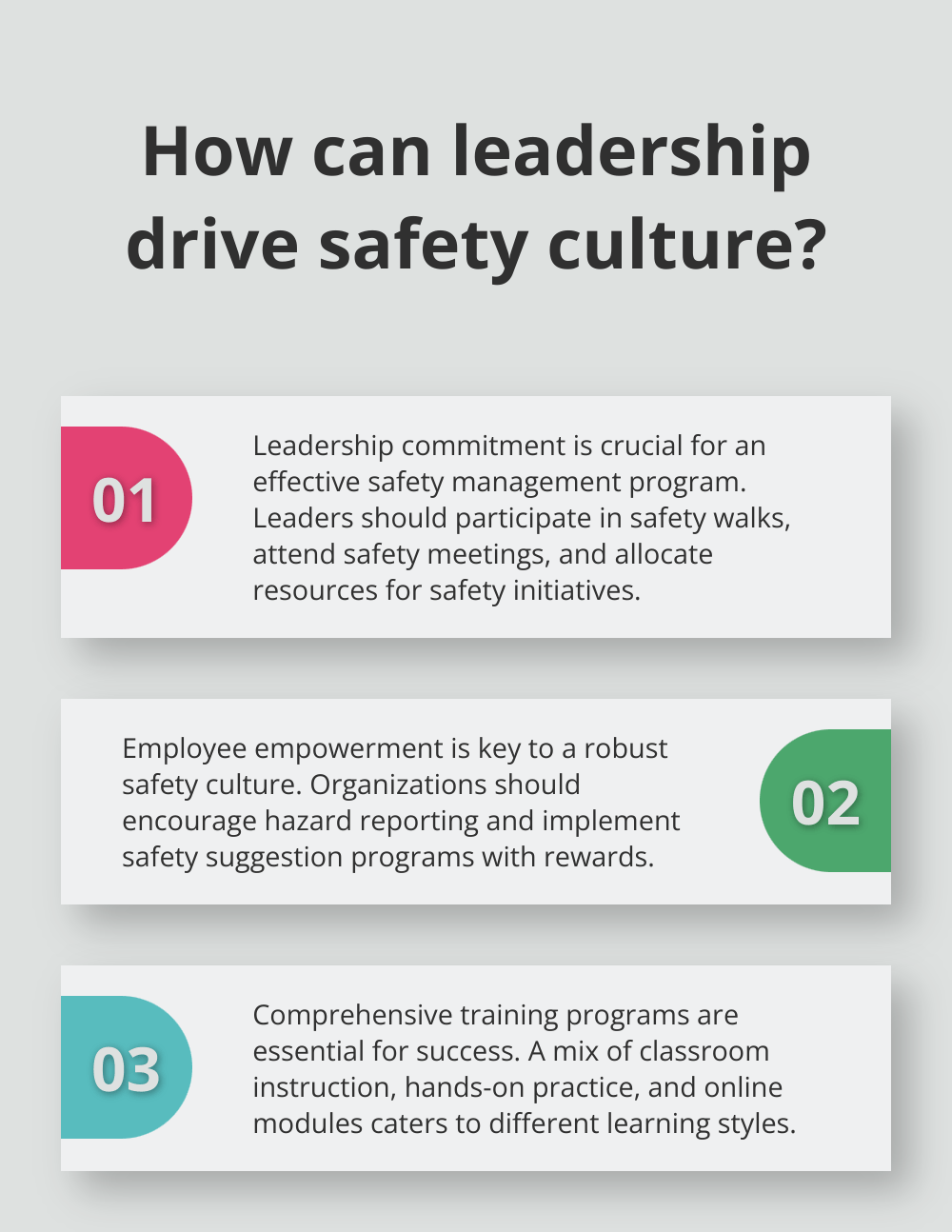
The next chapter will explore essential tools and techniques for effective Safety Risk Management, including Job Safety Analysis (JSA), Failure Mode and Effects Analysis (FMEA), and the Risk Assessment Matrix.
Practical Tools for Effective Safety Risk Management
Job Safety Analysis: Breaking Down Tasks for Safety
Job Safety Analysis (JSA) examines job tasks to identify potential hazards. This method breaks down a job into specific steps, identifies potential hazards associated with each step, and determines preventive measures to control these hazards.
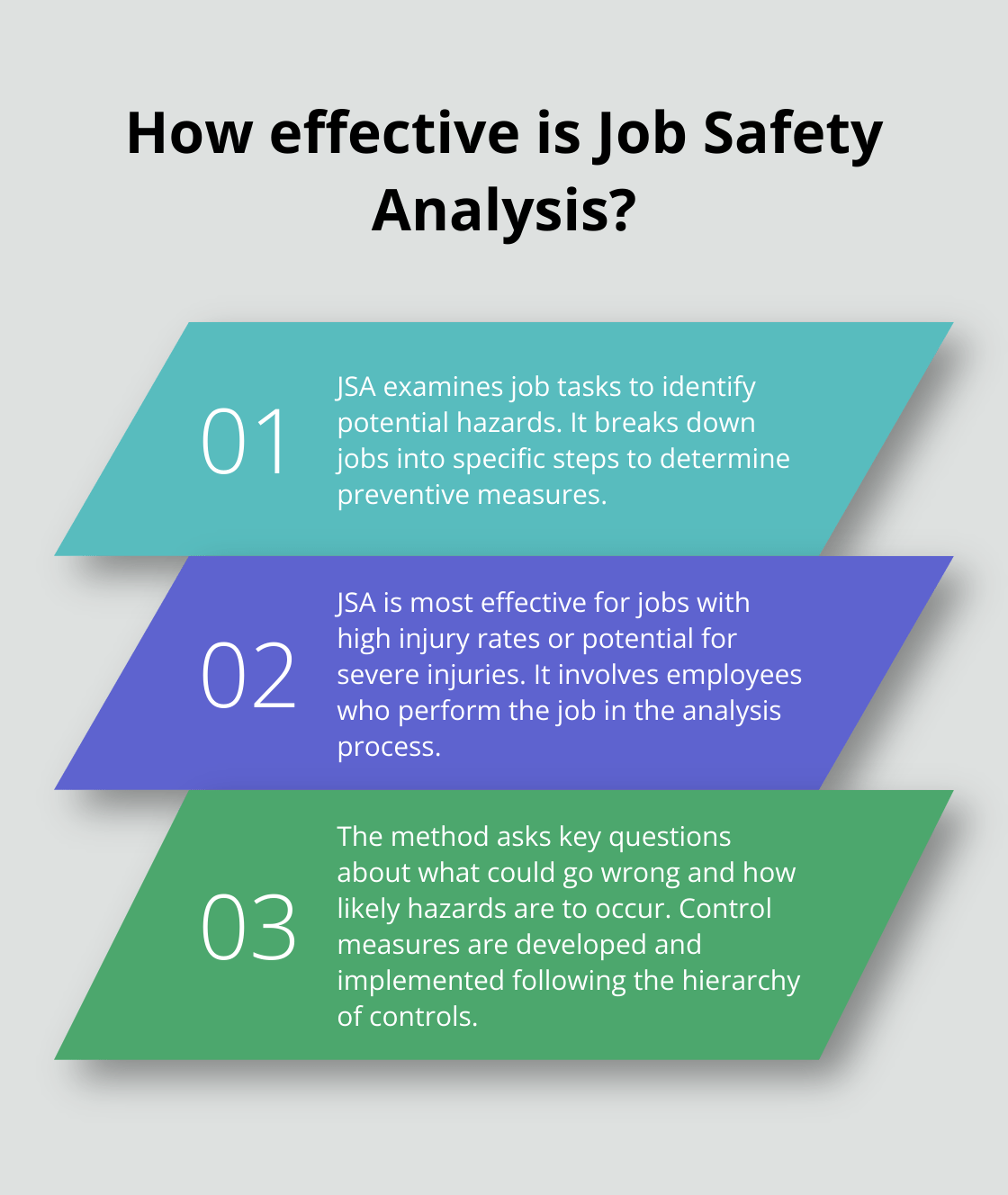
To conduct an effective JSA:
- Select jobs with the highest injury rates, new jobs, or jobs with the potential for severe injuries
- Involve employees who perform the job in the analysis process
- For each step of the job, ask:
- What could go wrong?
- What are the consequences?
- How could it happen?
- What are other contributing factors?
- How likely is it that the hazard will occur?
After hazard identification, develop and implement control measures following the hierarchy of controls. Review and update JSAs regularly, especially when processes change or after incidents occur.
FMEA: Predicting and Preventing Failures
Failure Mode and Effects Analysis (FMEA) identifies potential failure modes in a system, product, or process. It helps prioritize risks based on their severity, occurrence, and detectability.
To implement FMEA:
- Identify all possible failure modes
- Determine the effects of each failure
- Identify the causes of each failure
- Rate the severity, occurrence, and detection of each failure
- Calculate the Risk Priority Number (RPN) by multiplying these ratings
- Develop and implement corrective actions for high-risk failures
FMEA works best when conducted by a cross-functional team, bringing diverse perspectives to the analysis. It applies particularly well to manufacturing and engineering settings but adapts to various industries.
Bow-Tie Analysis: Visualizing Risk Pathways
Bow-Tie Analysis provides a visual representation of the pathways between hazards, their potential consequences, and the barriers in place to prevent or mitigate them. This method works well for complex scenarios where multiple factors can lead to various outcomes.
To create a Bow-Tie diagram:
- Identify the hazard or top event in the center
- List potential causes on the left side
- List potential consequences on the right side
- Add preventive controls between the causes and the hazard
- Add mitigative controls between the hazard and the consequences
This visual approach helps teams understand the relationships between different elements of risk and identify where additional controls might be needed. It excels at communicating risk scenarios to stakeholders at all levels of an organization.
Digital Tools: Enhancing Safety Risk Management
Digital tools can enhance risk prevention and safety programs to ensure compliance. These tools offer features like:
- Intuitive digital forms for easy data capture
- Real-time dashboards for cross-team visibility
- Automated workflows for faster issue resolution
Such platforms enhance compliance, save costs, and drive digital transformation in safety management (making them indispensable for optimizing frontline operations).
Final Thoughts
Safety risk management forms the foundation of workplace well-being and organizational success. Companies that implement robust safety measures protect their employees and safeguard their operations and reputation. The meaning of safety risk management transcends mere compliance; it represents a proactive approach to identify, assess, and mitigate potential hazards before incidents occur.
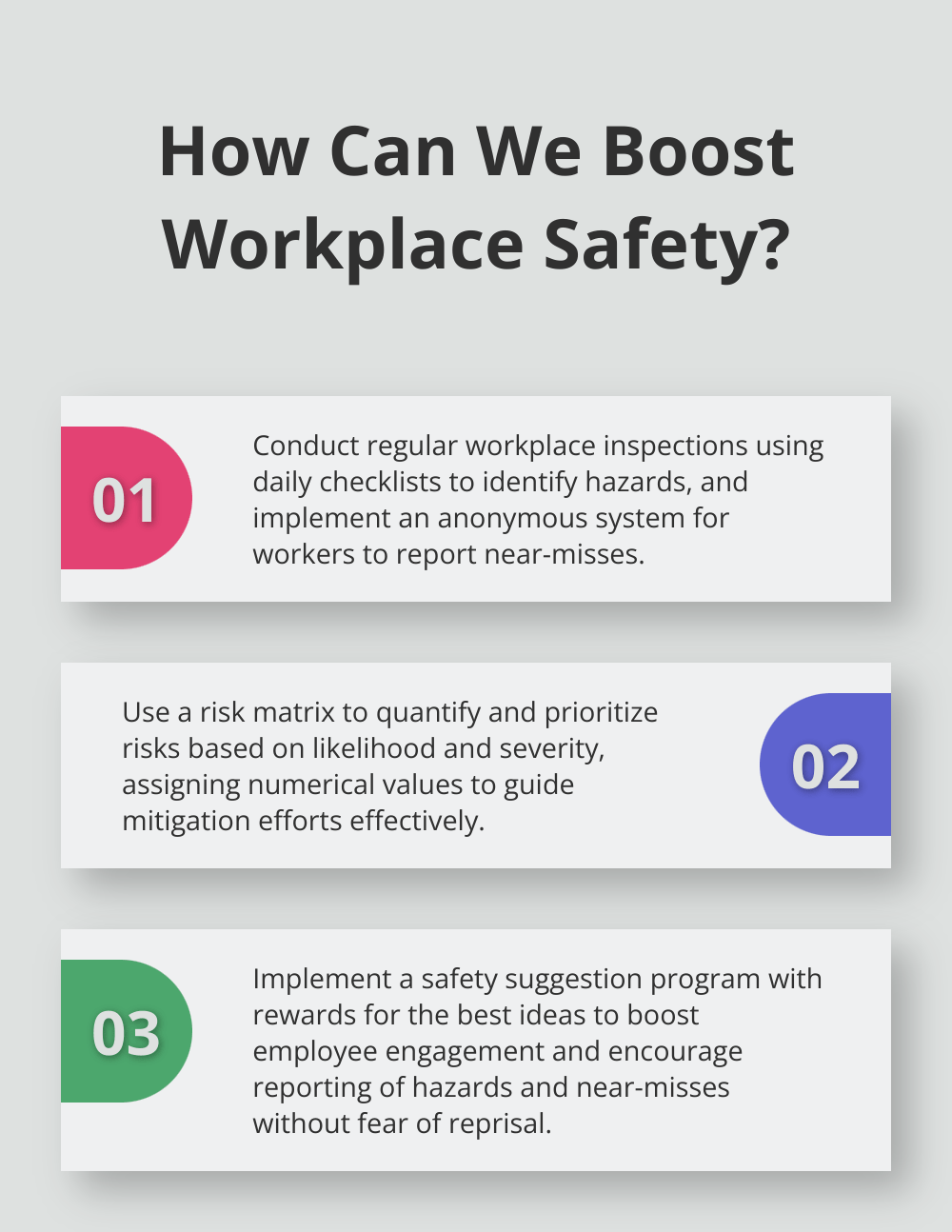
Organizations that prioritize safety risk management experience fewer workplace accidents, reduced downtime, and lower insurance premiums. A strong safety culture fosters employee trust and engagement, which leads to increased productivity and job satisfaction. Employees benefit from reduced stress, improved morale, and a greater sense of security in a safer work environment.
The future of safety risk management intertwines with technological advancements. We at Weever Apps offer a Connected Worker platform that streamlines safety processes and enhances operational efficiency. Emerging trends include artificial intelligence for predictive risk analysis, wearable technology for real-time monitoring, and virtual reality for immersive safety training (all of which promise to create even safer work environments).
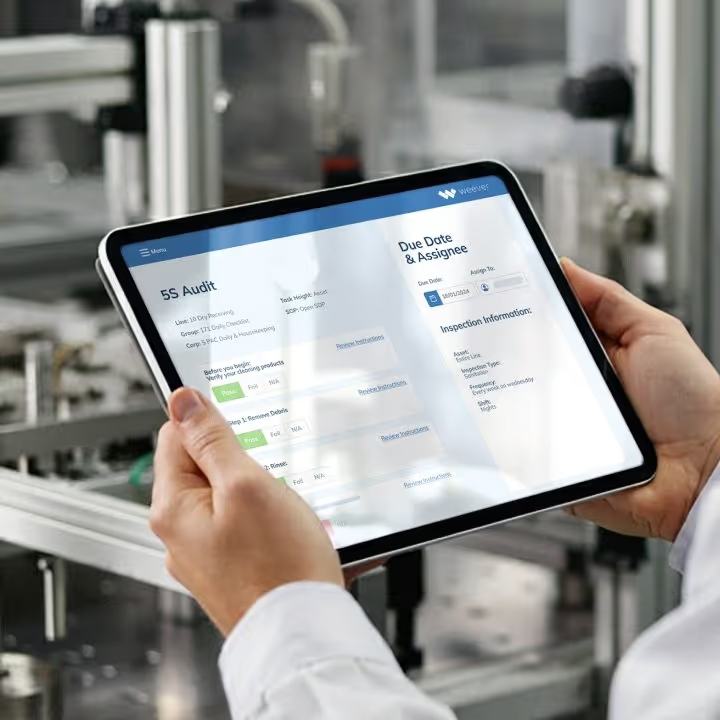
5S Audits Made Simple with Weever: Creating a More Efficient Real-Time Workplace
The 5S methodology—Sort, Set in Order, Shine, Standardize, and Sustain—is a cornerstone of workplace efficiency and organization. By promoting cleanliness, safety, and orderliness, 5S helps manufacturers maintain productive environments and minimize waste. However, implementing and maintaining 5S principles requires regular audits to ensure standards are upheld. Without the right tools, this process can become cumbersome and inefficient.
Weever software offers a streamlined solution, simplifying 5S audits and empowering organizations to create a more efficient and organized workplace. By digitizing audit processes and providing actionable insights, Weever makes it easier than ever to uphold 5S principles.
So, how does Weever simplify 5S audits to create a more efficient and organized workplace? Let’s explore how Weever supports each stage of the 5S auditing process.
Simplified Audits on an Intuitive Platform
Conducting regular 5S audits shouldn’t be complicated. Weever’s intuitive platform ensures that employees can perform audits quickly and accurately, regardless of their level of experience or technical expertise.
Key Features of Weever’s User-Friendly Platform
- Easy-to-Use Interface: Employees can access predefined 5S checklists, making it simple to evaluate workplace organization and cleanliness.
- Minimal Training Required: New users can get started with little to no training, reducing onboarding time and effort.
- Mobile Access: Audits can be conducted on mobile devices, allowing employees to complete them directly on the shop floor, saving time and effort.
By reducing the complexity of 5S audits, Weever empowers every team member to actively participate in maintaining workplace standards. With a user-friendly platform, Weever ensures that audits are not only thorough but also consistent across teams.
Automating the Audits: Scheduling and Action Items
Consistency is key to 5S success, and Weever ensures that audits are conducted on time and that corrective actions are tracked and completed. By automating workflows and action items, Weever takes the guesswork out of 5S audit management.
How Weever’s Automation Supports 5S Audits
- Scheduled Audits: Weever automates the scheduling of 5S audits, ensuring they occur at regular intervals and aren’t overlooked.
- Assignment of Tasks: Specific responsibilities are assigned to team members, providing clarity on who is accountable for completing each audit or action item.
- Follow-Up Tracking: Action items resulting from audits are tracked in the system, ensuring that follow-ups are completed and nothing is missed.
This automation removes the manual burden of tracking audits and corrective actions, freeing up time for employees to focus on maintaining an organized and efficient workplace. With Weever, teams can ensure that 5S audits are always completed on schedule and that any issues identified are resolved promptly.
Data-Driven Real-Time Insights into the 5S Audit
Maintaining workplace organization isn’t just about completing audits—it’s about understanding the results and identifying areas for continuous improvement. Weever’s platform provides actionable insights into 5S audit data, allowing teams to monitor trends and make informed decisions.
Weever’s Insights and Reporting Capabilities
- Detailed Analytics: Audit results are compiled into visual reports, highlighting patterns and trends that may require attention.
- Real-Time Feedback: Weever’s real-time reporting feature enables immediate access to audit results, so teams can quickly address areas of concern.
- Improvement Tracking: Over time, Weever helps organizations track their progress in workplace organization and cleanliness, making it easier to sustain improvements.
These insights empower manufacturers to move beyond reactive problem-solving and toward proactive workplace management. By identifying recurring issues and improvement opportunities, Weever ensures that 5S principles are continuously reinforced.
Successful Deployment Across Your Organization
Implementing 5S audits consistently across an organization can be a challenge, especially for larger operations with multiple departments or facilities. Weever’s structured rollout plan ensures that 5S audits are applied uniformly, creating consistent standards for workplace organization.
How Weever’s Rollout Methodology Works
- Seamless Integration: Weever’s platform integrates easily with existing workflows, minimizing disruption during implementation.
- Standardized Processes: Predefined templates and checklists ensure that all departments adhere to the same 5S audit standards.
- Training and Support: Comprehensive resources and support are provided, helping teams quickly adapt to the new system.
By standardizing the approach to 5S audits, Weever ensures that every department operates under the same principles, fostering a unified culture of organization and efficiency. This consistency not only enhances productivity but also reinforces the long-term sustainability of 5S practices.
Why Choose Weever for Your 5S Audits?
Weever transforms the way manufacturers conduct 5S audits, providing a digital solution that simplifies every step of the process. By making audits more accessible, automating workflows, and delivering actionable insights, Weever empowers teams to maintain a clean, safe, and efficient workplace.
Key Benefits of Using Weever for 5S Audits
- Reduced audit complexity, enabling faster and more accurate evaluations.
- Automated workflows that ensure tasks are completed on time.
- Real-time data insights to drive continuous improvement.
- Consistent application of 5S principles across all departments.
With Weever, manufacturers can move beyond manual processes and spreadsheets, adopting a smarter, more efficient way to uphold 5S standards.
Take the First Step Toward a More Organized Workplace
Ready to simplify your 5S audits and create a more efficient and organized workplace? Weever’s platform provides the tools you need to track, report, and sustain workplace organization and cleanliness. Contact us today for a demo and discover how Weever can help you streamline your 5S audits and maintain excellence across your operations.
Key Elements of Autonomous Maintenance Presentations
Autonomous maintenance is a game-changer in modern manufacturing. At Weever Apps, we've seen firsthand how it revolutionizes production processes and boosts efficiency.
This blog post will guide you through creating compelling autonomous maintenance presentations. We'll even share where to find an autonomous maintenance PPT free download to kickstart your journey.
What is Autonomous Maintenance?
The Core of Autonomous Maintenance
Autonomous Maintenance (AM) empowers machine operators to take responsibility for the routine maintenance of the equipment they use. It shifts the focus from reactive repairs to proactive prevention of breakdowns.
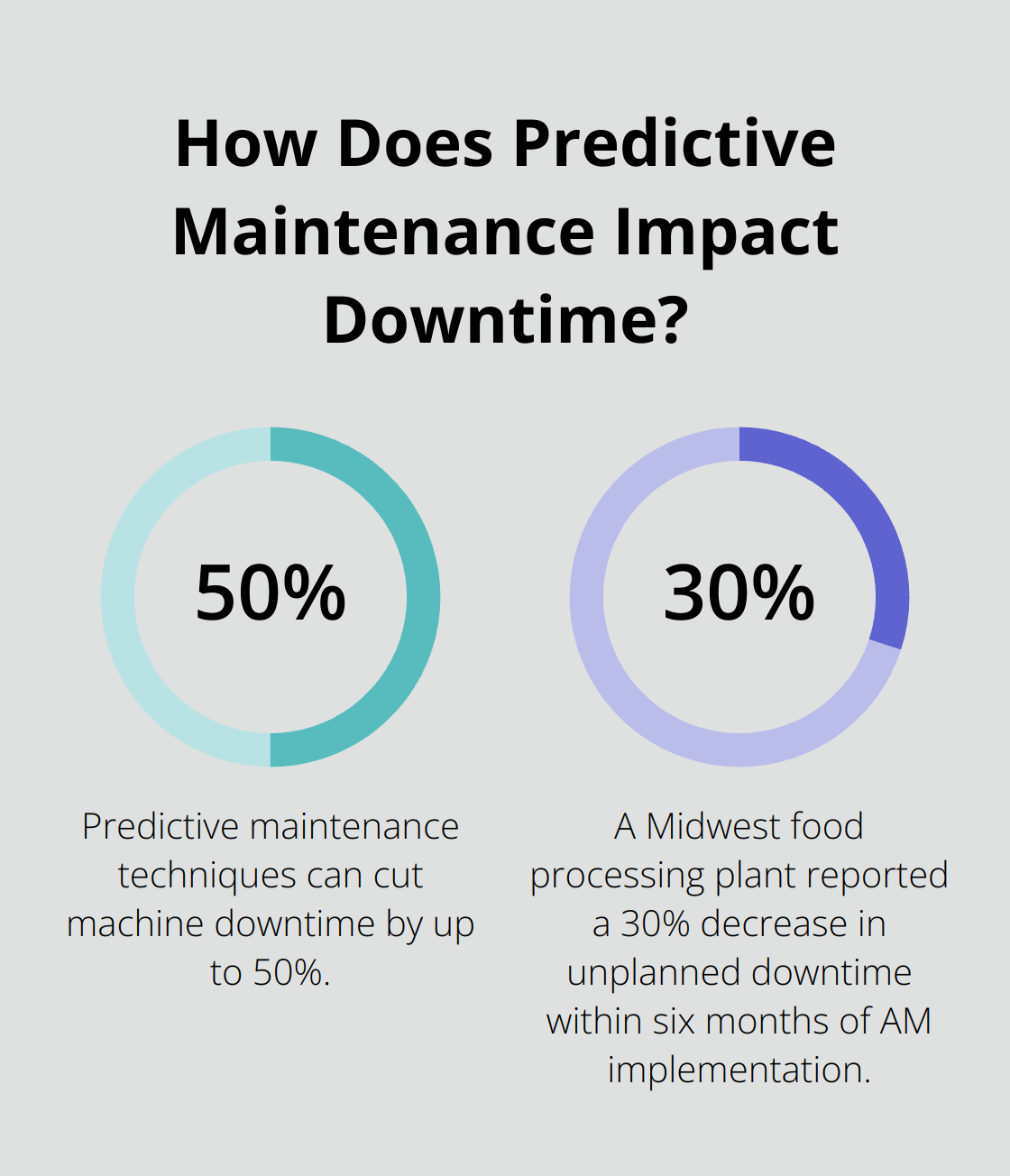
AM trains operators to perform basic maintenance tasks such as cleaning, lubricating, and inspecting their machines. This transfer of responsibility from dedicated maintenance teams to operators results in quicker issue detection and resolution.
A McKinsey & Company study reveals that predictive maintenance techniques (closely related to AM) can cut machine downtime by up to 50%. This statistic highlights AM's potential impact on manufacturing efficiency.
Tangible Benefits for Manufacturers
AM's advantages extend beyond downtime reduction. Manufacturers who implement AM often experience:
- Extended equipment lifespan
- Enhanced product quality
- Improved operator skills and job satisfaction
- Lower maintenance costs
For instance, a Midwest food processing plant reported a 30% decrease in unplanned downtime within six months of AM implementation. This translates to substantial cost savings and productivity gains.
AM's Role in Total Productive Maintenance
AM serves as a key pillar of Total Productive Maintenance (TPM), a comprehensive approach to equipment maintenance. While TPM encompasses various strategies, AM stands out as the foundation that enables other TPM initiatives to succeed.
AM fosters a culture of ownership among operators, creating a ripple effect that improves overall equipment effectiveness (OEE). The Event Marketing Institute reports that interactive elements in training (such as those used in AM programs) can increase retention of key points by up to 30%.
Technology's Role in AM Implementation
AM implementation requires a mindset shift and often benefits from technological support. Connected Worker platforms can significantly streamline AM processes. These platforms provide:
- Real-time data access
- Digital workflows
- User-friendly interfaces
Such features support operators in their new maintenance responsibilities, making the transition to AM smoother and more effective.
As we move forward, let's explore the essential components of an effective Autonomous Maintenance presentation. Understanding these elements will help you create compelling presentations that drive AM adoption in your organization.
How to Create Impactful Autonomous Maintenance Presentations
Set Clear Objectives
Start your presentation with a clear statement of your AM goals. For example, "We aim to reduce unplanned downtime by 40% within the next 12 months through AM implementation." This provides your audience with a concrete target to focus on.
Outline the Implementation Process
Break down the AM implementation into manageable steps. A food processing plant (which achieved a 30% reduction in downtime) used this phased approach:
- Initial operator training (2 weeks)
- Equipment cleaning and inspection (1 month)
- Development of standard operating procedures (2 weeks)
- Full implementation and monitoring (ongoing)
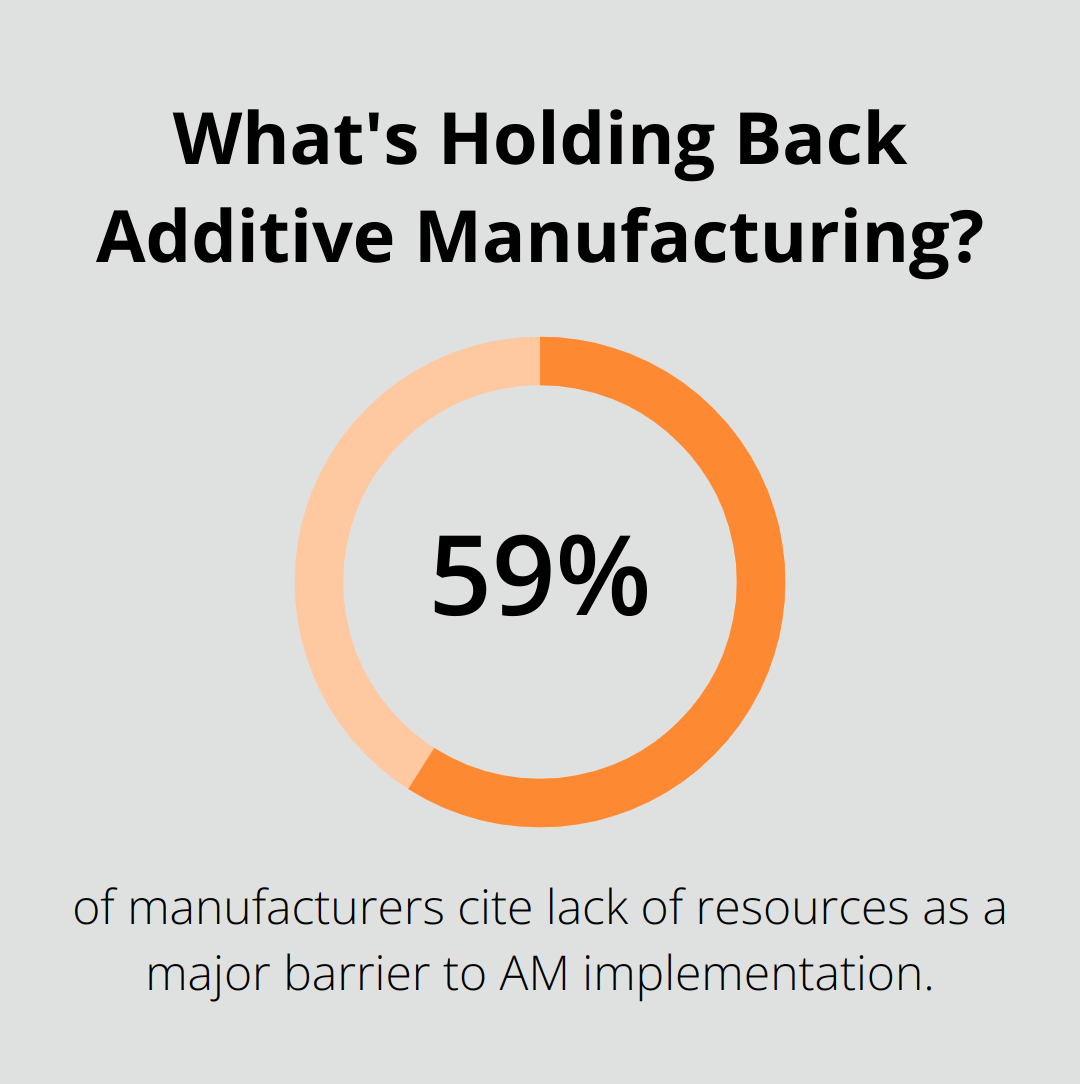
Presenting a clear roadmap helps stakeholders understand the journey ahead and sets realistic expectations.
Leverage Visual Aids
Use visuals to illustrate complex concepts. Create a before-and-after infographic showing how AM impacts equipment reliability. A manufacturing plant in Ohio used this technique to demonstrate a 25% increase in Overall Equipment Effectiveness (OEE) after implementing AM.
Real-world examples pack a punch. Share case studies from similar industries. An automotive parts manufacturer increased their production output by 15% within six months of AM implementation. These stories make the benefits tangible for your audience.
Focus on Key Performance Indicators
Highlight the KPIs that will measure AM success. Common metrics include:
- Mean Time Between Failures (MTBF)
- Overall Equipment Effectiveness (OEE)
- Percentage of planned vs. unplanned maintenance
A chemical processing facility tracked these KPIs and saw their MTBF increase by 40% in the first year of AM implementation.
Address Potential Challenges
Be upfront about potential hurdles. A survey by Plant Engineering found that 59% of manufacturers cite lack of resources as a major barrier to AM implementation. Address these concerns head-on and provide solutions, such as phased implementation or leveraging technology to streamline processes.
Demonstrate ROI
Show the financial impact of AM. A study by McKinsey & Company found that predictive maintenance techniques can reduce machine downtime by up to 50% and increase machine life by 20-40%. Use these figures to calculate potential savings for your organization.
Highlight Technology Solutions
Showcase how technology can support Autonomous Maintenance implementation. Overall Equipment Effectiveness (OEE) is a good key performance indicator for monitoring and controlling the reliability of equipment within a production environment. Connected Worker platforms can significantly streamline AM processes by providing digital workflows, real-time data access, and user-friendly interfaces. This technological support can make the transition to AM smoother and more effective.
The next chapter will explore how to engage your audience during the presentation, ensuring your message resonates and drives action.
How to Captivate Your Audience During AM Presentations
Boost Engagement with Interactive Elements
Start your presentation with a quick poll. Ask your audience about their biggest maintenance challenges. This not only grabs attention but also provides valuable insights. A manufacturing plant in Texas used this technique and discovered that 70% of their staff struggled with equipment breakdowns, helping them tailor their AM program accordingly.
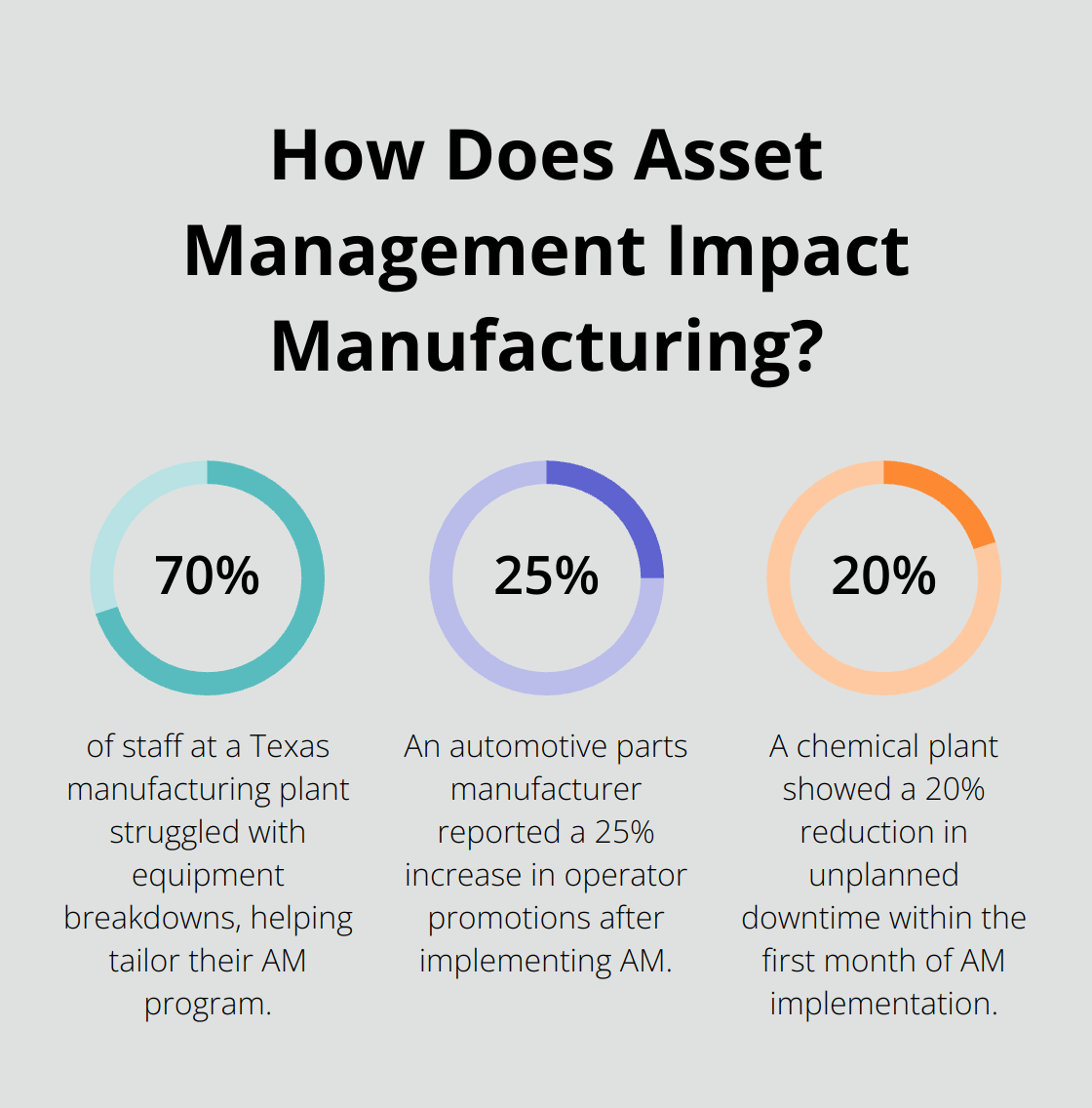
Use live demonstrations. Show a simple cleaning or inspection task that's part of AM. This hands-on approach can increase retention significantly.
Incorporate storytelling. Share a brief case study of a company that successfully implemented AM. For example, a paper mill in Oregon reduced their downtime by 35% in just three months after implementing AM. These real-world examples make the benefits tangible.
Interactive elements in AM presentations can increase audience retention rates by up to 50%, underscoring the value of engaging multimedia content in your presentations.
Address Common Concerns Head-On
Anticipate objections and address them proactively. A survey by Plant Engineering found that 59% of manufacturers cite lack of resources as a major barrier to AM implementation. Counter this by showcasing how AM can actually save resources in the long run.
Use data to dispel myths. Some may worry that AM will increase operator workload. Present a time study showing that while operators spend an average of 30 minutes per shift on AM tasks, this reduces reactive maintenance time by 2 hours, resulting in a net time saving.
Provide solutions to potential challenges. If staff training concerns you, highlight how digital platforms can provide on-demand training modules. Connected Worker platforms offer easy-to-follow digital workflows that guide operators through AM tasks, significantly reducing the learning curve.
Tailor Content to Different Stakeholders
Customize your message for different audience segments. For C-level executives, focus on ROI and strategic benefits. A McKinsey study showing that predictive maintenance techniques can reduce costs by 10-40% might resonate well with this group.
For plant managers, emphasize operational improvements. Highlight how AM can increase Overall Equipment Effectiveness (OEE). A food processing plant saw their OEE improve from 65% to 85% within a year of implementing AM.
When addressing operators, focus on skill development and job satisfaction. Share how AM can lead to career growth. An automotive parts manufacturer reported a 25% increase in operator promotions after implementing AM, as operators gained valuable skills.
Leverage Technology for Enhanced Engagement
Use digital tools to make your presentation more interactive. Platforms like Weever allow you to create digital checklists and workflows in real-time, demonstrating how easy AM implementation can be.
Show a live dashboard of AM metrics. This visual representation can help your audience understand the immediate impact of AM. A chemical plant used this technique to show a 20% reduction in unplanned downtime within the first month of AM implementation.
Final Thoughts
Effective autonomous maintenance presentations drive organizational change. Clear objectives, implementation processes, and engaging visuals make a compelling case for AM adoption. Tailoring content to different stakeholders and addressing concerns head-on increases the impact of your message.
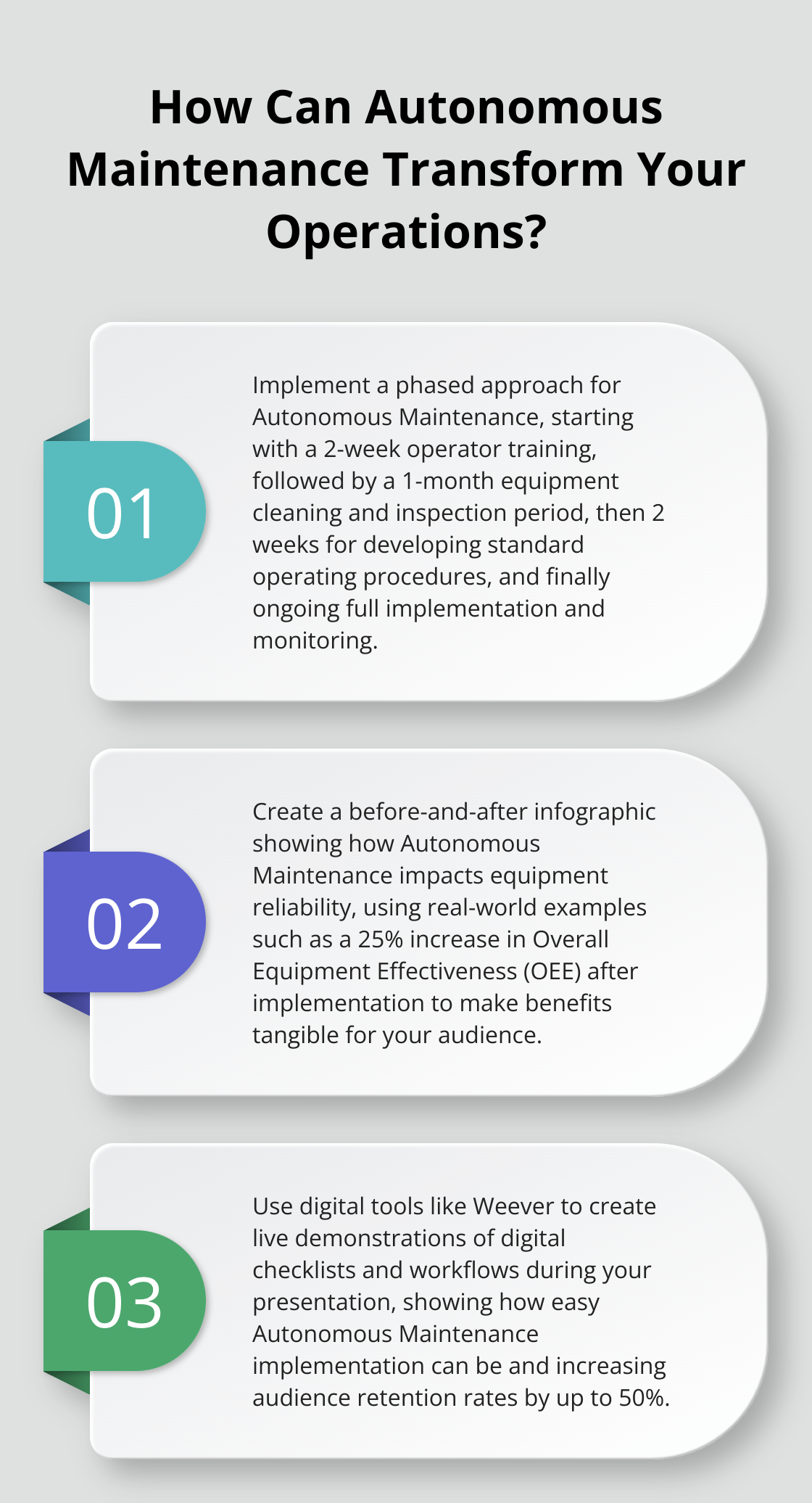
Digital tools enhance AM implementation. Many resources, including templates for autonomous maintenance PPT free downloads, serve as starting points for customized presentations. Weever's Connected Worker platform offers a comprehensive solution to streamline AM processes and enhance operator engagement.
Success in AM implementation requires persistence and the right tools. Start with a pilot program, measure results, and expand gradually. This approach optimizes maintenance processes and paves the way for a more efficient, productive, and competitive future for your organization.
Asset Integrity in Process Safety Management
Asset integrity is the cornerstone of effective process safety management. It's not just about maintaining equipment; it's about safeguarding lives, protecting the environment, and ensuring operational continuity.
At Weever Apps, we understand the critical role that asset integrity plays in process safety management. This blog post will explore the key components of a robust asset integrity program and provide practical strategies for implementation.
What is Asset Integrity in Process Safety?
Defining Asset Integrity
Asset integrity in process safety management is a systematic approach to maintain equipment and systems' performance throughout their lifecycle. It focuses on preserving the reliability and functionality of critical assets to prevent catastrophic failures, protect workers, and safeguard the environment. Modern process safety management is supported by an overall risk-based strategy founded on a series of different elements, such as hazard identification.
The Vital Importance of Asset Integrity
In process safety, asset integrity is not just a concept-it's a lifesaver. The U.S. Chemical Safety Board reported 94 major chemical incidents between 2009 and 2019, resulting in 57 fatalities and 316 injuries. Many of these incidents directly linked to asset integrity failures. This stark statistic underscores the critical importance of robust asset integrity programs in preventing disasters and protecting lives.
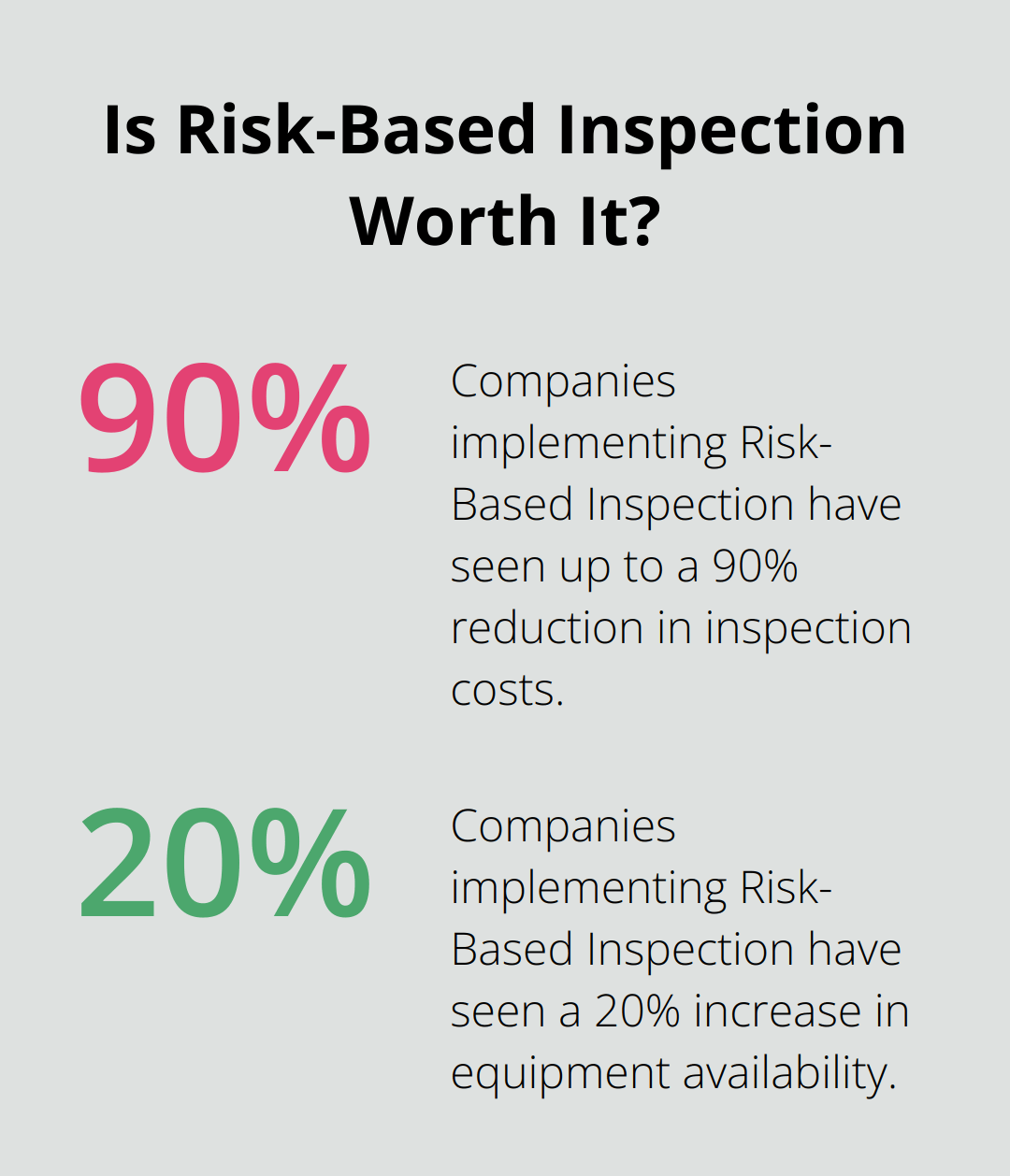
Asset integrity forms the foundation of process safety. It ensures that equipment can withstand operational stresses, contain hazardous materials, and function as designed under various conditions. Without proper asset integrity management, even the most sophisticated safety systems can fail, leading to potentially catastrophic consequences.
Key Components of Effective Asset Integrity Management
To implement a successful asset integrity program, organizations must focus on several critical components:
- Risk-Based Inspection (RBI): This approach prioritizes inspection and maintenance activities based on the likelihood and consequences of equipment failure. The American Petroleum Institute (API) reports that companies implementing RBI have seen up to a 90% reduction in inspection costs and a 20% increase in equipment availability.
- Reliability-Centered Maintenance (RCM): RCM focuses on maintaining system functions rather than just equipment. This strategy can lead to a 30-50% reduction in maintenance costs while improving equipment reliability (according to studies by the Society for Maintenance and Reliability Professionals).
- Corrosion Management: In the oil and gas industry alone, corrosion costs an estimated $1.372 billion annually. Comprehensive corrosion management programs can significantly reduce these costs and prevent integrity-related incidents.
Integration into Daily Operations
For asset integrity to be truly effective, organizations must weave it into the fabric of daily operations. This integration involves:
- Establishing clear roles and responsibilities for asset integrity across all levels of the organization.
- Implementing robust data management systems to track equipment health and maintenance history.
- Conducting regular audits and assessments to identify gaps in the asset integrity program.
Digital tools can transform asset integrity management. Connected Worker platforms (like the one offered by Weever Apps) enable real-time monitoring of equipment health, streamline inspection processes, and provide instant access to critical data. These capabilities empower teams to make informed decisions quickly and efficiently.
The next chapter will explore the practical steps to implement an effective asset integrity program, including risk assessment, maintenance strategies, and training initiatives.
How to Build a Robust Asset Integrity Program
Risk-Based Approach to Asset Integrity
A successful asset integrity program starts with a thorough risk assessment. This process identifies potential hazards, evaluates their likelihood and consequences, and prioritizes mitigation efforts. The American Society of Mechanical Engineers (ASME) reports that organizations implementing risk-based inspection methods can reduce inspection costs by up to 50% while improving equipment reliability.
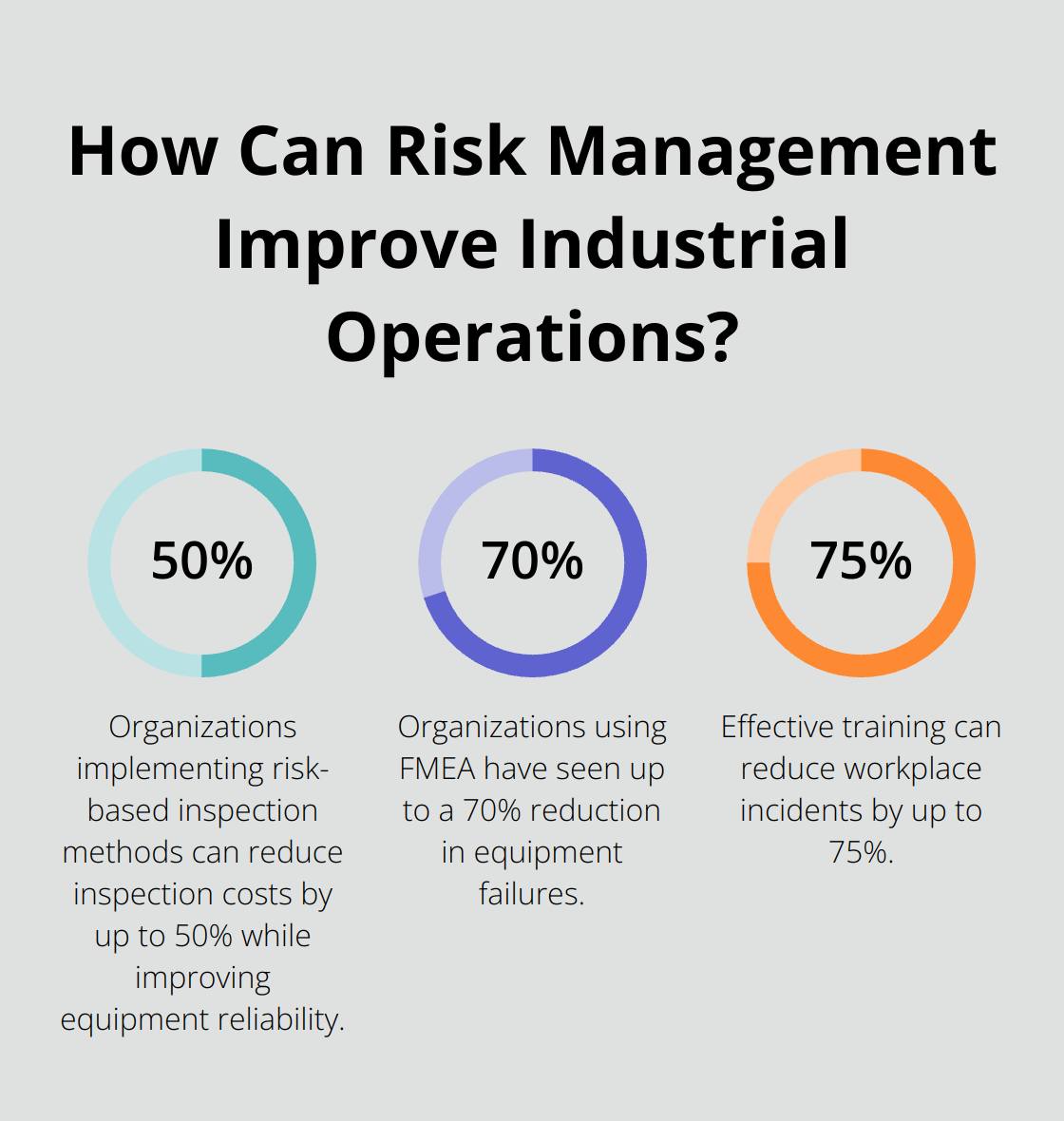
To conduct an effective risk assessment:
- Create a comprehensive asset inventory with detailed information about each piece of equipment, its criticality to operations, and potential failure modes.
- Use tools like Failure Mode and Effects Analysis (FMEA) to systematically analyze potential risks. The U.S. Department of Energy reports that organizations using FMEA have seen up to a 70% reduction in equipment failures.
Smart Maintenance Strategies
After risk identification and prioritization, develop a maintenance strategy that balances preventive and predictive approaches. Preventive maintenance involves regular, scheduled interventions to prevent failures. Predictive maintenance uses data and analytics to forecast when equipment is likely to fail, allowing for targeted interventions.
A McKinsey & Company study found that predictive maintenance can reduce machine downtime by 30-50% and increase machine life by 20-40%. To implement predictive maintenance effectively, invest in condition monitoring technologies such as vibration analysis, thermography, and oil analysis. These tools provide real-time insights into equipment health, enabling informed decision-making.
Cultivating Competency and Expertise
The success of any asset integrity program depends on the skills and knowledge of the people implementing it. Develop a comprehensive training program that covers both technical skills and safety awareness. The U.S. Occupational Safety and Health Administration (OSHA) emphasizes that effective training can reduce workplace incidents by up to 75%.
Create a structured competency framework that outlines the skills and knowledge required for different roles within the asset integrity program. This framework should include both initial training and ongoing development opportunities. Implement a mentorship program where experienced staff can guide and support newer team members.
Rigorous Documentation and Data Management
Accurate and accessible documentation is essential for maintaining asset integrity over time. Implement a robust system for recording inspection results, maintenance activities, and equipment modifications. The American Petroleum Institute (API) recommends that organizations maintain detailed records for the entire lifecycle of each asset.
Leverage digital tools to streamline documentation processes and improve data accessibility. APM Integrity helps plant operators ensure mechanical asset integrity & compliance by monitoring changing risk conditions, reducing unplanned downtime. When selecting a digital solution, prioritize platforms that offer real-time data capture, easy search functionality, and robust reporting capabilities.
Leveraging Technology for Enhanced Asset Integrity
Modern technology plays a pivotal role in enhancing asset integrity management. Connected Worker platforms (like the one offered by Weever Apps) enable real-time visibility of equipment health, streamline inspection processes, and provide instant access to critical data. These capabilities empower teams to make quick and efficient informed decisions.
Advanced analytics and machine learning algorithms can predict potential failures with increasing accuracy, allowing for proactive maintenance interventions. Internet of Things (IoT) sensors provide continuous data streams on equipment performance, enabling more precise monitoring and analysis.
As we move forward, the next chapter will explore the common challenges organizations face in maintaining asset integrity and the industry best practices to overcome these obstacles.
Overcoming Asset Integrity Hurdles in Process Safety Management
The Data Dilemma
Asset integrity management faces a significant challenge in handling vast amounts of data. Examples of this can be found in the fields of asset integrity management, safety management, and quality management. Advanced risk analytics and complex technical systems contribute to this challenge.
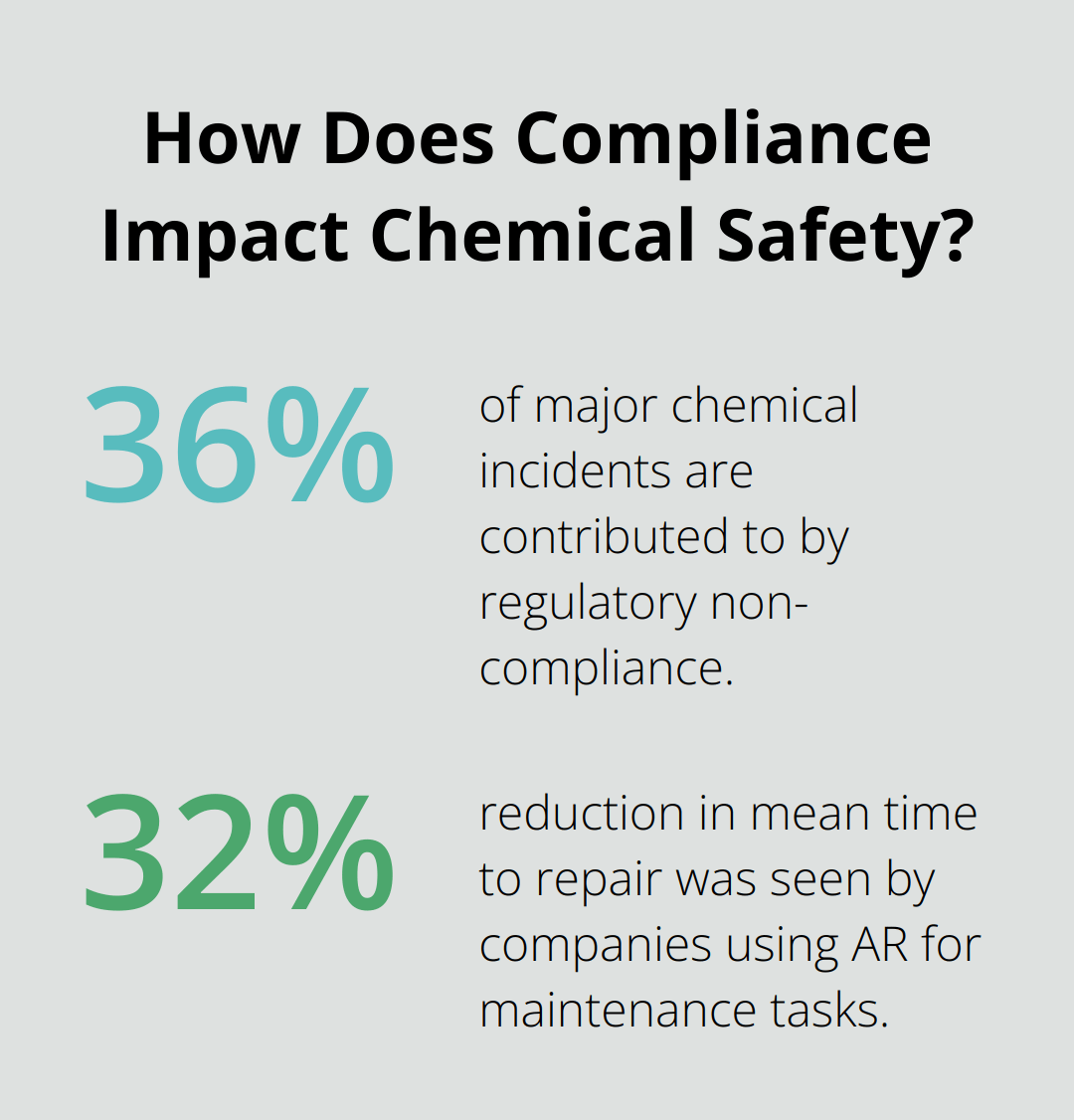
Companies now turn to advanced analytics and machine learning to address this issue. These technologies identify patterns and predict potential failures by analyzing large datasets. Shell, for example, implemented a machine learning system that analyzes sensor data from over 3,000 equipment pieces. This system reduced unplanned downtime by up to 50%, resulting in millions saved in maintenance costs.
The Skills Gap Challenge
The industry faces a growing skills gap, posing another significant challenge. The Society of Petroleum Engineers reports that 50% of the current workforce in oil and gas will retire within the next 5-7 years. This exodus of experienced professionals threatens to leave a significant knowledge gap in asset integrity management.
Companies invest heavily in training and knowledge transfer programs to combat this issue. ExxonMobil developed a comprehensive mentorship program where experienced engineers work closely with newer employees. This program not only helped in knowledge retention but also reduced the time for new engineers to become fully productive by 25%.
Navigating Regulatory Compliance
Keeping up with ever-changing regulations presents another major hurdle. The U.S. Chemical Safety Board reports that regulatory non-compliance contributes to 36% of major chemical incidents.
Many organizations adopt digital compliance management systems to stay ahead of regulatory changes. These systems automatically track regulatory updates and alert relevant personnel. Dow Chemical implemented a digital compliance platform that reduced time spent on compliance activities by 30% while improving overall compliance rates.
Technology's Role in Overcoming Challenges
Technology plays a pivotal role in addressing these challenges. Internet of Things (IoT) sensors revolutionize asset health monitoring by providing real-time data on equipment performance, allowing for more precise and timely maintenance interventions.
Augmented Reality (AR) also makes significant strides in asset integrity management. AR overlays critical information onto physical equipment, helping technicians perform maintenance tasks more efficiently. A PTC study found that companies using AR for maintenance tasks saw a 32% reduction in mean time to repair.
Connected Worker platforms (such as Weever Apps) transform asset integrity management through digital forms and automated workflows. These platforms streamline inspection processes, capture critical data accurately, and provide real-time dashboards for instant visibility into asset health. This enables quick decision-making and proactive maintenance strategies.
Final Thoughts
Asset integrity stands as a cornerstone of process safety management, safeguarding lives, protecting the environment, and ensuring operational continuity. The future of asset integrity in process safety management will see advancements in artificial intelligence, machine learning, and augmented reality to enhance predictive maintenance and improve efficiency. Digital twins and advanced analytics will optimize asset integrity strategies, providing real-time insights into asset performance and facilitating informed decision-making.
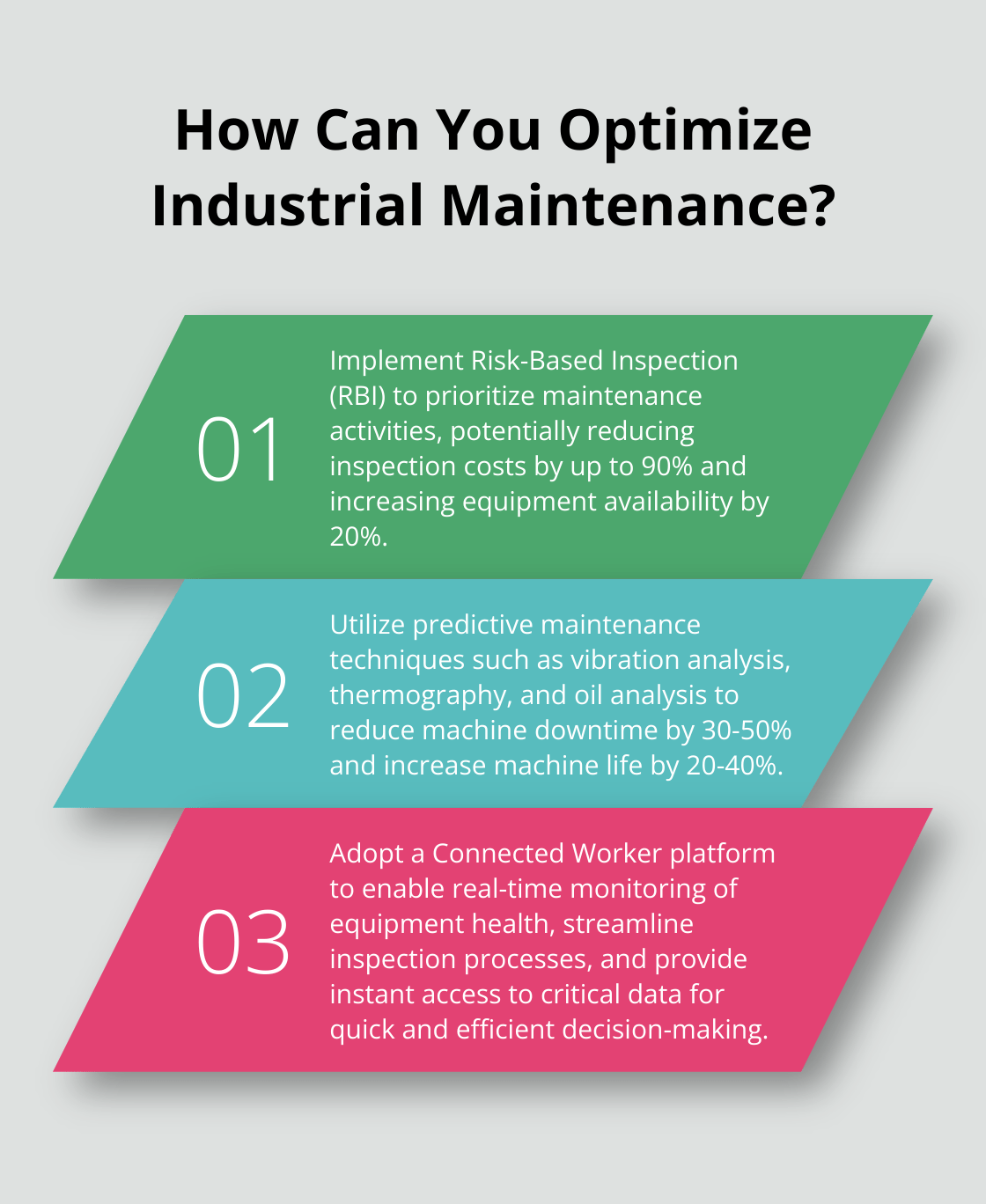
Companies that invest in robust asset integrity programs will enhance their safety records and gain a competitive edge through improved reliability and operational efficiency. Asset integrity in process safety management represents a commitment to operational excellence, employee safety, and environmental stewardship. New technologies and methodologies will create safer, more reliable, and more efficient industrial operations.
Weever Apps offers a powerful Connected Worker platform designed to streamline asset integrity processes. Our solution provides real-time dashboards, intuitive digital forms, and automated workflows that enhance visibility, improve data capture, and accelerate issue resolution. Organizations can significantly enhance their asset integrity management capabilities, fostering a culture of safety and operational excellence.
How to Implement Autonomous Maintenance in Seven Steps
Autonomous maintenance is a game-changer for manufacturing efficiency. At Weever Apps, we’ve seen firsthand how this approach empowers operators to take ownership of their equipment.
Our comprehensive guide, “Autonomous Maintenance in Seven Steps PDF,” provides a roadmap for implementing this powerful strategy. Let’s explore how you can transform your maintenance processes and boost productivity.
1. Build a Knowledge Foundation
Implementing autonomous maintenance requires a solid educational foundation. Start with a comprehensive training program that covers equipment operation, common failure modes, and basic maintenance techniques. This program should include steps like boosting machine operator knowledge, conducting initial cleaning and repairs, and removing sources of contamination. Tailor this program to your specific machinery and processes. Interactive, hands-on training sessions yield the best results, allowing operators to practice skills in a controlled environment before applying them on the production floor. To track progress, develop skill matrices for each team member, identifying areas of strength and opportunities for improvement.
Effective training emphasizes the tangible benefits of autonomous maintenance, such as:
- Reduced downtime
- Improved product quality
- Enhanced workplace safety
Digital tools provide easy access to training materials and maintenance procedures, ensuring operators can quickly reference information when needed. This approach boosts confidence and efficiency in their new responsibilities. The next step involves identifying and tagging equipment to create a clear system for maintenance tasks.
2. Map and Label Your Equipment
A comprehensive equipment inventory forms the backbone of effective autonomous maintenance. Start by cataloging every piece of machinery on your production floor, from large assembly lines to small handheld tools. Assign each item a unique identifier and implement a clear, standardized tagging system. This could involve QR codes, RFID tags, or simple numbered labels, depending on your facility’s needs and budget. For each piece of equipment, document important information such as:
- Model numbers
- Serial numbers
- Manufacturer details
- Installation dates
- Maintenance histories (including past issues, repairs, and upgrades)
Digital asset management tools streamline this process, allowing for easy updates and instant access to equipment data. The main benefit of autonomous maintenance is to improve overall equipment effectiveness (OEE), which is the key measure of manufacturing productivity and quality. Weever’s Connected Worker platform excels in this area, offering intuitive digital forms for equipment documentation and real-time dashboards for cross-team visibility. Regular audits of your equipment inventory ensure it remains up-to-date, reflecting any additions, removals, or modifications to your machinery lineup. This comprehensive approach to equipment identification and documentation sets the stage for the next step: cleaning and inspecting machinery.
3. Deep Clean and Inspect for Peak Performance
Thorough cleaning and inspection form the foundation of effective autonomous maintenance. Create a detailed cleaning schedule as the first step in implementing initial cleaning and inspection. Establish rigorous cleaning standards for each piece of equipment and train operators to identify subtle signs of wear, leaks, or misalignment during the cleaning process. Implement a system where operators document and report any abnormalities they discover, which promotes a proactive approach to maintenance.
Create detailed digital checklists for regular cleaning and inspection routines, accessible through mobile devices for easy reference and real-time updates. These checklists should include:
- Step-by-step instructions
- Safety precautions
- Visual aids to guide operators through the process
(Digital platforms excel in this area, offering customizable forms that streamline the documentation process and provide instant visibility across teams.) Review and update these checklists based on operator feedback and equipment performance data to refine your maintenance practices. The next step involves setting clear standards for cleaning and lubrication to ensure consistency across your operations.
4. Standardize Cleaning and Lubrication Practices
Clear, standardized procedures for cleaning and lubrication form the backbone of effective autonomous maintenance. Create detailed guides for each piece of equipment, outlining specific cleaning methods, required tools, and safety precautions. Develop comprehensive lubrication schedules that specify the type of lubricant, application points, and frequency for each machine. Base these schedules on manufacturer recommendations and adjust them according to your operational conditions.
Visual aids throughout your facility reinforce these standards. Use color-coded labels, diagrams, and QR codes linked to digital instructions to guide operators through maintenance tasks. Review and update these procedures regularly based on equipment performance data and operator feedback to improve your maintenance practices continuously. The next step involves setting up a robust audit system to monitor and maintain these standards.
5. Implement a Robust Audit System
Regular audits form the backbone of a successful autonomous maintenance program. Set a clear audit schedule that matches your equipment’s needs and operational demands. Weekly or bi-weekly audits often produce the best results, as they allow for timely identification and correction of issues. Train your auditors thoroughly in both technical knowledge and soft skills like effective communication. This ensures accurate assessment of maintenance practices and constructive feedback to operators.
Digital tools streamline audit processes significantly. 5S audit software allows for the establishment of clear accountability structures by assigning tasks and responsibilities directly within the digital platform. Real-time dashboards provide instant visibility into audit results across teams, which facilitates quick decision-making and corrective actions. The digitization of your audit process not only saves time but also creates a comprehensive data trail for improvement efforts. This data-driven approach sets the stage for continuous process refinement, which we’ll explore in the next step of implementing autonomous maintenance.
6. Drive Continuous Improvement
Data analysis forms the cornerstone of effective autonomous maintenance refinement. Real-time analytics tools enable organizations to collect, process, and analyze data in real-time or near real-time. This data-driven approach allows for quick detection of recurring issues, helping to prioritize improvement efforts where they will have the maximum impact.
Employee input proves invaluable in the continuous improvement process. Digital suggestion boxes or regular improvement meetings provide platforms for operators to share their unique insights and ideas. Acting on these suggestions not only enhances processes but also increases morale and engagement. Regular procedure updates based on collected data and employee feedback maintain the effectiveness of your maintenance program. We recommend the following steps to drive continuous improvement:
- Review and adjust autonomous maintenance procedures quarterly
- Implement a system for collecting and acting on employee suggestions
- Use data analytics to identify trends and areas for improvement
- Conduct regular training sessions to keep skills sharp and introduce new techniques
The integration of autonomous maintenance with Overall Equipment Effectiveness (OEE) metrics represents the next logical step in optimizing your maintenance strategy.
7. Maximize OEE Through Autonomous Maintenance
Integrating autonomous maintenance with Overall Equipment Effectiveness (OEE) metrics optimizes manufacturing performance. OEE is a powerful metric that measures how effectively a manufacturing operation utilizes its resources. Organizations link autonomous maintenance activities directly to OEE components to pinpoint improvement areas and quantify maintenance impact. Regular operator-led inspections and cleanings boost equipment availability, while standardized lubrication practices improve performance and reduce quality defects.
Data-driven decision-making maximizes the ROI of autonomous maintenance. Real-time dashboards correlate maintenance activities with OEE metrics, allowing managers to identify which specific tasks have the greatest impact on overall efficiency. This visibility enables effective resource allocation and builds a strong business case for continued investment in autonomous maintenance initiatives. The following steps help maximize OEE through autonomous maintenance:
- Align maintenance tasks with specific OEE components
- Use real-time data to track the impact of maintenance activities
- Prioritize tasks that demonstrably improve OEE metrics
- Regularly review and adjust maintenance strategies based on OEE data
The successful integration of autonomous maintenance and OEE metrics lays the foundation for a culture of ownership and efficiency throughout the organization.
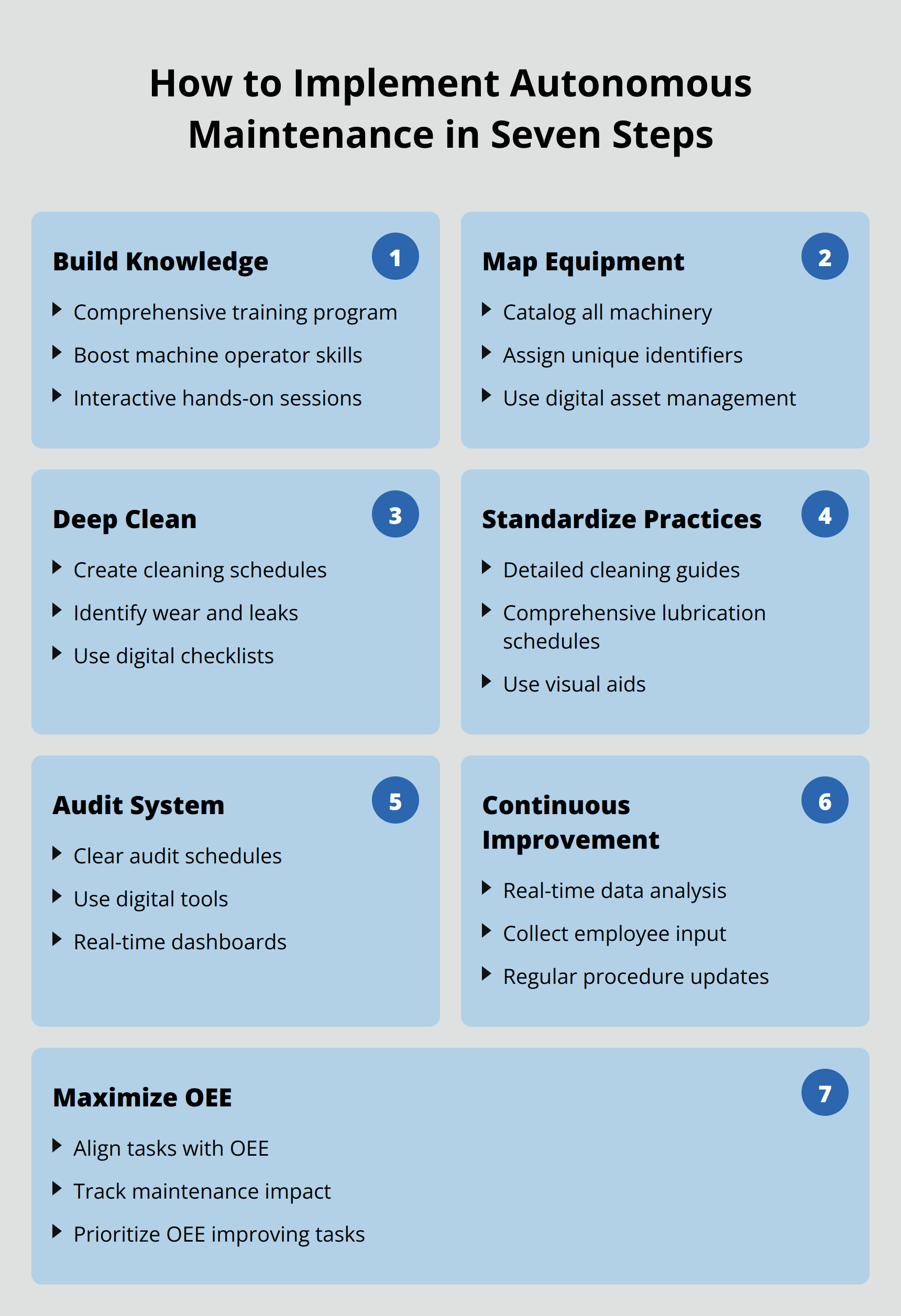
Final Thoughts
Implementing autonomous maintenance transforms your organization’s approach to equipment care and operational efficiency. Our “Autonomous Maintenance in Seven Steps PDF” guides you through each phase, helping you avoid common pitfalls. Frontline workers become deeply invested in the health and performance of machinery, leading to fewer breakdowns and improved overall equipment effectiveness.
Data plays a key role in this transformation. Digital tools and platforms track progress, identify trends, and inform maintenance strategy decisions. The Weever Apps Connected Worker platform supports every aspect of autonomous maintenance, from digital checklists to comprehensive data analysis (streamlining communication and enhancing visibility).
Autonomous maintenance implementation creates a more efficient, engaged, and productive workforce. Your team takes ownership of equipment health as you progress through these seven steps. This drives your operations to new heights of efficiency and excellence.
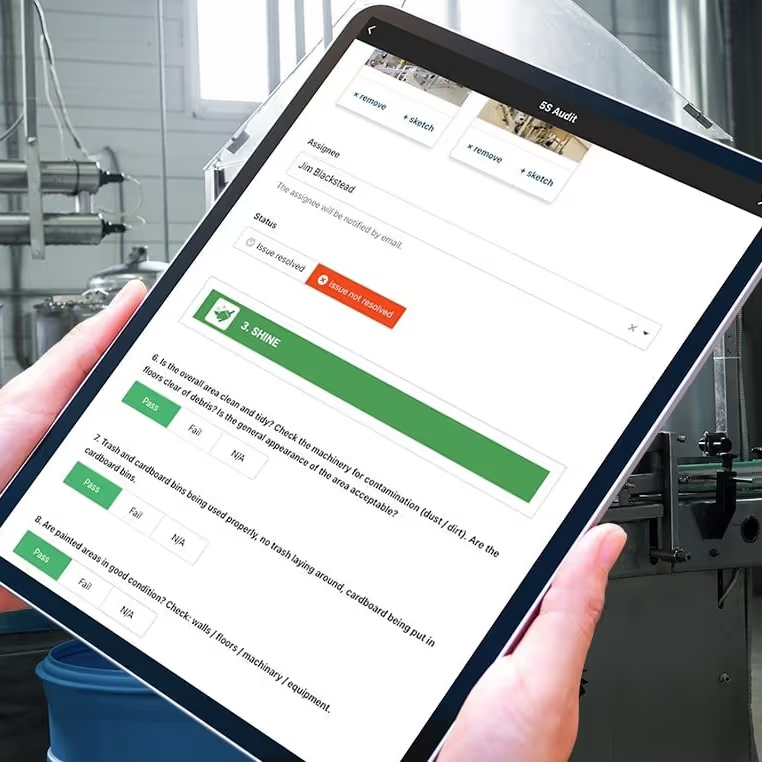
Achieving Process Stability through Centerlining with Weever
In manufacturing, maintaining process stability is essential for producing consistent, high-quality products. One of the most effective ways to achieve this stability is through centerlining, a technique used to establish and maintain optimal operating conditions for equipment and processes. By defining and adhering to target values—or "centerlines"—for critical variables, manufacturers can reduce variability and keep production processes running smoothly.
However, centerlining requires diligent tracking, quick responses to deviations, and consistent application across teams and facilities. This is where Weever software comes in, providing manufacturers with the tools to apply and maintain centerlining with ease.
How does Weever help manufacturers achieve process stability through centerlining? Let’s explore how Weever’s solutions support manufacturers in standardizing processes, reducing variability, and ensuring consistent production quality.
Centerlining Made Easy for Operators
For centerlining to be effective, operators need an accessible and straightforward way to apply and monitor centerline settings. Weever’s user-friendly platform allows operators to track centerlining data with minimal effort, making it easier to achieve and maintain process stability.
Benefits of Weever’s User-Friendly Platform:
- Easy Access to Centerline Data: Operators can quickly view target values for critical parameters, ensuring that equipment settings align with optimal conditions.
- Minimal Training Requirements: With Weever’s intuitive interface, even new team members can begin using the platform right away, reducing the time and resources needed for training.
- Streamlined Tracking: Operators can efficiently enter data, log observations, and flag deviations, allowing teams to focus on maintaining quality and consistency.
By simplifying data entry and tracking, Weever empowers operators to monitor centerlines effectively, reducing the likelihood of errors and improving overall process stability.
Consistency with Automation: Workflows for Centerlining
Once centerlining values are set, it’s critical to maintain them across all production processes. However, manual methods for tracking and adjusting centerlines can be time-consuming and prone to error. Weever solves this challenge by automating workflows and assigning action items, ensuring deviations are identified early and addressed promptly.
How Weever’s Automation Supports Centerlining:
- Automatic Detection of Deviations: Weever continuously monitors key variables, identifying any shifts from established centerline values immediately.
- Action Item Assignments: If a deviation occurs, Weever’s automated workflows assign specific tasks to the appropriate team members, ensuring that corrective actions are taken quickly and consistently.
- Trackable Progress: Every action item is tracked within the system, allowing supervisors to monitor the progress of corrective tasks and confirm completion.
With Weever’s automation, manufacturers can confidently maintain centerlining standards without relying on manual tracking. This systematized approach minimizes variability, helping teams adhere to optimal production conditions and maintain consistent quality.
Data-Driven Stability with Real-Time Reporting
Effective centerlining requires not only immediate responses to deviations but also an understanding of long-term trends and patterns in production. Weever’s platform provides manufacturers with valuable data insights, allowing them to monitor trends over time and make proactive adjustments to maintain stability.
Some of the Advantages of Real-Time Insights:
- Instant Alerts: The moment a deviation occurs, Weever’s system flags it and alerts the relevant team members, enabling quick responses to any shifts from target values.
- Trend Analysis: By analyzing historical data, Weever identifies recurring patterns and trends, helping manufacturers understand when and why deviations are likely to occur.
- Continuous Monitoring: Weever’s real-time data capabilities allow teams to monitor critical variables continuously, ensuring that any changes in process stability are caught immediately.
These data-driven insights enable manufacturers to take a proactive approach to centerlining, going beyond reactive fixes to make strategic adjustments that prevent issues before they arise. By providing both real-time data and long-term trend analysis, Weever gives manufacturers the tools to reduce variability and enhance stability continuously.
Adopting Consistent Standards Across Teams with Weever
Implementing centerlining techniques across multiple production lines or facilities can be challenging. Each team needs to follow the same processes and guidelines to ensure consistent quality. Weever’s structured rollout methodology ensures that manufacturers can implement centerlining improvements seamlessly across all areas of their operations.
How Weever’s Rollout Methodology Enhances Centerlining:
- Seamless Integration: Weever’s rollout process is designed to integrate smoothly into existing workflows, so teams can adopt new centerlining practices without disruption.
- Consistent Application: With standardized procedures, Weever helps ensure that all teams apply the same centerlining techniques, maintaining uniform standards across production lines and facilities.
- Comprehensive Training and Support: Weever provides training resources to support a smooth transition, ensuring that every team member understands and can apply the centerlining process effectively.
This structured rollout methodology allows manufacturers to apply centerlining consistently across multiple teams or locations, maintaining high production standards and ensuring process stability throughout their operations.
Enhancing Process Stability with Weever: A Reliable Solution for Centerlining
In the manufacturing industry, achieving process stability through centerlining is essential to maintain product quality, minimize variability, and optimize efficiency. Weever software provides manufacturers with the tools they need to streamline centerlining processes, from simplifying data tracking and automating workflows to providing actionable insights and ensuring consistent rollout.
With Weever, manufacturers can confidently implement and maintain centerlining techniques, knowing that every step is supported by real-time data and automation. This enables teams to stay aligned with their process goals, react swiftly to deviations, and proactively manage trends that impact production stability.
Experience how Weever’s real-time data insights and automation can help your team maintain consistent quality and stability through effective centerlining. Contact us today for a demo and discover how Weever can elevate your production processes.
Ready to Achieve Process Stability? Contact Weever for a demo.
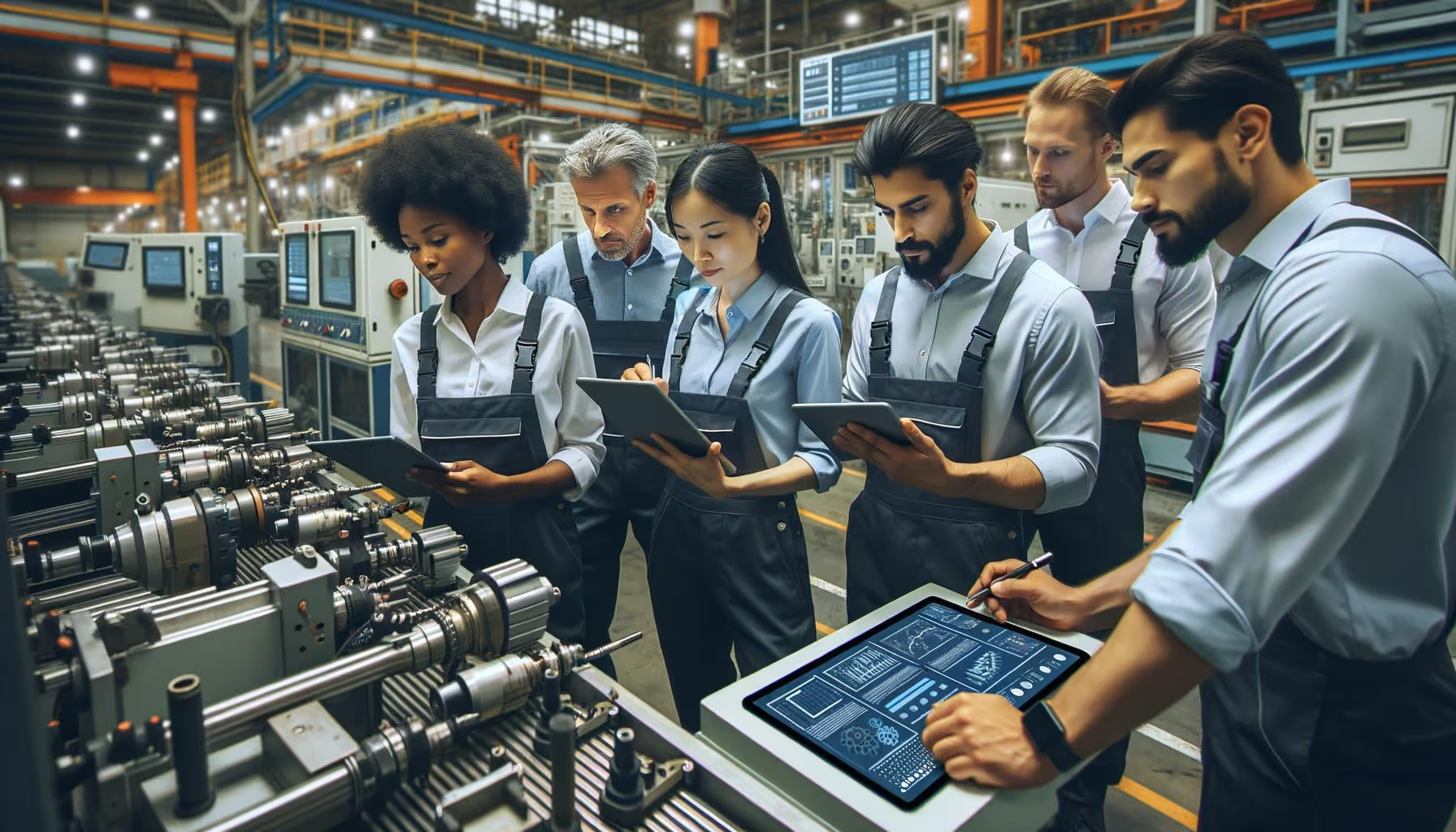
What Is the Purpose of Autonomous Maintenance?
At Weever Apps, we've seen firsthand how autonomous maintenance can transform manufacturing operations. But what is the purpose of autonomous maintenance, and why is it gaining traction in modern industries?
This approach shifts routine maintenance tasks to machine operators, fostering a proactive culture of equipment care and boosting overall efficiency. In this post, we'll explore the key benefits and implementation strategies of autonomous maintenance, helping you understand its critical role in today's competitive manufacturing landscape.
What Is Autonomous Maintenance?
Autonomous maintenance is a manufacturing concept that empowers machine operators to take responsibility for the routine maintenance of the equipment they use. This approach transfers basic maintenance tasks from specialized technicians to frontline workers who interact with the machinery daily.
The Core of Autonomous Maintenance
The primary objective of autonomous maintenance is to prevent equipment deterioration and maintain optimal operating conditions. This strategy involves training operators to perform tasks such as cleaning, lubricating, and conducting basic inspections. As a result, operators develop a deeper understanding of their equipment, enabling them to identify potential issues before they escalate into major problems.
Key Components of the Process
The implementation of autonomous maintenance typically follows a structured process. It begins with a thorough cleaning of equipment to establish a baseline condition. Operators then learn to identify and address abnormalities (e.g., loose bolts or minor leaks). As their skills improve, they take on more complex tasks like lubrication and minor adjustments.
Visual Management Tools
A critical aspect of autonomous maintenance is the development of visual management tools. These include:
- Color-coded tags
- Clear signage
- Standardized checklists
These visual aids ensure consistency and simplify the performance of maintenance routines for operators.
Autonomous vs. Traditional Maintenance
The shift to autonomous maintenance marks a significant departure from traditional maintenance models. Conventional approaches often rely on reactive maintenance, with specialized technicians responding to breakdowns. This can result in costly downtime and inefficient use of skilled labor.
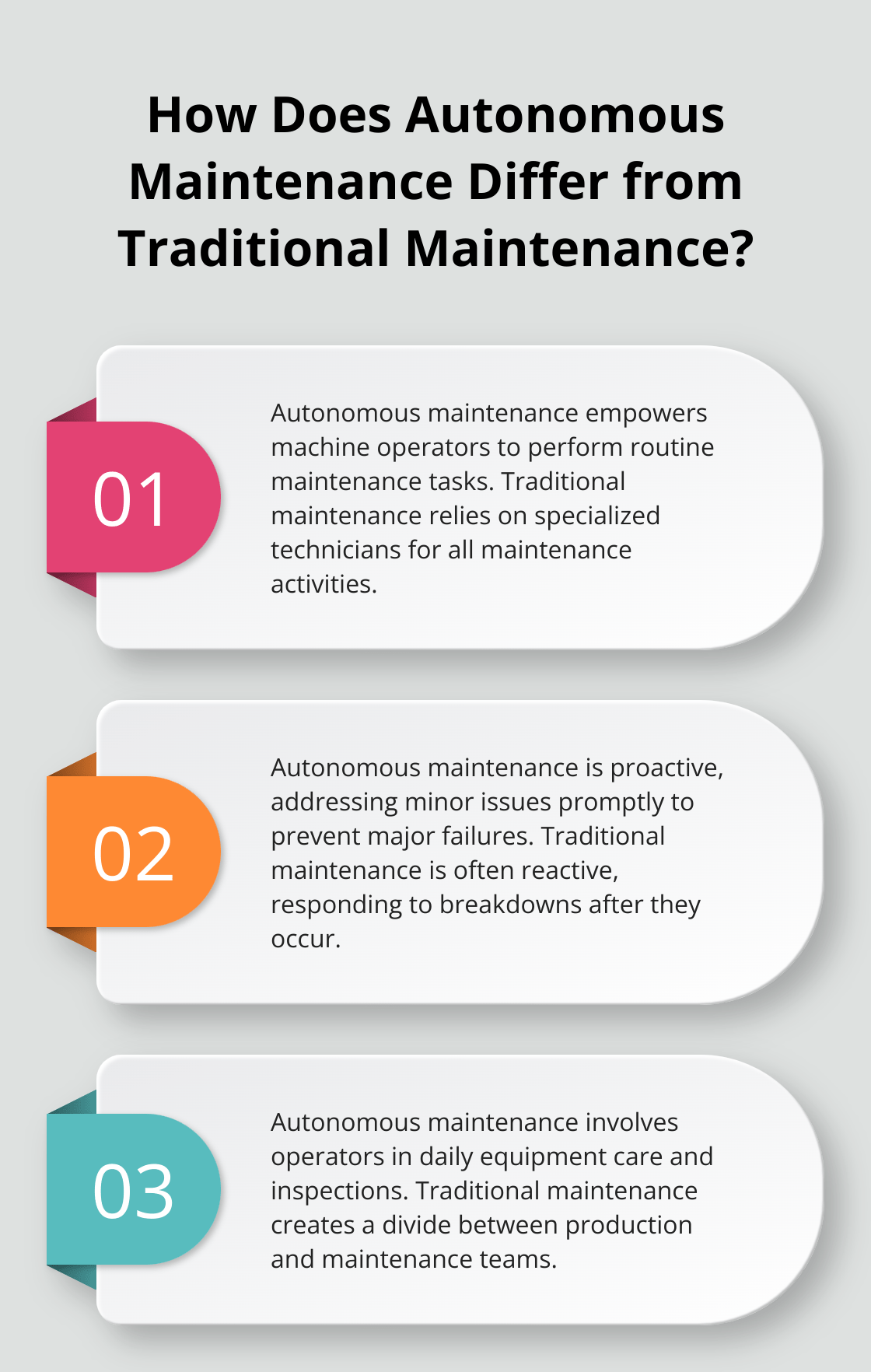
Autonomous maintenance, in contrast, is inherently proactive. The involvement of operators in daily care allows for prompt addressing of minor issues, which reduces the likelihood of major failures. This approach doesn't eliminate the need for skilled maintenance personnel but allows them to focus on more complex tasks and strategic improvements.
A key difference lies in the distribution of responsibility. Traditional models often create a divide between production and maintenance teams. Autonomous maintenance bridges this gap, fostering a culture of shared ownership and collaboration. This integrated approach improves overall equipment effectiveness (OEE) and reduces maintenance costs.
The implementation of autonomous maintenance requires initial investment in training and process development. However, the long-term benefits often outweigh these costs. Companies that successfully adopt this approach report significant improvements in equipment reliability, reduced downtime, and increased operator engagement.
As we move forward, we'll explore the specific benefits that organizations can expect when they implement autonomous maintenance effectively.
Why Autonomous Maintenance Matters
Boosting Equipment Reliability
Autonomous maintenance improves equipment reliability significantly. Operators who perform daily checks and minor repairs catch issues early. Plus, following an autonomous maintenance procedure gives operators the chance to notice any problems that may be starting to surface so that they can be fixed. This proactive approach prevents small problems from escalating into major breakdowns.
Slashing Maintenance Costs
The financial impact of autonomous maintenance is substantial. Companies reduce the workload on specialized maintenance teams by shifting routine tasks to operators. This allows these experts to focus on complex issues and strategic improvements.
Empowering Employees
Autonomous maintenance transforms the role of machine operators. They evolve from button-pushers to equipment experts. This expanded responsibility leads to increased job satisfaction and engagement.
Creating a Safer Workplace
Safety improvements are a critical outcome of autonomous maintenance. Regular equipment checks and cleanings reduce the risk of accidents caused by malfunctioning machinery.
Enhancing Overall Operational Efficiency
Autonomous maintenance contributes to overall operational efficiency. It reduces unplanned downtime, improves product quality, and increases the lifespan of machinery. These factors combine to create a more streamlined and cost-effective production process.
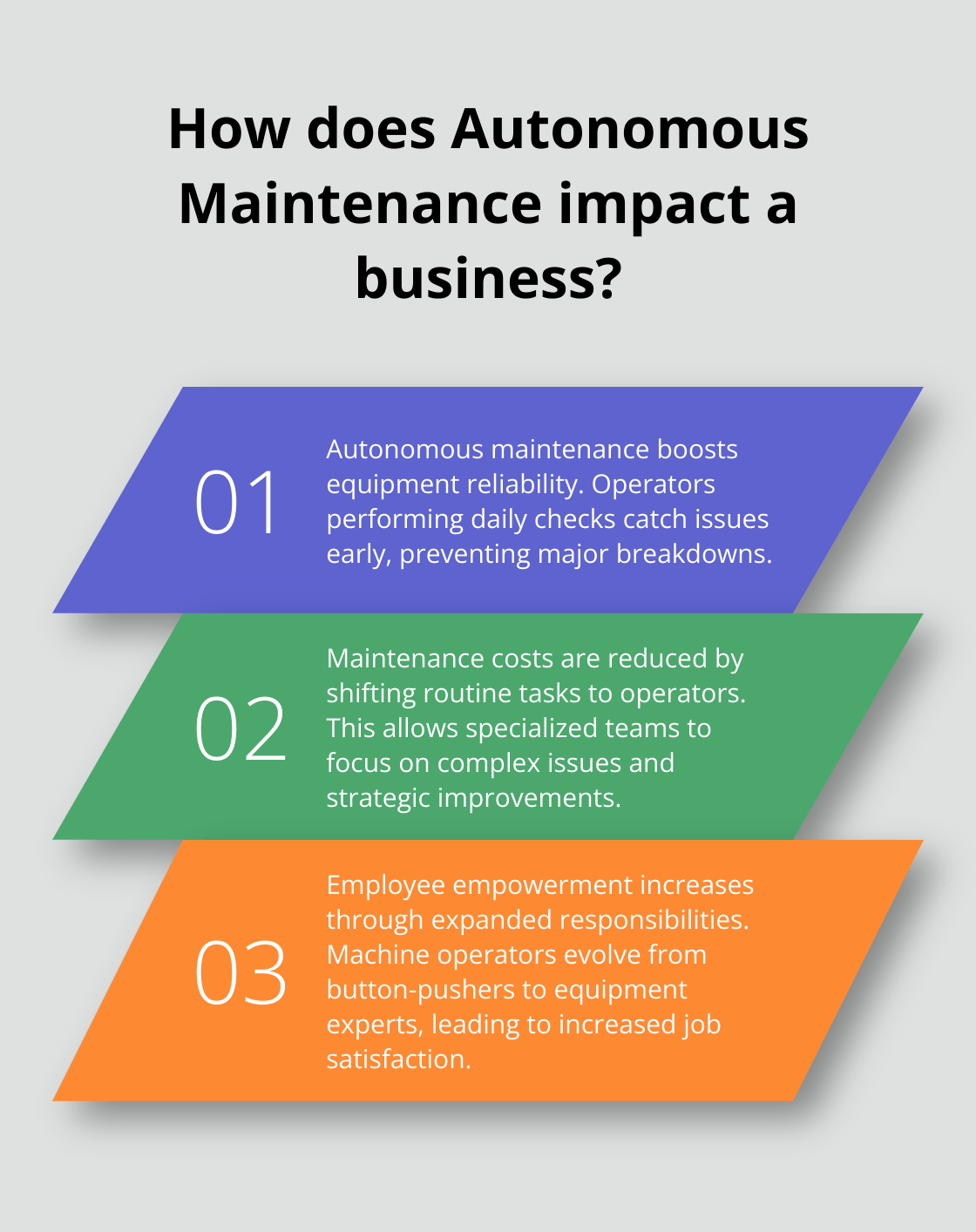
Implementing autonomous maintenance requires commitment and resources, but the returns are substantial. It's not just about keeping machines running; it's about creating a more efficient, engaged, and safe work environment. The next section will explore best practices for implementing autonomous maintenance in your organization, ensuring you can maximize these benefits.
How to Implement Autonomous Maintenance
Assess Current Practices
The first step in implementing autonomous maintenance is to evaluate existing maintenance practices. Analyze equipment performance data, maintenance records, and operator feedback to identify areas where autonomous maintenance can have the most impact. Create a detailed implementation plan with clear goals and timelines based on this assessment.
Secure Organizational Buy-In
To ensure success, obtain support from all levels of the organization. Engage leadership to champion the initiative and communicate the benefits to frontline workers. Without widespread support, autonomous maintenance programs often struggle to gain traction.
Develop Comprehensive Training Programs
Effective training forms the backbone of successful autonomous maintenance. Create a training program that covers equipment basics, maintenance techniques, and problem-solving skills. Use a mix of classroom instruction, hands-on practice, and digital learning tools to accommodate different learning styles.
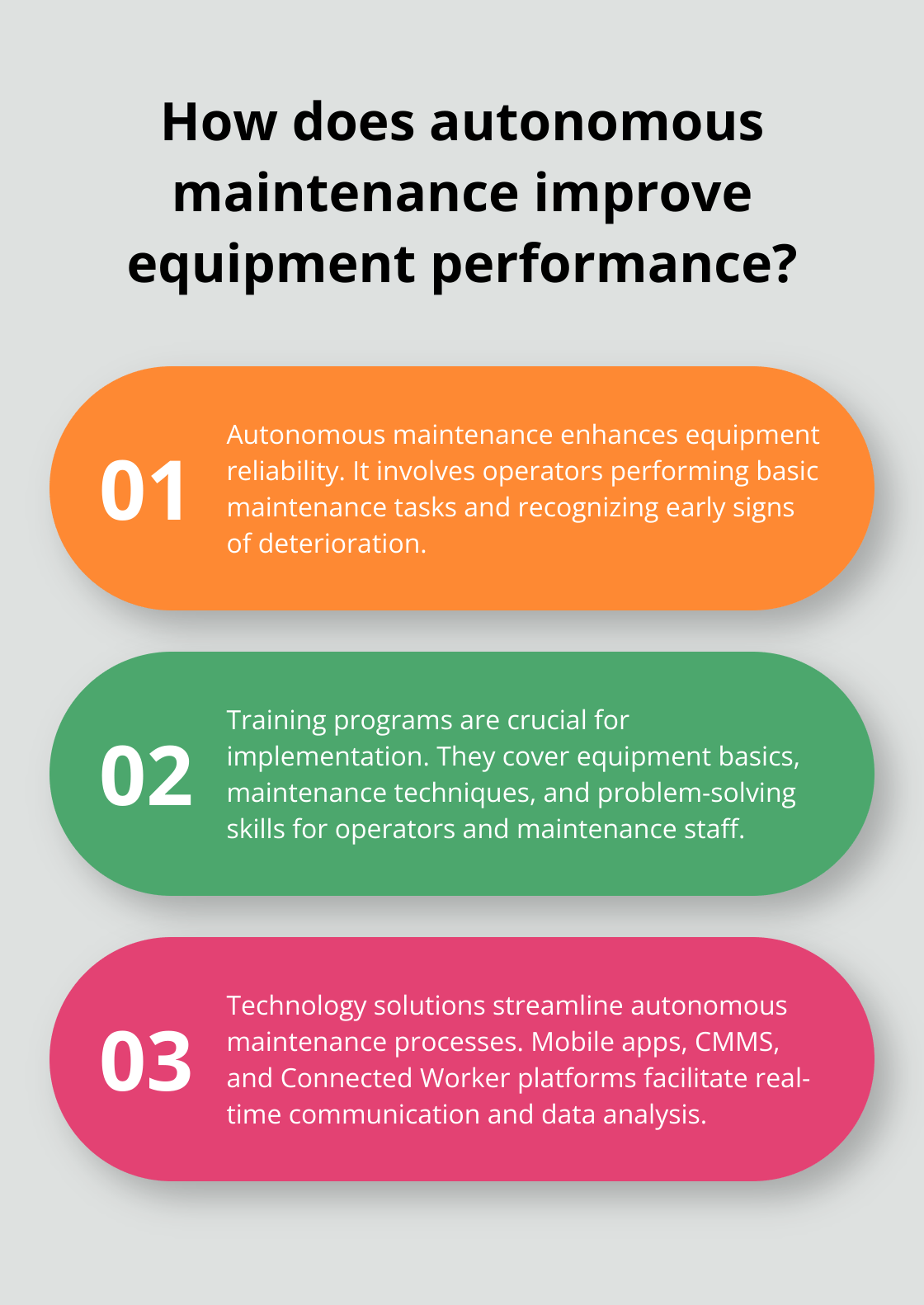
For operators, focus on teaching basic maintenance tasks (cleaning, lubrication, and visual inspections). They should also learn to recognize early signs of equipment deterioration.
Maintenance staff need training to shift their role from performing routine tasks to mentoring operators and handling complex maintenance issues. They should develop coaching skills and deepen their technical expertise.
Utilize Technology Solutions
Modern autonomous maintenance programs benefit greatly from technology. Digital tools streamline processes, improve data collection, and enhance communication. Mobile apps allow operators to log maintenance activities and report issues in real-time.
Computerized Maintenance Management Systems (CMMS) automate work orders, provide asset management, and offer key API integrations. These systems prove invaluable for scheduling tasks, tracking equipment history, and analyzing performance data. Some organizations explore augmented reality tools to provide visual guidance for maintenance procedures.
Connected Worker platforms (such as Weever Apps) support autonomous maintenance initiatives by digitizing workflows, facilitating real-time communication, and providing powerful analytics capabilities. This technology empowers frontline workers and gives management visibility into maintenance activities across the organization.
Address Common Challenges
Implementing autonomous maintenance comes with hurdles. One frequent challenge is resistance to change from both operators and maintenance staff. To mitigate this, involve employees in the planning process and provide ongoing support and encouragement.
Maintaining consistency in maintenance practices across shifts and departments can be difficult. Standardized procedures and regular audits help ensure everyone follows the same protocols.
Data overload often occurs as organizations start collecting more information about their equipment. Focus on meaningful metrics and use data visualization tools to make insights actionable.
Sustaining the program over time requires ongoing effort. Regular reviews, continuous improvement initiatives, and celebrating successes help maintain momentum and drive long-term results.
Final Thoughts
Autonomous maintenance revolutionizes equipment care and operational efficiency in modern manufacturing. It creates a culture of ownership, enhances productivity, and drives continuous improvement. The purpose of autonomous maintenance extends beyond simple upkeep to empower operators, increase reliability, and reduce costs.
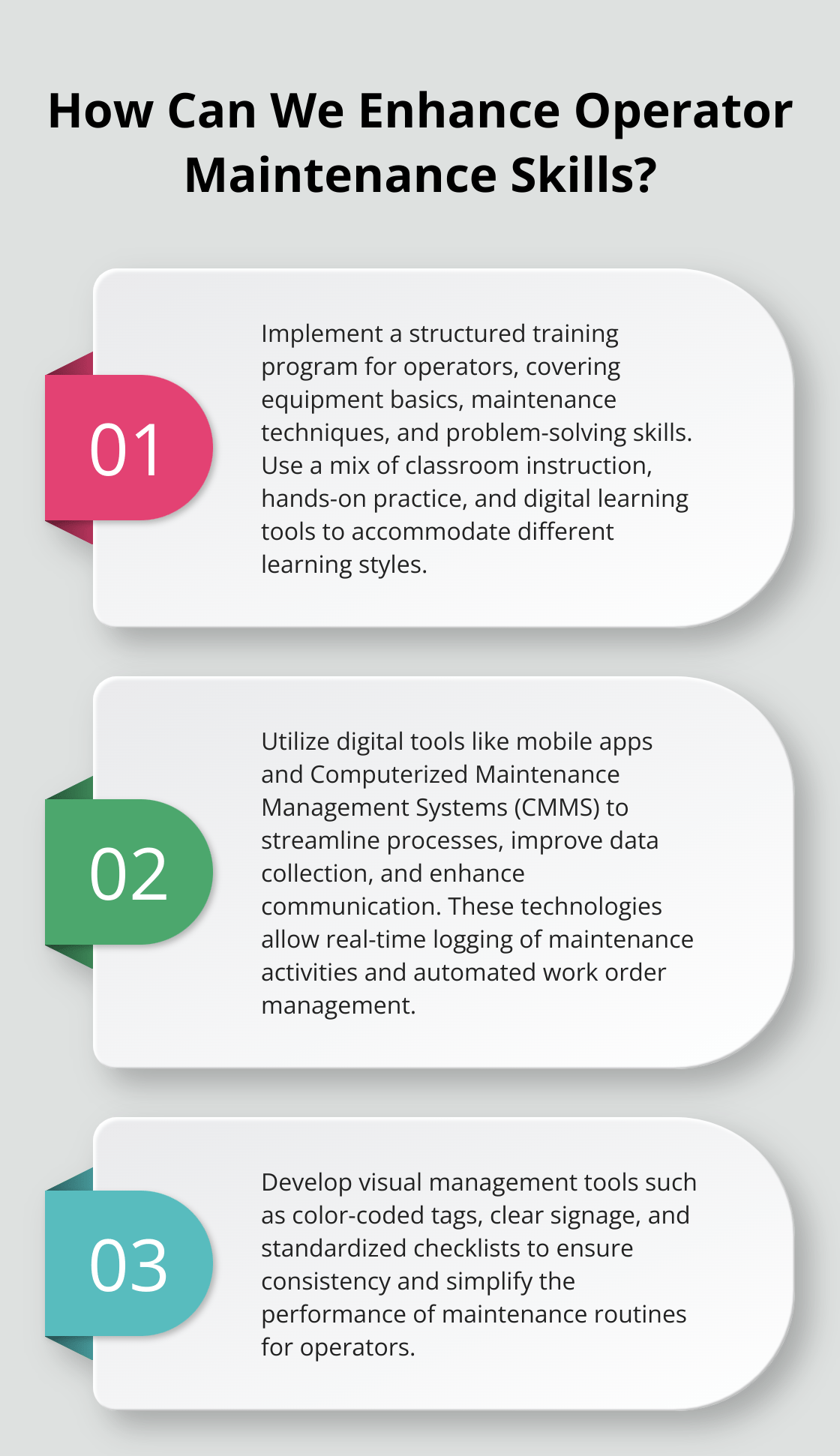
Technology plays a vital role in the future of autonomous maintenance. Digital tools and connected worker platforms streamline processes, facilitate communication, and provide analytics capabilities. Weever Apps offers a comprehensive solution that supports autonomous maintenance initiatives, enhancing productivity for frontline employees.
Organizations that embrace autonomous maintenance position themselves for long-term success. They create resilient, efficient, and engaged workforces ready to drive innovation and excellence in operations. As industries face pressure to optimize processes, autonomous maintenance provides a strategic advantage in today's competitive landscape.

Autonomous Maintenance: SlideShare Insights
Autonomous maintenance is revolutionizing how industries approach equipment upkeep. This innovative strategy empowers operators to take charge of routine maintenance tasks, leading to improved efficiency and reduced downtime.
At Weever Apps, we've seen firsthand the transformative impact of autonomous maintenance on manufacturing processes. Our SlideShare presentation offers valuable insights into this game-changing approach, showcasing real-world examples and practical implementation strategies.
What is Autonomous Maintenance?
The Core of Autonomous Maintenance
Autonomous Maintenance (AM) is a proactive approach that puts equipment care directly in the hands of operators. It forms a key component of Total Productive Maintenance (TPM) and aims to achieve perfect production with no breakdowns or small stops.
AM involves training operators to perform routine maintenance tasks traditionally handled by specialized maintenance teams. These tasks include daily inspections, cleaning, lubrication, and minor repairs. This empowerment allows companies to address small issues before they escalate into major problems.
Transforming Industrial Efficiency
The benefits of AM extend far beyond reducing downtime. In manufacturing and industrial settings, AM leads to:
- Increased equipment lifespan: Regular care by operators who intimately know their machines can extend equipment life.
- Improved product quality: When operators maintain their equipment, they spot and correct issues that could affect product quality more easily.
- Enhanced safety: Operators who engage more with their equipment identify potential safety hazards more effectively.
Breaking from Traditional Maintenance
AM marks a significant shift from traditional maintenance approaches. Here's how it differs:
- Proactive vs. Reactive: Traditional maintenance often waits for breakdowns to occur. AM focuses on preventing issues before they happen.
- Operator Empowerment: Unlike traditional models where operators simply run machines, AM trains them to be the first line of defense against equipment issues.
- Continuous Improvement: AM encourages operators to suggest improvements based on their daily interactions with the equipment.
Implementing Autonomous Maintenance
Implementing AM requires a cultural shift and investment in training, but the returns can be substantial. Companies that fully embrace AM often see improvements in Overall Equipment Effectiveness (OEE), which can translate to cost savings and competitive advantages in their industries.
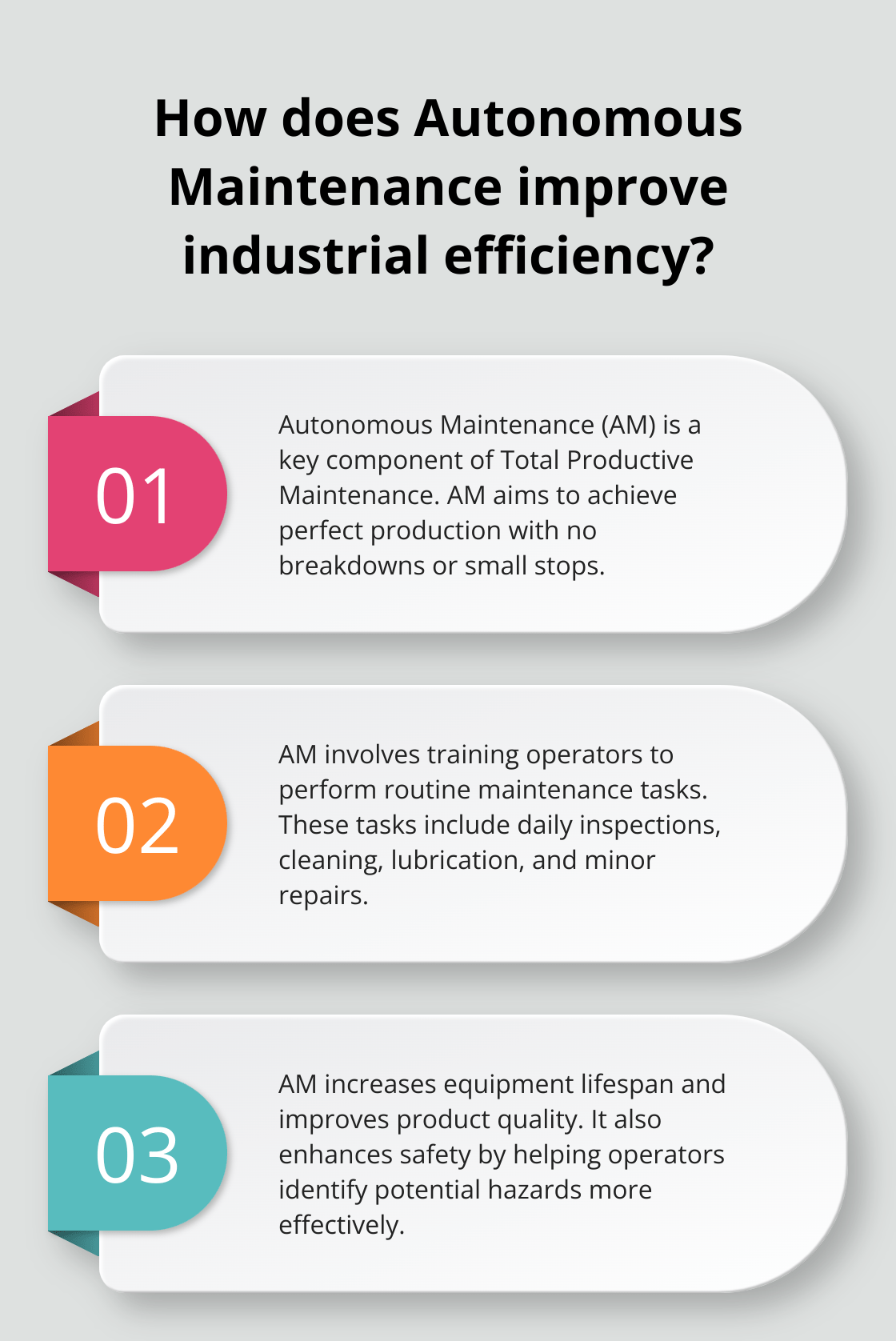
To successfully implement AM, companies need to follow a structured approach. This includes creating a clear roadmap, providing comprehensive training, and utilizing the right tools and technologies. In the next section, we'll explore the steps and resources necessary for a successful AM implementation.
How to Implement Autonomous Maintenance
Steps for Successful Implementation
Autonomous Maintenance (AM) implementation starts with a thorough assessment of current maintenance practices. This initial step identifies areas for improvement and sets the stage for change. Organizations must then establish clear goals and metrics for their AM program, such as targets for reducing equipment downtime or improving Overall Equipment Effectiveness (OEE).
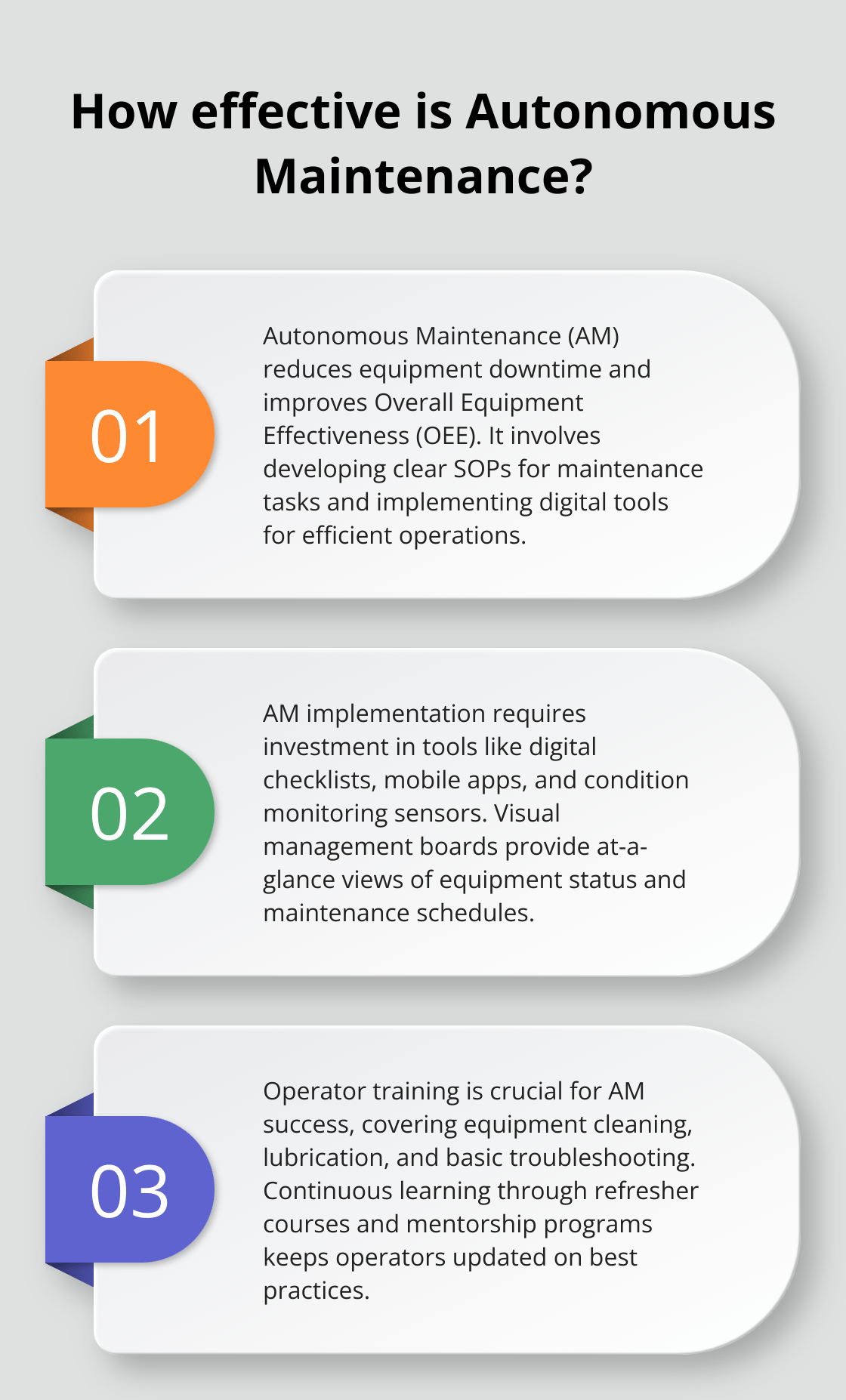
A critical phase in AM implementation involves the development of standard operating procedures (SOPs) for maintenance tasks. These SOPs should be clear, concise, and easily accessible to operators.
Essential Tools for Autonomous Maintenance
Companies need to invest in the right tools and technologies to support AM initiatives. Digital checklists and mobile apps have become indispensable for modern AM programs. These tools allow operators to easily record inspections, report issues, and access maintenance information on the go.
Condition monitoring sensors are another vital component of effective AM. These devices can detect early signs of equipment wear or malfunction, enabling proactive maintenance.
Visual management boards provide a clear, at-a-glance view of equipment status, maintenance schedules, and performance metrics. They help foster transparency and accountability among team members.
Training: The Cornerstone of Autonomous Maintenance
Autonomous maintenance increases efficiency by training operators to perform minor maintenance tasks. This training should cover topics such as equipment cleaning, lubrication, and basic troubleshooting.
Continuous learning plays a key role in AM success. Regular refresher courses and skill-building workshops help keep operators up-to-date with best practices and new technologies. Some companies have seen success with mentorship programs, where experienced operators guide newer team members in AM practices.
Overcoming Implementation Challenges
Implementing AM requires a shift in organizational culture and a commitment to ongoing improvement. Companies often face resistance to change and may struggle with initial resource allocation. However, clear communication about the benefits of AM (reduced downtime, improved equipment reliability, and increased operator engagement) can help overcome these hurdles.
To support the implementation of Autonomous Maintenance and other key operational initiatives, many organizations turn to digital solutions. Weever's Connected Worker platform offers features specifically designed to enhance AM programs, including automated workflows, real-time dashboards, and intuitive digital forms for easy data capture. These tools can significantly streamline the transition to an AM-focused approach.
As organizations progress through their AM implementation journey, they often discover valuable insights and success stories. The next section will explore real-world examples of AM in action and the measurable improvements companies have achieved.
Real-World Wins with Autonomous Maintenance
Toyota's Efficiency Boost
Toyota, a pioneer in lean manufacturing, implemented Autonomous Maintenance (AM) as part of its Toyota Production System. The company reported a 50% reduction in equipment breakdowns and a 30% increase in machine availability. This improvement led to an estimated annual savings of $3.5 million per plant.
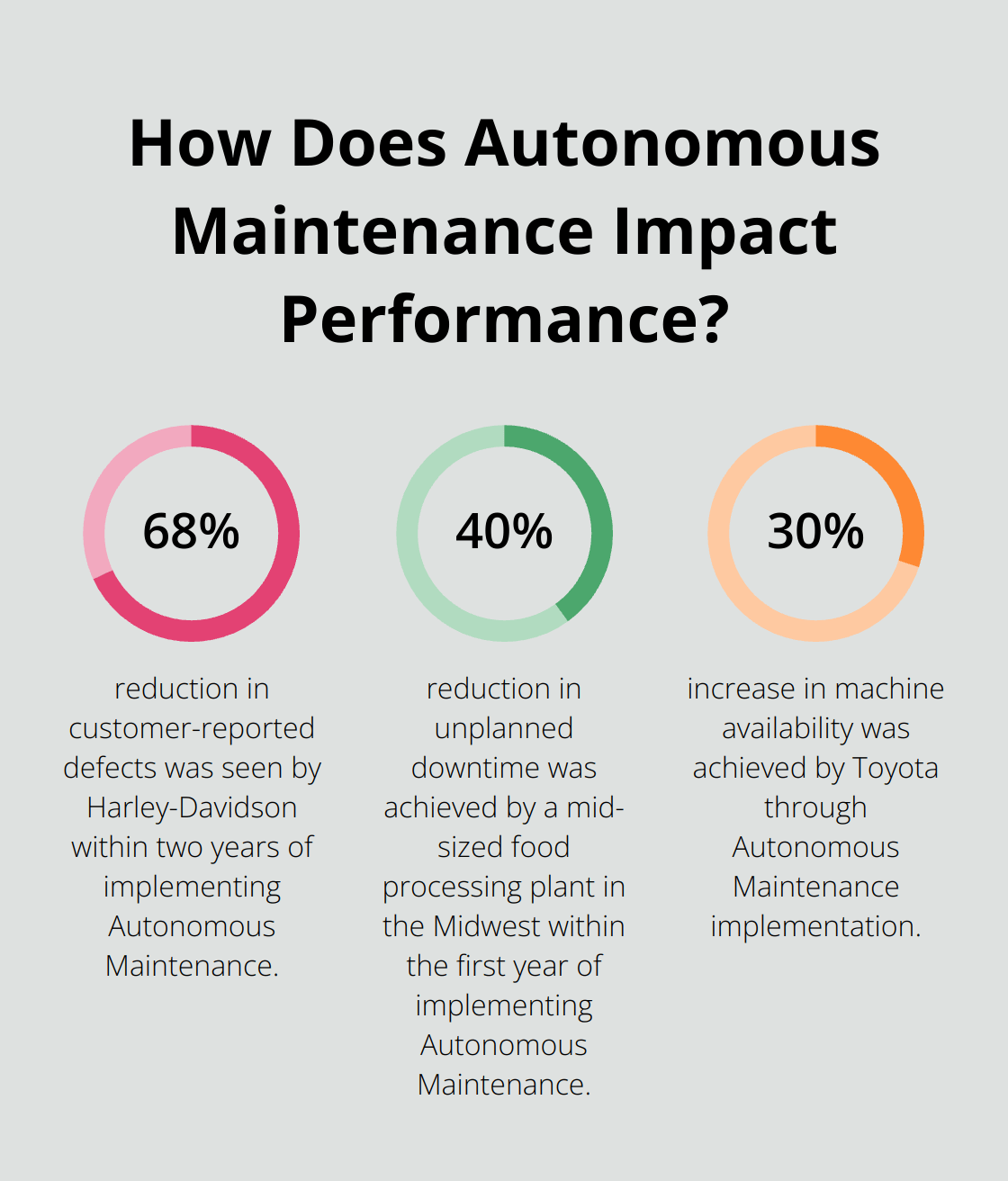
Toyota's success relied on thorough operator training and a cultural shift towards equipment ownership. The company invested heavily in visual management tools, creating clear, standardized procedures for daily maintenance tasks. This approach improved equipment reliability and boosted operator morale and engagement.
Harley-Davidson's Quality Revolution
Harley-Davidson's adoption of AM led to remarkable improvements in product quality and operational efficiency. The motorcycle manufacturer saw a 68% reduction in customer-reported defects and a 35% decrease in warranty costs within two years of implementation.
The key to Harley-Davidson's success was its focus on operator empowerment. The company developed a comprehensive training program that taught operators not just how to maintain equipment, but why each task mattered. This deeper understanding led to more proactive problem-solving and continuous improvement suggestions from the shop floor.
Critical Success Factors
These success stories highlight several critical factors for effective AM implementation:
- Leadership commitment is essential. Both Toyota and Harley-Davidson ensured full support from top management, which proved vital for overcoming initial resistance and securing necessary resources.
- Training and education are paramount. Successful AM programs build a deep understanding of equipment and processes among operators (not just teaching tasks).
- Technology enhances effectiveness. While AM focuses on operator empowerment, the right digital tools can significantly improve its impact. Connected Worker platforms provide real-time data capture and analysis capabilities, streamlining AM processes for many organizations.
- Pilot programs pave the way. Many successful AM implementations start small before expanding company-wide. This approach allows for fine-tuning and building internal champions.
- Regular tracking matters. Consistent monitoring and sharing of key performance indicators (KPIs) help maintain momentum and justify further investment in AM initiatives.
Small and Medium Enterprise Success
The success of AM isn't limited to large corporations. A mid-sized food processing plant in the Midwest implemented AM and saw a 40% reduction in unplanned downtime within the first year, translating to an estimated $500,000 in savings.
These real-world examples demonstrate that Autonomous Maintenance can deliver substantial improvements in efficiency, quality, and cost savings across various industries and company sizes.
Final Thoughts
Autonomous maintenance revolutionizes modern manufacturing and industrial settings. Companies empower operators to own routine maintenance tasks, which reduces downtime, extends equipment lifespan, and improves operational efficiency. Success stories prove that AM delivers tangible results across various industries and company sizes.
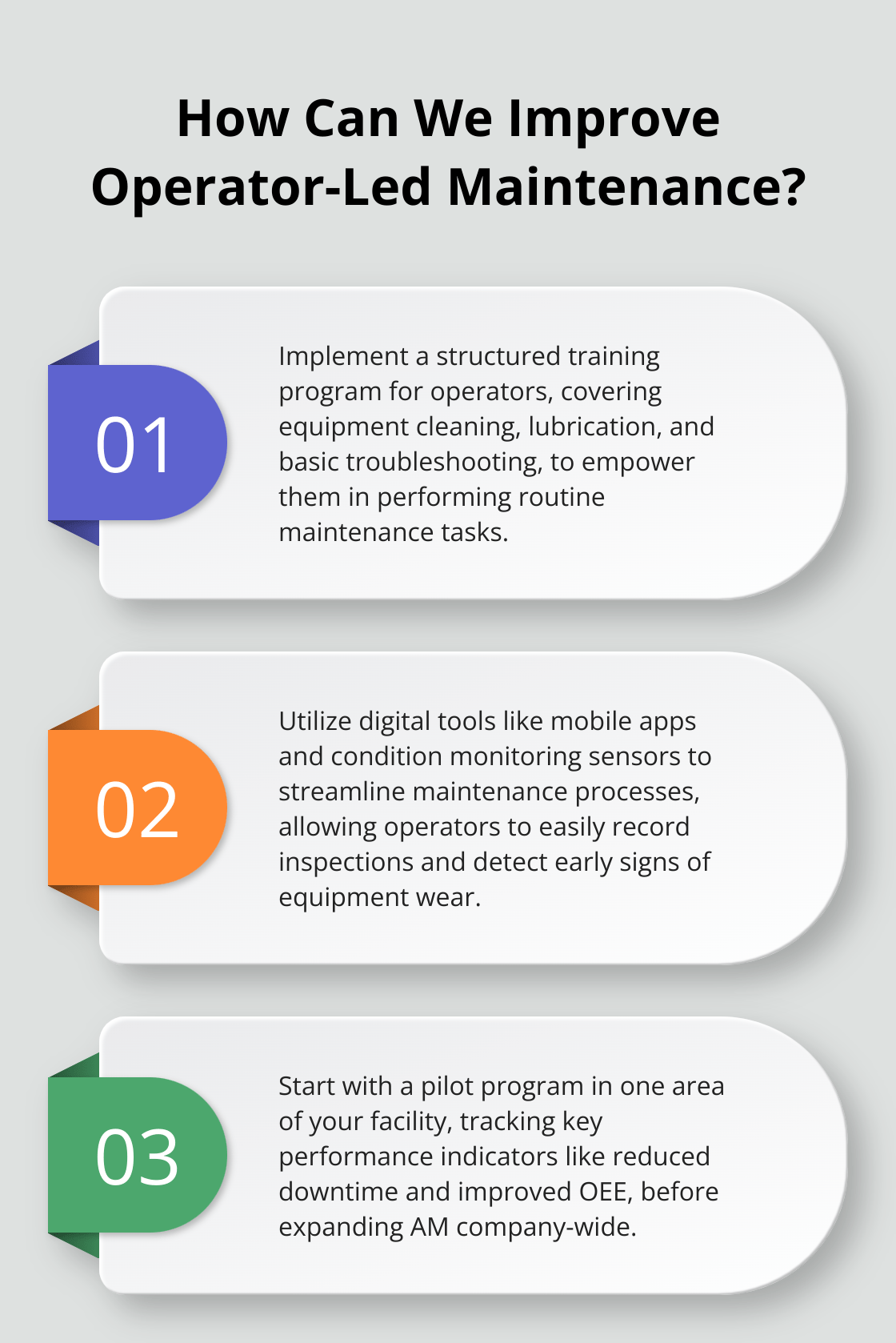
The future of maintenance strategies will integrate digital technologies further. Industrial Internet of Things sensors and artificial intelligence will enhance predictive maintenance capabilities, allowing for more proactive equipment care. Operators' roles in autonomous maintenance will become more sophisticated, necessitating ongoing training and skill development.
Weever Apps supports organizations in their autonomous maintenance initiatives with our Connected Worker platform. Our platform offers tools to streamline AM implementation and maximize its benefits. Resources like Autonomous Maintenance SlideShare presentations will continue to play a vital role in sharing best practices and implementation strategies.

Autonomous Maintenance: Presentation Best Practices
At Weever Apps, we understand the power of effective communication in driving organizational change.
Crafting a compelling autonomous maintenance presentation is key to gaining buy-in and implementing successful programs.
This blog post will guide you through best practices for designing slides, structuring your content, and delivering a memorable presentation that inspires action.
How to Design Impactful Slides for Autonomous Maintenance
Simplify Your Message
Create clean and uncluttered slides. Use short phrases or bullet points instead of long paragraphs. Try to limit each slide to no more than 6 lines of text. This approach helps your audience focus on key points without feeling overwhelmed.
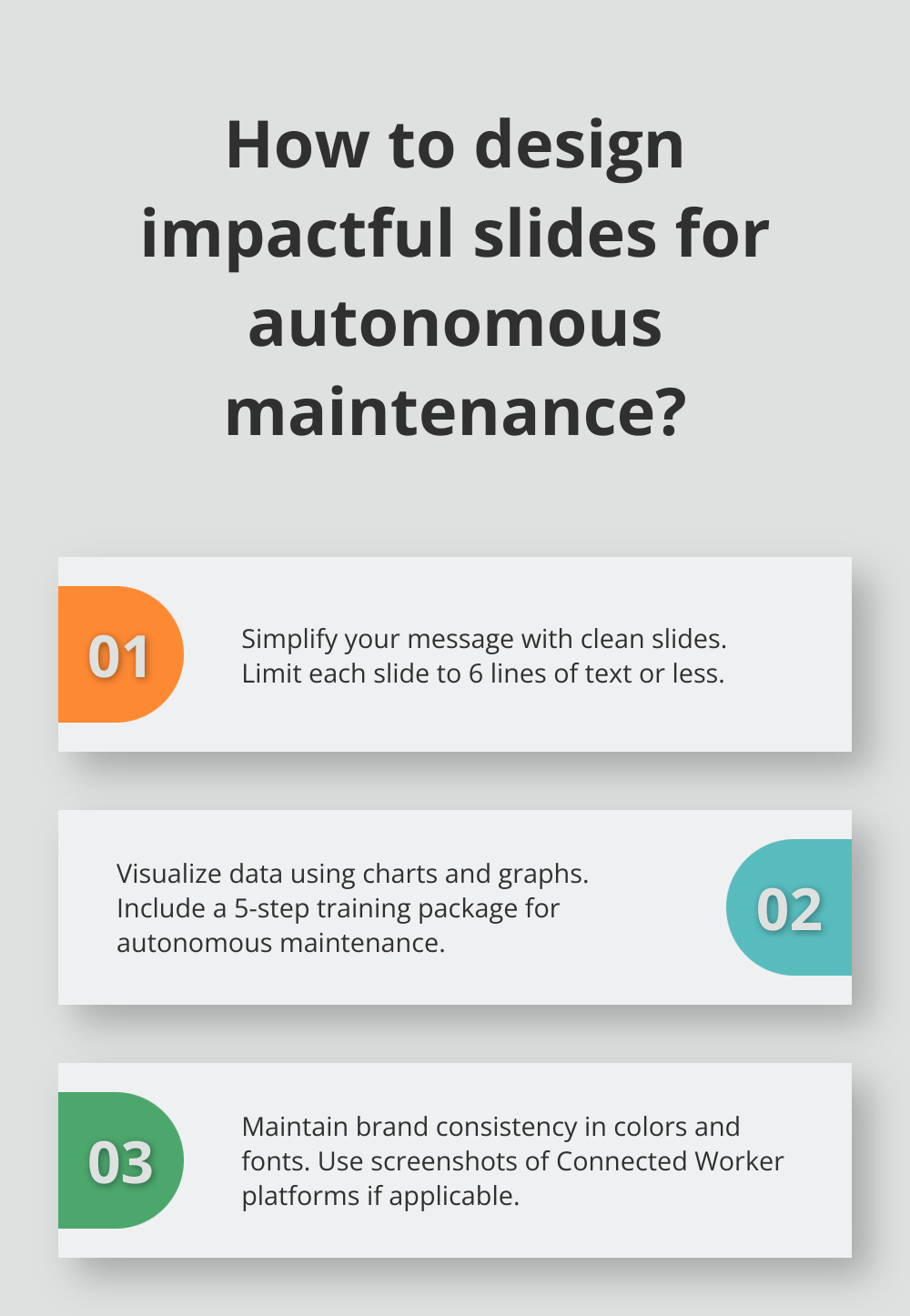
When you explain the benefits of autonomous maintenance, use concise statements like "30% reduction in downtime" or "50% increase in equipment lifespan" rather than lengthy explanations.
Visualize Data and Concepts
Add relevant charts, graphs, and diagrams to illustrate your points. Visual aids help your audience grasp complex ideas quickly. When you discuss the impact of autonomous maintenance on Overall Equipment Effectiveness (OEE), use a simple bar chart to compare before and after implementation results.
Visualize Data and Concepts by creating a 5-step training package for autonomous maintenance that includes educating operators on machine functions.
Maintain Brand Consistency
Reflect your company's branding guidelines in your slides. Use your organization's color scheme, fonts, and logo consistently throughout the presentation. This professional touch adds credibility to your message and reinforces your company's commitment to autonomous maintenance.
If you use a Connected Worker platform (such as Weever Apps) to support your autonomous maintenance program, include screenshots of the platform's interface to familiarize your audience with the tool they'll use.
Balance Text and Visuals
Strike a balance between text and visuals on each slide. Follow the 5/5/5 rule: no more than five words per line, five lines per slide, and five text-heavy slides in a row. This approach keeps your presentation engaging and easy to follow.
Use Effective Transitions
Create smooth transitions between slides to maintain audience engagement. Use consistent transition effects (e.g., fade, slide) throughout your presentation. This continuity helps your audience focus on the content rather than getting distracted by flashy transitions.
As you implement these design strategies, you'll create a visually appealing and informative presentation. Your next step is to structure your content effectively to maximize impact. Let's explore how to organize your autonomous maintenance presentation for optimal results.
How to Structure Your Autonomous Maintenance Presentation
Hook Your Audience from the Start
Start your presentation with a compelling statistic or real-world scenario that highlights the need for autonomous maintenance. For example, state: "Unplanned downtime costs the average manufacturer 5% of their production time each year. Autonomous maintenance can reduce that figure by up to 50%." This immediately grabs attention and sets the stage for your message.
Showcase the ROI of Autonomous Maintenance
After setting the context, present the tangible benefits and return on investment (ROI) of autonomous maintenance. Include hard data from industry studies or internal pilots. A study by McKinsey & Company found that predictive maintenance can reduce machine downtime by up to 50% and increase machine life by 20-40%. Use clear, easy-to-read charts to visualize these benefits.
Bring Your Message to Life with Case Studies
Real-world success stories sell ideas effectively. Include 2-3 brief case studies that demonstrate the impact of autonomous maintenance in action. Highlight how a food processing plant reduced unplanned downtime by 30% within six months of implementing an autonomous maintenance program. Be specific about the challenges faced, solutions implemented, and results achieved.
Provide a Clear Implementation Roadmap
Conclude your presentation with actionable next steps. Outline a phased approach to implementing autonomous maintenance, starting with pilot programs and scaling up. Include realistic timelines and resource requirements. You might suggest a 3-month pilot on a critical production line, followed by a 6-month rollout across the facility.
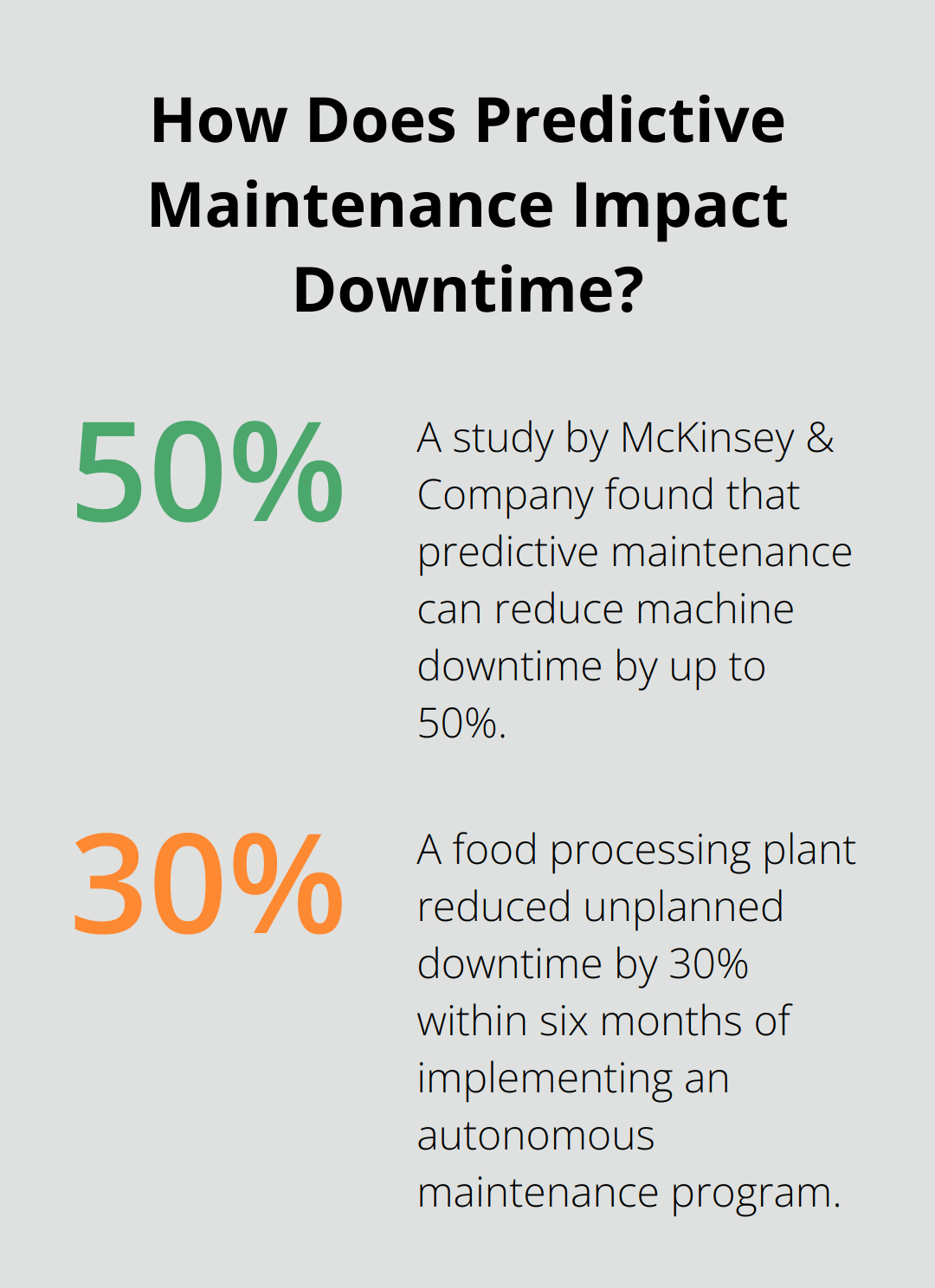
Address potential challenges and how to overcome them. This shows that you've considered the implementation process thoroughly and builds confidence in your audience.
Leverage Technology Solutions
Discuss how technology can support autonomous maintenance initiatives. Mention Connected Worker platforms that can reduce IT system complexity, replace paper-based processes, and streamline operations. Highlight features like automated workflows, real-time dashboards, and digital forms that can significantly boost the effectiveness of autonomous maintenance programs.
Now that you've structured your presentation effectively, let's explore how to deliver it in a way that captivates your audience and drives action.
How to Deliver an Impactful Autonomous Maintenance Presentation
Tailor Your Message to Your Audience
Research your audience before you present. C-level executives, plant managers, and frontline operators have different priorities. Focus on ROI and strategic benefits for executives. Emphasize operational improvements and efficiency gains for plant managers. Highlight how autonomous maintenance transforms equipment care by empowering operators to take ownership of their machines. This approach reduces downtime, cuts costs, and enhances job satisfaction for operators.
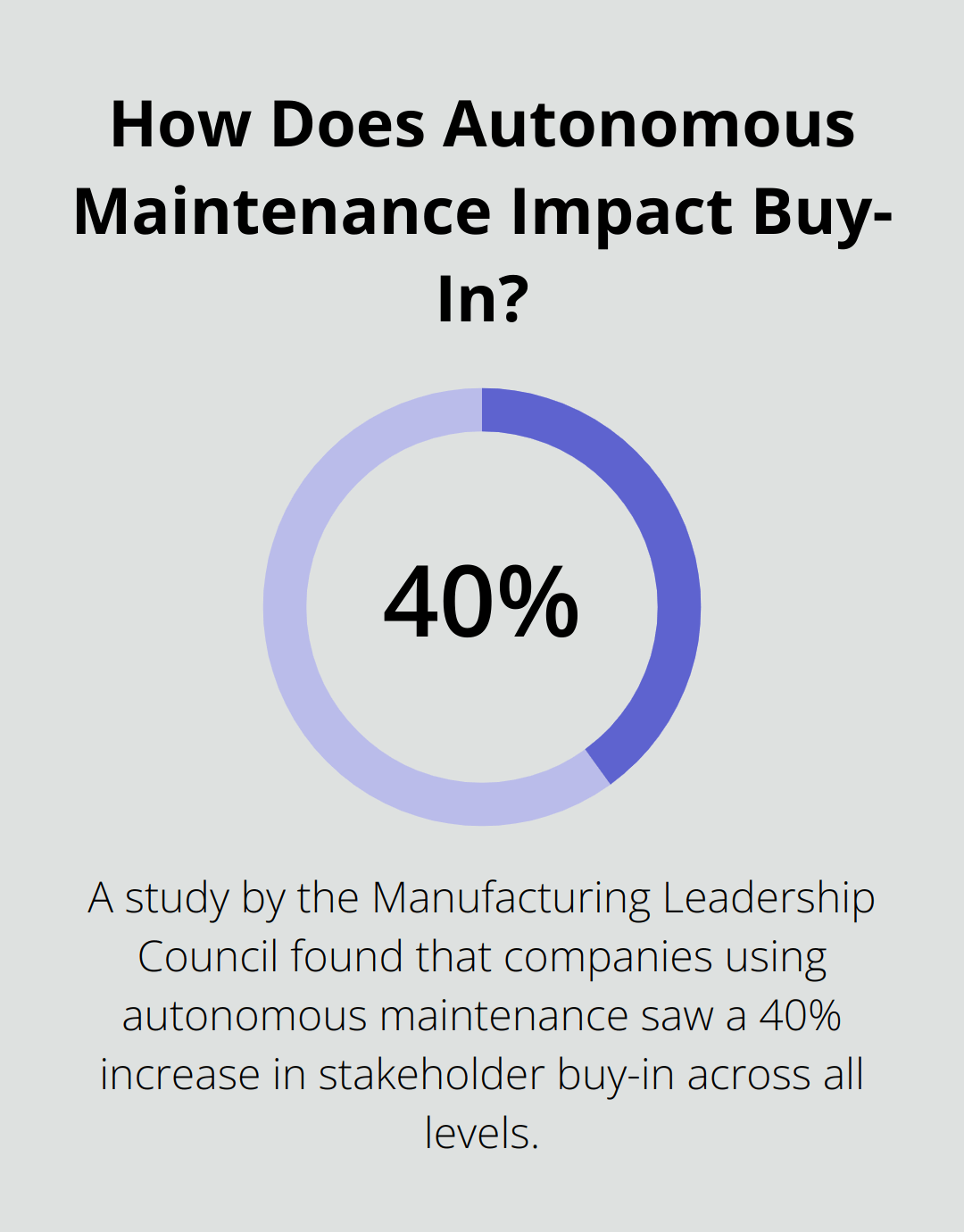
A study by the Manufacturing Leadership Council found that companies using this approach saw a 40% increase in stakeholder buy-in across all levels.
Use Storytelling Techniques
Start your presentation with a real-world anecdote that illustrates the pain points autonomous maintenance addresses. For example, describe how a production line breakdown caused a $500,000 loss for a company, then reveal how autonomous maintenance could have prevented it.
Include success stories from companies that implemented autonomous maintenance. A food processing plant reduced unplanned downtime by 30% within six months of implementation - use this as a powerful example of what's possible.
Encourage Active Participation
Engage your audience instead of talking at them. Ask thought-provoking questions throughout your presentation. For instance, ask attendees to estimate their current downtime costs or share their biggest maintenance challenges. This keeps the audience engaged and provides valuable insights into their specific needs.
Try using live polling tools to gather real-time feedback and data from your audience. This interactive approach can increase audience retention of key points by up to 30% (according to a study by the Event Marketing Institute).
Practice Your Delivery
Perfect your presentation through multiple practice sessions before the big day. Record yourself and watch the playback to identify areas for improvement in your body language, tone, and pacing.
Time your practice runs to ensure you stay within your allotted time while leaving room for questions. Prepare 25% more content than you think you'll need, allowing flexibility to adapt to audience reactions and questions.
End with a Clear Call-to-Action
Conclude your presentation with a specific next step for your audience. Whether it's starting a pilot program or scheduling a follow-up meeting, provide a concrete action to take. This transforms your presentation from informative to action-oriented, increasing the likelihood of successful autonomous maintenance implementation.
Final Thoughts
A well-crafted autonomous maintenance presentation can transform your organization's approach to equipment care. Clear communication, data-driven insights, and real-world case studies will demonstrate the tangible benefits of implementing these programs. Your presentation should inform and inspire action, leading to improved equipment reliability and increased productivity.
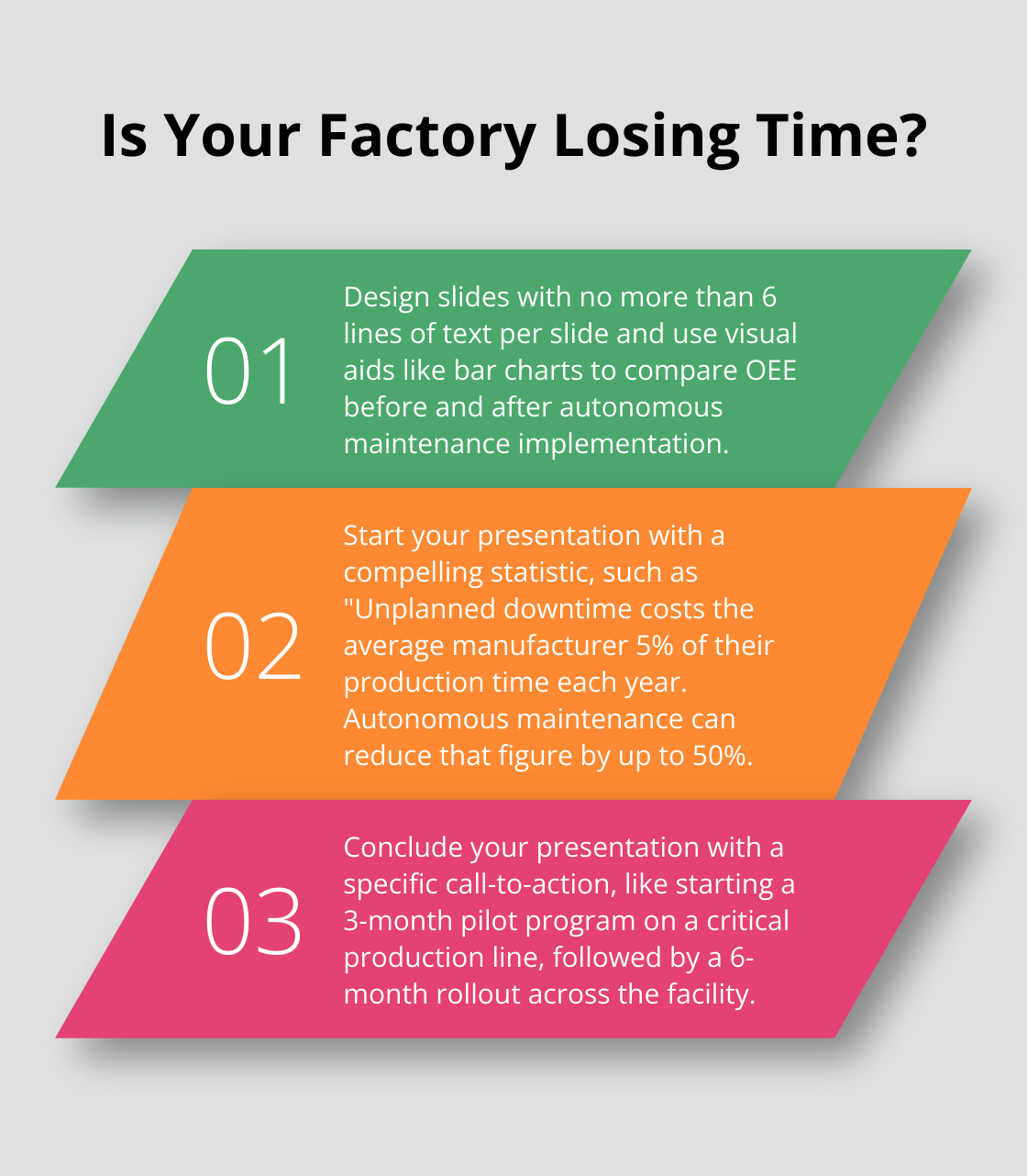
Refine your presentation skills through practice and feedback. Stay updated on industry trends and new technologies that enhance autonomous maintenance initiatives. Connected Worker platforms can streamline processes, improve data capture, and boost overall operational efficiency.
Your autonomous maintenance presentation can catalyze significant improvements across your organization. Master these techniques to gain stakeholder buy-in and drive successful implementation. With the right approach, you'll set the stage for reduced downtime and optimized operations.

Jishu Hozen: Mastering Autonomous Maintenance
At Weever Apps, we've seen firsthand how Jishu Hozen transforms manufacturing operations. This Japanese concept of autonomous maintenance empowers operators to take ownership of their equipment's upkeep.
Jishu Hozen autonomous maintenance is more than just a buzzword; it's a powerful strategy that boosts efficiency, reduces downtime, and extends machine life. In this post, we'll explore the principles of Jishu Hozen and provide practical steps for implementation in your facility.
What is Jishu Hozen?
The Evolution of Operator-Led Maintenance
Jishu Hozen, a cornerstone of Total Productive Maintenance (TPM), transforms how manufacturers approach equipment care. This Japanese concept, which translates to "autonomous maintenance," puts operators at the forefront of equipment upkeep.
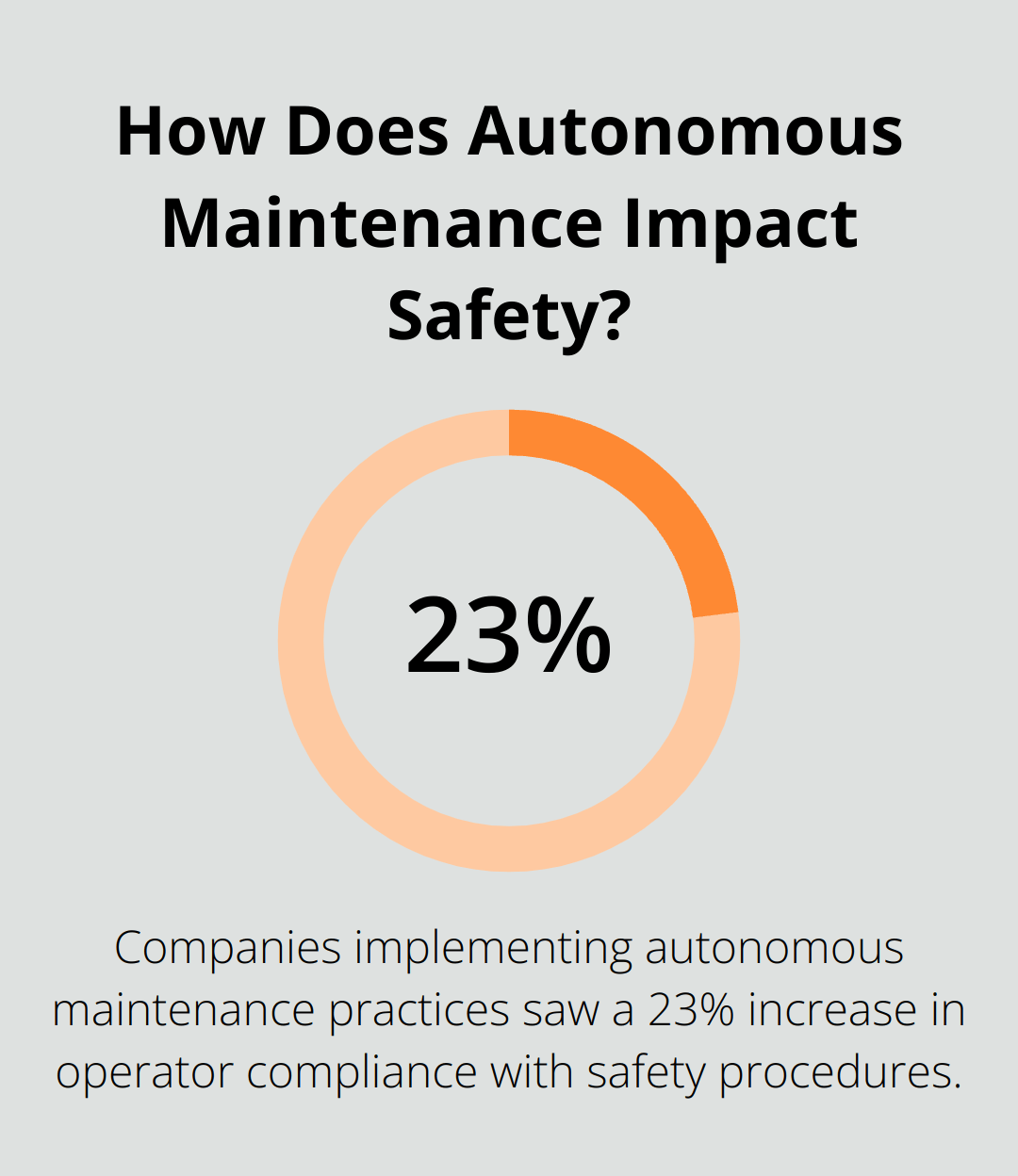
Jishu Hozen emerged in the 1970s as part of Toyota's lean manufacturing philosophy. It addresses a common problem in factories: the disconnect between operators and maintenance teams. Companies empower operators to perform basic maintenance tasks, which prevents minor issues from escalating into major breakdowns.
Core Principles of Jishu Hozen
At its heart, Jishu Hozen creates a culture of ownership. Operators learn to treat equipment as if it were their own, performing daily checks, cleanings, and minor repairs. This proactive approach catches problems early, reduces unplanned downtime, and extends machine life.
A key principle is the "5S" methodology: Sort, Set in Order, Shine, Standardize, and Sustain. These steps create a clean, organized workspace that makes it easier to spot and address equipment issues quickly.
Tangible Benefits for Manufacturers
Implementing Jishu Hozen yields significant results. A study by the Japan Institute of Plant Maintenance found that companies practicing Jishu Hozen reduced equipment breakdowns by up to 50% within the first year.
Cost savings are substantial. McKinsey & Company reports that predictive maintenance techniques (which are part of Jishu Hozen) can reduce machine downtime by up to 50% and extend machine life by 20-40%.
Product quality also improves. When operators understand their equipment better, they can spot potential defects before they impact the final product. This leads to fewer rejects and higher customer satisfaction.
Safety is another major benefit. The Aberdeen Group found that companies implementing autonomous maintenance practices saw a 23% increase in operator compliance with safety procedures.
Digital Tools Enhancing Jishu Hozen
Modern technology amplifies the effectiveness of Jishu Hozen. Digital platforms (like Weever's Connected Worker solution) support autonomous maintenance initiatives through features such as:
- Digital forms for easy inspection recording
- Real-time dashboards for issue tracking
- Automated workflows for faster problem resolution
These tools enhance data collection, analysis, and communication, making Jishu Hozen more efficient and impactful.
As we move forward, let's explore the practical steps to implement Jishu Hozen in your facility, starting with the critical initial cleaning and inspection phase.
How to Implement Jishu Hozen
Start with a Deep Clean
The implementation of Jishu Hozen begins with a thorough cleaning and inspection of all equipment. This step serves as a critical inspection process, not just a cosmetic improvement. Operators should use all their senses to detect abnormalities. To use these indices, you need to first identify the current values. If you do not have a current value, collect data for at least three months during the initial phase.
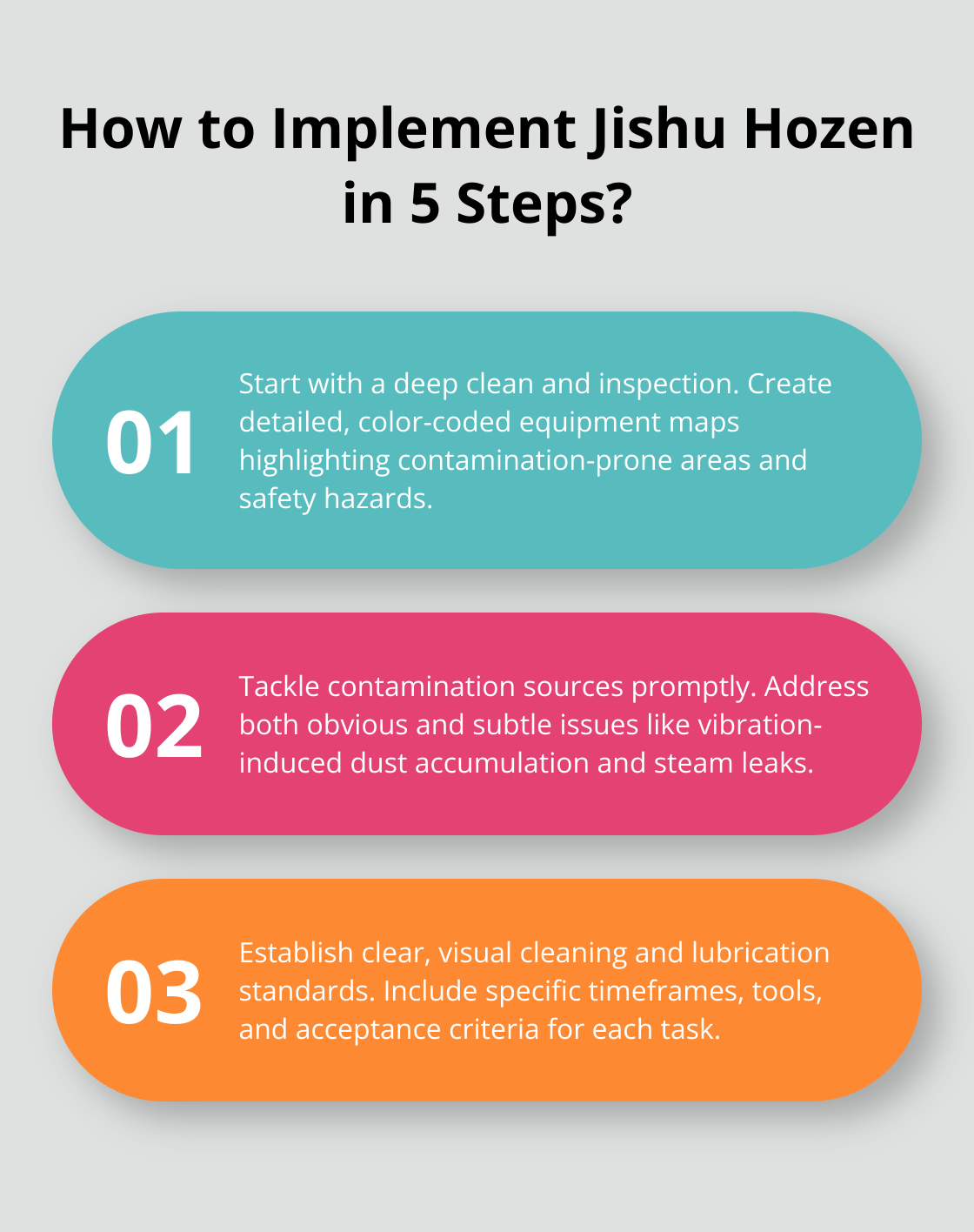
Create detailed maps of your equipment during this step. These maps should highlight areas prone to contamination, hard-to-reach spots, and potential safety hazards. Use color-coding to prioritize areas that need immediate attention.
Tackle Contamination at the Source
After identifying contamination sources, address them promptly. This might involve redesigning equipment guards, improving seals, or upgrading lubrication systems.
Focus on both obvious and subtle issues. Look for problems like vibration-induced dust accumulation or steam leaks that create moisture problems. Addressing these root causes prevents recurring issues and saves time in the long run.
Establish Clear Standards
Develop comprehensive cleaning and lubrication standards with input from both operators and maintenance staff. These standards should be visual, easy to understand, and readily accessible. Consider using QR codes on equipment that link to digital work instructions or video demonstrations.
Include specific timeframes, tools to use, and acceptance criteria for each task in your standards.
Empower Through Training and Tools
Equip your team with the knowledge and tools they need to succeed. This includes both technical training on equipment operation and maintenance, as well as soft skills like problem-solving and communication.
Digital tools can significantly enhance your Jishu Hozen program. Platforms like Weever's Connected Worker solution provide real-time data capture, automated workflows, and instant issue reporting. This not only streamlines the inspection process but also enables quick response to potential problems.
Foster a Culture of Continuous Improvement
Jishu Hozen requires an ongoing process of refinement and improvement. Encourage operators to suggest improvements to maintenance procedures. Implement a system for tracking and reporting abnormalities and rewarding these suggestions.
Regular audits maintain momentum. Use data from your digital platforms to identify trends and areas for improvement. Share success stories across the organization to keep everyone motivated and aligned with the Jishu Hozen philosophy.
The successful implementation of Jishu Hozen transforms your maintenance approach. As you master these steps, you'll notice significant improvements in equipment reliability and overall operational efficiency. Next, we'll explore the tools and technologies that can further enhance your Jishu Hozen efforts.
Tech Tools for Autonomous Maintenance
Digital Checklists: The Foundation of Modern Maintenance
Paper forms and clipboards are relics of the past. Digital checklists have transformed how operators conduct inspections and maintenance tasks. These electronic forms, accessible via tablets or smartphones, guide workers through each step of the process. They ensure consistency and completeness.
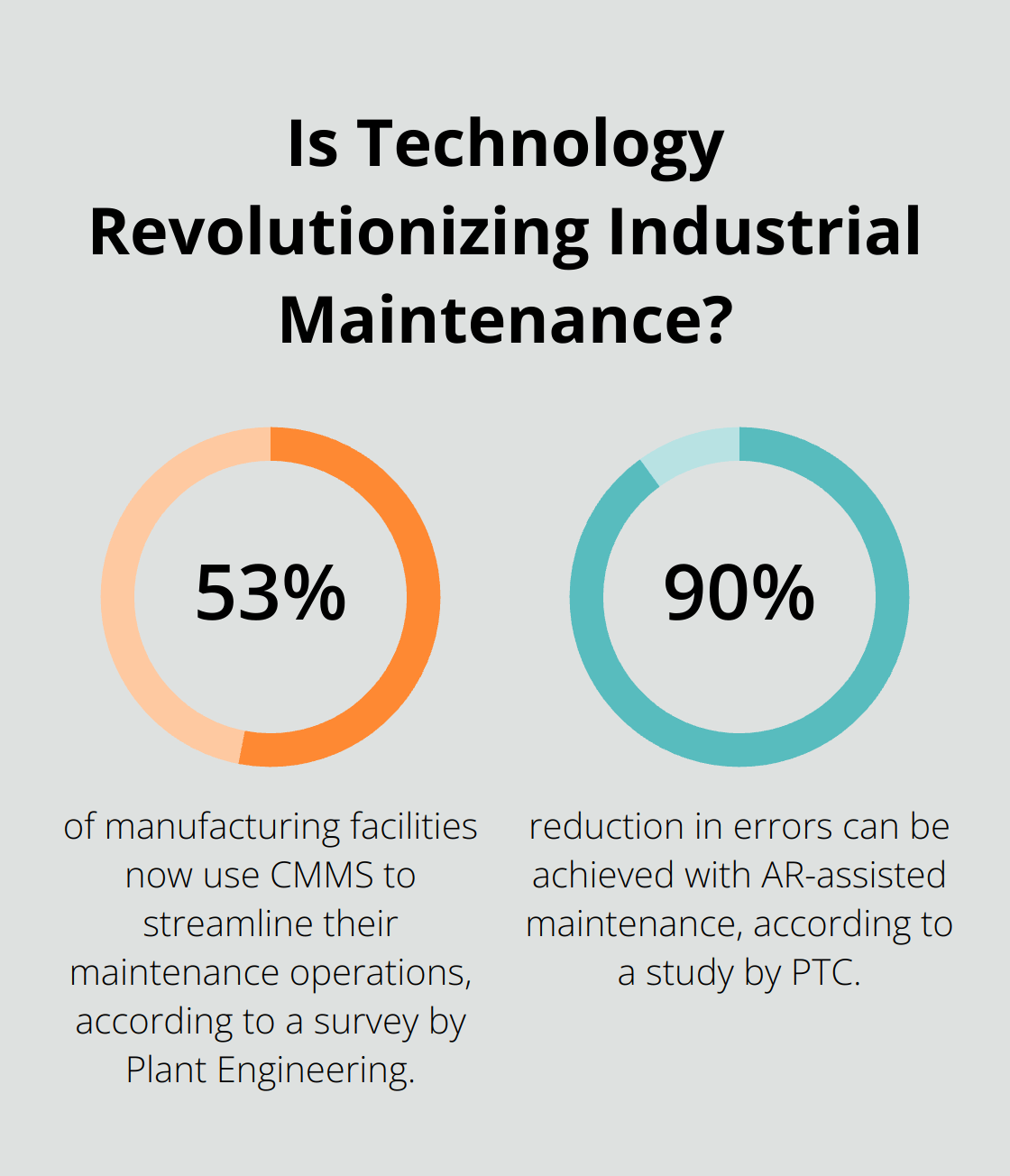
The Aberdeen Group found that companies using digital checklists increased operator compliance with standard procedures by 23%. This improvement in adherence directly results in better equipment reliability and less downtime.
CMMS: The Brain of Your Maintenance Operation
Computerized Maintenance Management Systems (CMMS) act as the central hub for all maintenance activities. These powerful software solutions schedule tasks, track work orders, manage inventory, and generate reports.
A survey by Plant Engineering revealed that 53% of manufacturing facilities now use CMMS to streamline their maintenance operations. The benefits include improved asset lifecycle management, reduced equipment downtime, and better resource allocation.
When selecting a CMMS, prioritize features such as mobile accessibility, integration capabilities with other systems, and robust reporting tools. These features allow your maintenance team to work efficiently from anywhere while providing management with valuable insights into equipment performance and maintenance costs.
IoT Sensors: Your Equipment's Early Warning System
Industrial Internet of Things (IIoT) sensors revolutionize predictive maintenance. These small devices continuously monitor equipment parameters (like temperature, vibration, and pressure). They trigger alerts when they detect abnormalities, allowing maintenance teams to address issues before they cause breakdowns.
IoT systems in the Factories setting can enable predictive maintenance of manufacturing equipment, location tracking of livestock, and tracking of assets. These improvements translate to significant cost savings and enhanced operational efficiency.
The implementation of IoT sensors doesn't require complexity or high expenses. Try to start with critical equipment and gradually expand your sensor network. Integrate these sensors with your CMMS and digital checklist system for a comprehensive view of your equipment health.
Augmented Reality: Enhancing Maintenance Guidance
Augmented Reality (AR) technology provides real-time visual guidance for maintenance tasks. Technicians can use AR-enabled devices to overlay digital information onto physical equipment, making complex procedures easier to understand and execute.
A study by PTC found that AR-assisted maintenance can improve task completion times by up to 30% and reduce errors by 90%. This technology proves particularly valuable for training new operators and addressing infrequent or complex maintenance issues.
By leveraging these tech tools, organizations can significantly enhance their autonomous maintenance capabilities, boosting productivity and equipment reliability.
Wrapping Up
Jishu Hozen autonomous maintenance transforms how manufacturers approach equipment care. This paradigm shift empowers operators to take ownership of their machinery, which leads to significant improvements in efficiency, cost savings, and product quality. Companies achieve reduced downtime, extended equipment life, and enhanced safety across the production floor through these practices.
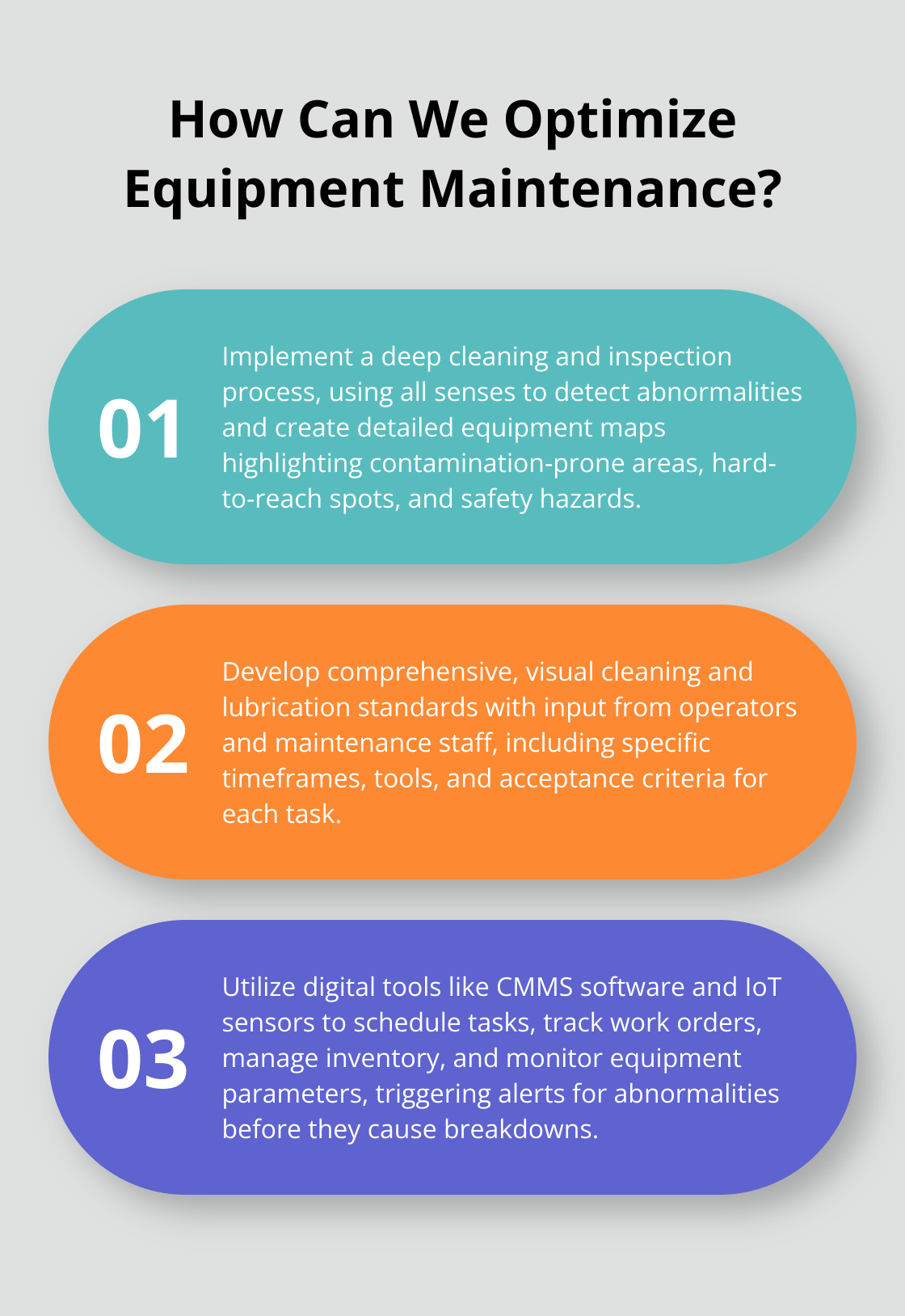
The success of Jishu Hozen depends on employee engagement and comprehensive training. Operators must understand the reasons behind autonomous maintenance practices, not just the methods. This cultural shift requires ongoing support from management and a commitment to continuous improvement.
Advanced technologies enhance the capabilities of Jishu Hozen programs. Weever Apps' Connected Worker platform supports autonomous maintenance through digital checklists, real-time issue tracking, and automated workflows. These tools ensure consistent execution of maintenance tasks, rapid problem resolution, and data-driven decision-making (which are essential for modern manufacturers).
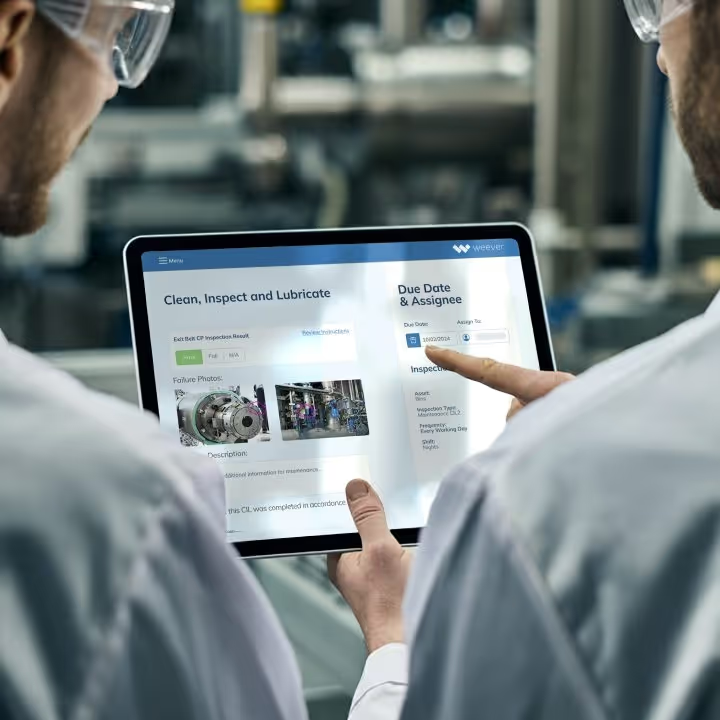
How Weever Supports Continuous Improvement through CIL and 5S Audits
Continuous improvement is not just a goal in manufacturing—it’s a necessity. Staying competitive means consistently identifying and addressing inefficiencies, maintaining equipment, and ensuring workplaces are clean, organized, and safe. Two critical methodologies that drive this process are Clean, Inspect, Lubricate (CIL) routines and 5S audits. While CIL focuses on proactive equipment maintenance, 5S audits ensure workplace organization and cleanliness, making them complementary tools for operational excellence.
Weever software takes these methodologies to the next level, providing manufacturers with an integrated platform to manage both CIL processes and 5S audits seamlessly. By combining automation, real-time insights, and a user-friendly interface, Weever empowers manufacturers to sustain continuous improvement across operations.
So, how does Weever support continuous improvement through CIL processes and 5S audits? Let’s explore.
Simplifying Continuous Improvement with Weever’s Platform
Continuous improvement initiatives like CIL and 5S audits rely on regular participation and consistency. However, complexity in tracking and managing these processes can hinder their effectiveness. Weever simplifies these tasks with a user-friendly platform designed for easy adoption.
Weever’s Accessible Features for CIL and 5S Audits:
- Centralized Access: Teams can access CIL routines and 5S audit checklists in one convenient platform, eliminating the need for multiple tools or paperwork.
- Mobile Compatibility: Employees can perform CIL tasks and 5S audits directly from mobile devices, allowing them to stay productive while on the manufacturing worksite.
- Minimal Training Required: With its intuitive interface, Weever makes it easy for employees to adopt the system quickly, reducing onboarding time and ensuring immediate participation.
By making CIL and 5S processes more accessible, Weever enables teams to perform these tasks consistently and efficiently, fostering a culture of continuous improvement without disrupting daily operations.
Consistency Through Automation: Streamlining Workflows and Action Items
One of the greatest challenges in implementing CIL routines and 5S audits is ensuring consistency. Missed tasks, incomplete follow-ups, and manual errors can derail even the best continuous improvement initiatives. Weever solves these challenges by automating workflows and tracking action items.
Weever’s Automation Features:
- Scheduled Routines: CIL tasks and 5S audits are automatically scheduled at regular intervals, ensuring they are conducted consistently and on time.
- Task Assignments: Responsibilities are clearly assigned to team members, creating accountability and eliminating ambiguity.
- Action Item Tracking: When issues such as equipment abnormalities or workplace inefficiencies are identified, Weever generates actionable follow-ups and tracks their progress to resolution.
Automation ensures that critical tasks are never overlooked and that both CIL and 5S audits are carried out methodically. This consistent execution helps manufacturers address problems proactively, reducing downtime and maintaining high standards of workplace safety and efficiency.
From Data to Decisions
Effective continuous improvement relies on data-driven decision-making. Simply performing CIL tasks and 5S audits isn’t enough—teams need to analyze the results to uncover trends, identify recurring issues, and prioritize improvements. Weever provides the tools to turn audit and maintenance data into actionable insights.
How Weever’s Real-Time Insights Enhance CIL and 5S Processes:
- Real-Time Reporting: CIL and 5S results are instantly available through Weever’s platform, allowing teams to address abnormalities or inefficiencies as soon as they are identified.
- Trend Analysis: Over time, Weever highlights patterns in equipment performance, workplace cleanliness, and organizational efficiency, enabling manufacturers to implement preventive measures.
- Performance Tracking: Weever allows manufacturers to monitor the impact of CIL and 5S efforts, ensuring that improvements are sustained and measurable over time.
By providing a comprehensive view of CIL and 5S data, Weever enables manufacturers to stay ahead of potential issues and continuously refine their operations for better safety, efficiency, and reliability.
Consistency Across the Board
For manufacturers with multiple facilities or teams, implementing CIL routines and 5S audits consistently across operations can be a daunting task. Variations in processes or adherence levels can result in inefficiencies and uneven standards. Weever’s structured rollout methodology ensures a smooth and uniform implementation of both processes.
Weever’s Rollout Methodology for CIL and 5S Audits:
- Standardized Procedures: Predefined templates for CIL tasks and 5S audits ensure that every team follows the same protocols, creating consistency across the organization.
- Comprehensive Training: Weever provides training resources and support to help teams adapt to the system quickly and confidently.
- Scalable Implementation: Whether rolling out to one department or an entire organization, Weever’s scalable approach makes it easy to expand continuous improvement initiatives without disruption.
This structured approach helps manufacturers maintain high standards of safety and efficiency across all locations, fostering a unified commitment to continuous improvement.
Take the Next Step Toward Continuous Improvement
By combining CIL processes and 5S audits into one integrated platform, Weever provides manufacturers with a comprehensive solution for sustaining continuous improvement. The platform’s ease of use, automation, real-time insights, and structured rollout methodology work together to ensure that every aspect of these methodologies is carried out consistently and effectively.
Key Benefits of Weever for CIL and 5S Audits:
- Ease of Use: Simplifies task execution and audit processes, enabling employees to participate without slowing down operations.
- Automation: Streamlines scheduling, task assignment, and follow-up actions to ensure nothing is missed.
- Data-Driven Insights: Delivers valuable trends and real-time reporting for proactive decision-making.
- Consistent Implementation: Standardizes processes across teams and facilities for uniform results.
Weever enables manufacturers to go beyond compliance, helping them create safer, more efficient workplaces while driving measurable improvements in operational performance.
Are you ready to transform your approach to CIL and 5S audits? With Weever, you can streamline processes, enhance safety, and sustain continuous improvement across your operations. Contact us today to schedule a demo and discover how Weever can support your team in achieving operational excellence.
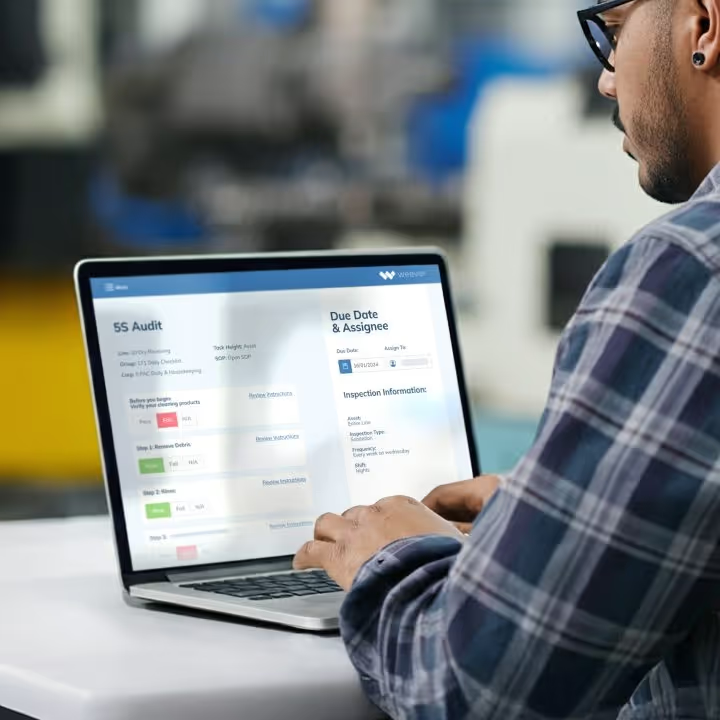
Optimizing Workplace Safety and Efficiency with Weever's 5S Audits
Workplace safety and efficiency are foundational to success in manufacturing and industrial environments. One proven methodology for achieving these goals is the 5S framework—Sort, Set in Order, Shine, Standardize, and Sustain. When applied effectively, 5S principles create cleaner, safer, and more organized workplaces, driving productivity and minimizing risks. However, maintaining these standards requires regular, thorough audits to ensure compliance and continuous improvement.
Weever software transforms how manufacturers conduct 5S audits, offering a streamlined, automated solution that makes the process simpler, faster, and more effective. By digitizing 5S audits and providing real-time insights, Weever empowers organizations to optimize workplace safety and efficiency like never before.
So, how do Weever’s 5S audits optimize workplace safety and efficiency? Let’s take a closer look at how the Weever platform supports each stage of the process.
Simplifying 5S Audits with an Intuitive Platform
For 5S audits to be impactful, they need to be completed regularly by employees who understand their importance. However, complex or time-consuming audit processes can deter participation and result in inconsistent application. Weever solves this challenge with a user-friendly interface that makes 5S audits straightforward and accessible for all team members.
How Weever Simplifies 5S Audits:
- Ease of Access: Weever’s platform provides employees with pre-configured 5S checklists that are clear and easy to follow, eliminating confusion during audits.
- Mobile-Friendly Functionality: Audits can be conducted directly from mobile devices, allowing employees to complete them on the shop floor without disrupting workflow.
- Minimal Training Requirements: The platform’s intuitive design means new users can quickly learn how to navigate the system and perform audits efficiently.
By reducing the complexity of 5S audits, Weever ensures that teams can complete them consistently without compromising productivity. This simplicity encourages widespread adoption of the platform, helping manufacturers maintain high safety and efficiency standards across their workforce.
Staying on Track with Audit Automation
Even with the best intentions, manual 5S audit processes can result in missed tasks, delays, and incomplete follow-ups. Weever eliminates these pitfalls by automating key aspects of the 5S audit process, ensuring that everything stays on schedule and that no detail is overlooked.
Weever’s Automation Features:
- Scheduled Audits: The platform automatically schedules 5S audits at regular intervals, ensuring they occur consistently without manual reminders.
- Task Assignments: Responsibilities for specific audit tasks are automatically assigned to the appropriate team members, improving accountability.
- Action Item Tracking: When issues such as safety hazards, cleanliness gaps, or inefficiencies are identified during an audit, Weever creates actionable tasks and tracks their progress until resolution.
Automation ensures that all aspects of the 5S audit process are completed on time and to standard. By removing the manual burden of managing schedules and action items, Weever enables teams to focus on resolving issues and improving workplace safety and efficiency.
From Insights to Impact: Unlocking the Power of Real-Time 5S Audit Data
While completing audits is important, the true value of 5S lies in the insights gained from the process. Weever goes beyond simple compliance checks, offering detailed analytics and real-time reporting that help manufacturers uncover trends, address recurring issues, and make proactive improvements.
Key Benefits of Weever’s Insights and Real-Time Reporting:
- Immediate Feedback: Audit results are instantly accessible through the platform, allowing teams to respond quickly to potential risks or inefficiencies.
- Trend Identification: Over time, Weever’s analytics reveal patterns in workplace organization and safety, such as frequently missed cleanliness standards or recurring hazards in specific areas.
- Improvement Tracking: Weever allows manufacturers to monitor their progress in maintaining 5S principles, ensuring sustained improvements in safety and efficiency.
By turning audit data into actionable insights, Weever helps organizations take a proactive approach to workplace safety and efficiency. Instead of simply reacting to issues, teams can anticipate and address potential problems before they escalate.
Consistency Across Teams for Uniform Standards
Implementing 5S audits across a large organization with multiple departments or facilities can be a logistical challenge. Variations in audit processes or standards can result in inconsistencies that undermine the effectiveness of the methodology. Weever’s structured rollout plan addresses these challenges by ensuring a smooth and uniform implementation.
How Weever Supports a Successful Rollout:
- Seamless Integration: The platform integrates easily into existing workflows, minimizing disruption during implementation.
- Standardized Procedures: Predefined checklists and templates ensure that all teams follow the same audit protocols, creating consistency across the organization.
- Comprehensive Support: Weever provides training materials and ongoing assistance to help teams quickly adapt to the new system and maximize its benefits.
With a consistent approach to 5S audits, manufacturers can maintain uniform safety and efficiency standards across all locations. This not only simplifies management but also fosters a cohesive organizational culture committed to continuous improvement.
How Weever’s 5S Audits Drive Workplace Safety and Efficiency
Weever’s innovative approach to 5S audits empowers manufacturers to uphold the highest standards of safety, cleanliness, and efficiency in their workplaces. By combining an intuitive platform, automated workflows, real-time insights, and a structured rollout plan, Weever ensures that 5S principles are applied consistently and effectively.
Why Manufacturers Choose Weever for 5S Audits:
- Ease of Use: Simplifies the auditing process, encouraging participation and consistent execution.
- Automation: Removes manual tracking burdens, ensuring timely and thorough completion of all tasks.
- Data-Driven Insights: Provides valuable analytics and real-time feedback to drive continuous improvement.
- Consistency: Standardizes audit practices across teams and facilities for uniform application of 5S principles.
With Weever, manufacturers can replace inefficient manual processes with a smarter, more effective approach to workplace organization and safety. This leads to cleaner, safer, and more productive environments that benefit employees and the business as a whole.
Ready to optimize workplace safety and efficiency with automated 5S audits? Discover how Weever’s platform can transform your approach to 5S, providing the tools and insights you need to drive continuous improvement. Contact Weever to schedule a demo and take the first step toward a safer, more efficient workplace.
Spend Less Time on Admin. Get More Insights by Email.
Subscribe to receive practical tips, updates, and ideas to improve operations without the extra admin work.